
Boy Driving a Wagon — History & Facts
When Boy Driving a Wagon first appeared in 1875, it marked one of the earliest public glimpses of Albert Pinkham Ryder’s emerging style—years before he would become known for his brooding, visionary canvases. Unlike his later, dreamlike seascapes, this work stands out as a rare example of Ryder’s engagement with everyday American life, a subject he seldom revisited. The painting’s precise medium remains uncertain, adding an extra layer of mystery to its early history and leaving conservators to puzzle over its materials.
Its quiet, rural theme contrasts sharply with the mythic and literary subjects that would later define Ryder’s reputation. The scene captures a solitary boy perched atop a simple wagon, reins in hand, as he guides his team along a sunlit country road. The moment Ryder chose is one of movement and anticipation: the boy’s posture is alert, his gaze fixed ahead, suggesting both the freedom and responsibility of youth. The wagon, rendered with careful attention to its wooden structure, grounds the composition in the realities of rural labor, while the soft, golden light bathes the landscape in warmth.
Unlike the grand, bustling scenes of American expansion by artists like Winslow Homer, Ryder’s focus is intimate—he invites us to see the world through the eyes of a single child, poised between innocence and experience. Little is documented about the early provenance of Boy Driving a Wagon, and it is not clear whether the work was created on commission or for exhibition. Its modest scale and subject suggest it may have been intended for a private home rather than a public salon. The painting’s whereabouts for much of the twentieth century remain uncertain, reflecting the broader challenges of tracing Ryder’s early output, much of which has been lost or misattributed.
Today, the work is recognized as an important window into Ryder’s formative years, offering a rare glimpse of his hand before he turned to the moody allegories that would secure his place in American art.
More Artworks by Albert Pinkham Ryder

The Toilers of the Sea
Albert Pinkham Ryder
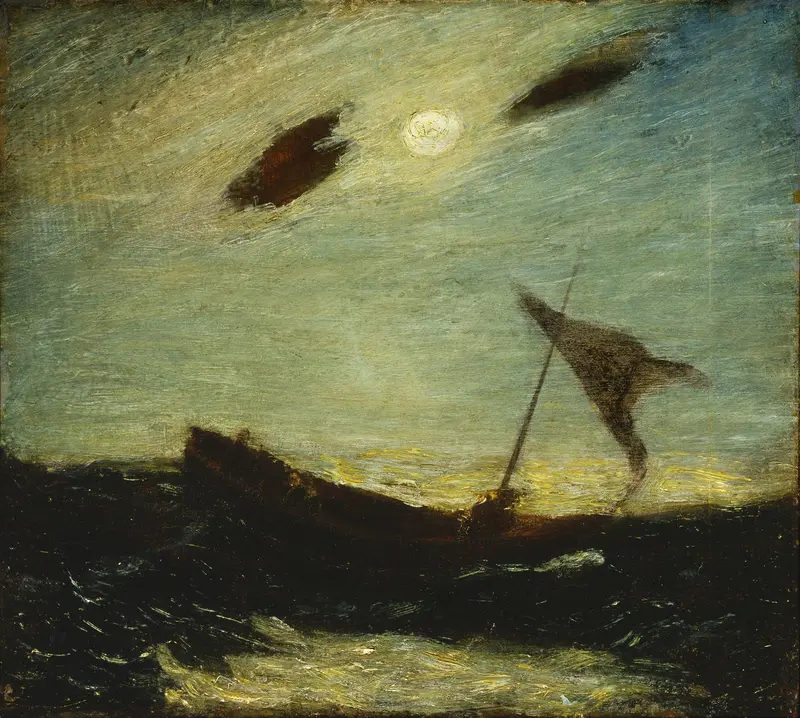
Moonlight
Albert Pinkham Ryder
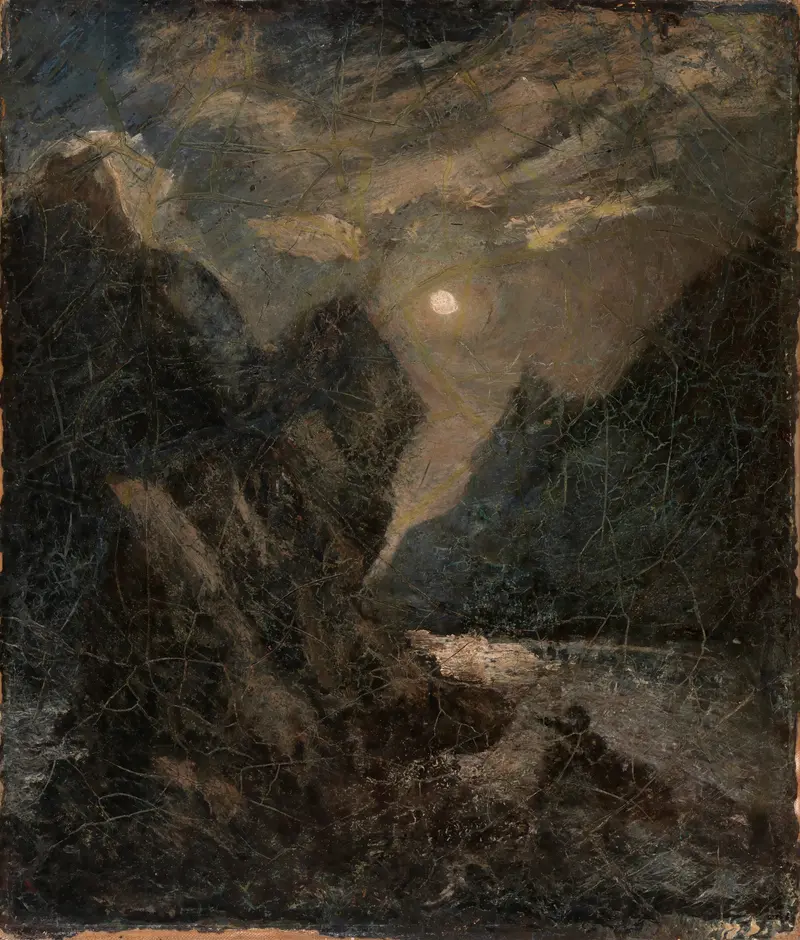
The Lorelei
Albert Pinkham Ryder
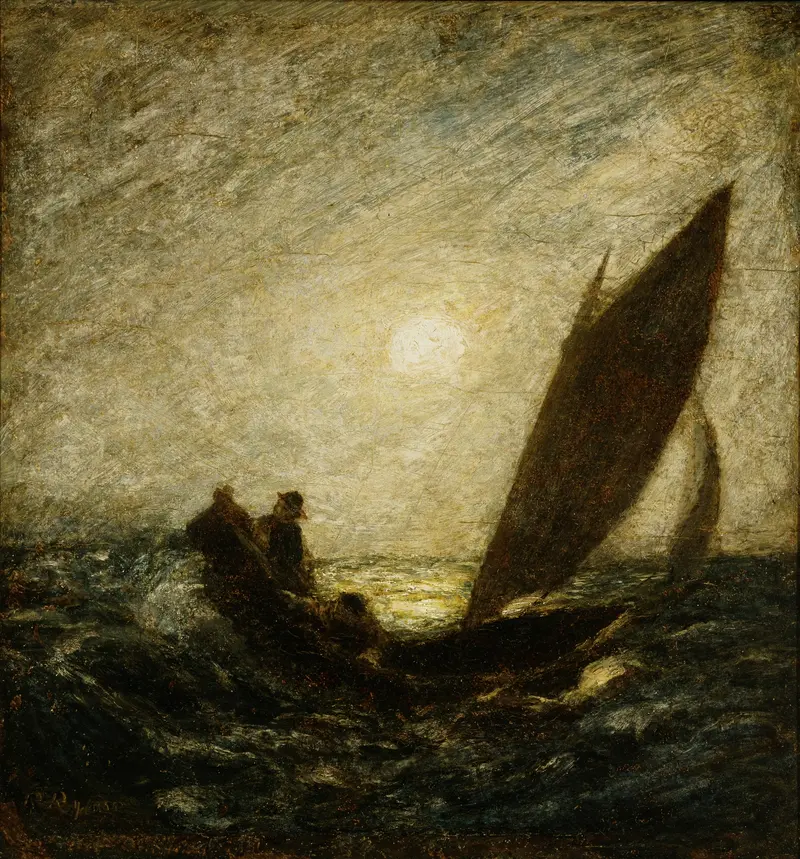
With Sloping Mast And Dipping Prow
Albert Pinkham Ryder
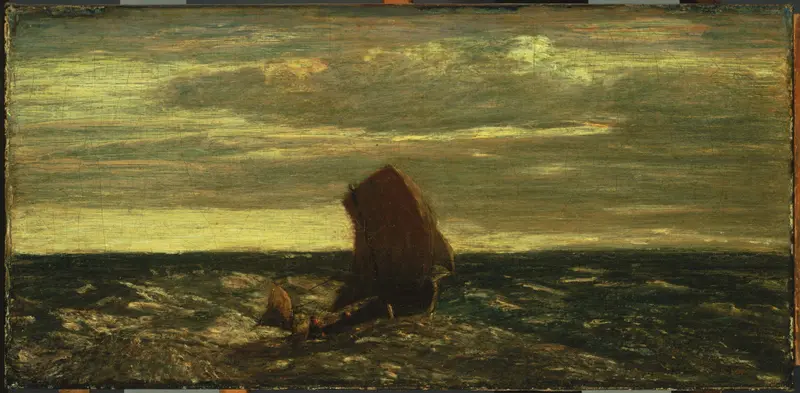
Homeward Bound
Albert Pinkham Ryder
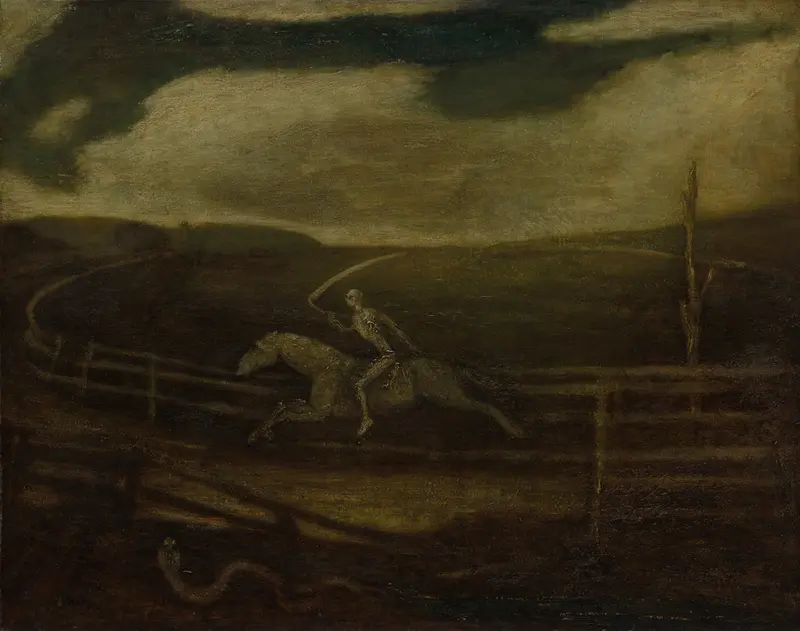
The Race Track (Death on a Pale Horse)
Albert Pinkham Ryder
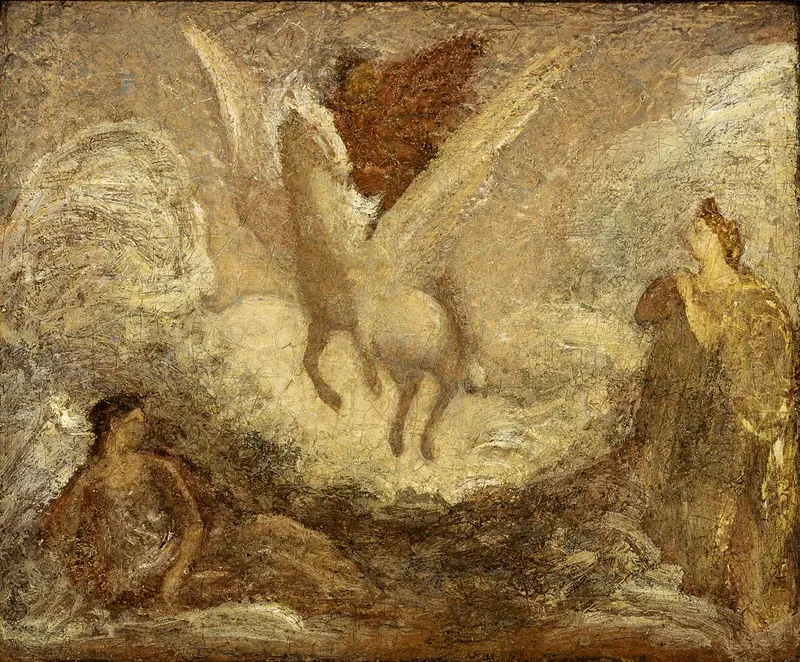
Pegasus Departing
Albert Pinkham Ryder
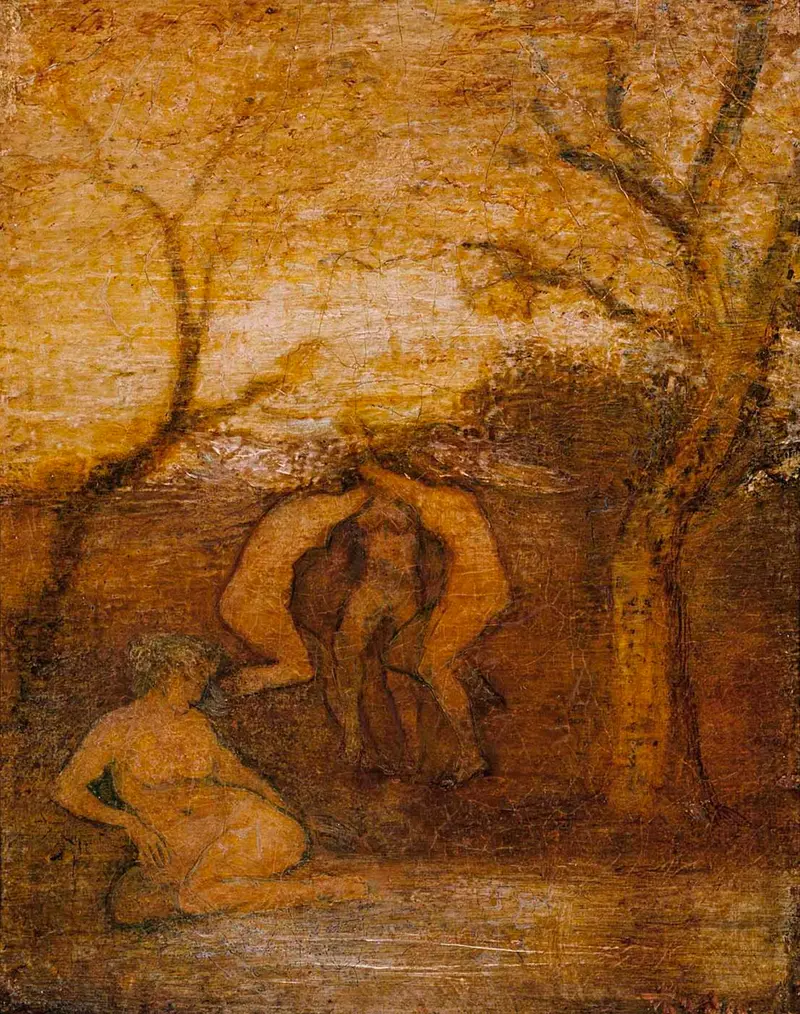
Dancing Dryads
Albert Pinkham Ryder
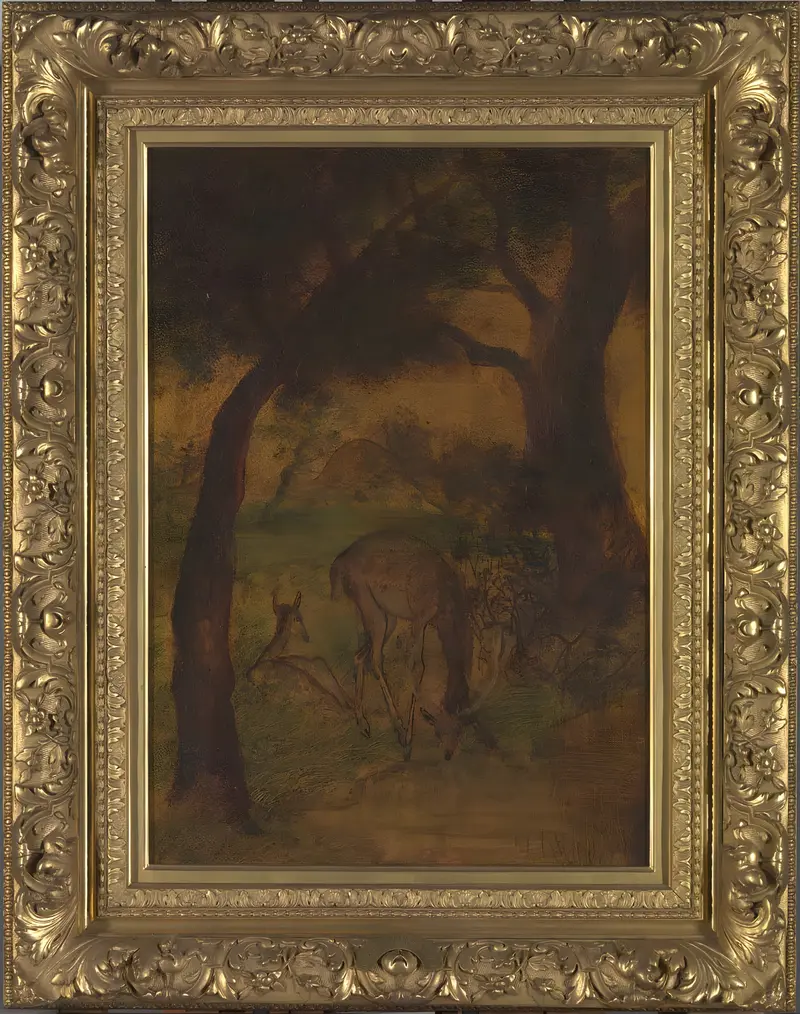
A Stag Drinking
Albert Pinkham Ryder
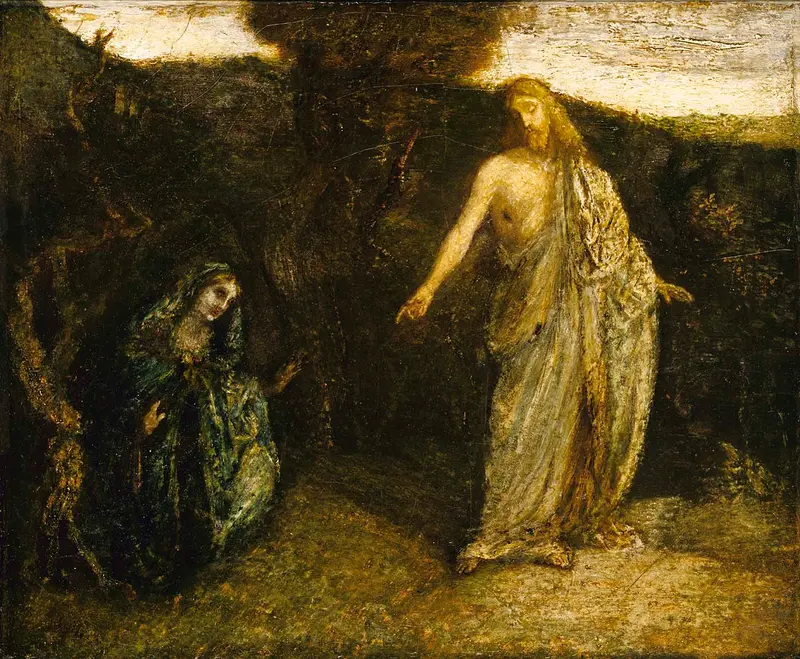
Christ Appearing to Mary
Albert Pinkham Ryder
More Genre Scene Art

Banquet of the Officers of the St George Civic Guard
Frans Hals

Rembrandt and Saskia in the Scene of the Prodigal Son
Rembrandt van Rijn

Bal du moulin de la Galette
Pierre-Auguste Renoir

Quadrille at the Moulin Rouge
Henri de Toulouse-Lautrec

A Burial at Ornans
Gustave Courbet

When Will You Marry?
Paul Gauguin