Briare — History & Analysis
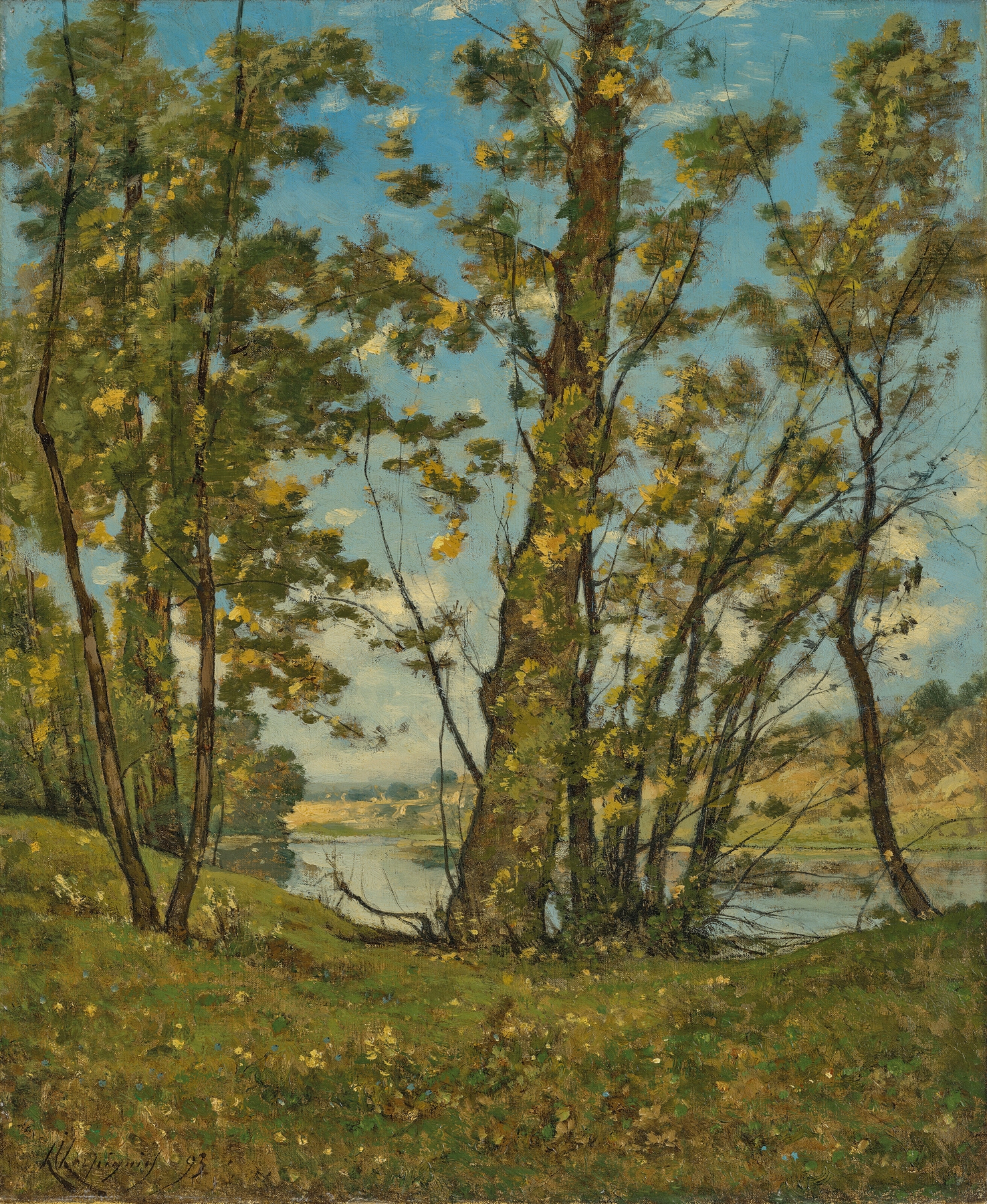
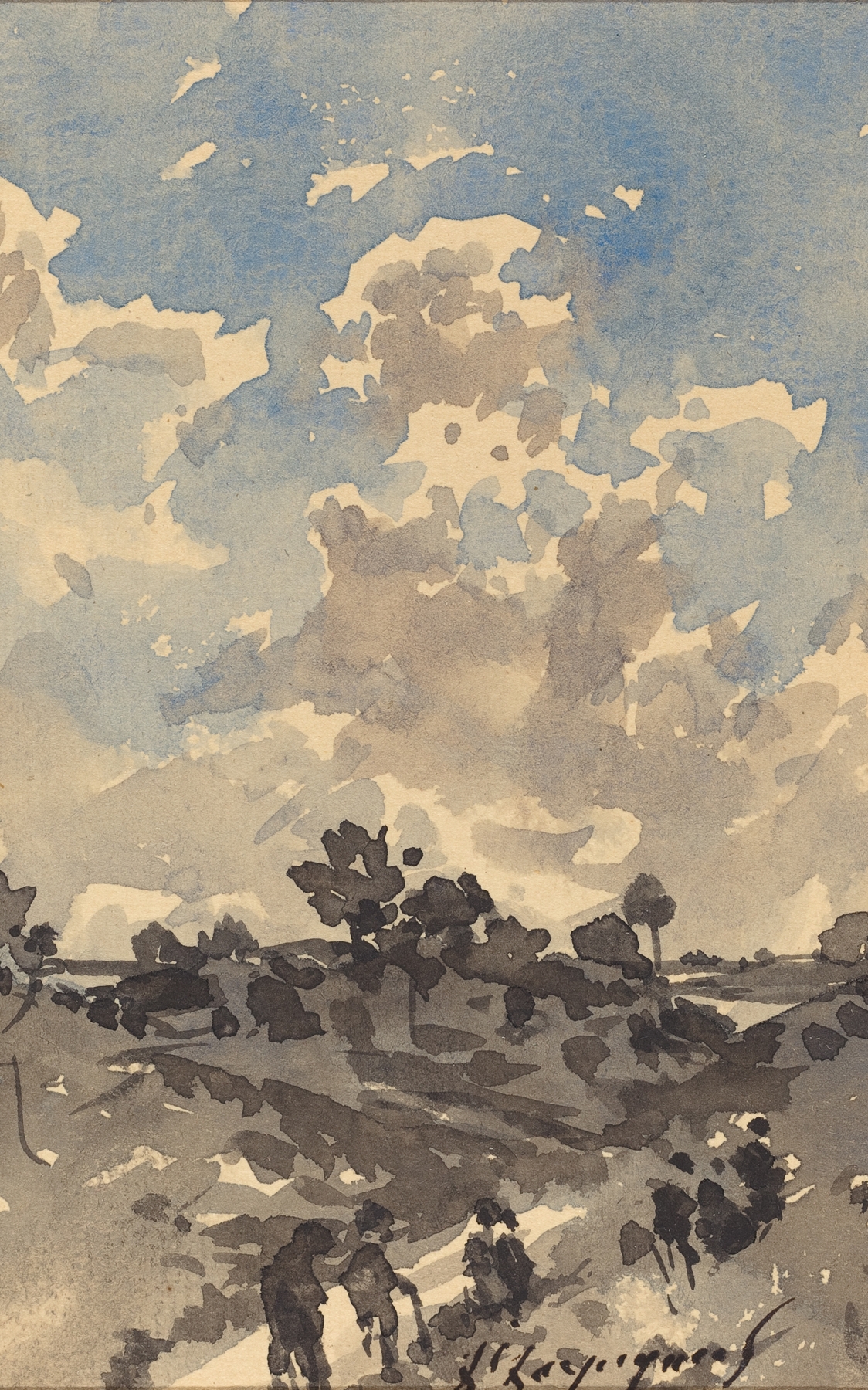
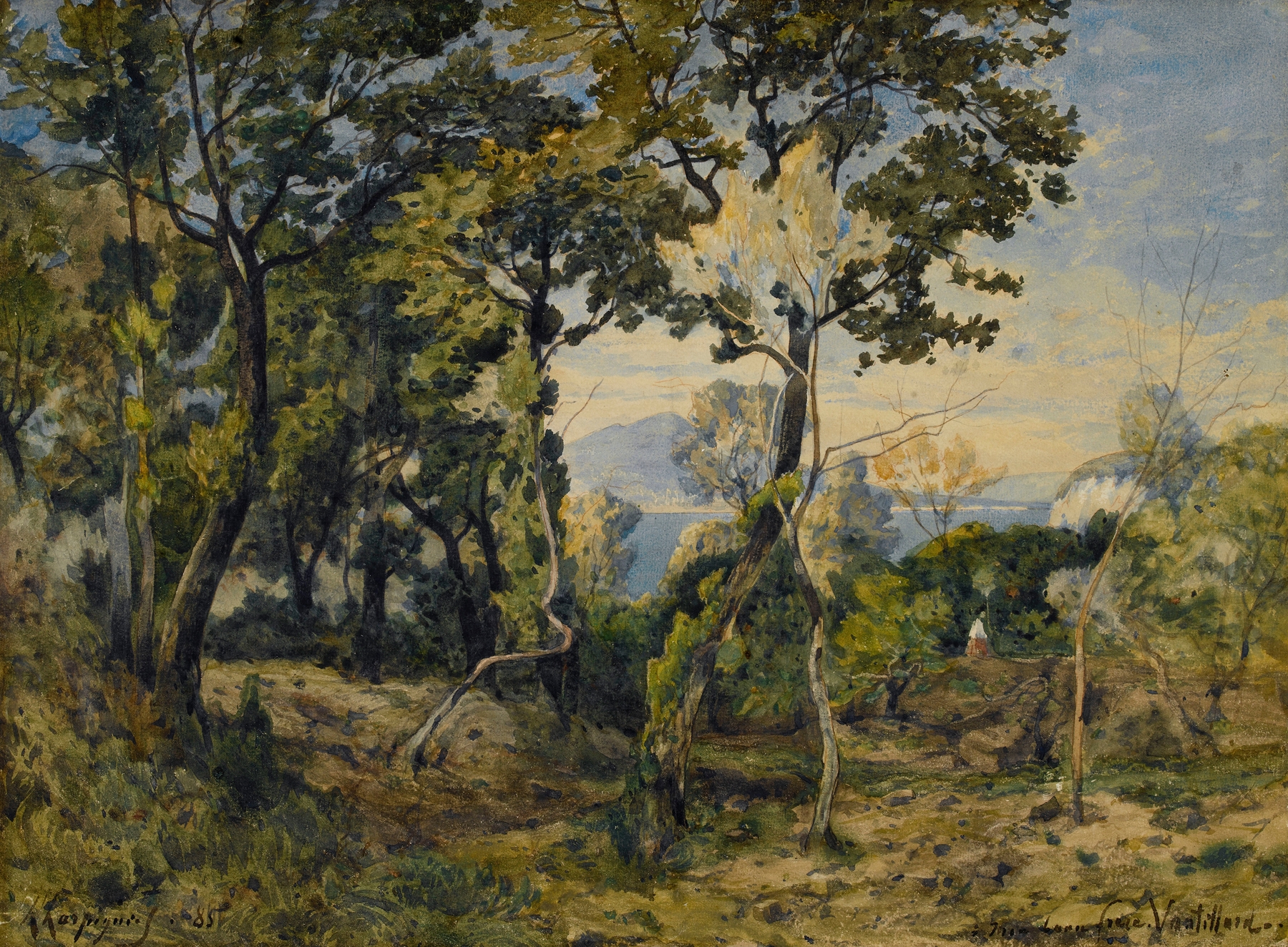
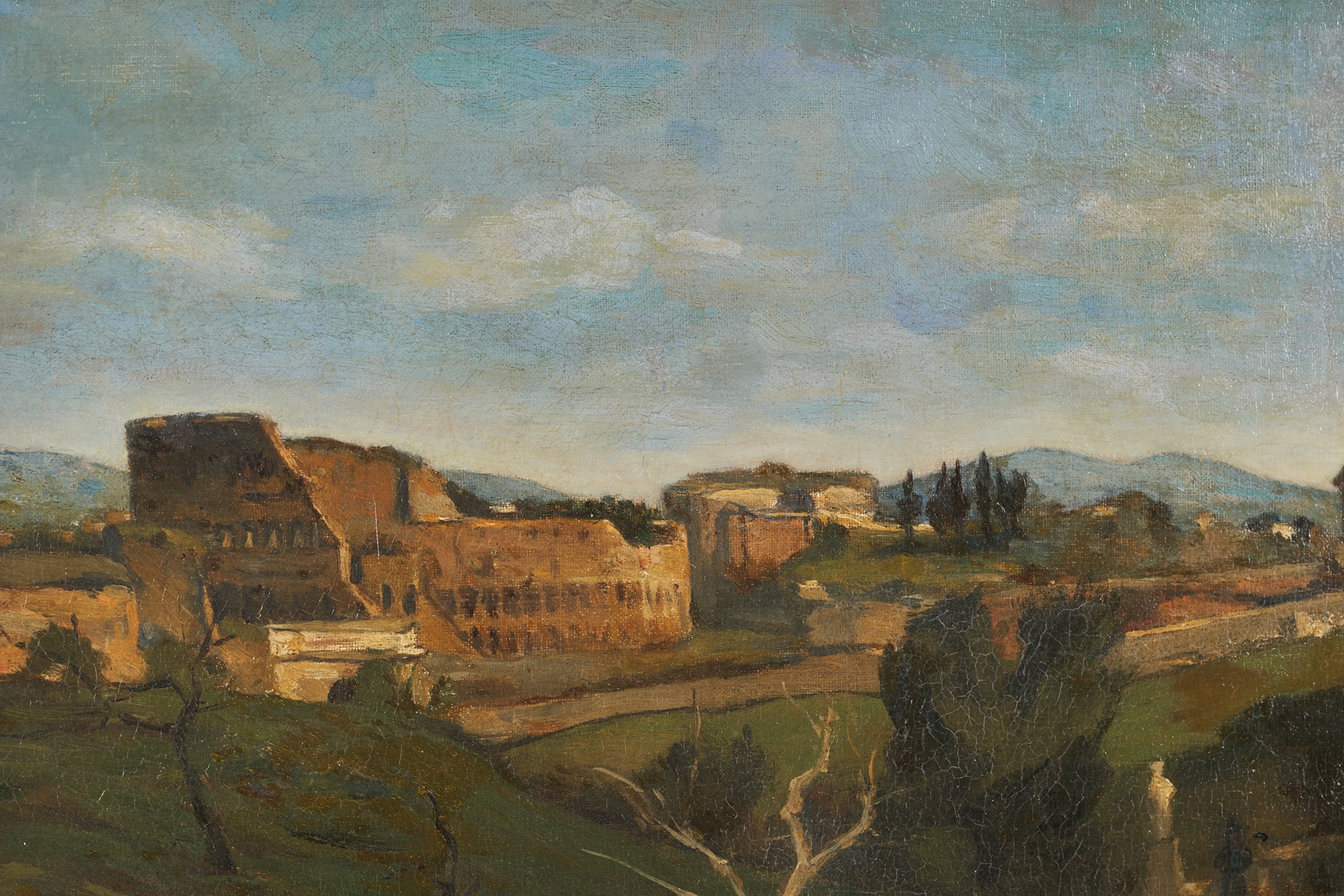
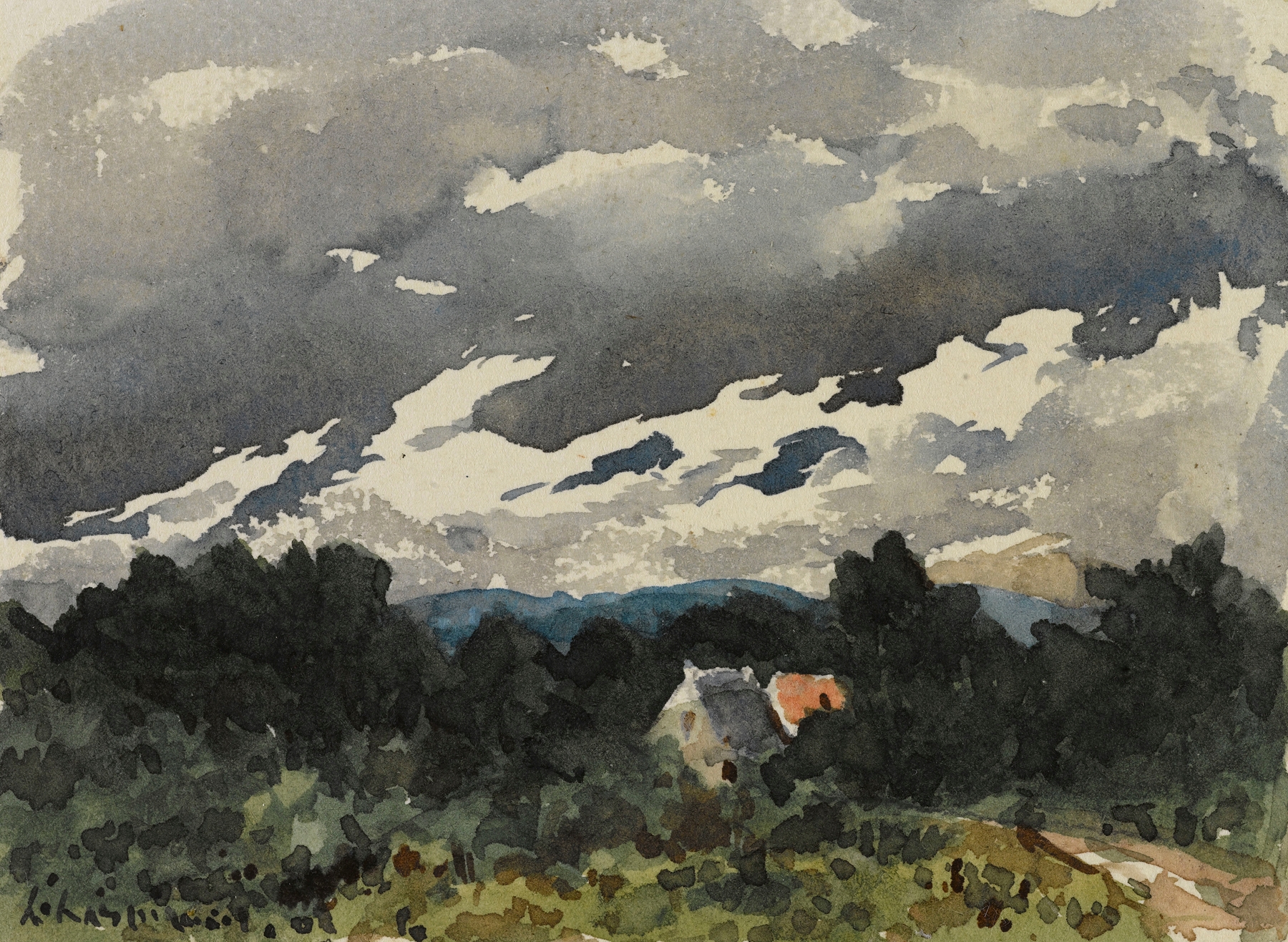
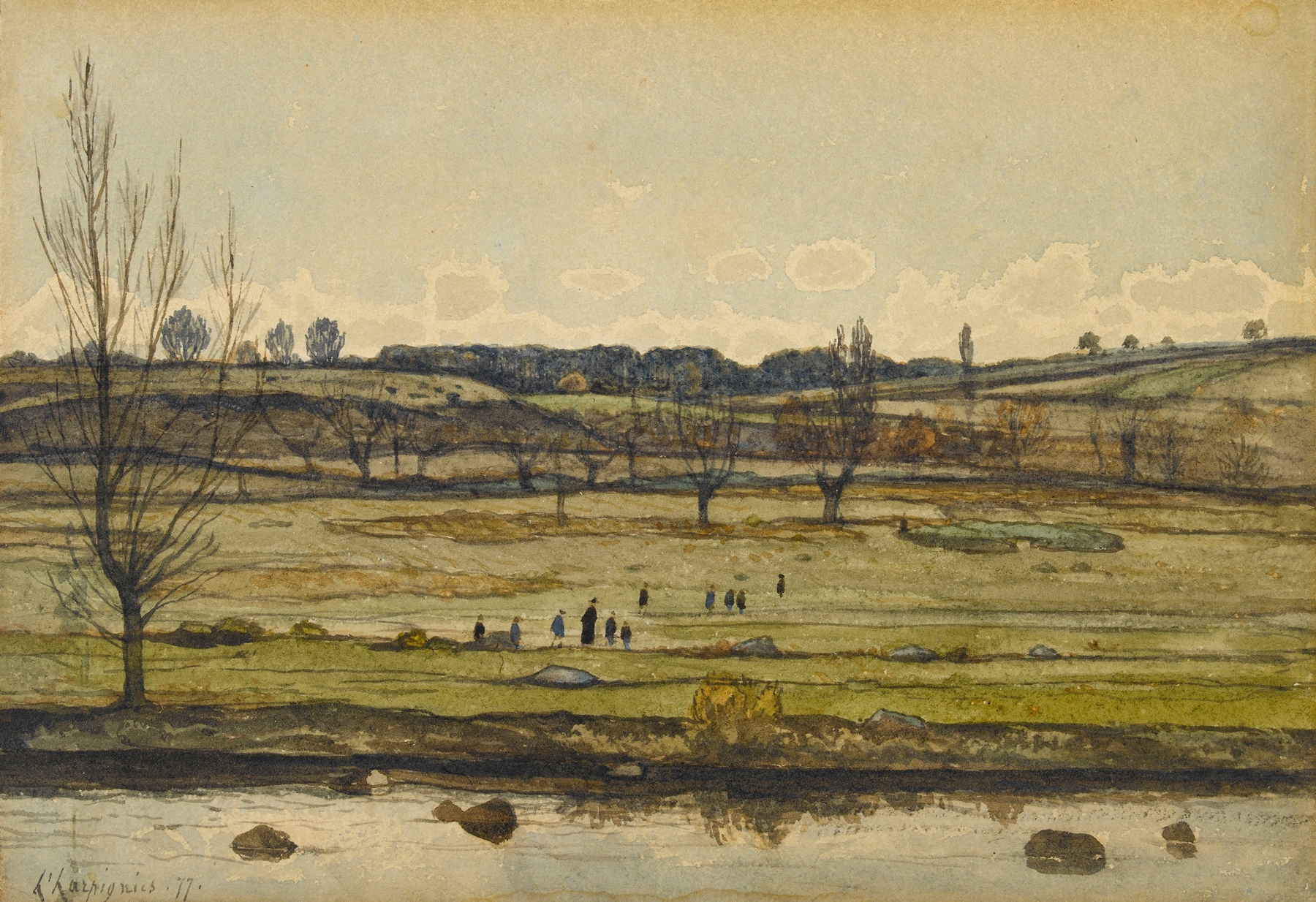
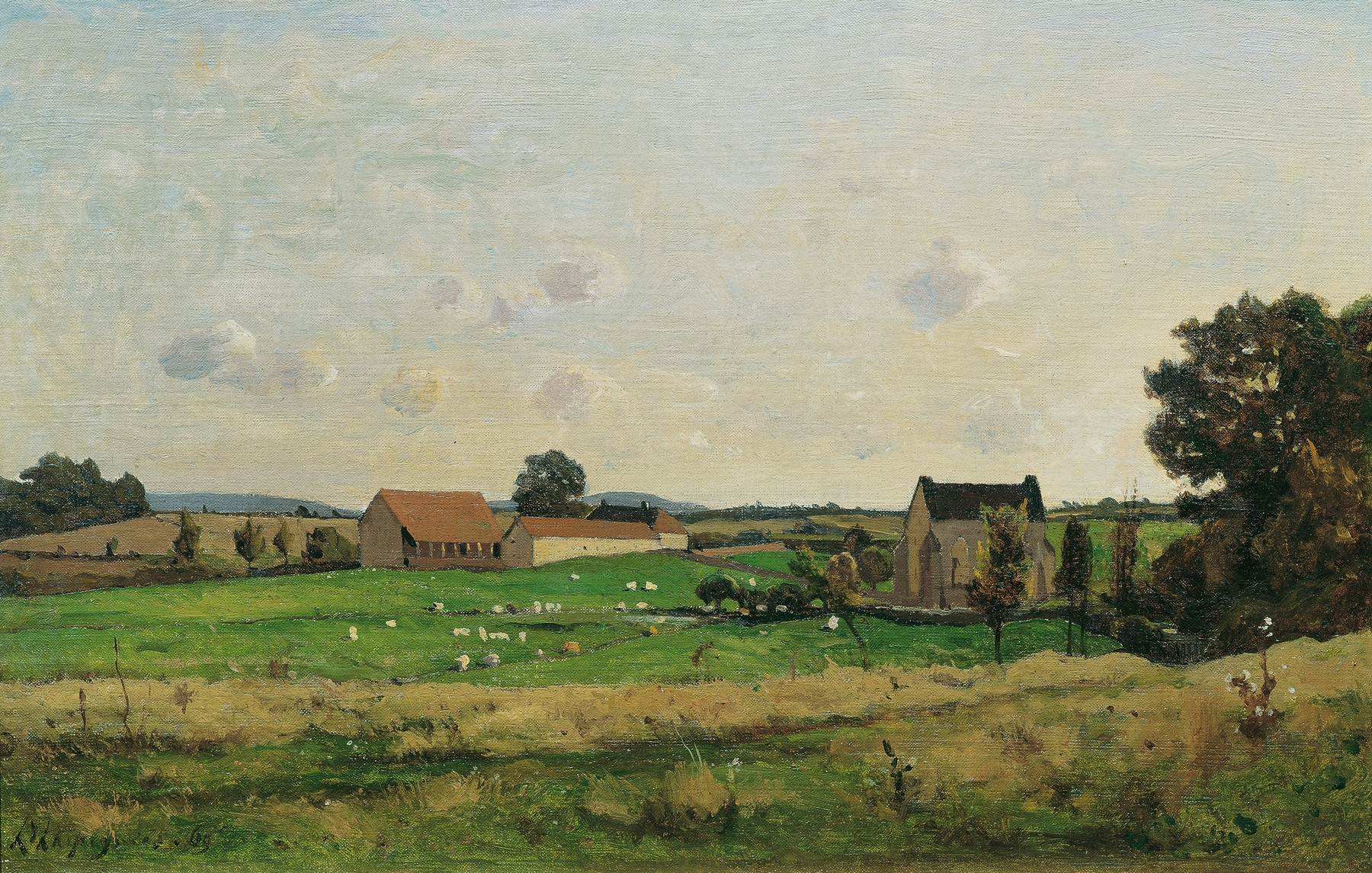
“Under the brush, chaos becomes grace.” This sentiment resonates deeply with the captivating beauty found in the vibrant strokes of a landscape. In the midst of nature’s tumult, we discover the harmonious essence of artistry. Focus first on the soft, rolling hills that dominate the canvas, a lush tapestry of greens that beckons the eye. The light dances across the landscape, creating a dynamic interplay of shadow and brightness, inviting you to explore hidden valleys and sunlit meadows.
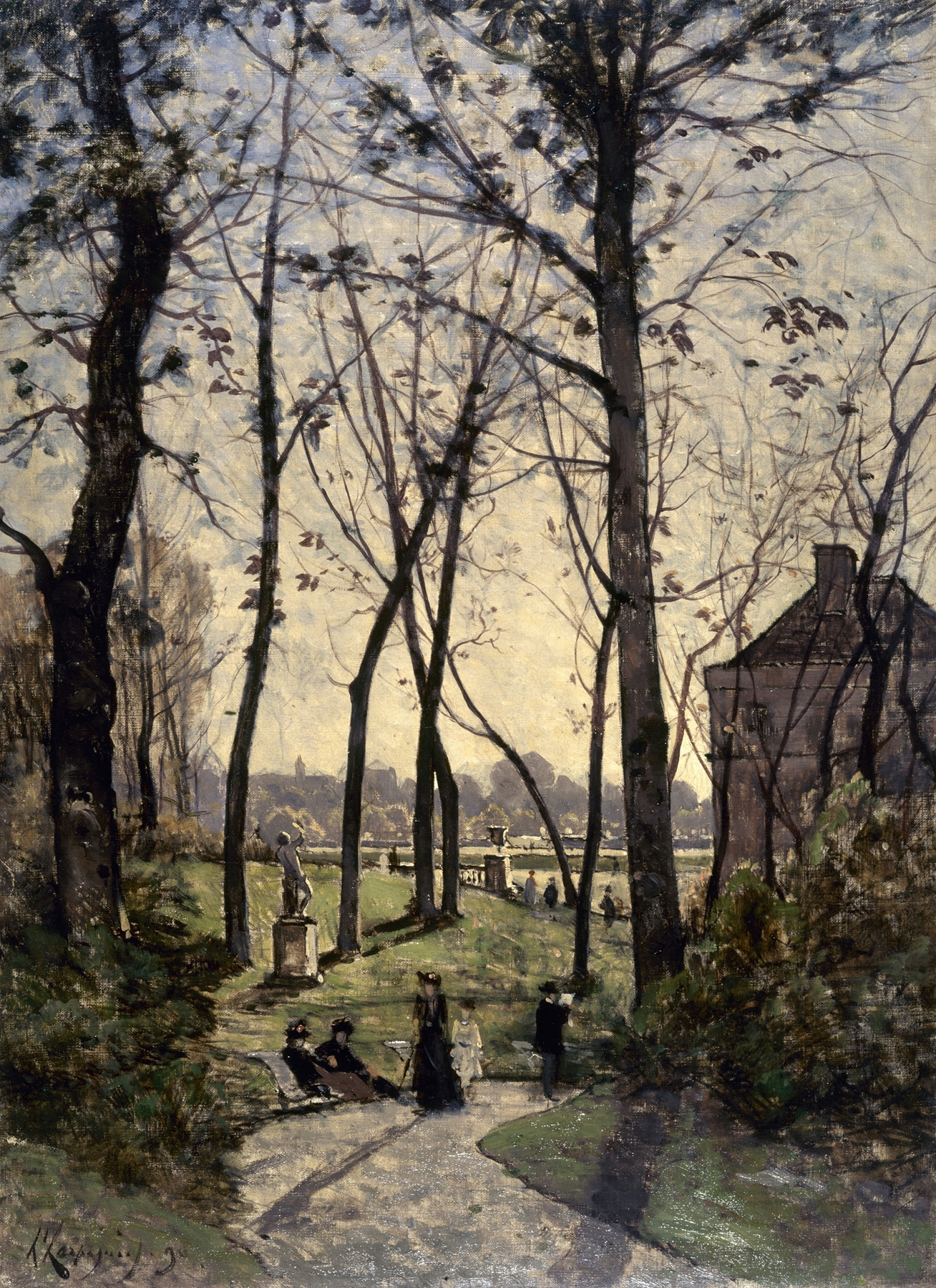
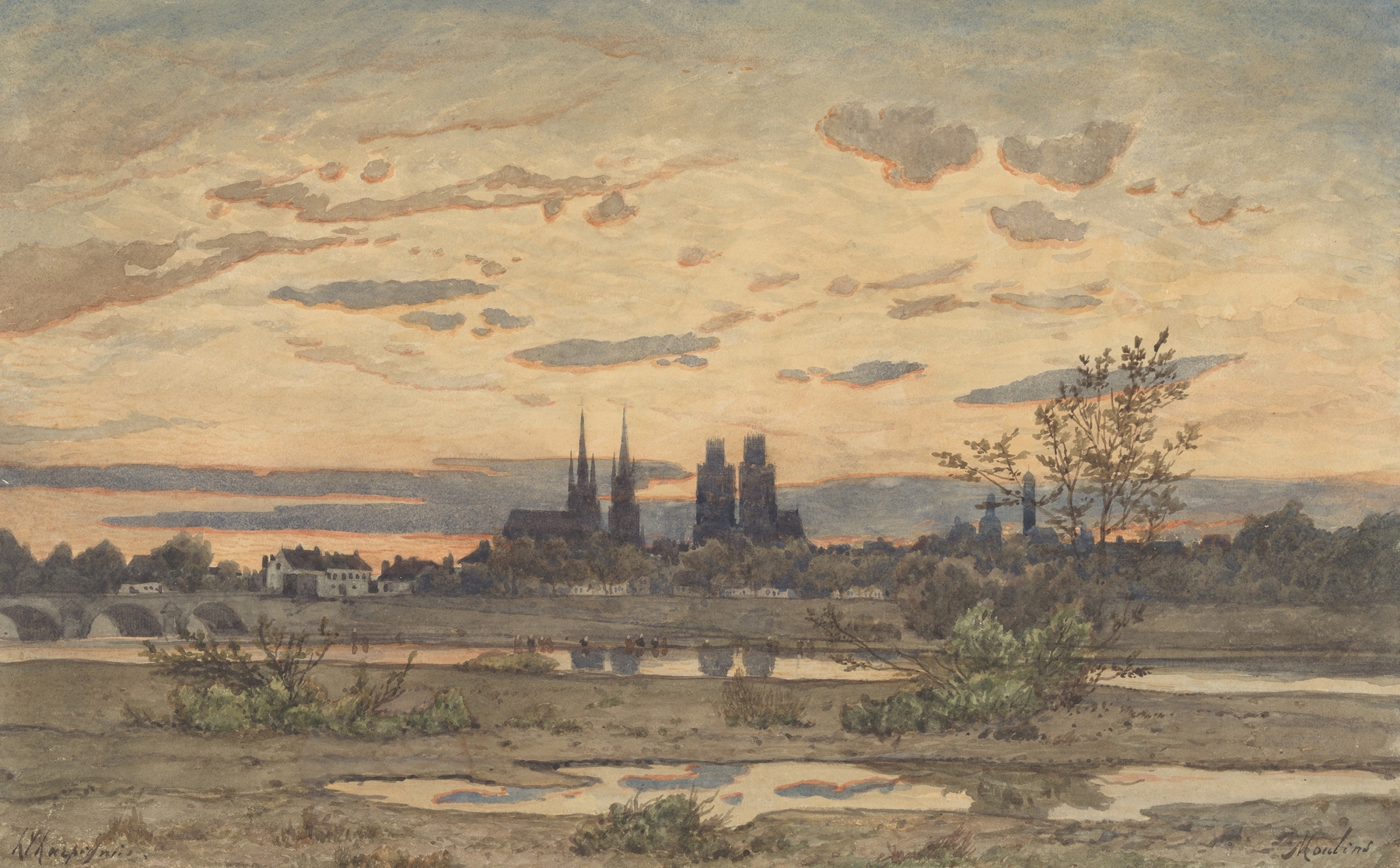
Notice the delicate brushwork that suggests movement, as if a gentle breeze stirs the foliage and whispers the stories of a tranquil day in the countryside. Beneath the surface, the piece resonates with emotional depth. The juxtaposition of light and shadow evokes a sense of serenity intertwined with the fleeting nature of time, inviting contemplation on life’s transience. The harmonious blend of colors hints at a deeper connection between humanity and nature, suggesting that beauty often emerges from the chaos of existence.
Each brushstroke contributes to a narrative that transcends mere representation, whispering the secrets of the earth. In 1902, the artist was immersed in a time of change, residing in France where Impressionism had long since paved the way for a fresh perspective on light and color. Harpignies was at the height of his career, influenced by the natural world around him and the evolving art movements that sought to capture fleeting moments. This period marked not only his artistic maturity but also a broader exploration of beauty, as the world of art began to embrace new forms of expression.