
Brothel Scene — History & Facts
Brothel Scene depicts a lively interior filled with figures engaged in conversation and activity. The colors are rich and varied, with deep reds and warm browns dominating the scene. You can see women and men interacting, some seated and others standing, creating a sense of movement and energy.
The expressions on their faces tell stories, making you wonder about their lives and experiences. Notice the details in the clothing of the figures, which reflect the styles of the late 19th century. The use of light and shadow adds depth to the scene, emphasizing the emotional atmosphere. Munch's brushwork is expressive, with bold strokes that convey the intensity of the moment.
The way the figures are arranged creates a dynamic composition that draws your eye around the canvas. Edvard Munch was a Norwegian artist best known for his exploration of psychological themes in his work. He painted Brothel Scene during a time when he was deeply influenced by the complexities of human emotions and relationships. Munch is also famous for his iconic work The Scream, which has become a symbol of existential angst.
Interestingly, he often drew inspiration from his own life experiences and struggles, making his art deeply personal.
More Artworks by Edvard Munch

The Scream
Edvard Munch

The Scream (1910 version)
Edvard Munch

Despair
Edvard Munch

The Day After
Edvard Munch
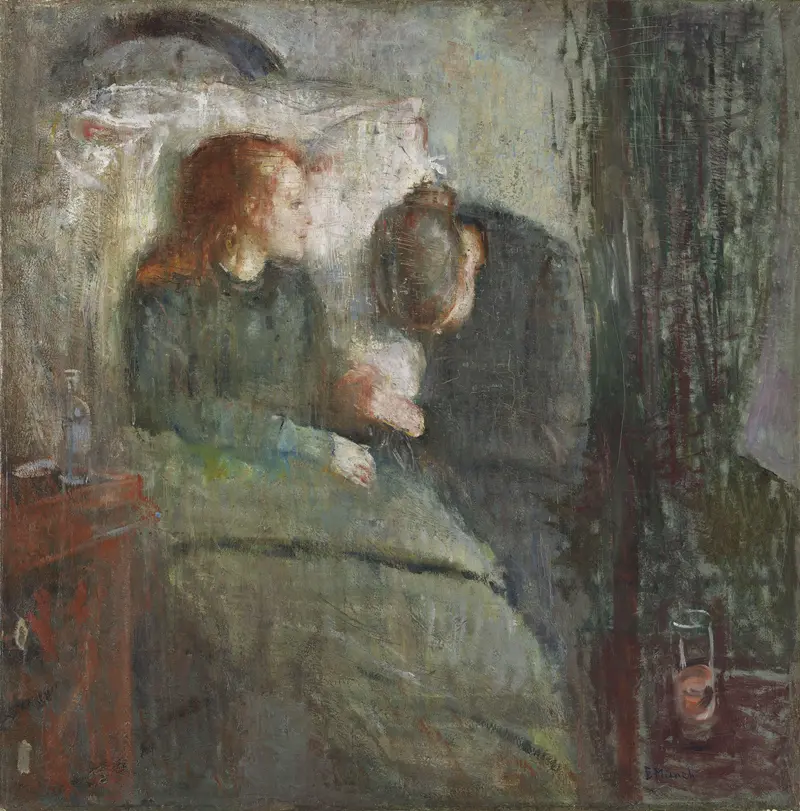
The Sick Child
Edvard Munch
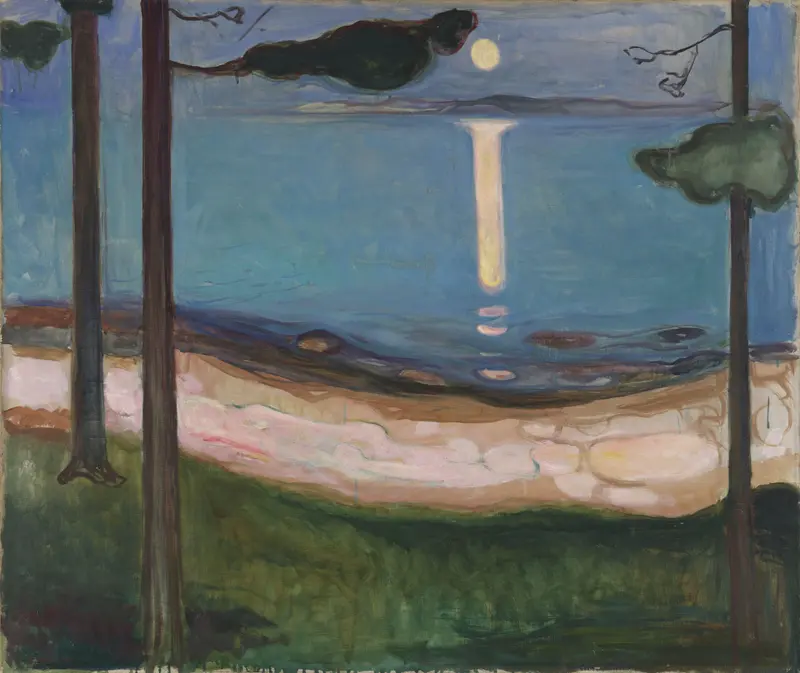
Moonlight
Edvard Munch
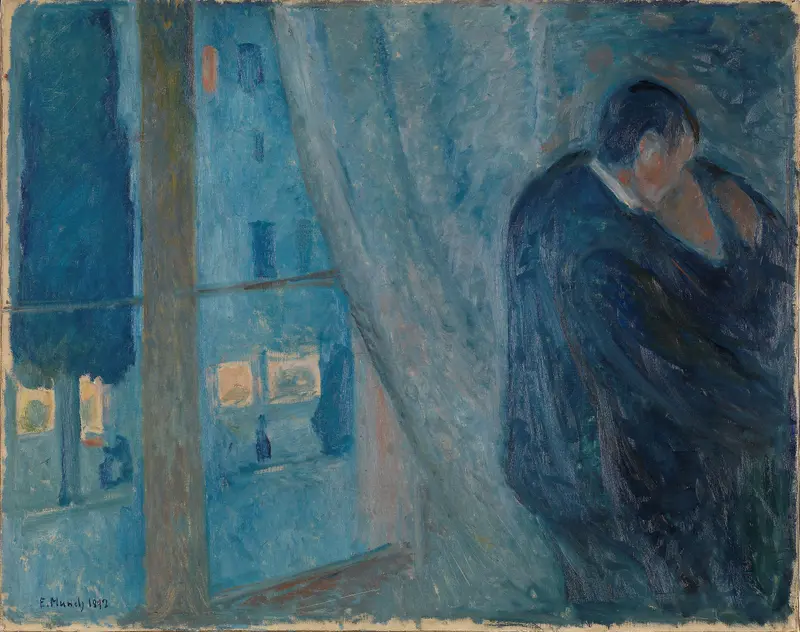
The Kiss
Edvard Munch
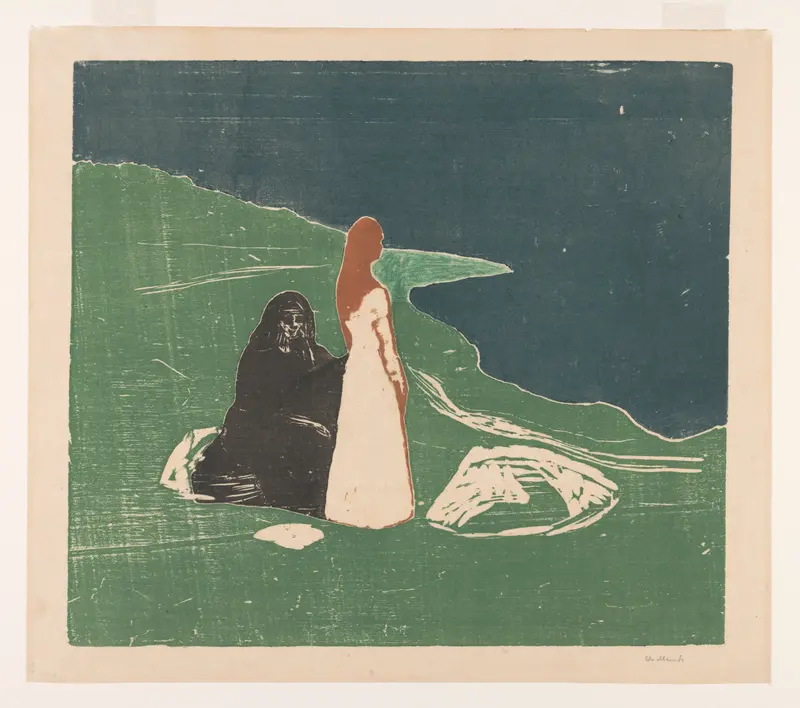
Two Women on the Shore
Edvard Munch
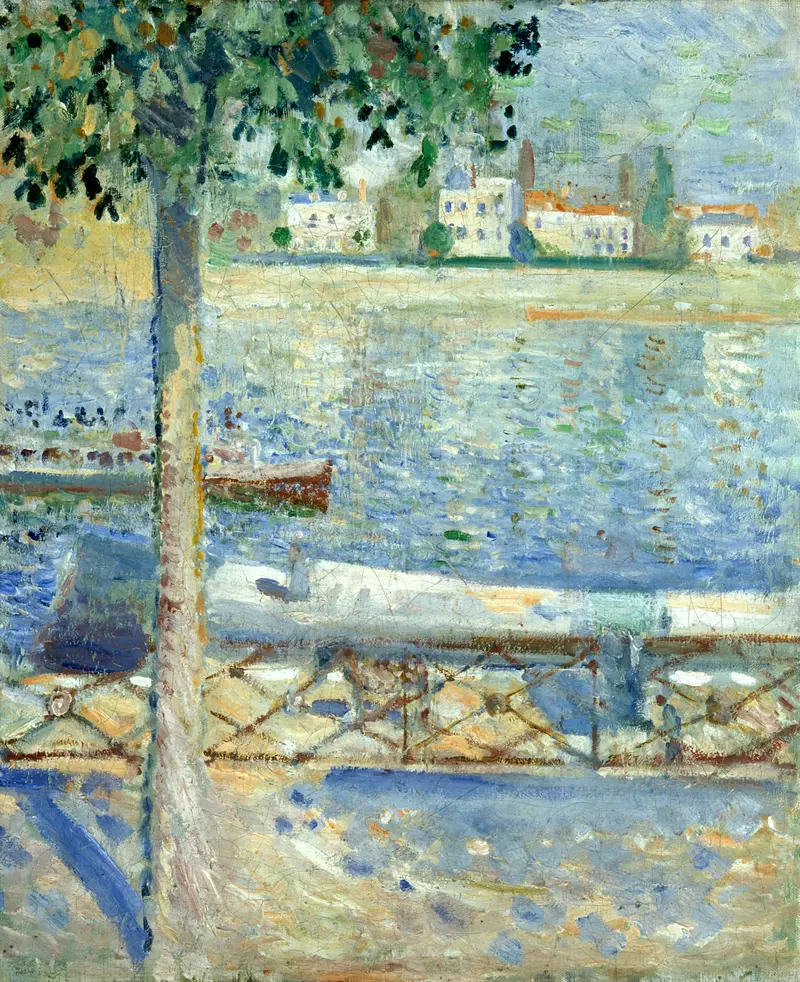
The Seine At Saint-Cloud
Edvard Munch
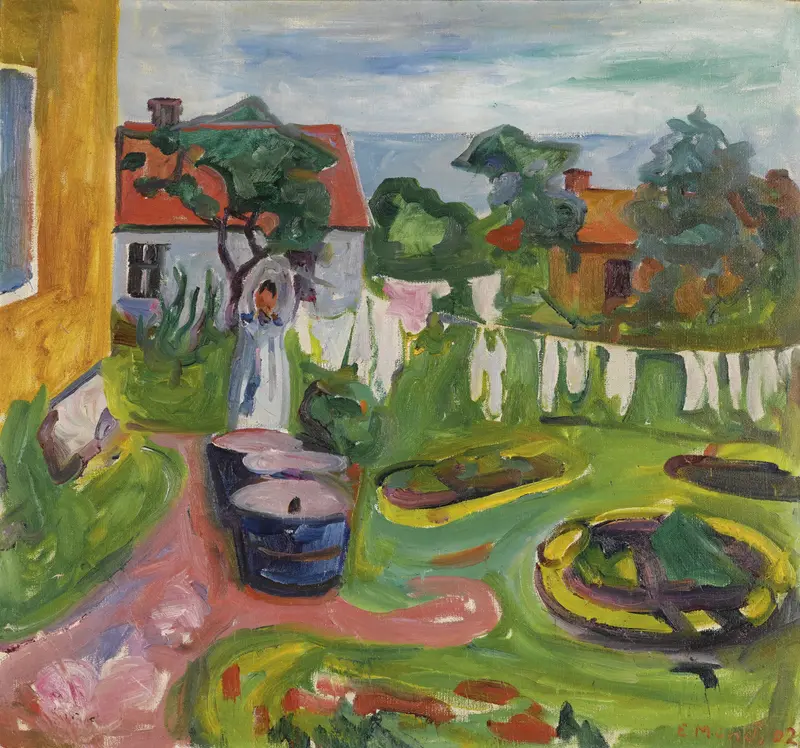
Klestørk I Åsgårdstrand (Clothes On A Line In Åsgårdstrand)
Edvard Munch
More Genre Scene Art

Banquet of the Officers of the St George Civic Guard
Frans Hals

Rembrandt and Saskia in the Scene of the Prodigal Son
Rembrandt van Rijn

Bal du moulin de la Galette
Pierre-Auguste Renoir

Quadrille at the Moulin Rouge
Henri de Toulouse-Lautrec

A Burial at Ornans
Gustave Courbet

When Will You Marry?
Paul Gauguin