
Brutal Interrogation (Torture Scene) — History & Facts
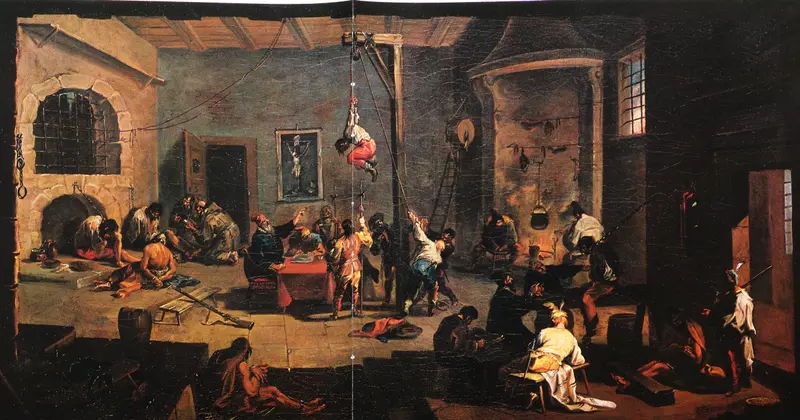
A shaft of harsh light slices through the gloom, catching on the bare backs and shackled limbs of two prisoners thrust into the center of the scene. The eye is drawn first to their twisted posture—bodies bent, faces averted—while the surrounding figures, some in shadow, some half-turned, become a silent jury. The judge, robed and severe, presides from his stone dais, his gesture sharp and commanding, while a scribe bends low, pen scratching across the page, as if the act of recording could make this grim spectacle official.
Chains snake across the floor, and the heavy architecture presses down, trapping both victim and viewer in the suffocating space. Magnasco’s brushwork is restless, almost frantic, the palette muddy and bruised, amplifying the sense of unease. This painting belongs to a world where the machinery of justice was often indistinguishable from the machinery of fear. In early eighteenth-century Italy, scenes of interrogation and punishment were not only real but also a subject of fascination and debate, appearing in the work of artists like Alessandro Magnasco, who became known for his unflinching glimpses into society’s darker corners.
Created in 1728 and now held by the Städel, this work stands as a rare witness to the anxieties of its age—an era when the Enlightenment’s promises of reason and humanity were still shadowed by institutions slow to change. Few records survive to tell us who first owned this painting or why it was made, but its power lies in the way it refuses to look away. Let your eyes linger on the faces, the gestures, the uneasy stillness; this is a painting that asks not just what happened here, but who was watching.
More Artworks by Alessandro Magnasco

The Synagogue
Alessandro Magnasco
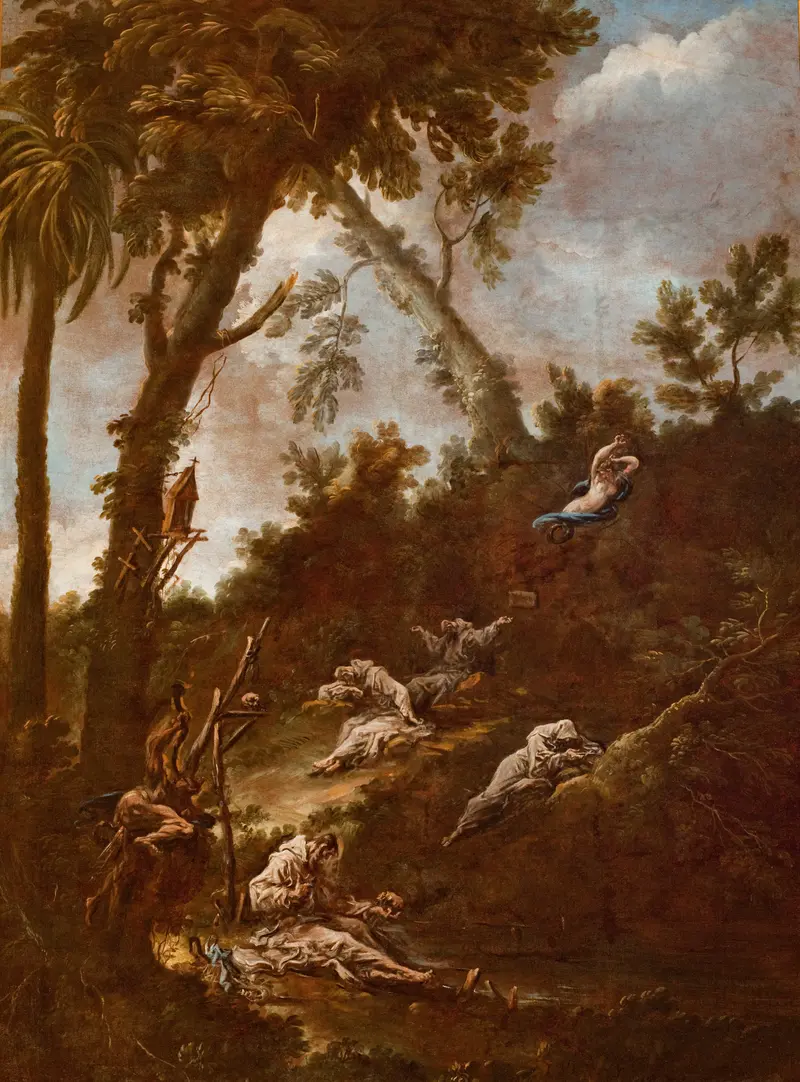
Hermits (Anachorets)
Alessandro Magnasco
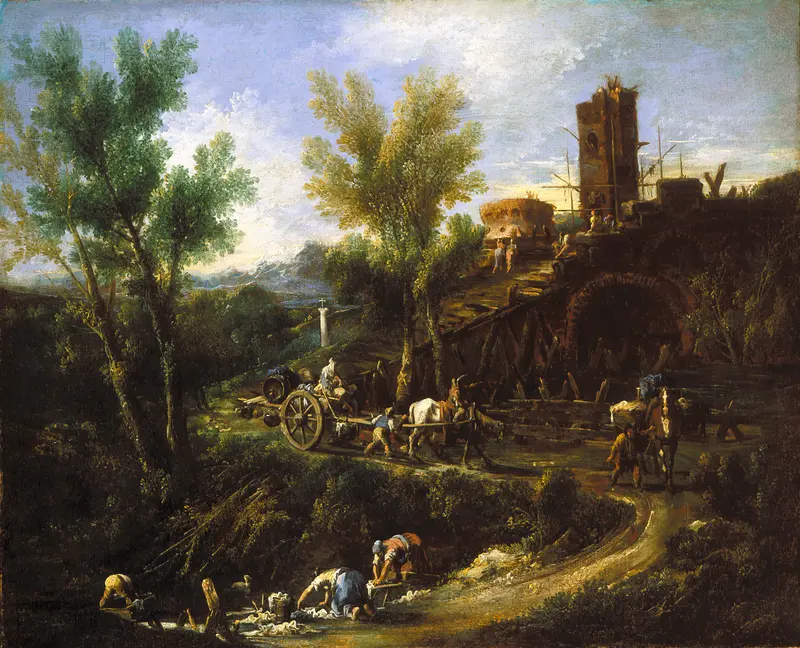
Landscape with Gypsies and Washerwomen
Alessandro Magnasco
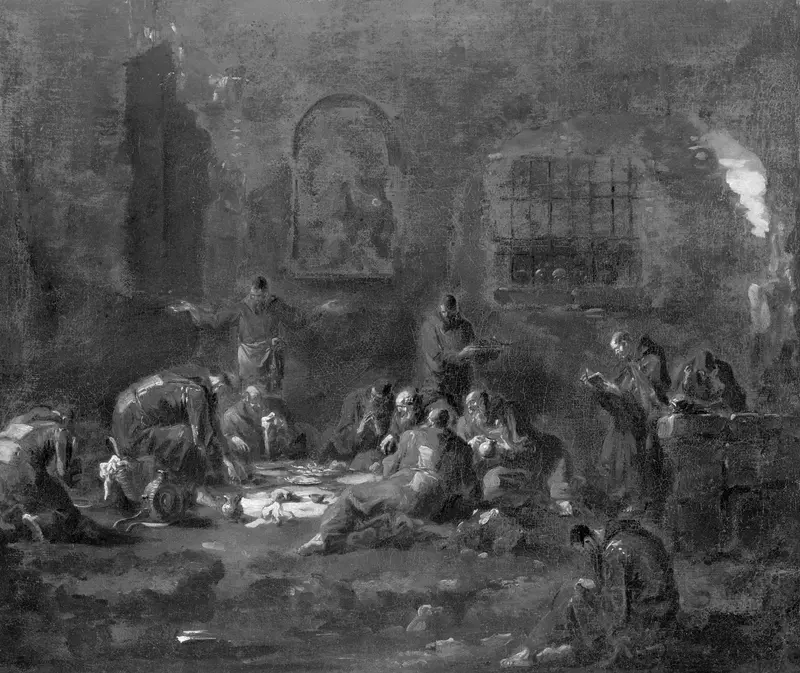
Monks at Supper
Alessandro Magnasco
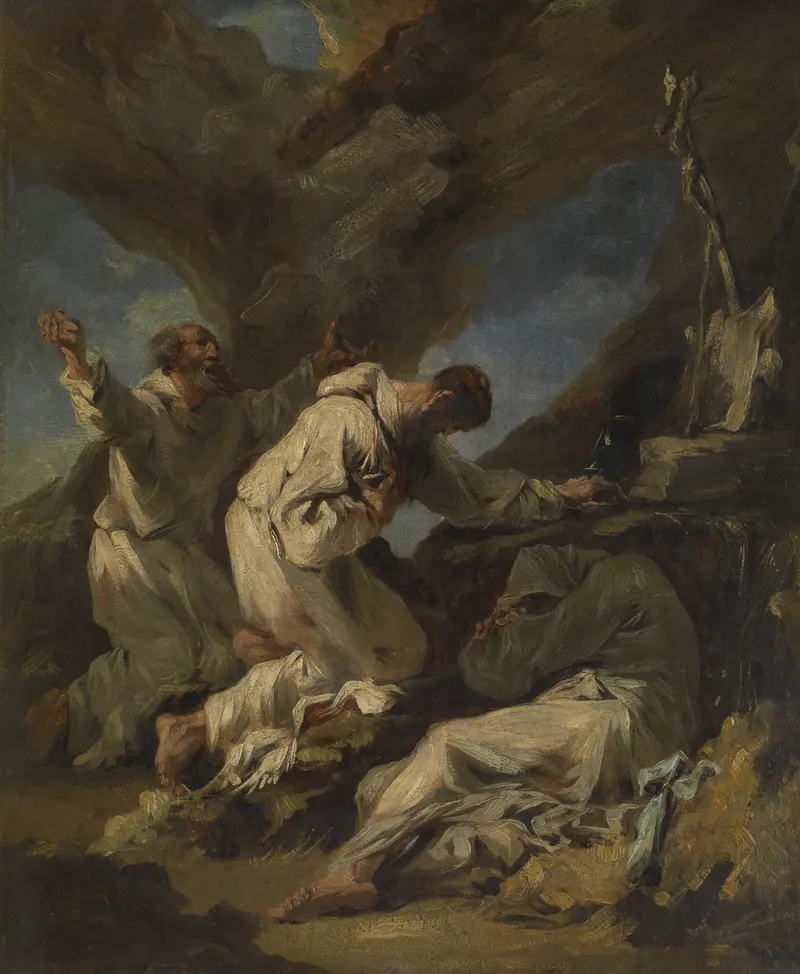
Praying Monks
Alessandro Magnasco
Torture Scene
Alessandro Magnasco
The Triumph of Venus
Alessandro Magnasco
The Shipwreck
Alessandro Magnasco
Garden Party in Albaro
Alessandro Magnasco
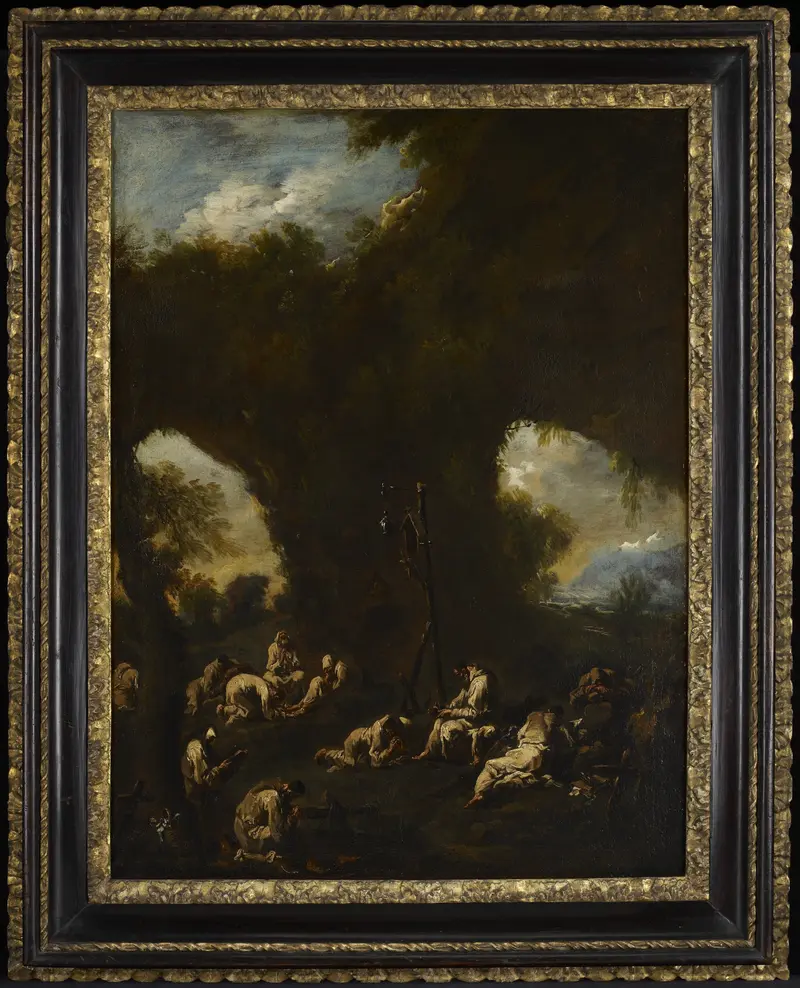
Monks Praying in a Grotto
Alessandro Magnasco



