
Torture Scene — History & Facts
What first seizes the eye in Torture Scene by Alessandro Magnasco is the chilling sense of movement and chaos, as if the walls themselves are straining to contain the suffering and disorder within. Your gaze is drawn to the figure suspended from the ceiling, limbs bound and body twisted, the focal point of a grim spectacle. Around him, clusters of men huddle in shadowy corners, some intent on their grim work, others slumped in exhaustion or despair.
The light, harsh and artificial, falls directly on the central table and the suspended victim, making the rest of the chamber recede into gloom. The palette is muddy, dominated by ochres and browns, which heightens the oppressive mood and the sense of a world closed off from mercy or daylight. Works like this emerged in early eighteenth-century Italy, when artists such as Magnasco became known for their disturbing visions of prisons, asylums, and scenes of social marginalization. Rather than the grand religious or mythological subjects of earlier Baroque painting, these images dwell on the realities of institutional cruelty, perhaps reflecting a growing unease with the machinery of justice and power.
Magnasco’s scenes are not simply records of violence, but theatrical spaces where the viewer is forced to confront the spectacle of suffering. Now in the Museum of Fine Arts, Budapest, this painting stands as a rare survivor of a genre that unsettled its own time—and still compels us to look, and look again, at the dark corners of human society.
More Artworks by Alessandro Magnasco

The Synagogue
Alessandro Magnasco
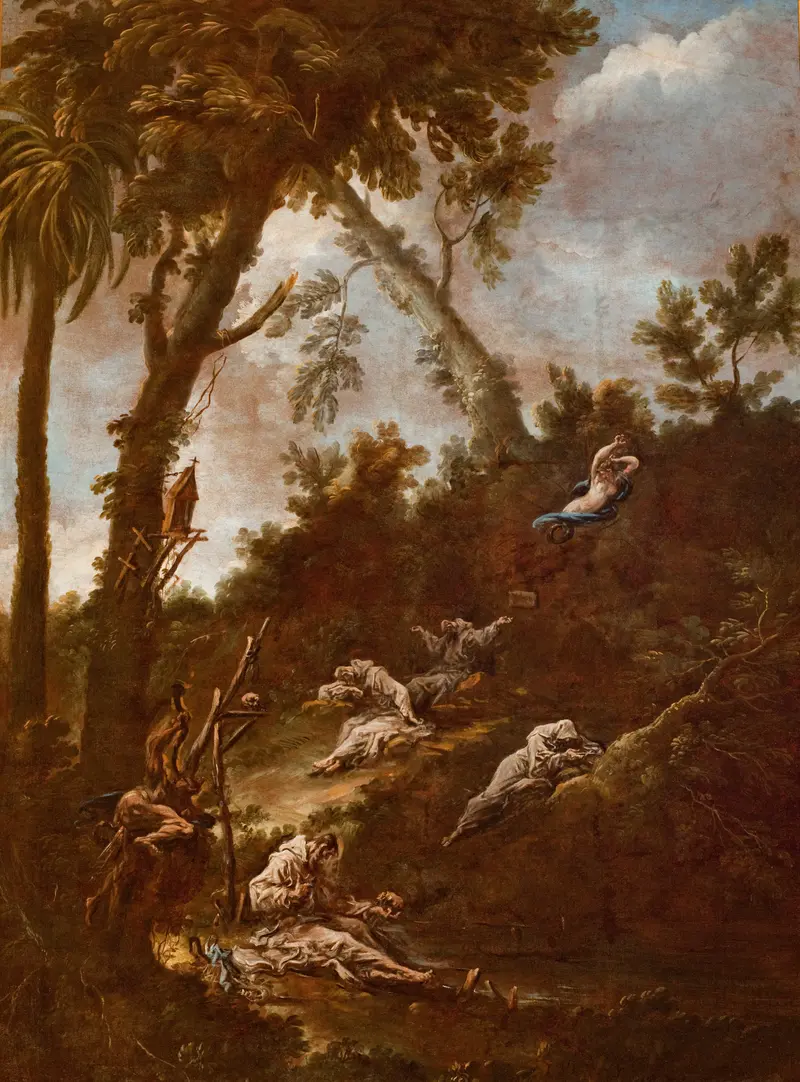
Hermits (Anachorets)
Alessandro Magnasco
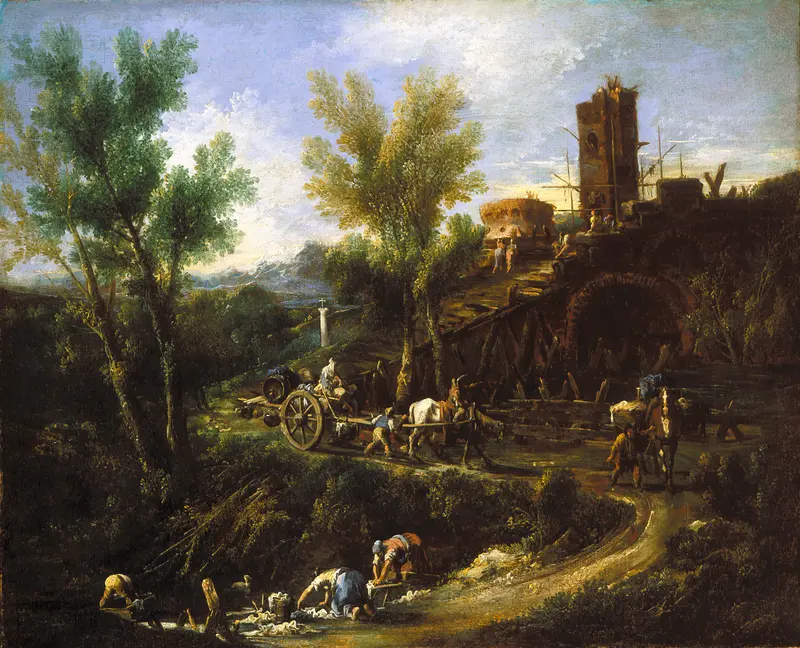
Landscape with Gypsies and Washerwomen
Alessandro Magnasco
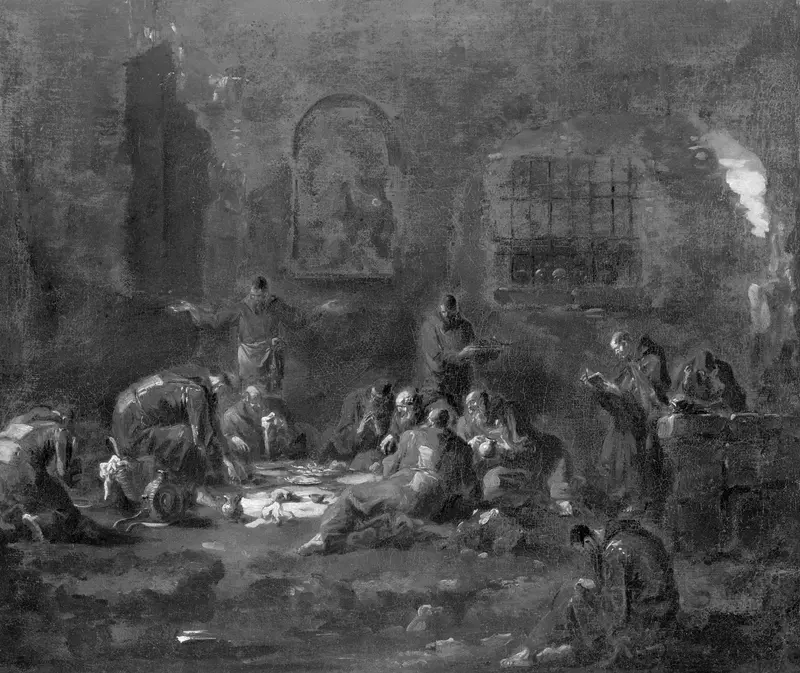
Monks at Supper
Alessandro Magnasco
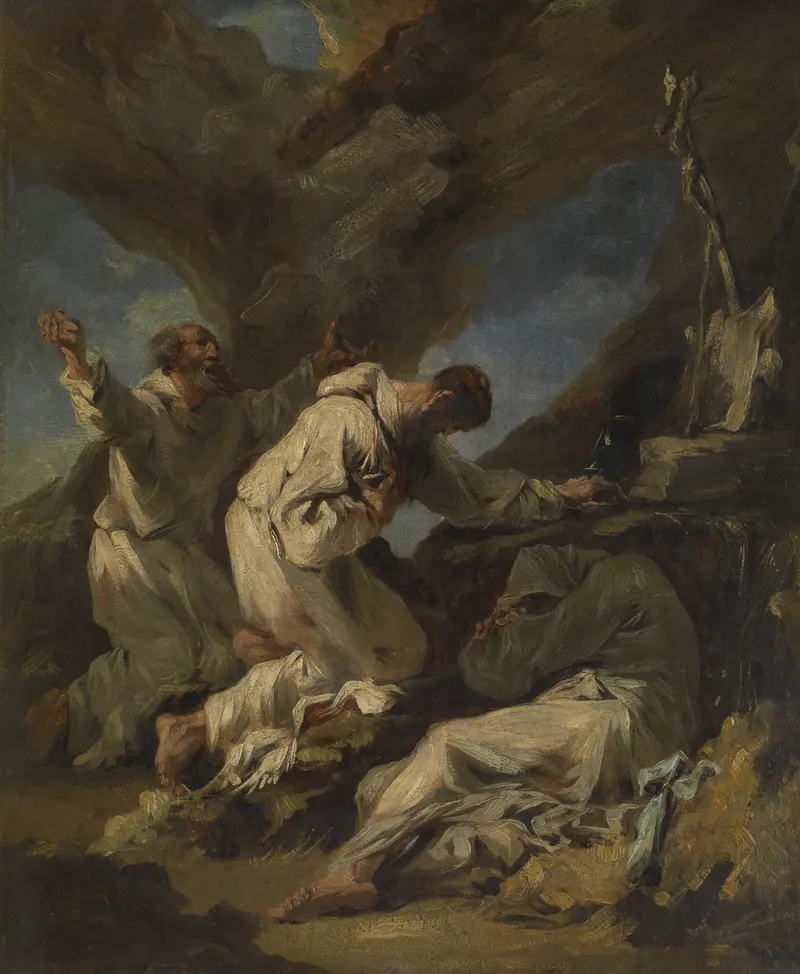
Praying Monks
Alessandro Magnasco
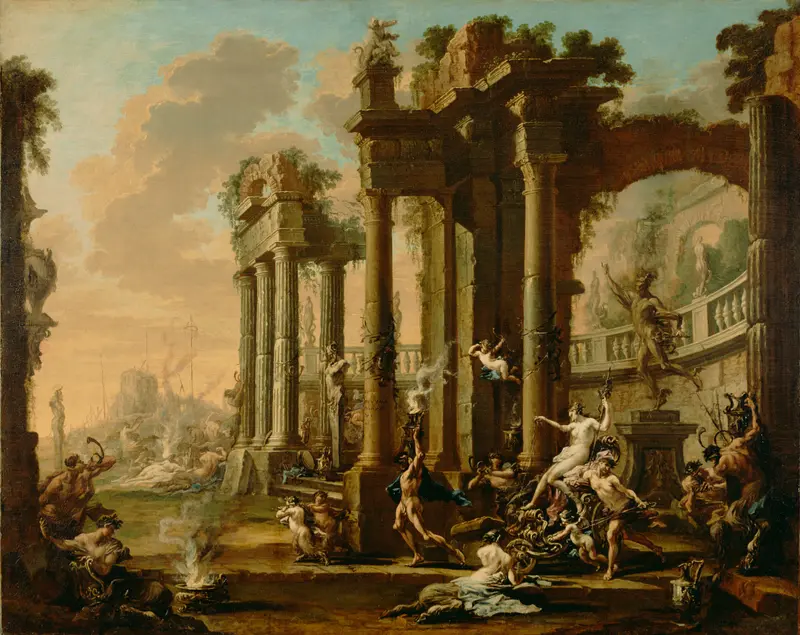
The Triumph of Venus
Alessandro Magnasco
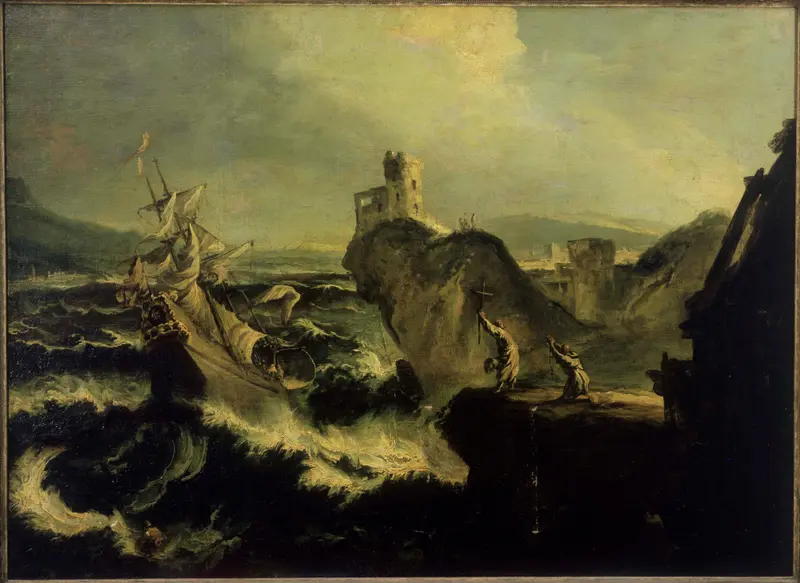
The Shipwreck
Alessandro Magnasco
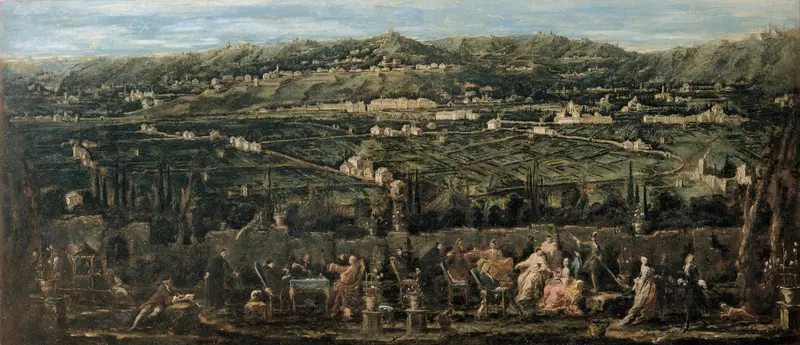
Garden Party in Albaro
Alessandro Magnasco
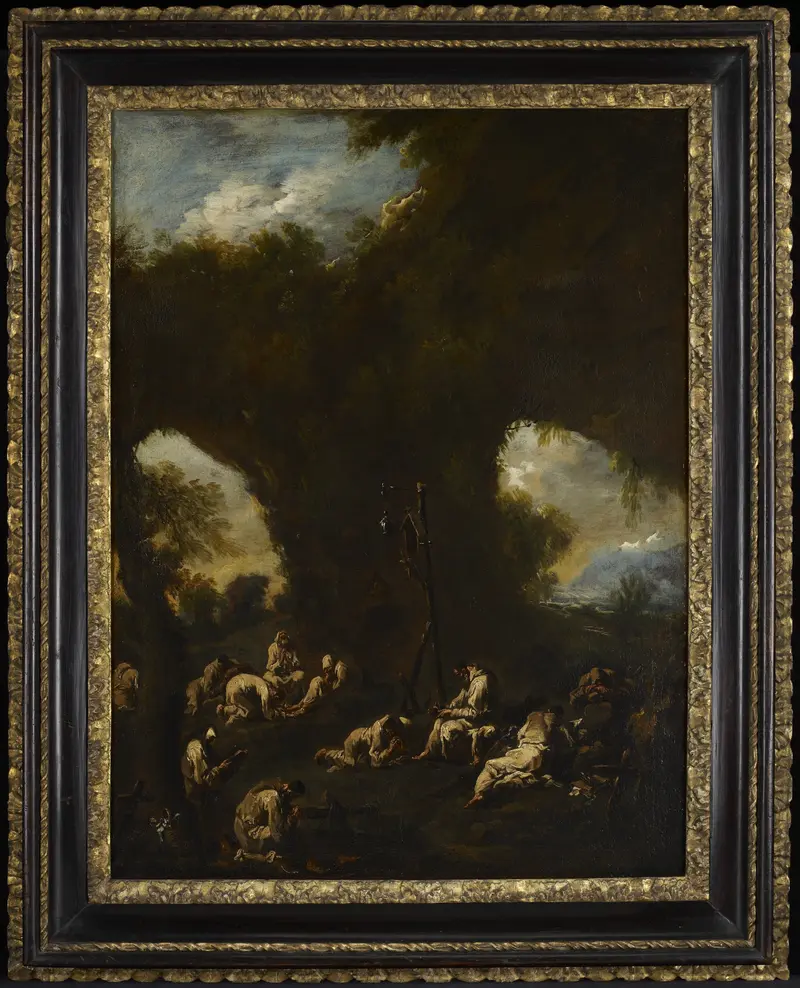
Monks Praying in a Grotto
Alessandro Magnasco
Saint Jerome in a Landscape
Alessandro Magnasco



