
Garden Party in Albaro — History & Facts
What first catches the eye in Garden Party in Albaro is the sense of distance—both literal and social. The foreground is alive with elegantly dressed figures, their gestures animated as they gather in small knots around tables and garden ornaments, but the true drama unfolds in the sweep of the land behind them. The painter leads us from the shaded revelry of the terrace out across a patchwork of fields and villas, every path and cypress guiding the gaze up to the sunlit hills and the clustered buildings of distant Albaro.
The palette is earthy and subdued, the brushwork lively, as if the entire scene is flickering on the edge of memory. Here, the garden party is not just a setting but a vantage point, a stage from which to contemplate the vastness of cultivated land and the society that inhabits it. Painted around 1740, this work belongs to a world in which landscape and leisure were both a privilege and a performance. In eighteenth-century Italy, gatherings such as this—whether real or imagined—were the preserve of the elite, their pleasures and pastimes immortalized for a clientele eager to see themselves reflected in art.
Alessandro Magnasco, known for his restless, expressive style, often infused his scenes with a sense of movement and social observation that set him apart from his contemporaries. Though little is recorded about the specific history of this painting, its presence in the Google Arts & Culture collection today invites us to linger over the details: the interplay of figures, the geometry of gardens, the way the horizon stretches possibility. The longer one looks, the more the party and the landscape seem to merge—each a mirror of the other’s fleeting joys.
More Artworks by Alessandro Magnasco

The Synagogue
Alessandro Magnasco
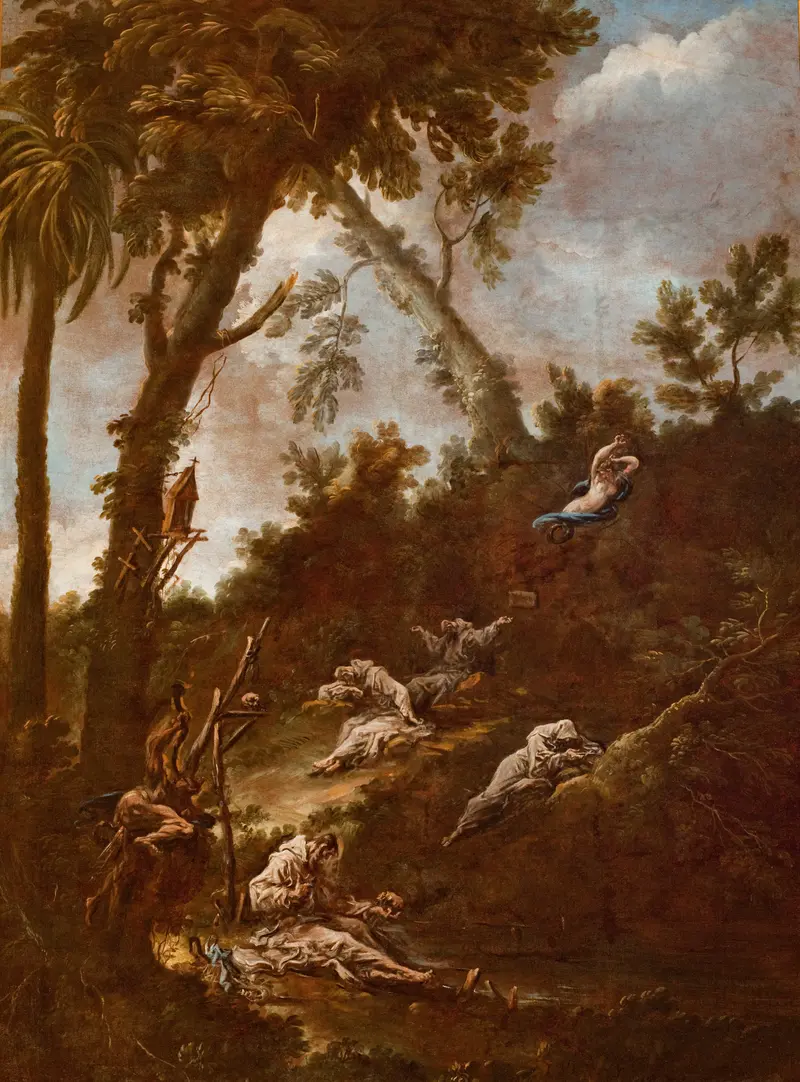
Hermits (Anachorets)
Alessandro Magnasco
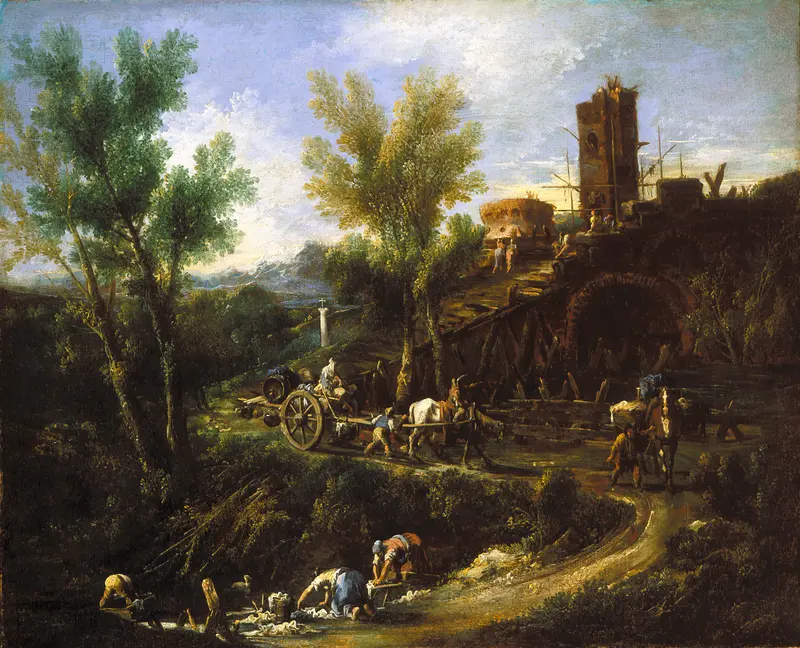
Landscape with Gypsies and Washerwomen
Alessandro Magnasco
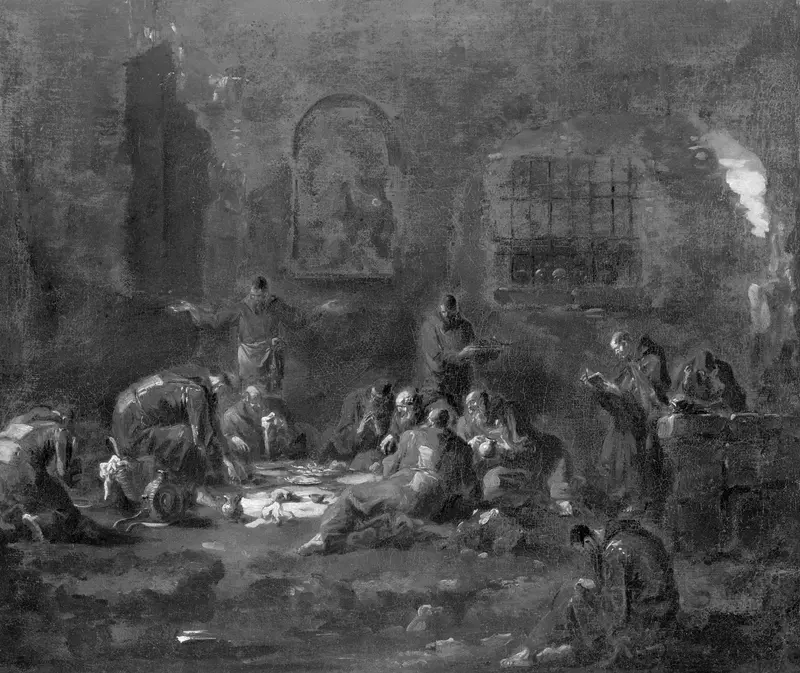
Monks at Supper
Alessandro Magnasco
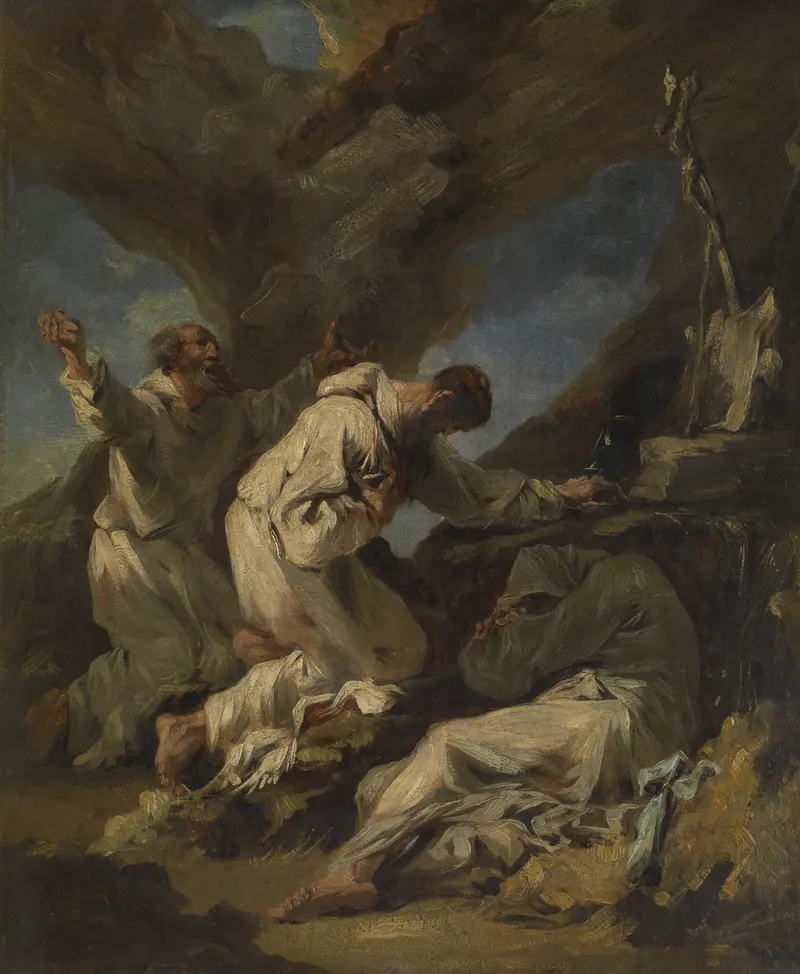
Praying Monks
Alessandro Magnasco
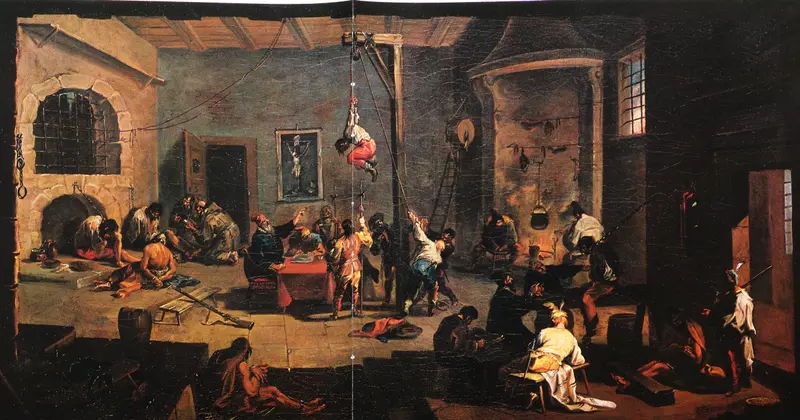
Torture Scene
Alessandro Magnasco
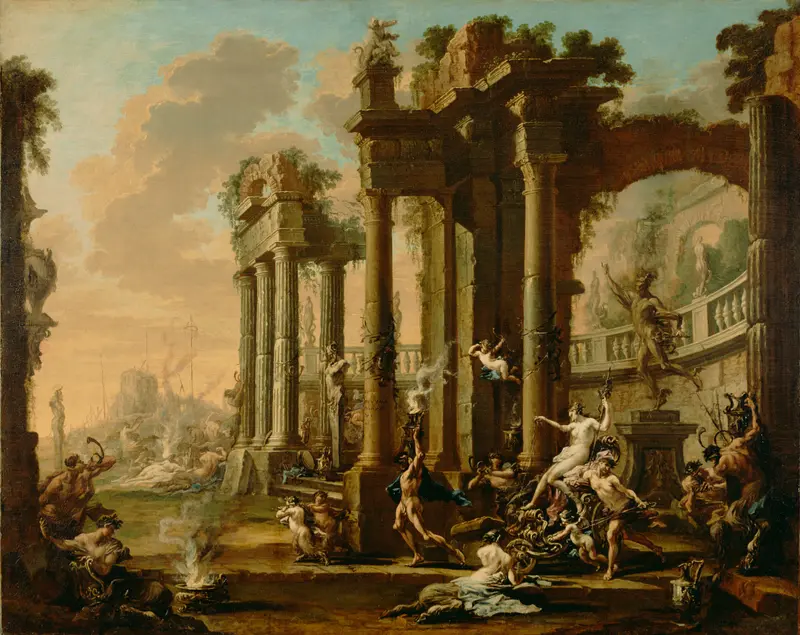
The Triumph of Venus
Alessandro Magnasco
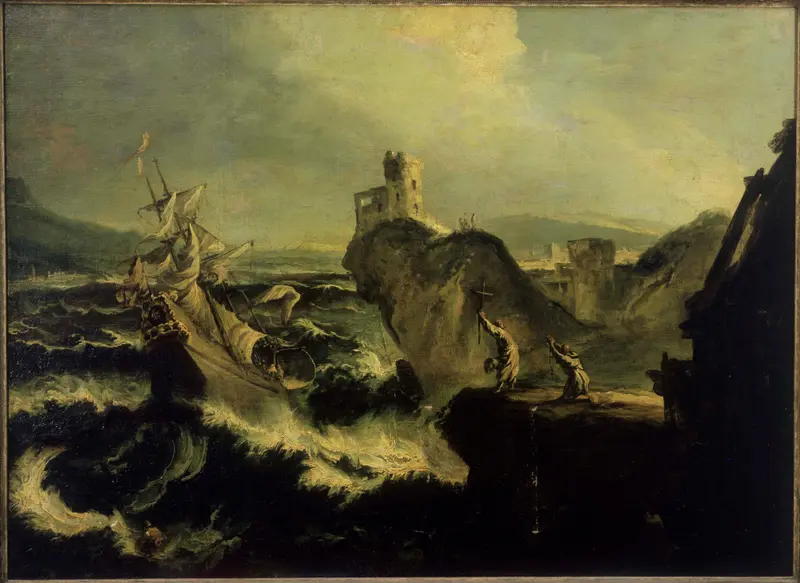
The Shipwreck
Alessandro Magnasco
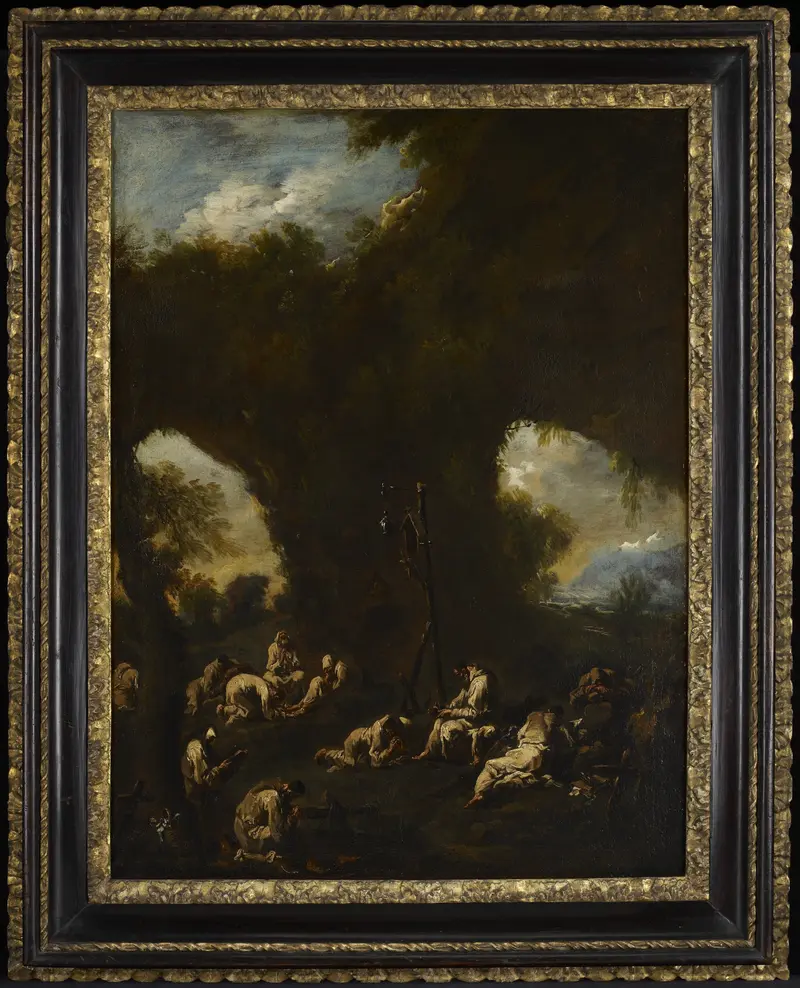
Monks Praying in a Grotto
Alessandro Magnasco
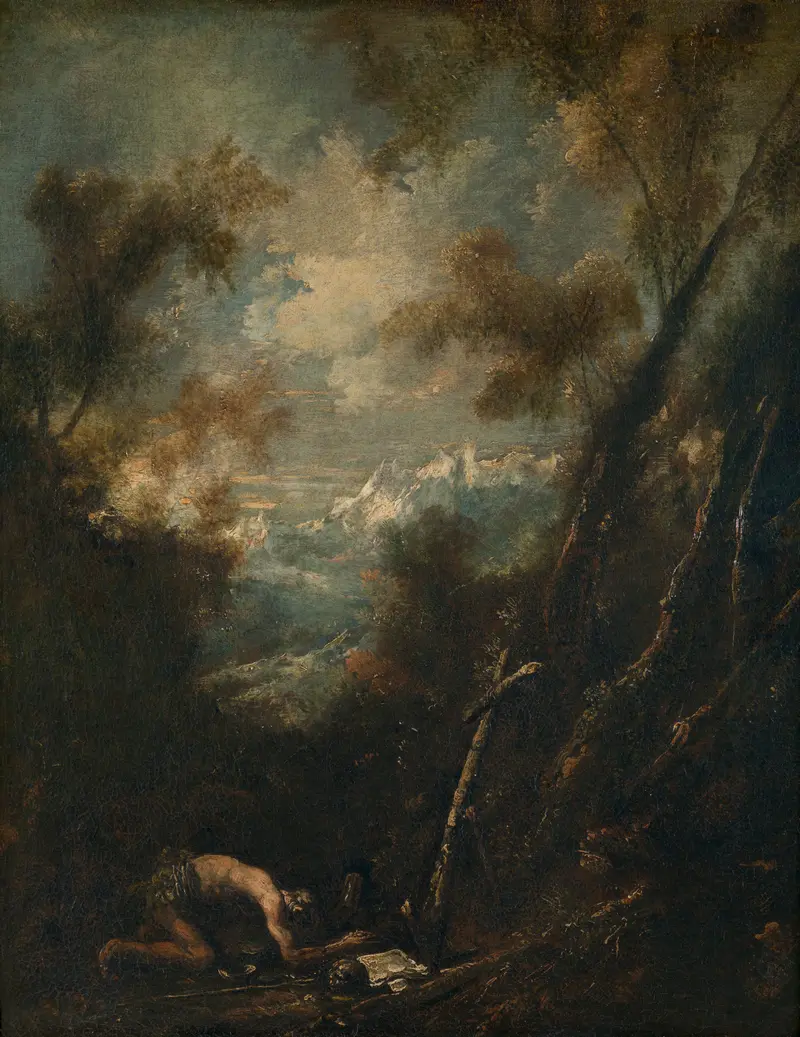
Saint Jerome in a Landscape
Alessandro Magnasco
More Landscape Art

The Starry Night
Vincent van Gogh

View of Delft
Johannes Vermeer

Water Lilies
Claude Monet

The Grand Canal, Venice, looking north-west from the Ca' Corner to the Ca' Contarini degli Scrigni, with the campanile of Santa Maria della Carità
Canaletto

Windsor Castle
Canaletto

The Grand Canal looking North-East from the Palazzo Dolfin-Manin to the Rialto Bridge
Canaletto