
The Shipwreck — History & Facts
A ship pitches violently in the churning sea, its sails torn and crew clinging to hope as the vessel is driven toward jagged rocks. The eye is first caught by the wild, almost theatrical sweep of the waves, rendered in streaks of pale foam and shadow, and then by the desperate gestures of the figures on shore—monks or friars, arms raised in prayer, one holding a cross aloft as if to ward off disaster or summon divine mercy. The ruined tower on the promontory stands as a silent witness, its battered silhouette echoing the ship’s own struggle against the elements.
Light breaks through the clouds, illuminating the chaos below with a sickly, yellow-green cast, heightening the sense of peril and urgency. Every brushstroke seems to vibrate with energy, guiding the viewer from the doomed ship to the supplicants on land, and finally to the distant, indifferent landscape beyond. Works like The Shipwreck by Alessandro Magnasco belong to a world in which the sea was both a highway and a hazard, and shipwrecks were a familiar terror for merchants, pilgrims, and sailors alike. In the late Baroque era, artists often painted such scenes not only for their drama but as meditations on fate, faith, and the limits of human power.
Magnasco, known for his restless, almost nervous brushwork and his taste for the dramatic, brings a psychological charge to the genre that sets him apart from his contemporaries. The unknown date and obscure provenance of this painting—documented only in the collection 3gFVkYUS421b0g at the Google Cultural Institute—add to its air of mystery. History has kept few traces of this particular canvas, but its energy and sense of crisis invite us to linger, searching for meaning in the storm.
More Artworks by Alessandro Magnasco

The Synagogue
Alessandro Magnasco
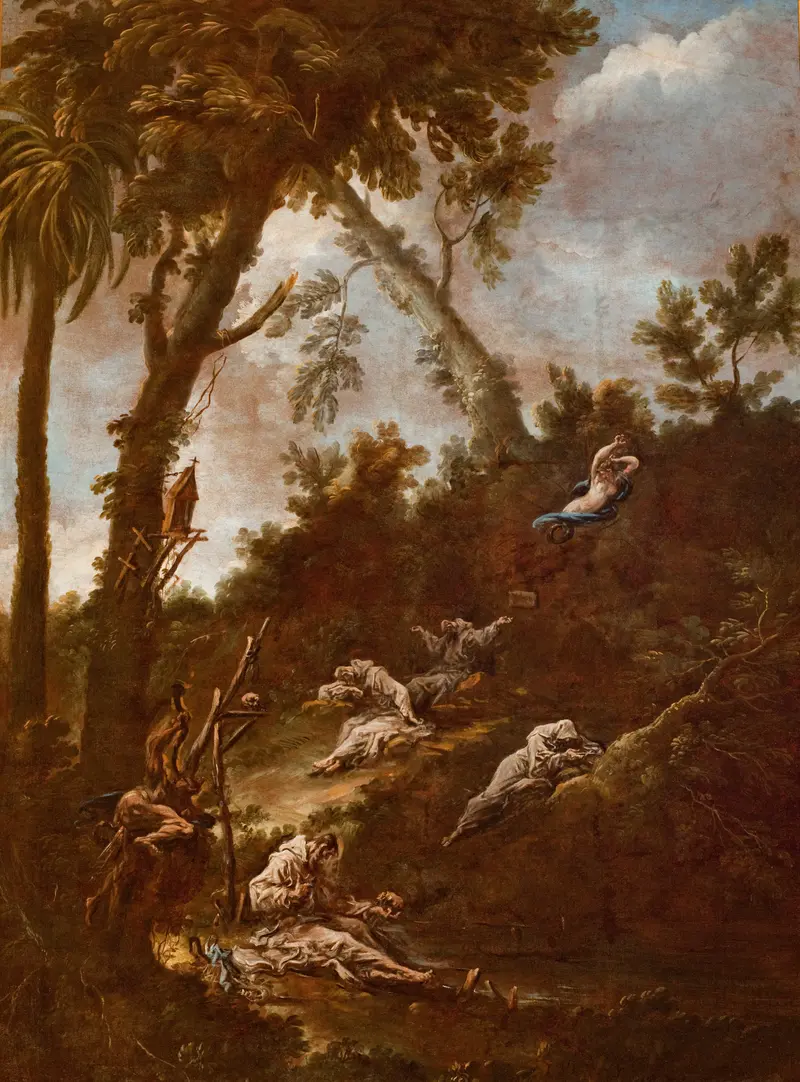
Hermits (Anachorets)
Alessandro Magnasco
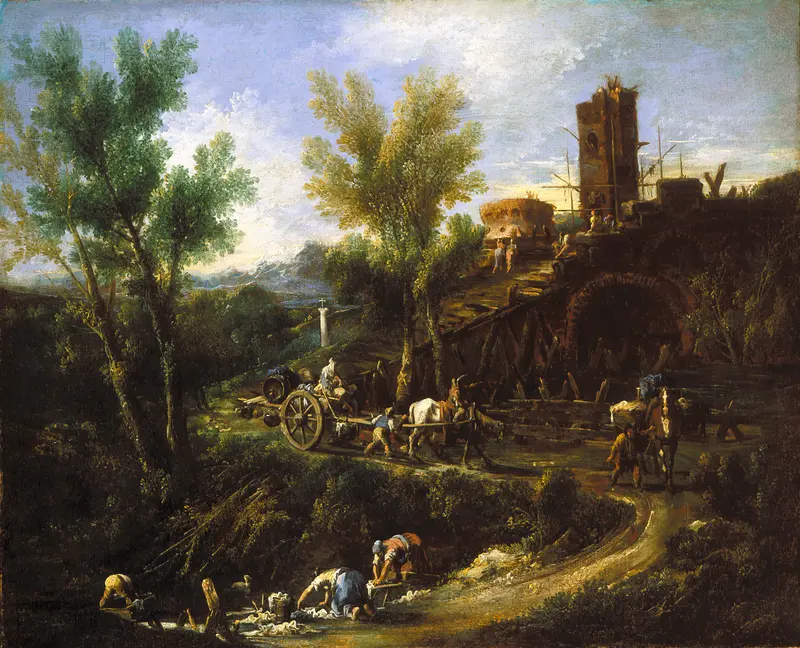
Landscape with Gypsies and Washerwomen
Alessandro Magnasco
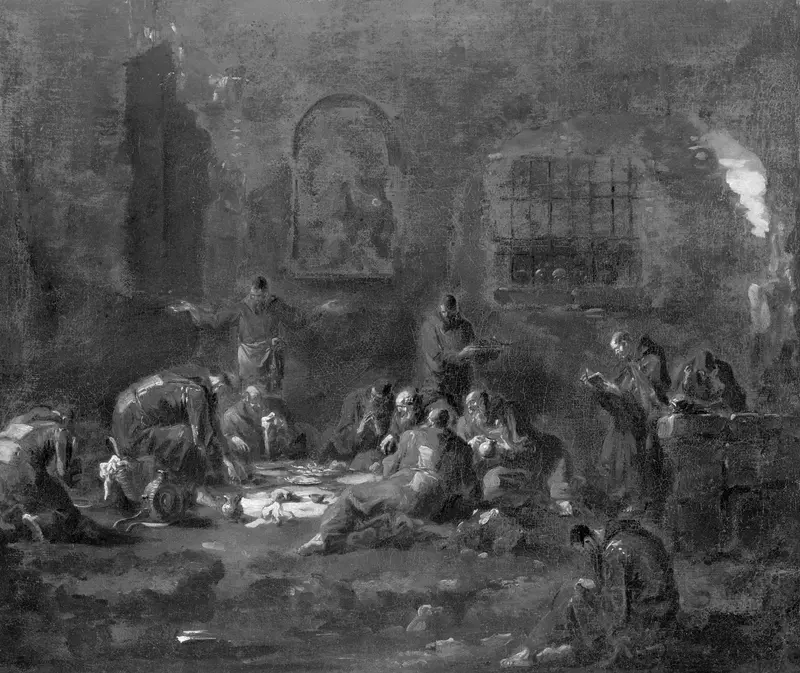
Monks at Supper
Alessandro Magnasco
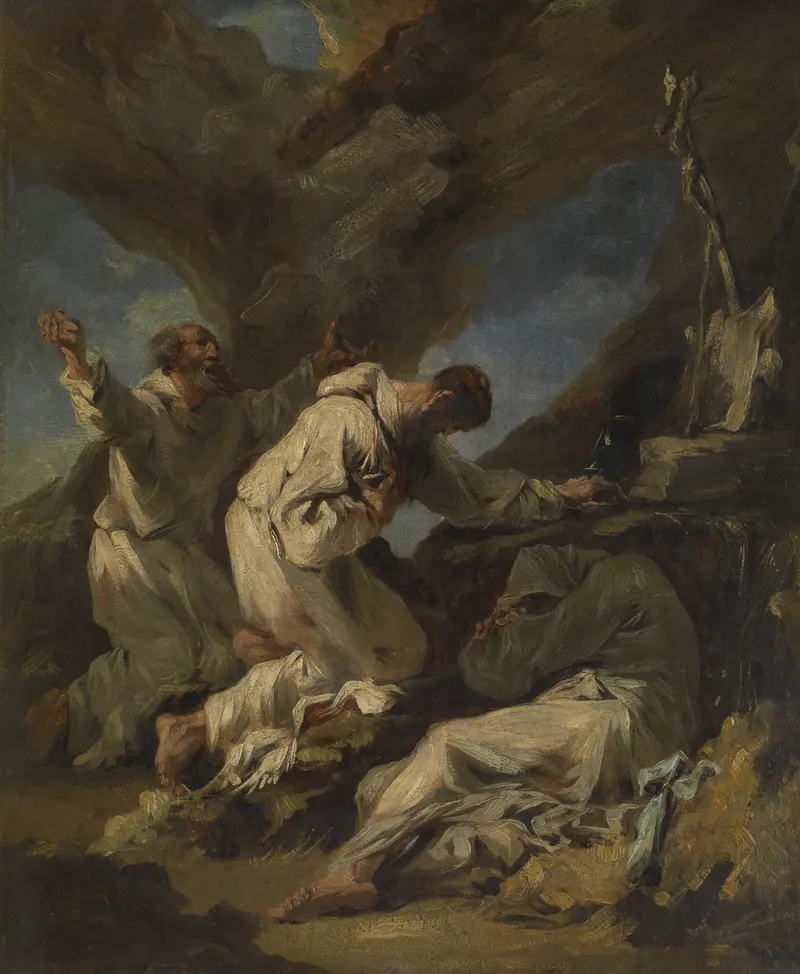
Praying Monks
Alessandro Magnasco
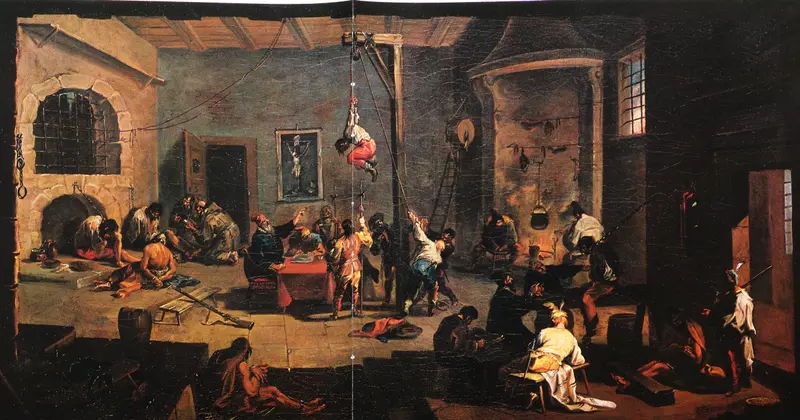
Torture Scene
Alessandro Magnasco
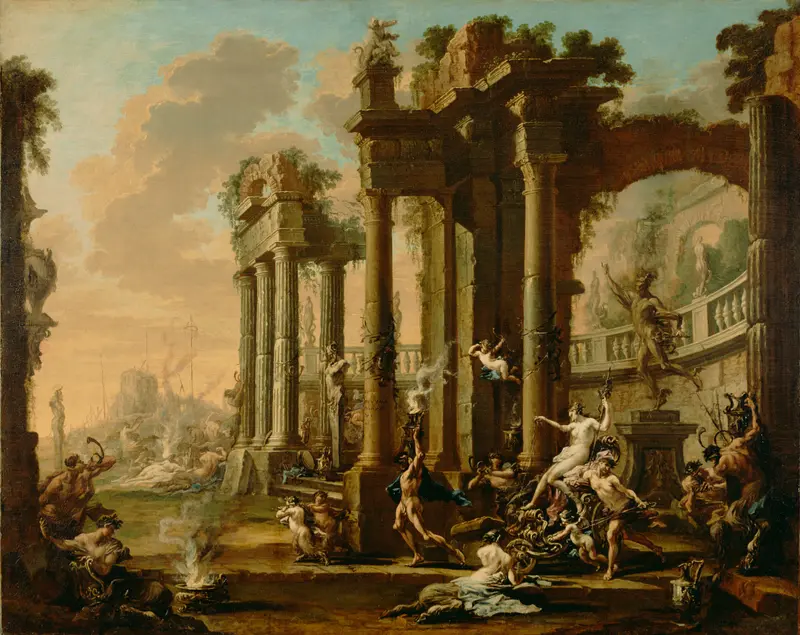
The Triumph of Venus
Alessandro Magnasco
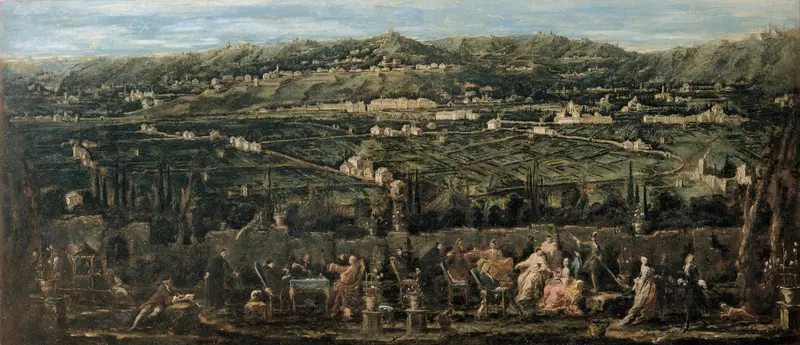
Garden Party in Albaro
Alessandro Magnasco
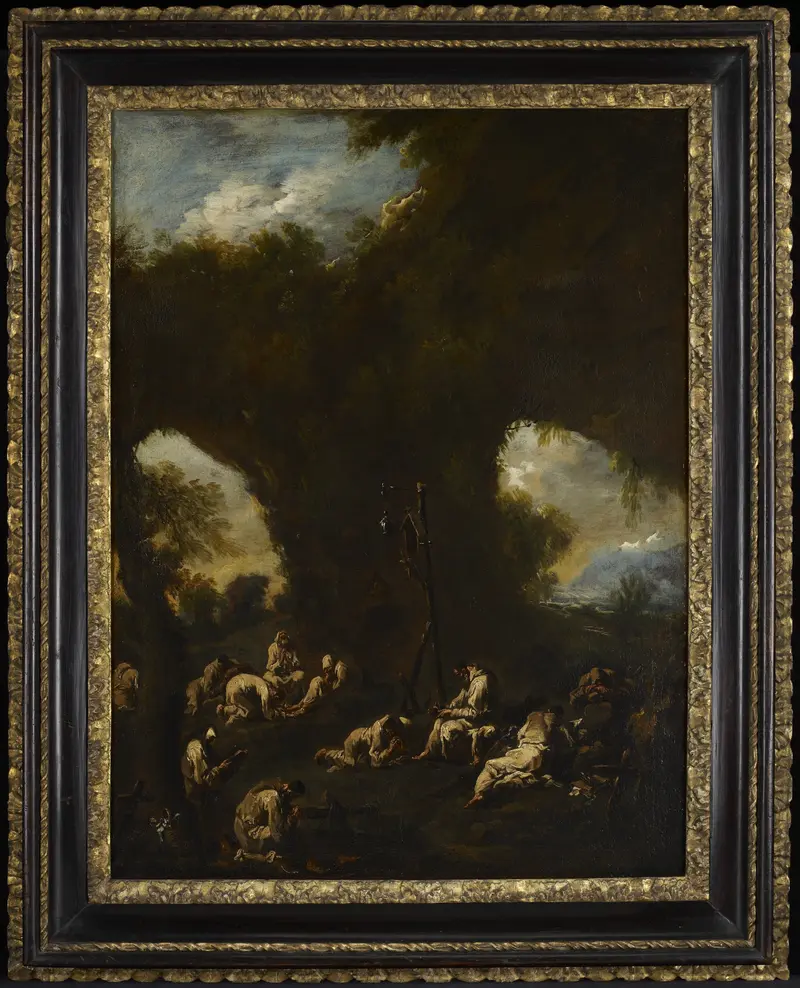
Monks Praying in a Grotto
Alessandro Magnasco
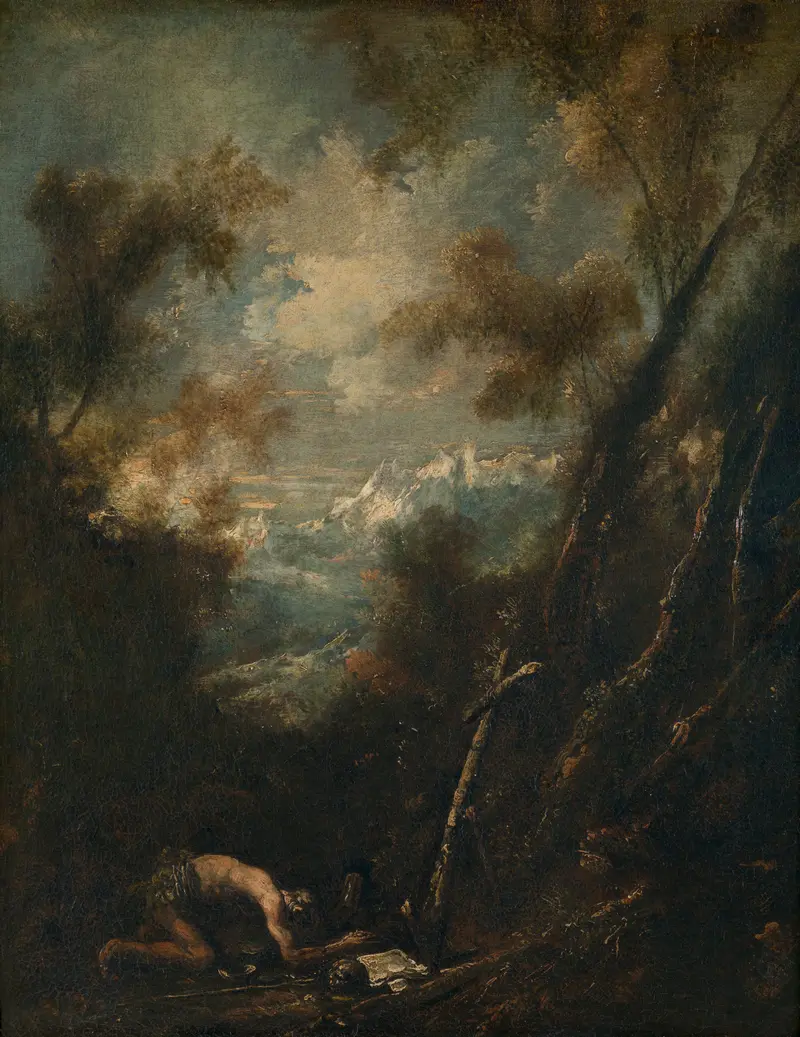
Saint Jerome in a Landscape
Alessandro Magnasco





