
Buste de jeune fille (Mademoiselle Marthe) by Amedio Modigliani, c. 1916-1917, oil on canvas - Matsuoka Museum of Art - Tokyo, Japan - DSC0 — History & Facts
Few portraits are as instantly recognizable as those by Amedeo Modigliani, with their elongated necks and almond eyes, but Buste de jeune fille (Mademoiselle Marthe) is especially intriguing because the identity of its sitter, Marthe, remains uncertain. Some scholars suggest she may have been Marthe Lebasque, daughter of the painter Henri Lebasque, who was part of Modigliani’s Montparnasse circle in Paris around 1916. Others see in her the features of several young women who posed for Modigliani during this period, when he was at the height of his creative powers and personal turmoil.
The painting stands as a testament to a feverish year in the artist’s life, when he produced a remarkable series of portraits that would later define his legacy. The young woman sits upright, her gaze slightly averted, lips gently closed, as if caught in a moment of private thought. Modigliani’s signature style is clear: the swan-like neck, the mask-like face, and the simplified, almost sculptural lines that recall his early training in sculpture. The muted, warm palette and the absence of background detail focus all attention on the sitter’s enigmatic presence.
Unlike the psychological probing of a Picasso portrait, Modigliani’s approach is more reserved, inviting the viewer to wonder about the sitter’s inner life rather than revealing it. The elongated forms, inspired in part by African masks and Italian Renaissance art, transform the sitter into an archetype rather than an individual. Buste de jeune fille (Mademoiselle Marthe) was painted during Modigliani’s most productive years in Paris, a time marked by poverty, illness, and artistic camaraderie. The painting’s journey from the artist’s studio to the Matsuoka Museum of Art in Tokyo reflects the global fascination with Modigliani’s work, which only truly blossomed after his untimely death in 1920.
Like many of his portraits, this canvas was likely sold through the dealer Léopold Zborowski, who supported Modigliani during his final years. Today, it hangs far from the bohemian streets of Montparnasse, a quiet witness to the enduring allure and mystery of Modigliani’s vision.
More Artworks by Amedeo Modigliani
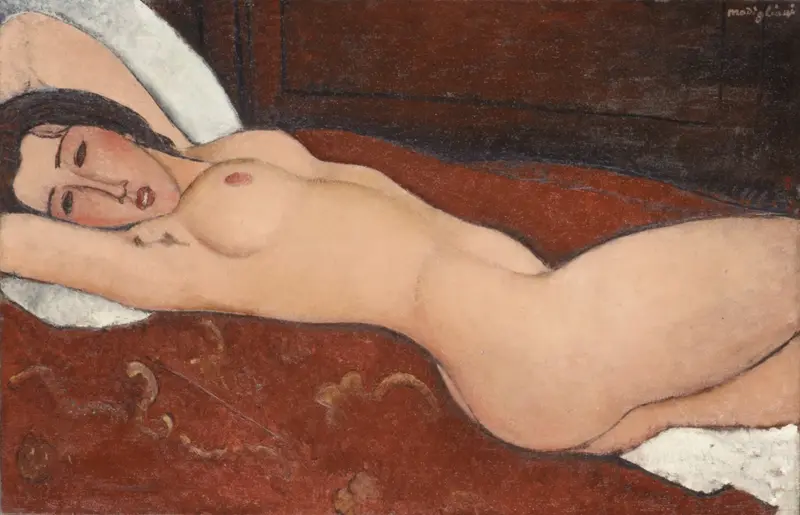
Reclining Nude
Amedeo Modigliani

Portrait Of Jeanne Hébuterne
Amedeo Modigliani

Jeanne Hébuterne
Amedeo Modigliani
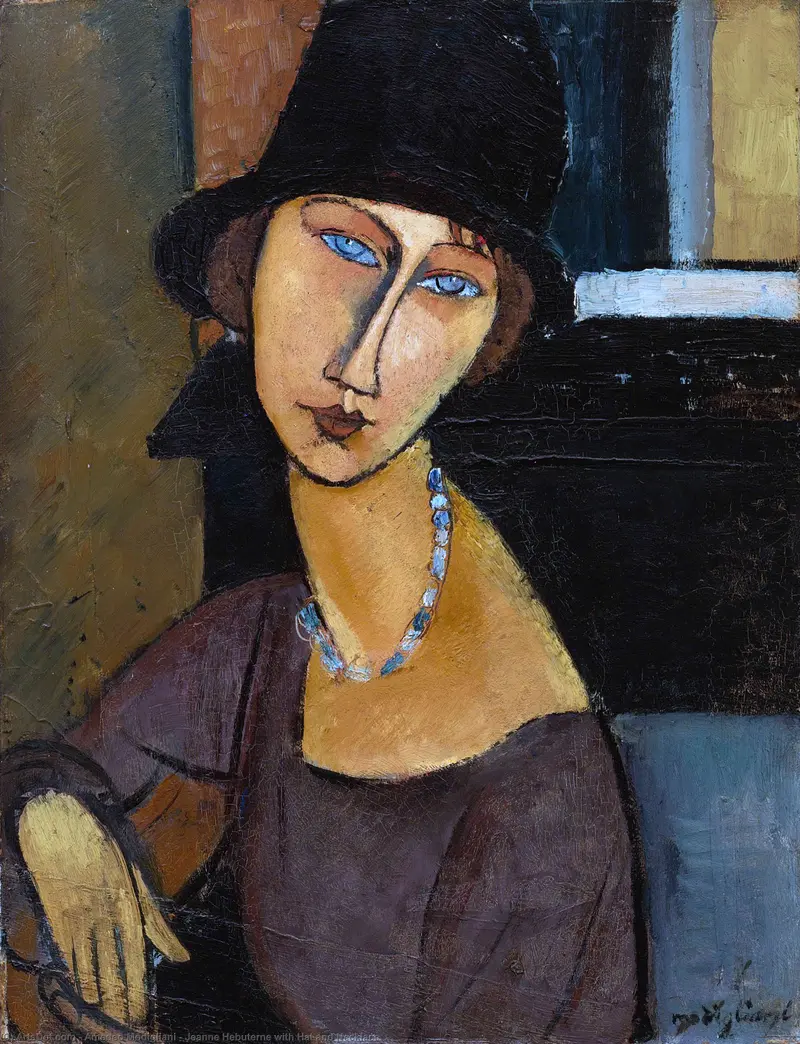
Jeanne Hébuterne with Hat and Necklace
Amedeo Modigliani
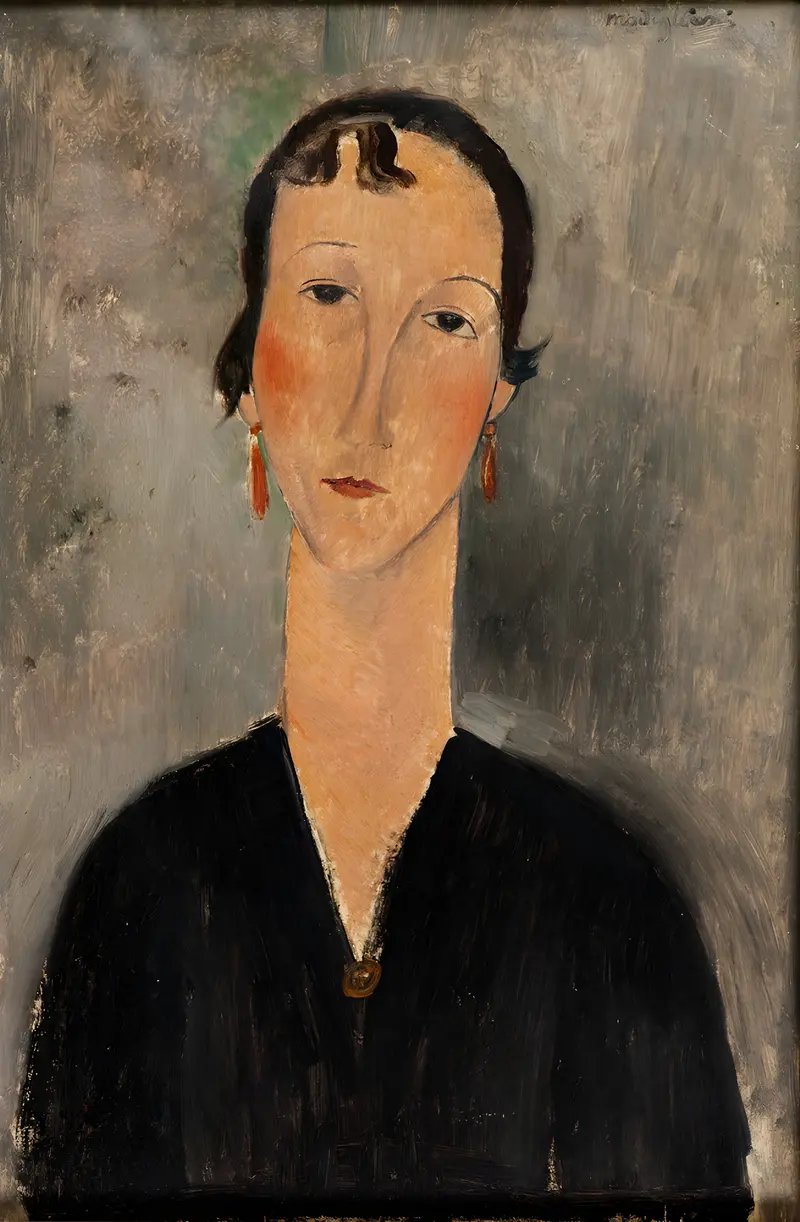
Femme aux boucles d'oreilles
Amedeo Modigliani
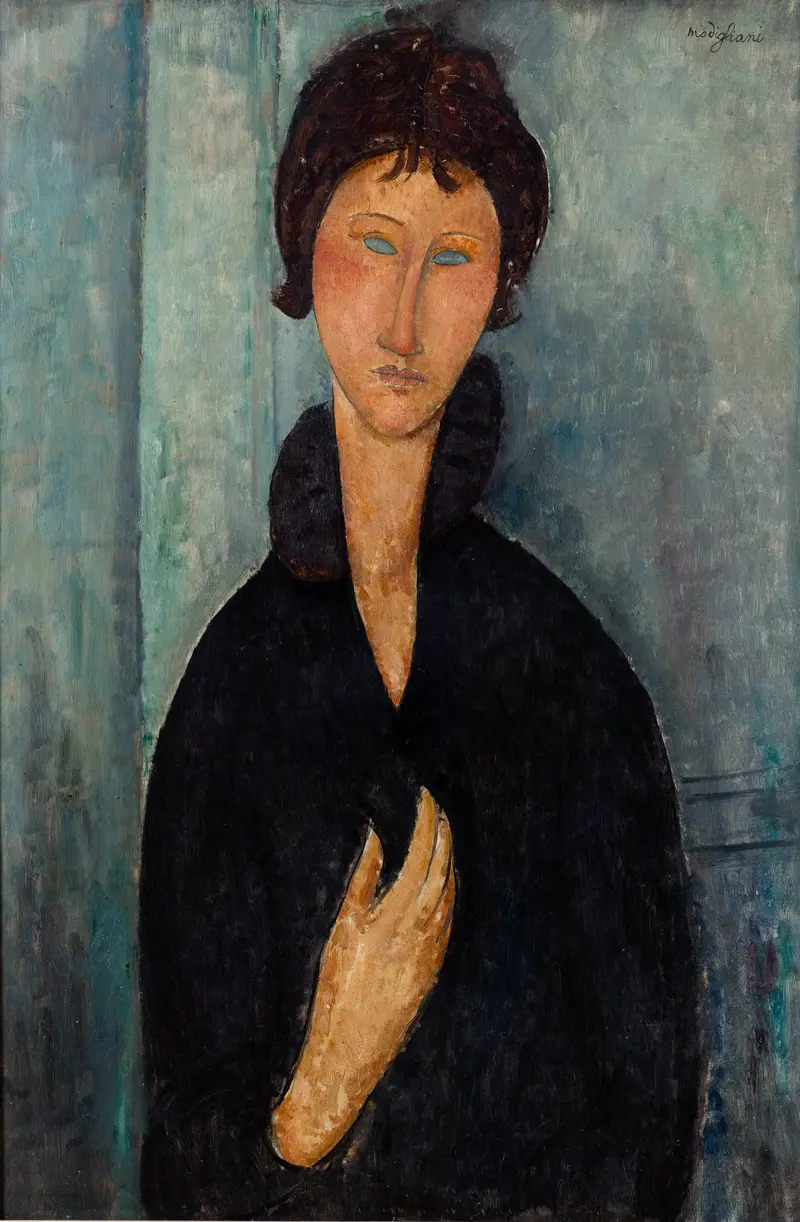
Femme aux yeux bleus
Amedeo Modigliani
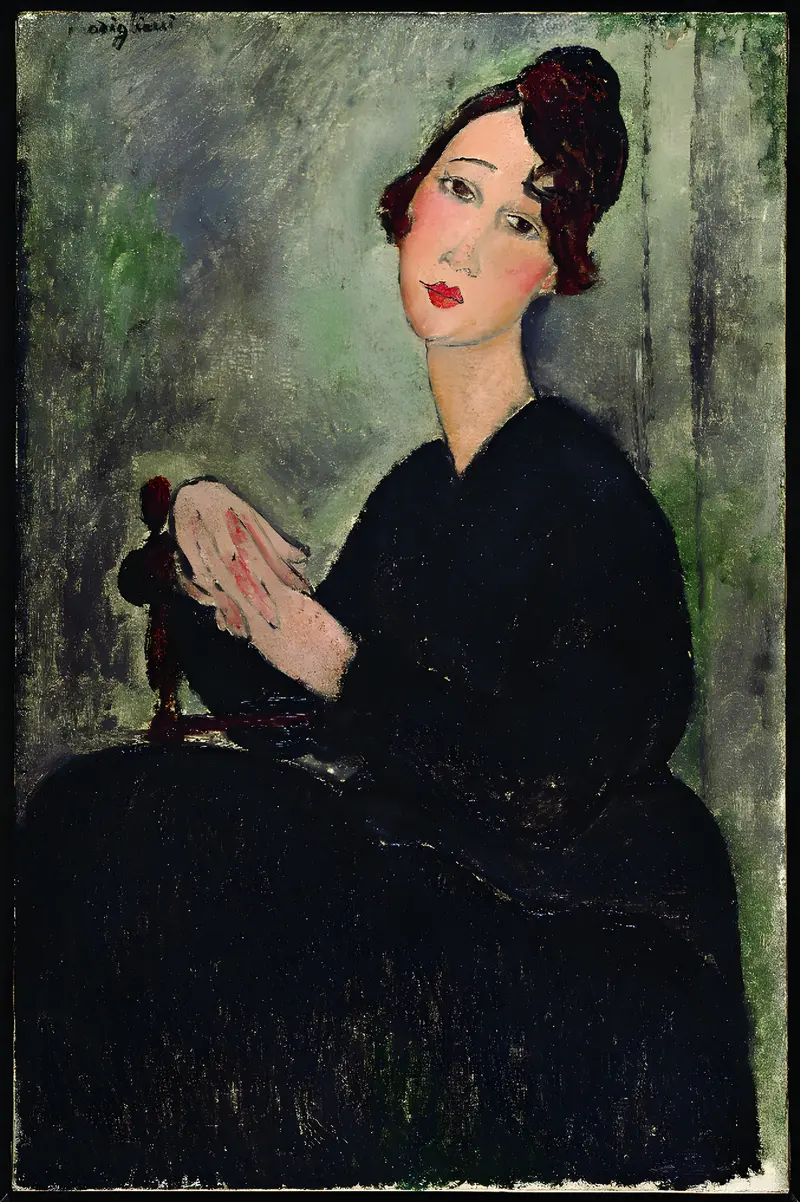
Portrait of Dedie
Amedeo Modigliani
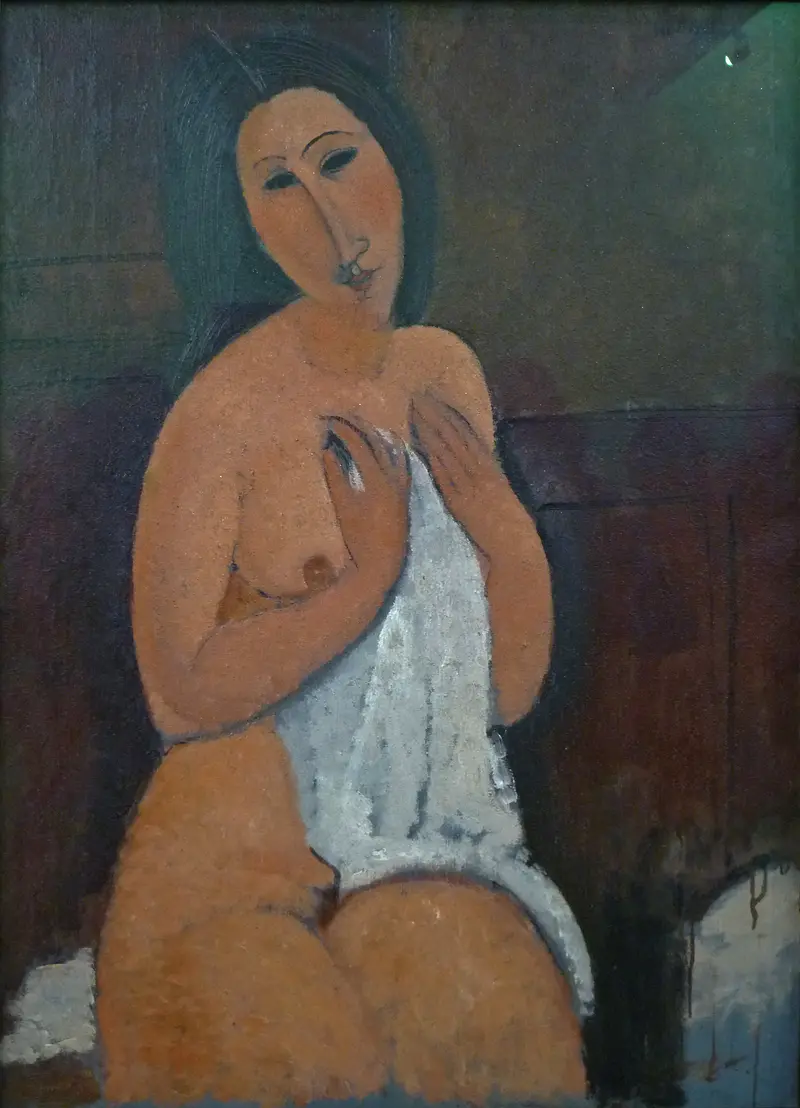
Seated nude with shirt
Amedeo Modigliani
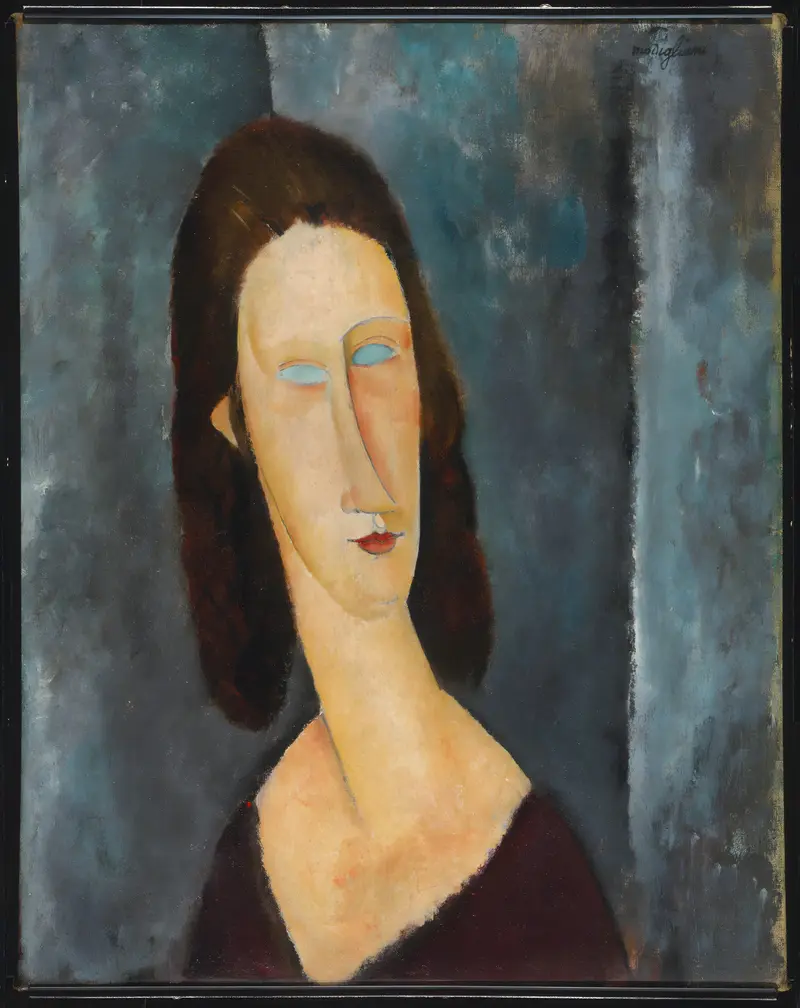
Blue Eyes (Portrait of Madame Jeanne Hébuterne)
Amedeo Modigliani
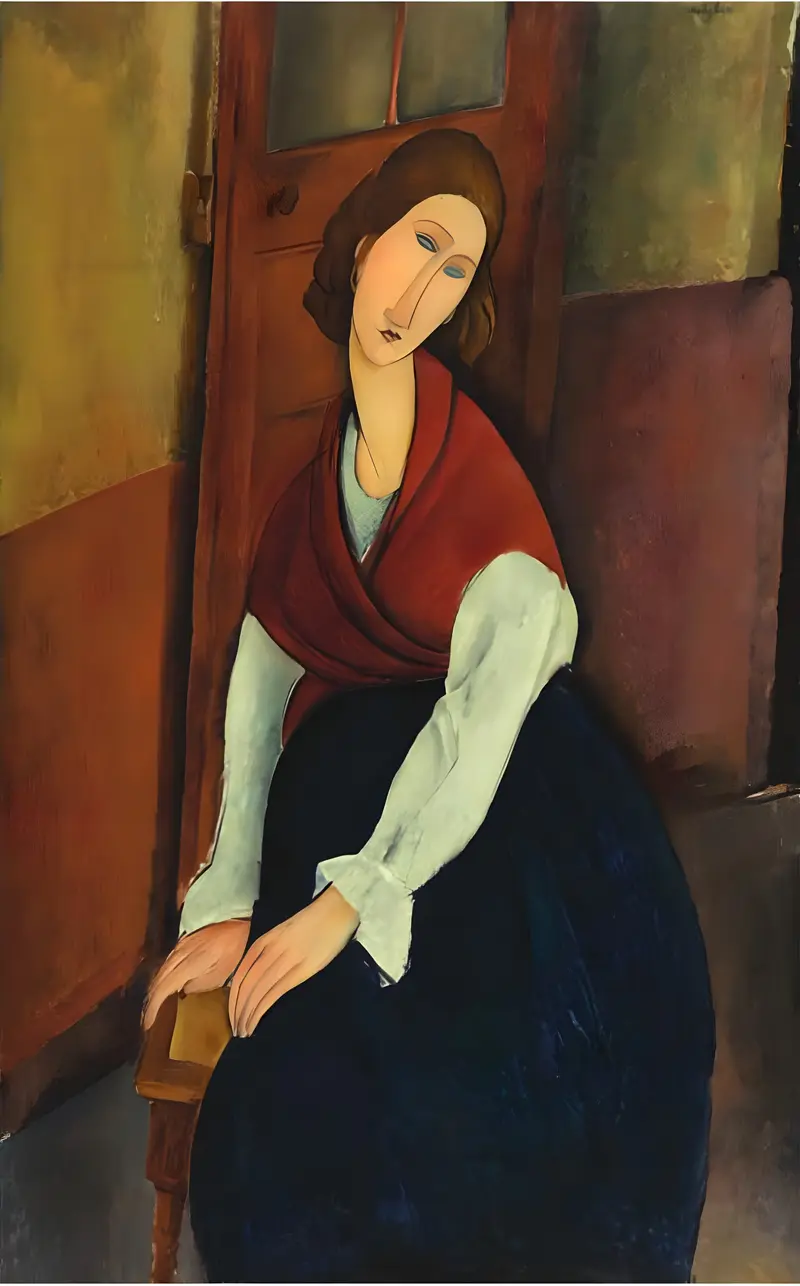
Jeanne Hebuterne in Red Shawl
Amedeo Modigliani





