
Cain slaying Abel — History & Facts
The first thing that seizes the viewer in Cain slaying Abel is the raw, almost animal force of the figures—two bodies tangled in a moment where brotherhood shatters into violence. Abraham Bloemaert chooses the instant before the fatal blow: Cain, muscles taut and face twisted with rage, raises a stone axe high above his head, while Abel recoils, his hand flung up in a desperate, futile gesture of defense. The light falls harshly on their flesh, carving out every tendon and vein, making the brutality inescapable.
The background recedes into shadow, as if the world itself shrinks away from this act, focusing all attention on the drama at its center. Painted in 1593, this work stands at the crossroads of late Renaissance and early Baroque, a time when artists across Europe were drawn to stories of human passion and divine judgment. Scenes like this—biblical, violent, and charged with emotion—were sought after by patrons eager to display both piety and taste for the latest artistic trends. Bloemaert, a Dutch master known for his versatility, here channels the muscular dynamism of Italian Mannerism, yet roots his figures in a northern earthiness.
Today, the painting resides in the National Museum in Warsaw, its history largely silent, but its impact undiminished: a reminder that, even in a world of faith, the darkest stories are sometimes the most gripping.
More Artworks by Abraham Bloemaert

Adam and Eve
Abraham Bloemaert
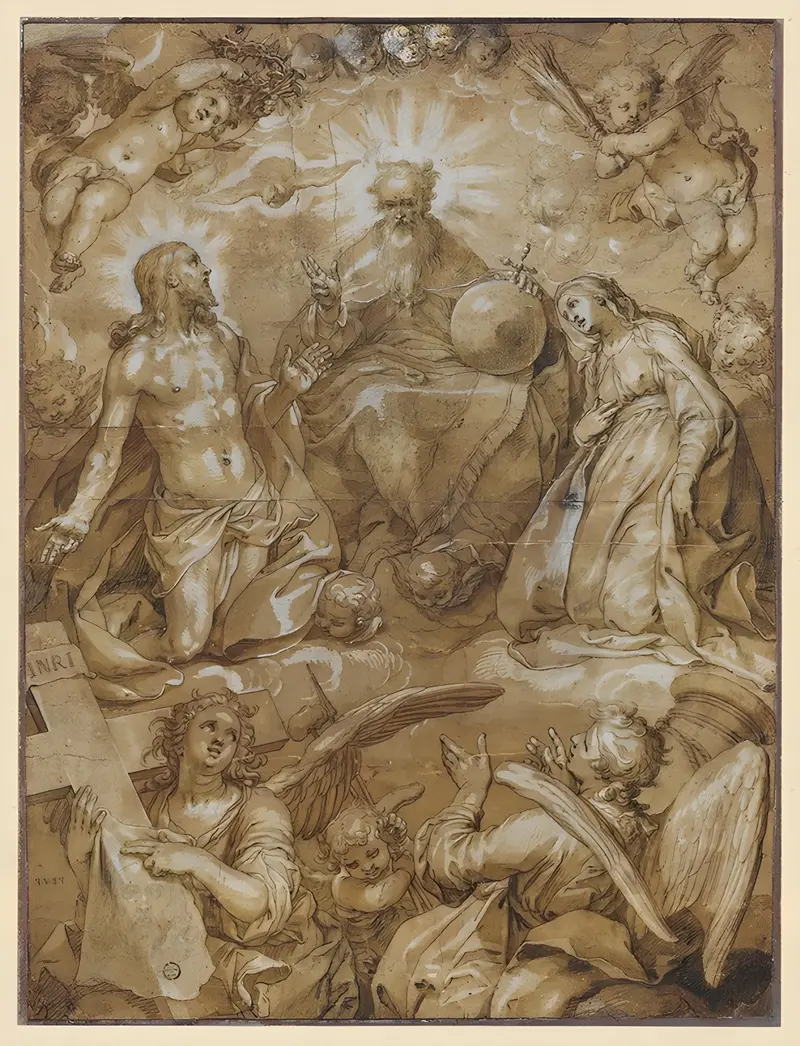
Intercession of Christ and Mary before God the Father
Abraham Bloemaert
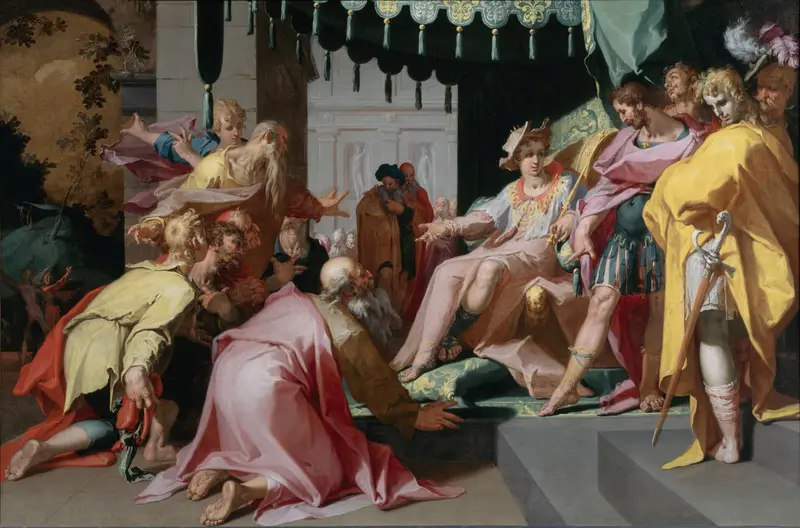
Joseph and his Brothers
Abraham Bloemaert
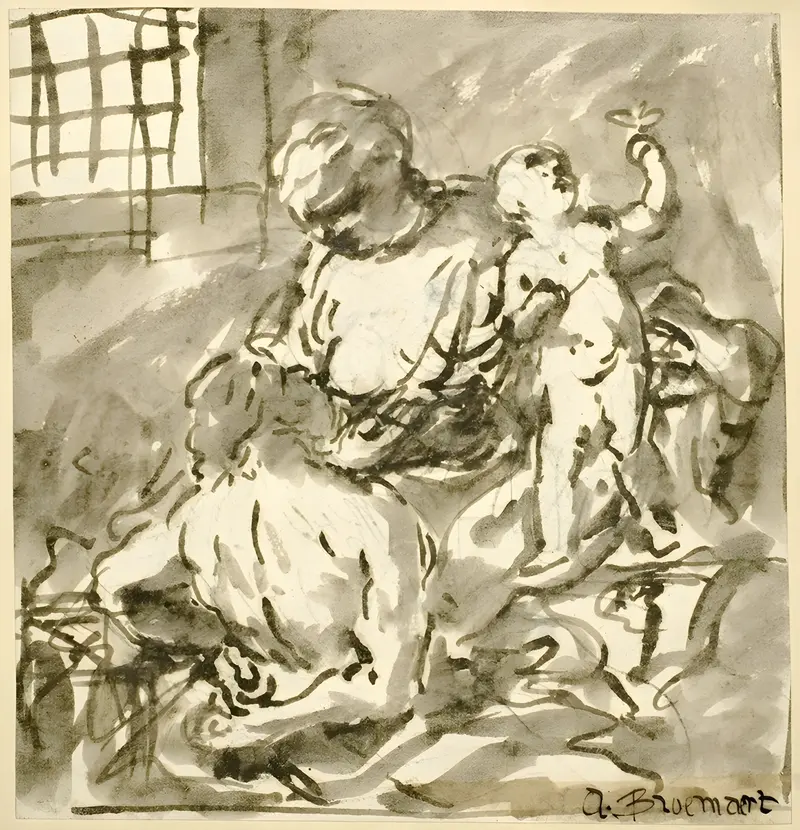
Caritas Romana
Abraham Bloemaert
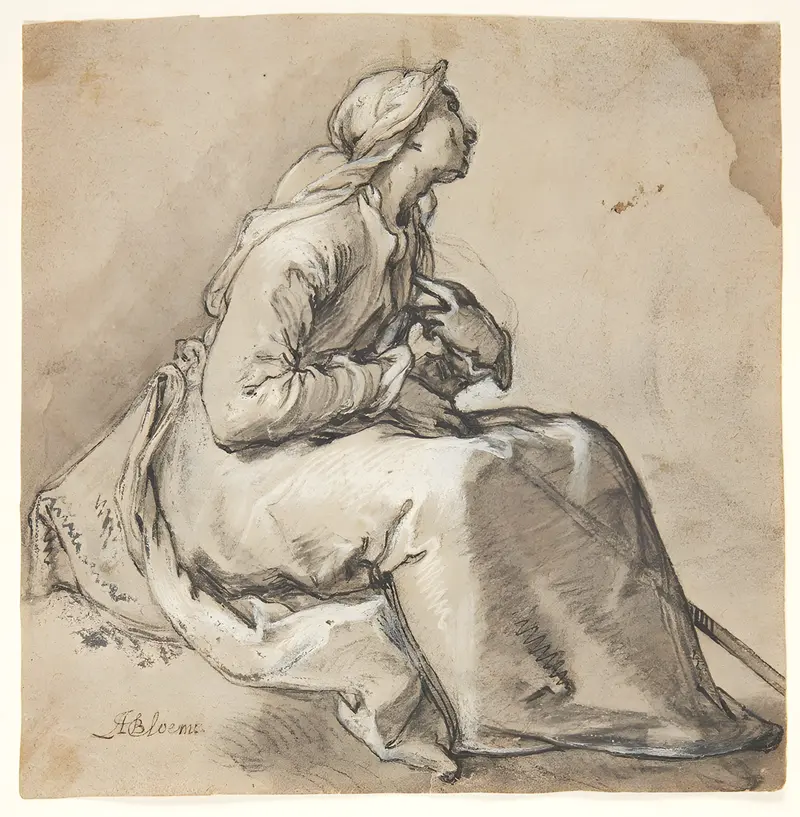
A seated woman facing right
Abraham Bloemaert
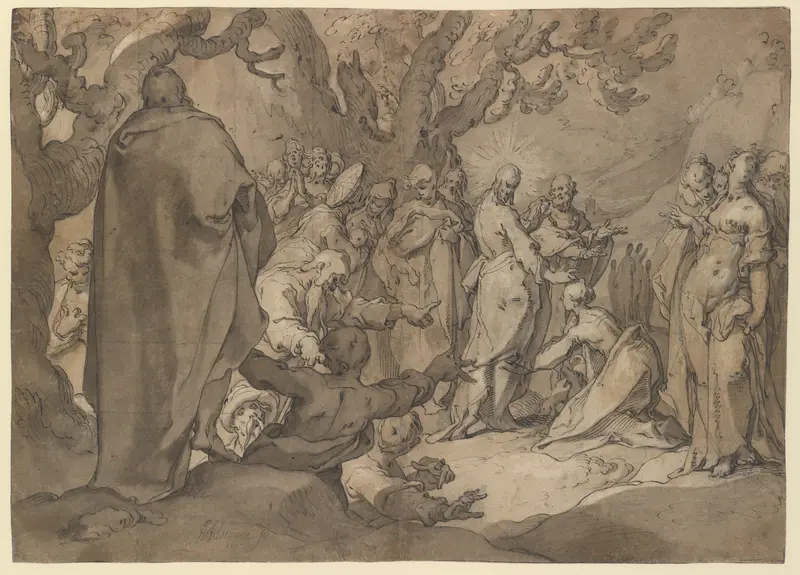
Christ and the Canaanite Women
Abraham Bloemaert
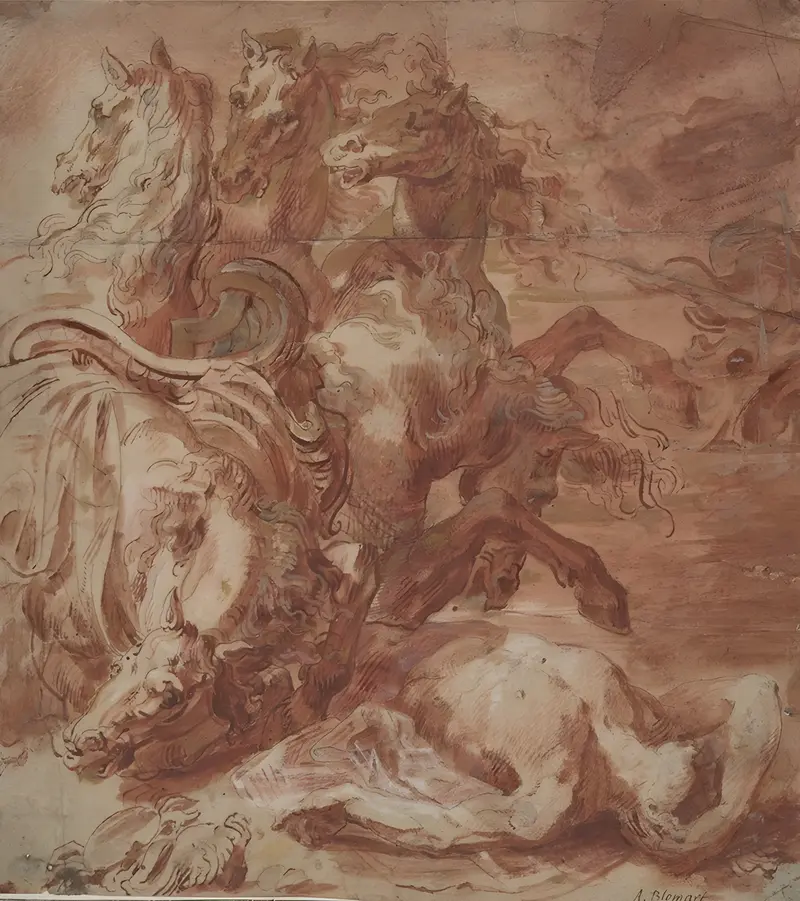
Hippolytus
Abraham Bloemaert
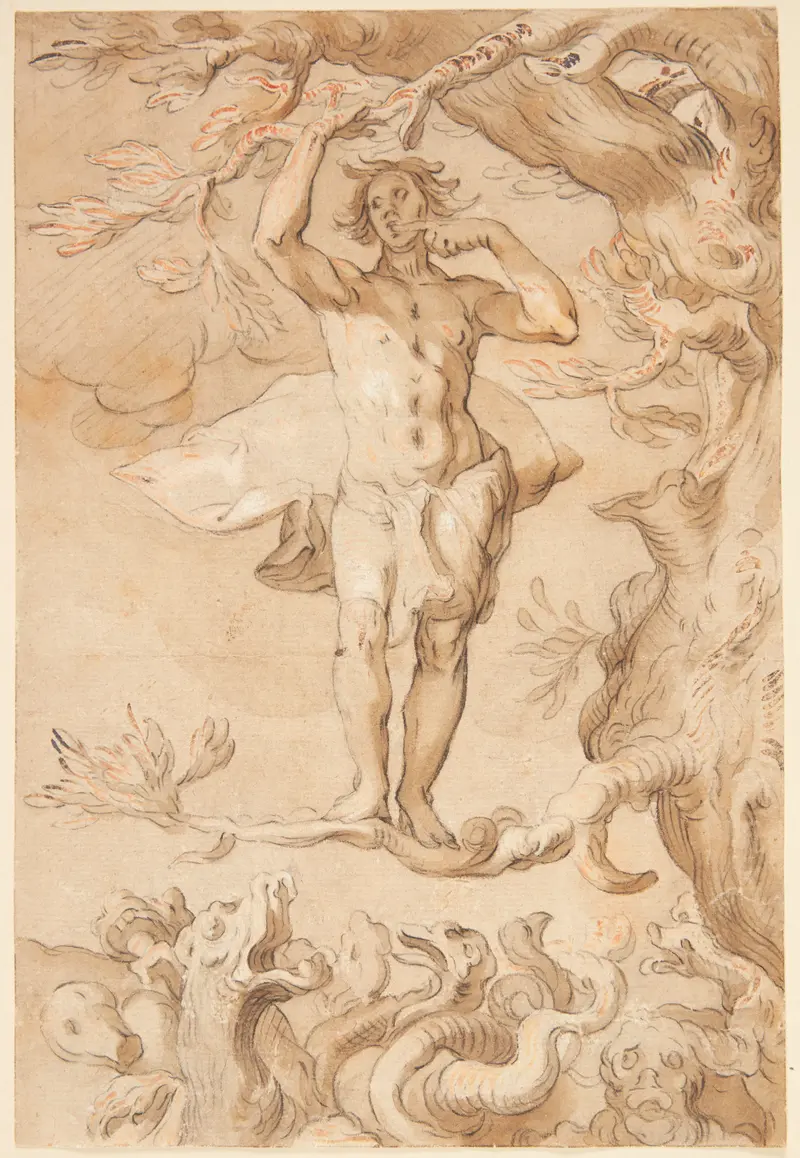
Den menneskelige glædes skrøbelighed En mand, der jages af en drage, klynger sig til en gren, mens han slikker honning af sin finger
Abraham Bloemaert

Moses Striking the Rock
Abraham Bloemaert
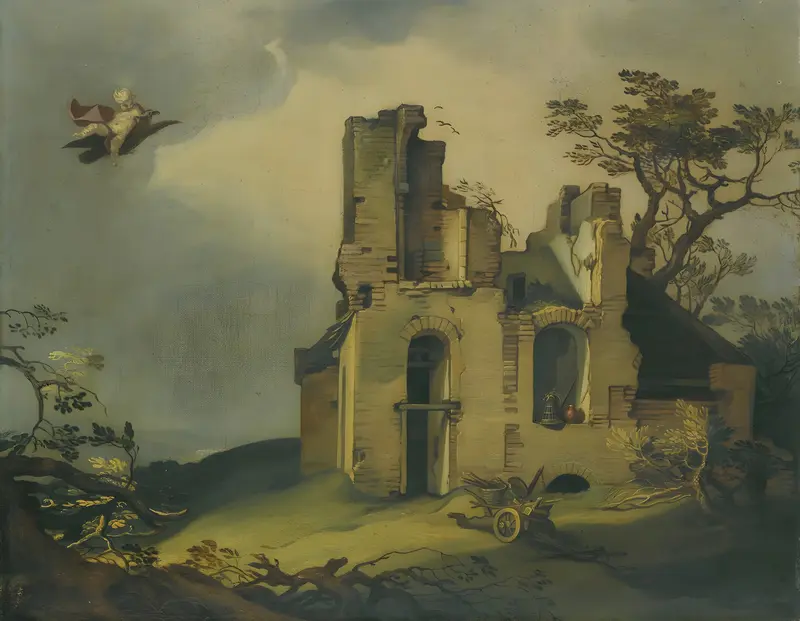
A Landscape With Ruins, With The Rape Of Ganymede
Abraham Bloemaert





