
Calvary and Francis of Assisi — History & Facts
When Giotto di Bondone painted Calvary and Francis of Assisi around 1315, he was already recognized as a revolutionary in Italian art, credited with breaking away from the rigid formulas of Byzantine tradition. What makes this work especially intriguing is its rare pairing of two powerful Christian narratives: the Crucifixion of Christ and the spiritual ecstasy of Saint Francis, founder of the Franciscan Order. The painting’s composition suggests it was intended for a Franciscan context, perhaps as an altarpiece, though the details of its original commission remain uncertain.
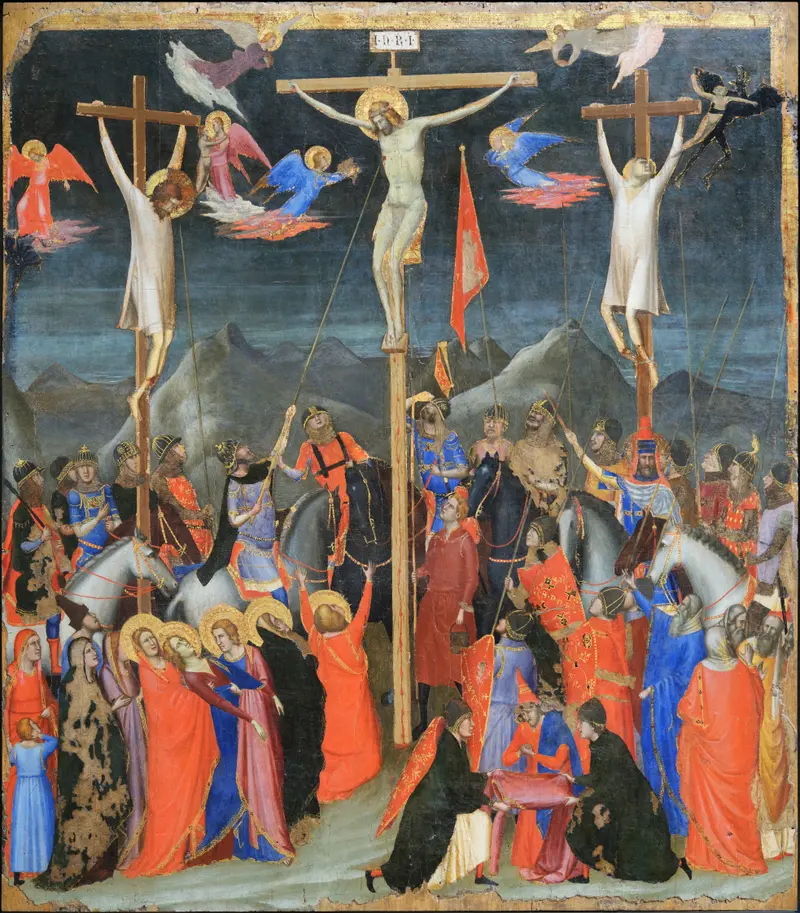
Its unusual subject combination has sparked debate among art historians, who wonder whether it was meant to highlight Francis as a second Christ or to emphasize the saint’s unique path to salvation. At the center, Christ hangs on the cross, his body slumped, while Mary and John mourn at his feet—a scene of intense human sorrow. To one side, Saint Francis appears, gazing upwards in rapture, the wounds of the stigmata visible on his hands and feet. Giotto’s figures are grounded and solid, their gestures full of restrained emotion, a stark contrast to the gilded, otherworldly icons of earlier decades.
The landscape is sparse, drawing the viewer’s eye to the drama of human suffering and divine grace. Unlike Duccio’s more ornate Crucifixion scenes, Giotto’s approach is direct and psychological, inviting the viewer into the emotional heart of the story. The exact journey of Calvary and Francis of Assisi through the centuries is not fully documented, but its style and subject place it firmly within the early fourteenth-century Franciscan milieu. It likely adorned a chapel or church associated with the order, serving both as an object of devotion and a visual sermon.
Over time, the painting has been studied as a key example of Giotto’s mature period, when his innovations in naturalism and narrative clarity were at their height. Today, it is prized by scholars and visitors alike for the way it bridges the medieval and the modern, standing as a testament to Giotto’s enduring influence on Western art.
More Artworks by Giotto di Bondone
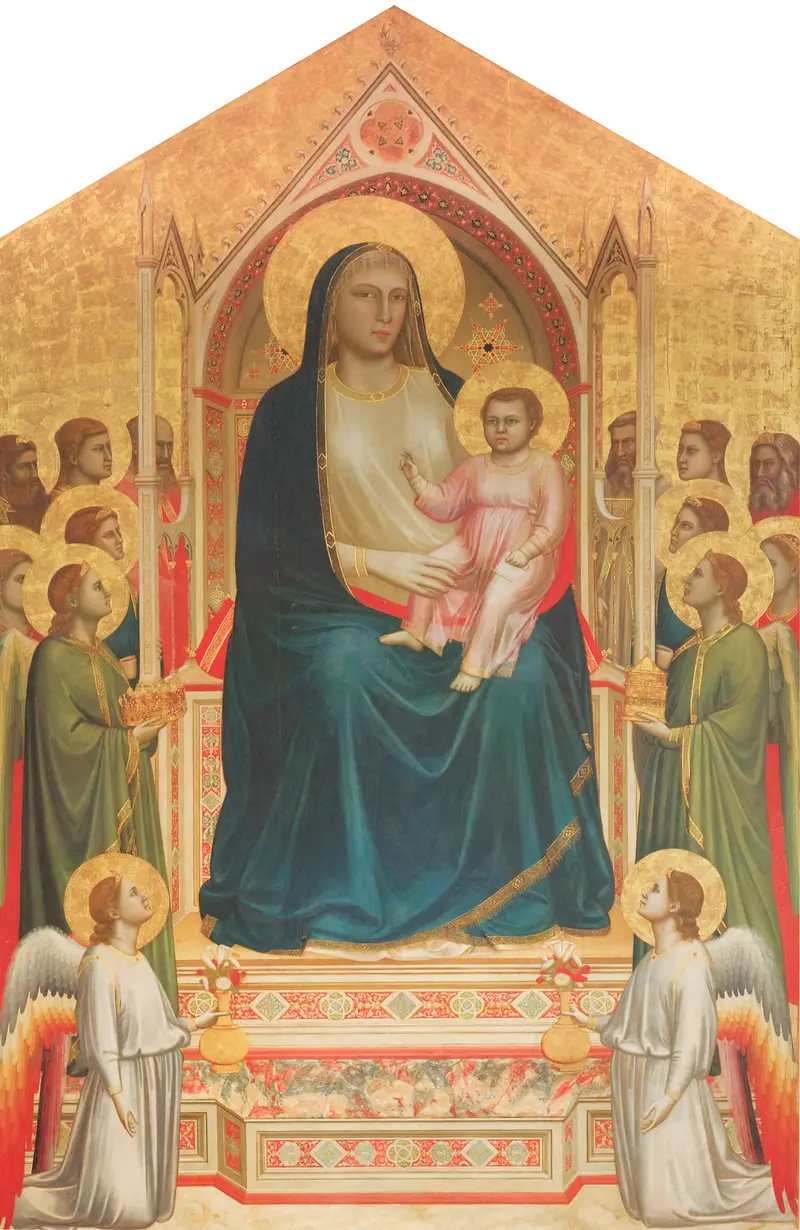
Ognissanti Madonna
Giotto di Bondone
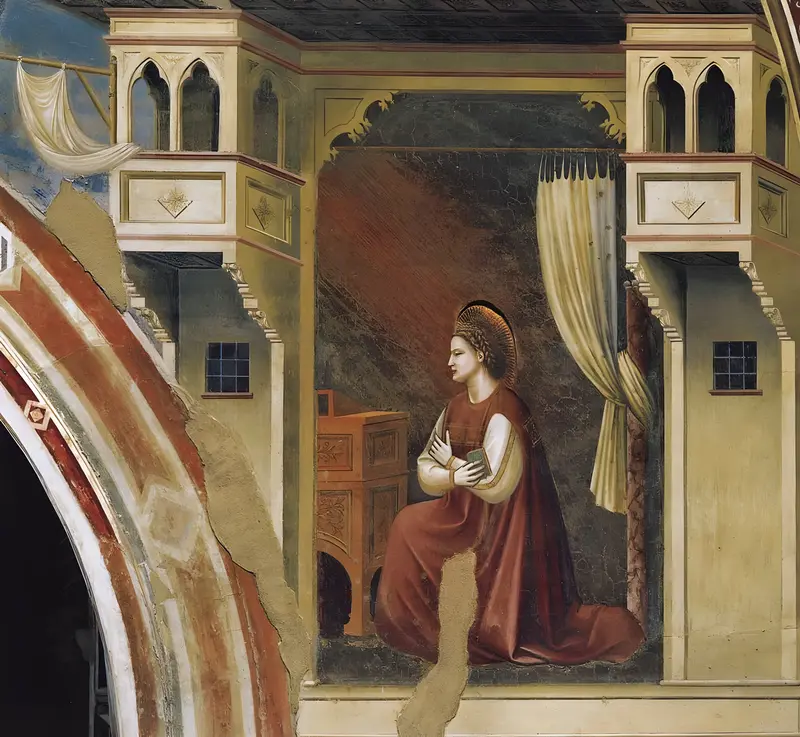
The Virgin of the Annunciation
Giotto di Bondone
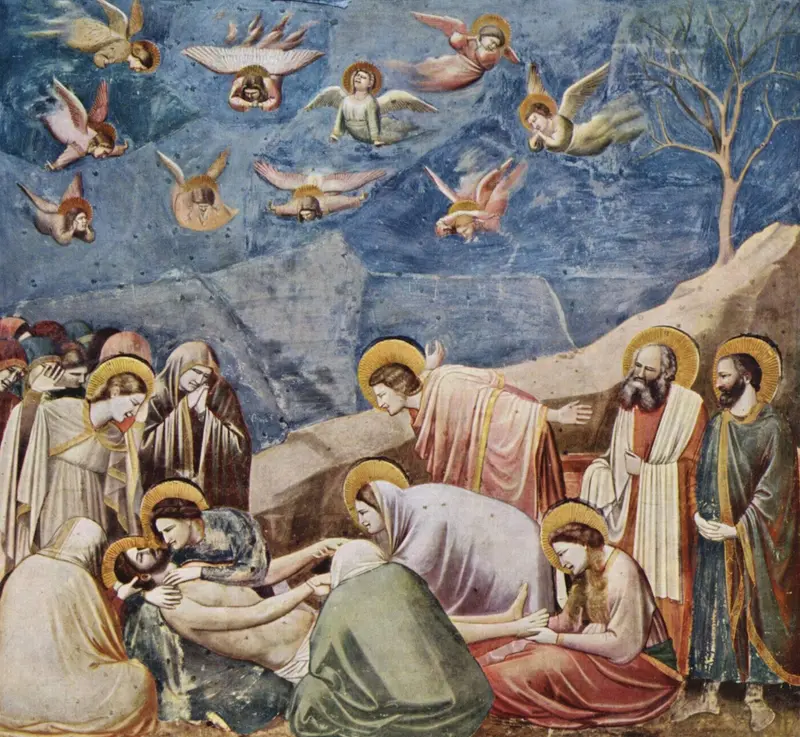
Lamentation (The Mourning of Christ)
Giotto di Bondone
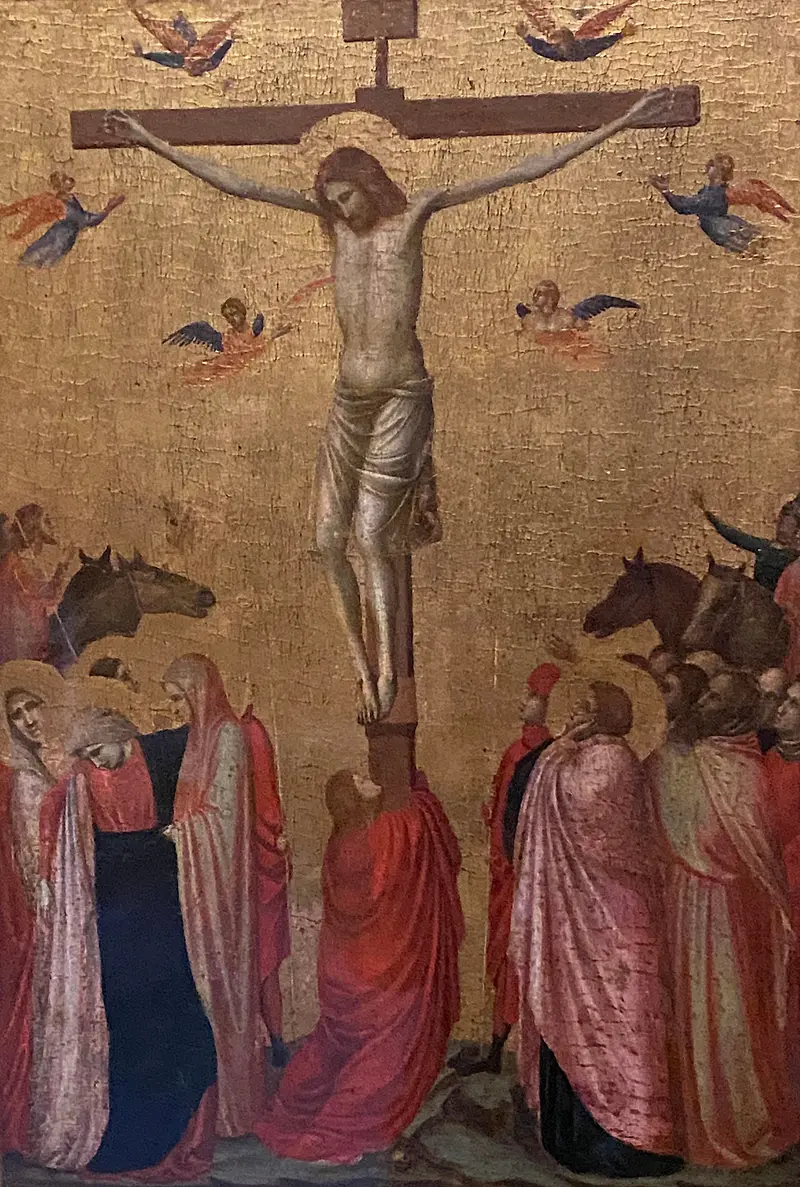
Crucifixion of Strasbourg
Giotto di Bondone
Pentecost
Giotto di Bondone
The Virgin and Child
Giotto di Bondone
Anbetung der Könige
Giotto di Bondone
Crucifixion
Giotto di Bondone
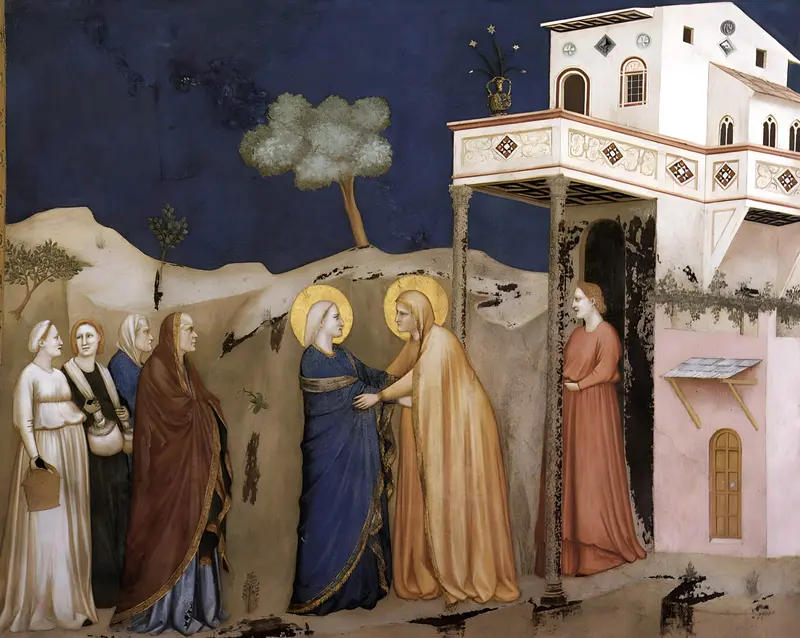
The Visitation
Giotto di Bondone
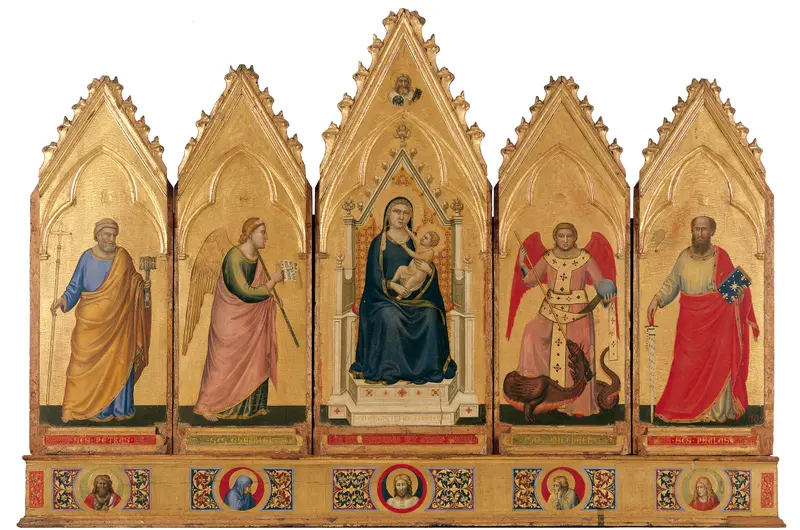
Bologna Polyptych
Giotto di Bondone





