
Canal Bank — History & Facts
What lies beneath the tranquil surface of a serene landscape may reveal a deeper, more complex tale. Look to the left at the gently flowing water, where the ripples shimmer like scattered jewels under the embrace of soft sunlight. Notice how the artist masterfully layers soft greens and cool blues, creating a delicate balance that draws the eye across the canvas. The composition is framed by the arching boughs of trees, their dark silhouettes contrasting with the luminous sky, while a lone figure stands in quiet reflection, a moment captured in stillness. Yet, within this idyllic scene lies a profound tension; the interplay of light and shadow suggests not only beauty but solitude.
The figure, seemingly at peace, hints at introspection, embodying a deeper quest for balance in a world that teeters between tranquility and turbulence. The lush foliage may symbolize nature’s bounty, but it also obscures, leaving us to wonder what lies beyond the frame, mirroring the complexities of our own struggles. In 1832, while living in France, the artist embraced Romanticism as a means to explore nature's sublime beauty. This period was marked by a profound interest in individuality and emotion, coinciding with the societal upheavals of the era.
As Isabey painted Canal Bank, he navigated personal challenges as well, capturing a moment that resonates with both the external world and the internal landscape of human experience.
More Artworks by Eugène Isabey
Browse all →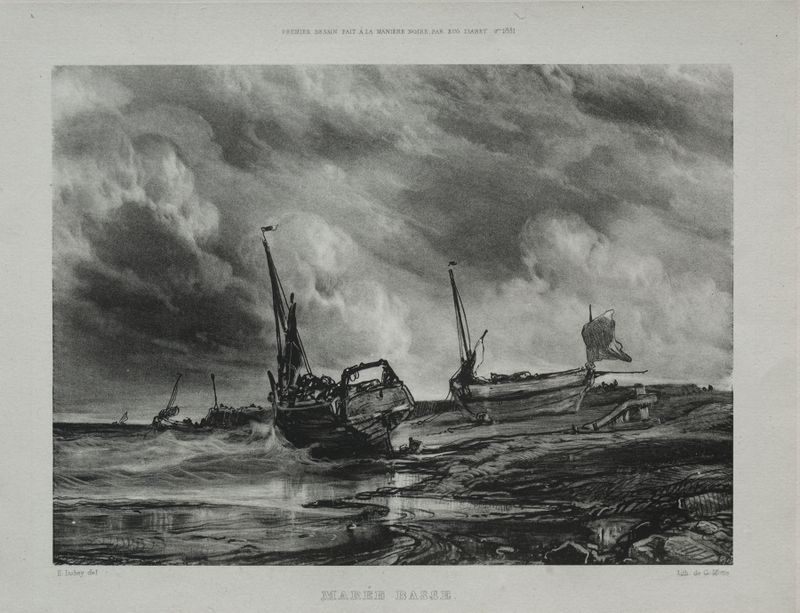
Marée basse
Eugène Isabey

Shipwreck
Eugène Isabey

Shipwreck
Eugène Isabey

The Wreck
Eugène Isabey
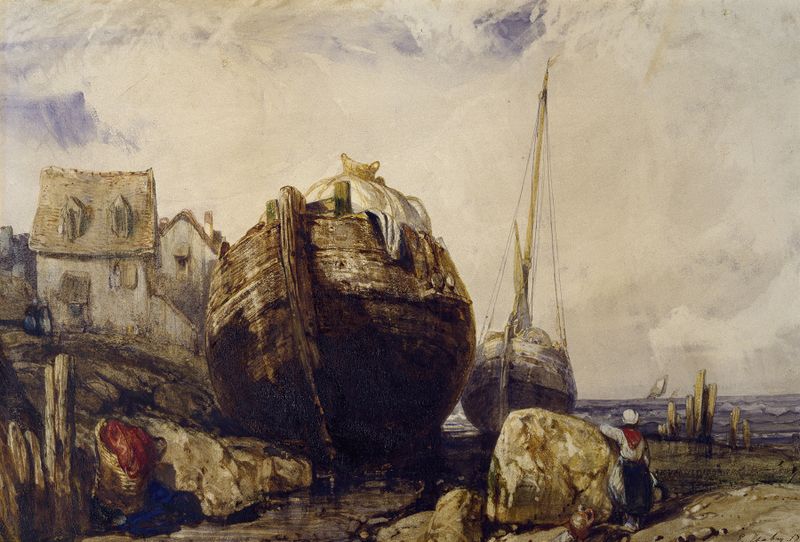
Fishing Boats
Eugène Isabey
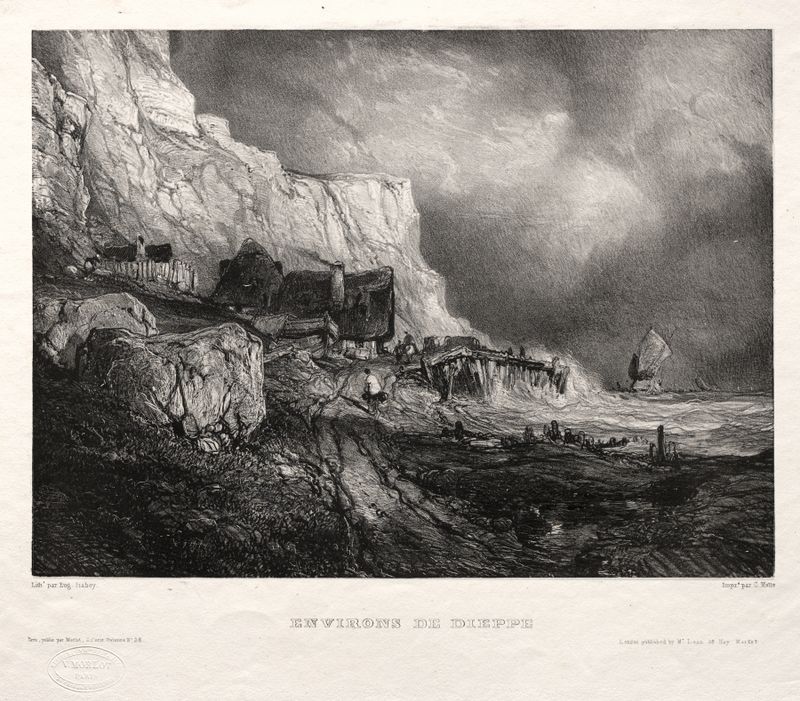
Environs de Dieppe
Eugène Isabey
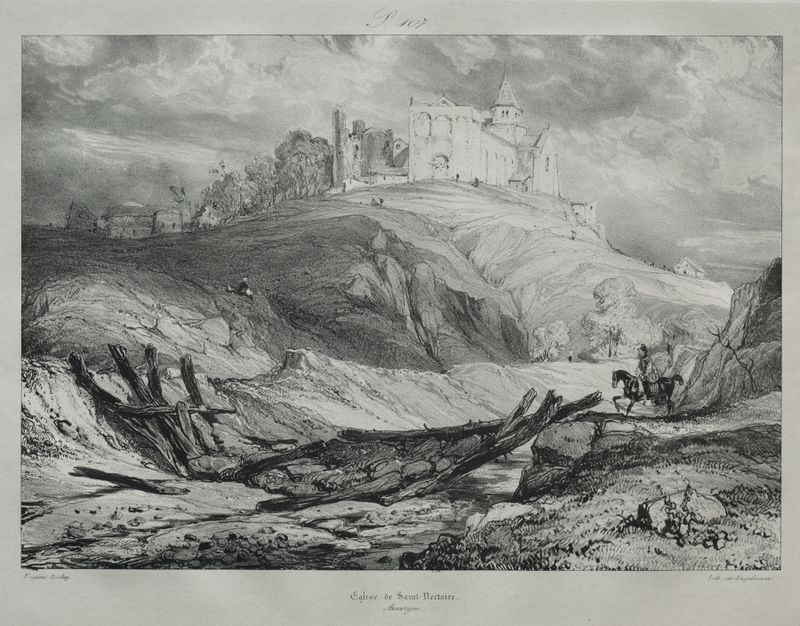
Église de St. Nectaire
Eugène Isabey

Fishing boat at the seaside
Eugène Isabey

Sunset on the Normandy Coast
Eugène Isabey
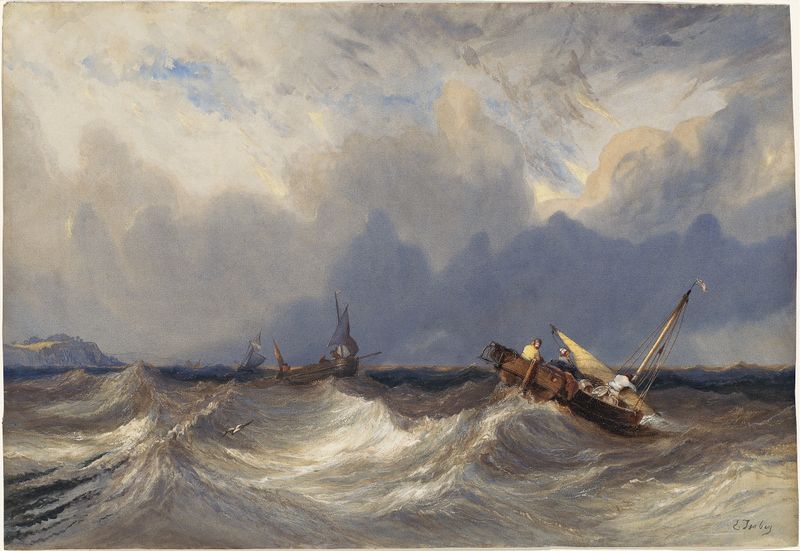
Fishing Boats Tossed before a Storm
Eugène Isabey





