
Celle qui a mal tourné — History & Facts
What catches the eye first in Celle qui a mal tourné is the confrontation frozen mid-stride: a woman, arm-in-arm with a well-dressed man, turns her head as two rougher figures hurl insults her way. The tension is palpable in the set of her shoulders and the sharp, almost theatrical gestures of the men. The woman’s bright pink dress and matching hat mark her as the focus, while her companion’s cane and gloves speak to a different social world than that of their accusers.
Steinlen’s lines are swift and biting, the palette limited but expressive—blue for the workers, pink and teal for the couple—each color a badge of class and intent. The city itself is barely sketched, a backdrop of anonymity that throws the human drama into relief. This print, created for the satirical magazine Le Chambard socialiste in June 1894, belongs to a world where illustration was both weapon and witness. In the France of the 1890s, artists like Théophile Alexandre Steinlen wielded lithography to comment on social divisions, hypocrisy, and the shifting roles of women, often using the figure of Marianne—the allegory of the Republic—as a lightning rod.
Here, Marianne is not on a pedestal but in the street, the subject of public scorn, her dignity caught between the expectations of nation and the judgments of everyday men. History has kept few traces of this particular print’s journey, but its voice remains sharp: a reminder to look again at the faces, the gestures, and the lines that divide.
More Artworks by Théophile Alexandre Steinlen

Village et charrette
Théophile Alexandre Steinlen
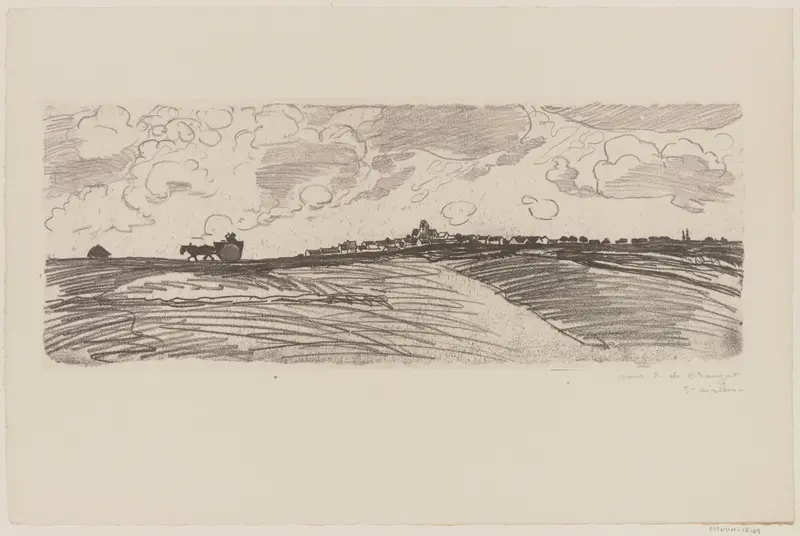
Village et charrette
Théophile Alexandre Steinlen
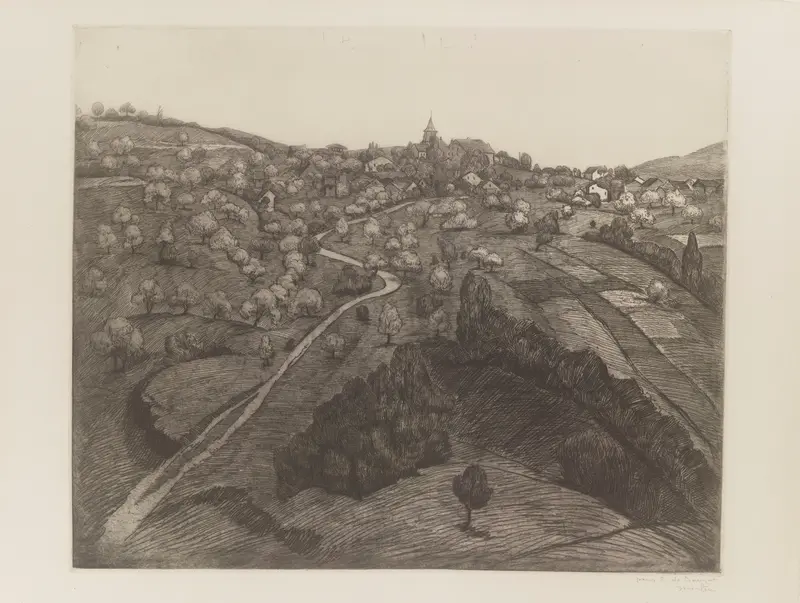
Vue de Belmont, près de Lausanne
Théophile Alexandre Steinlen
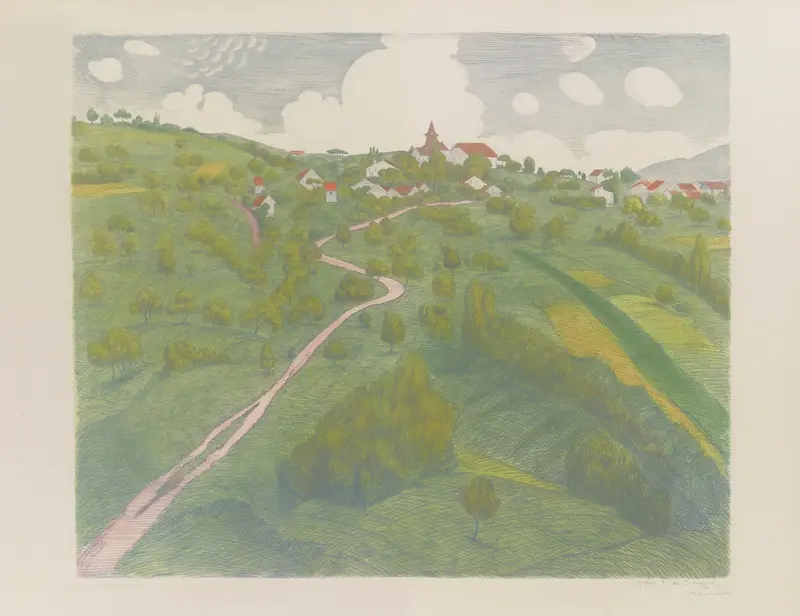
Vue de Belmont, près de Lausanne
Théophile Alexandre Steinlen
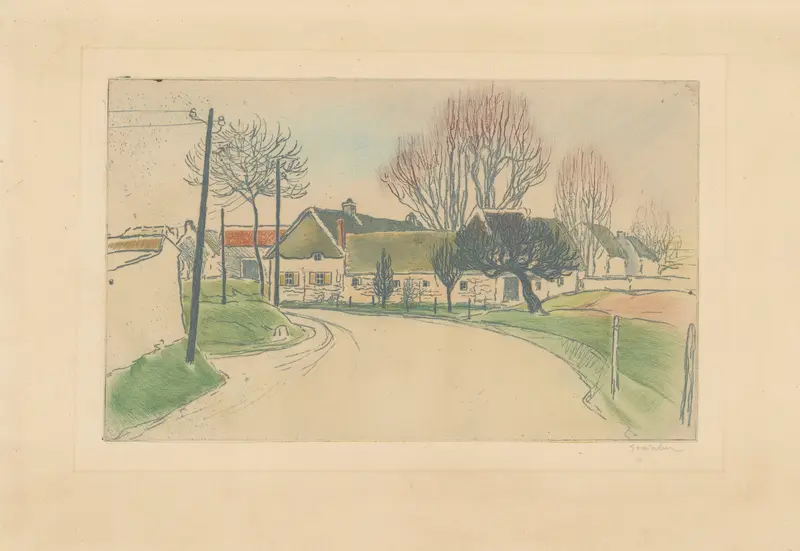
La maison à l’entrée du village
Théophile Alexandre Steinlen
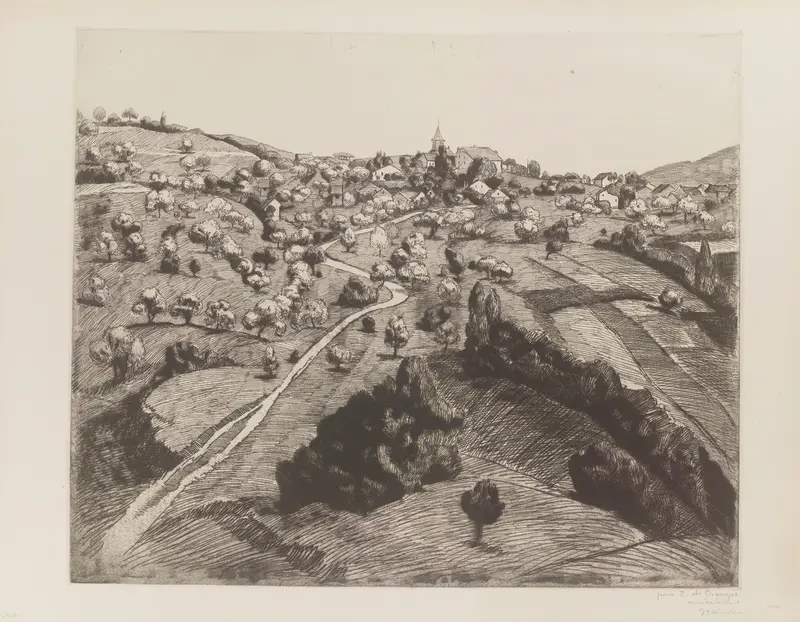
Vue de Belmont, près de Lausanne
Théophile Alexandre Steinlen
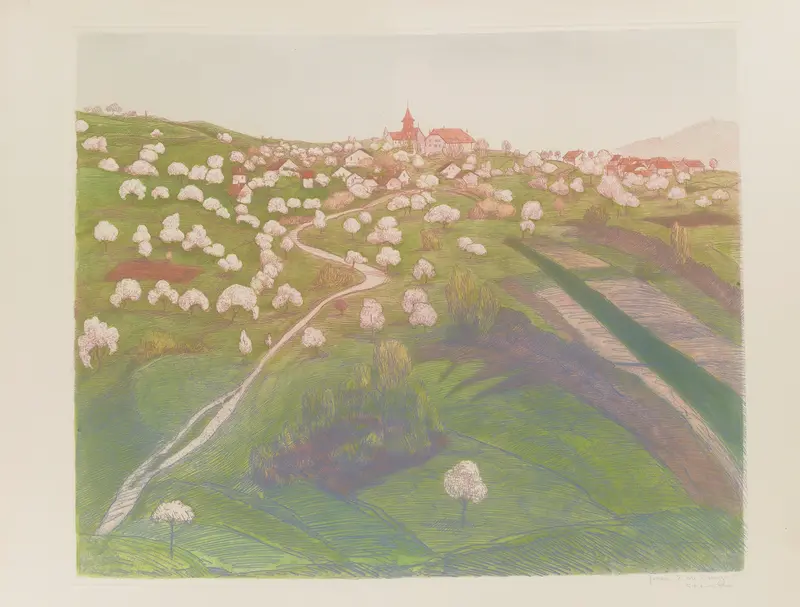
Vue de Belmont, près de Lausanne, n° 2
Théophile Alexandre Steinlen
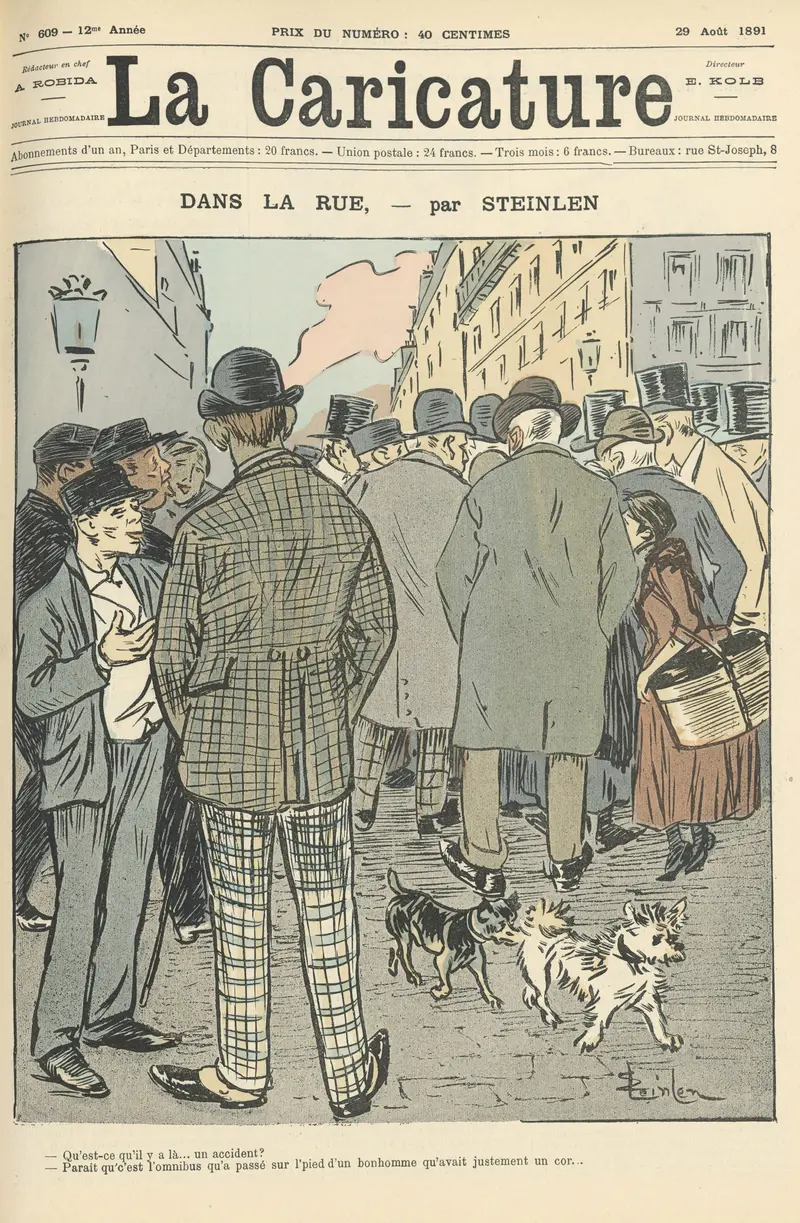
Dans la rue (La Caricature, 29 août 1891)
Théophile Alexandre Steinlen
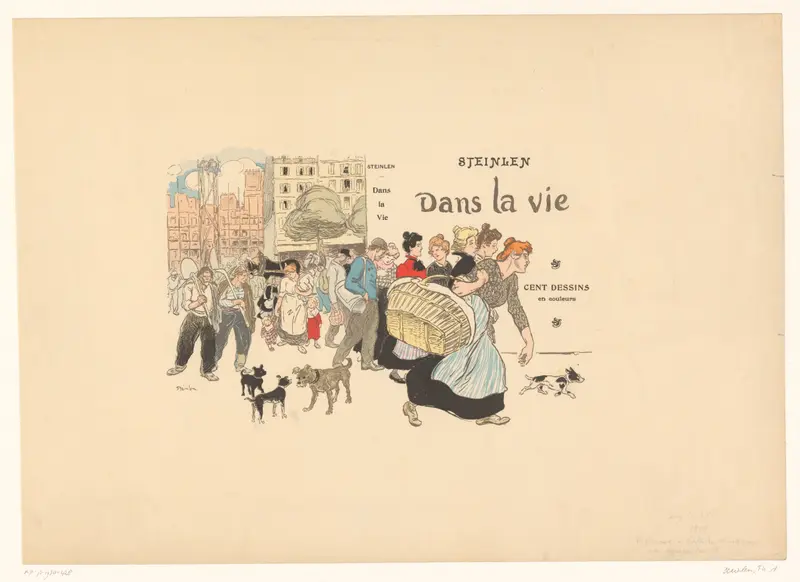
Dans la vie
Théophile Alexandre Steinlen
The Laundresses
Théophile Alexandre Steinlen
More Genre Scene Art

Banquet of the Officers of the St George Civic Guard
Frans Hals

Rembrandt and Saskia in the Scene of the Prodigal Son
Rembrandt van Rijn

Bal du moulin de la Galette
Pierre-Auguste Renoir

Quadrille at the Moulin Rouge
Henri de Toulouse-Lautrec

A Burial at Ornans
Gustave Courbet

When Will You Marry?
Paul Gauguin