
Landscape on a Summer's Day. — History & Facts
What first draws the eye in Landscape on a Summer's Day is the restless energy of the brushwork, which seems to animate the very air above the fields. The sky dominates, filled with clouds that tumble and swirl, their movement echoed in the quick, confident strokes that shape the trees and grass below. The cottages, nestled in a patch of green, feel almost incidental—hints of red roofs and white walls caught in a fleeting glance, as if the painter was more interested in the sensation of the day than in architectural detail.
The light pours from the right, catching on the edges of foliage and roof tiles, guiding the viewer’s gaze across the landscape and into the distance, where the horizon blurs into a haze of blue and green. Every mark insists on the immediacy of the moment, turning a quiet rural scene into something alive with atmosphere and motion. Painted in 1897, this work by Albert Gottschalk belongs to a period when artists across Europe were breaking from academic traditions to capture the fleeting qualities of light and weather. In Denmark, where Gottschalk worked, landscape painting was undergoing a quiet transformation, shaped by the influence of French Impressionism but retaining a distinctly local sensibility—less about spectacle, more about the familiar rhythms of countryside life.
Such paintings were often created for private collectors or local exhibitions, serving as both records of place and exercises in perception. Today, Landscape on a Summer's Day is held by bruun-rasmussen.dk, a reminder of how even lesser-known works can offer a window onto a world in the midst of artistic change. Let your eye linger on the clouds and the fields—they hold the pulse of a summer long past.
More Artworks by Albert Gottschalk
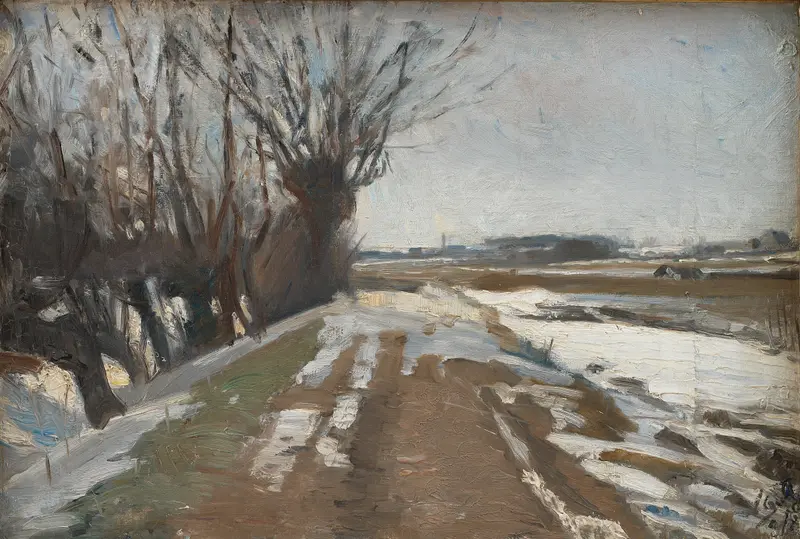
Winter Landscape. Utterslev near Copenhagen
Albert Gottschalk
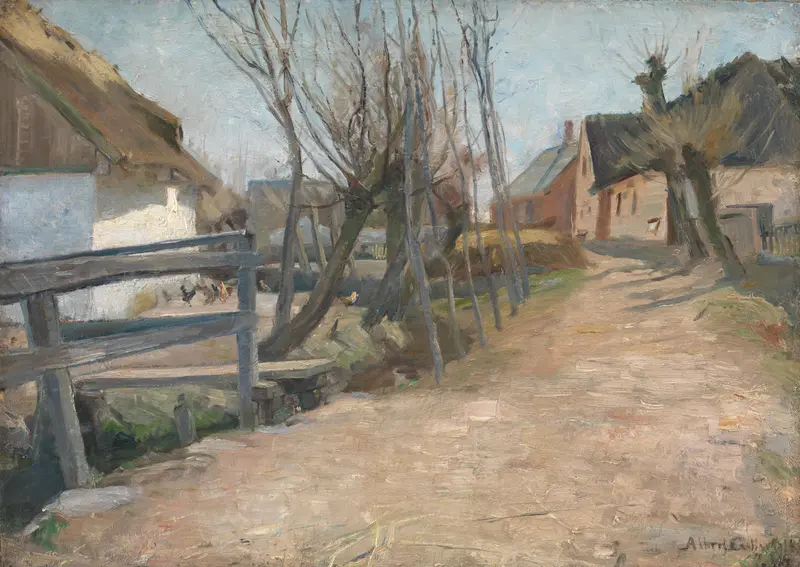
Tidlig forårsdag i Glostrup
Albert Gottschalk
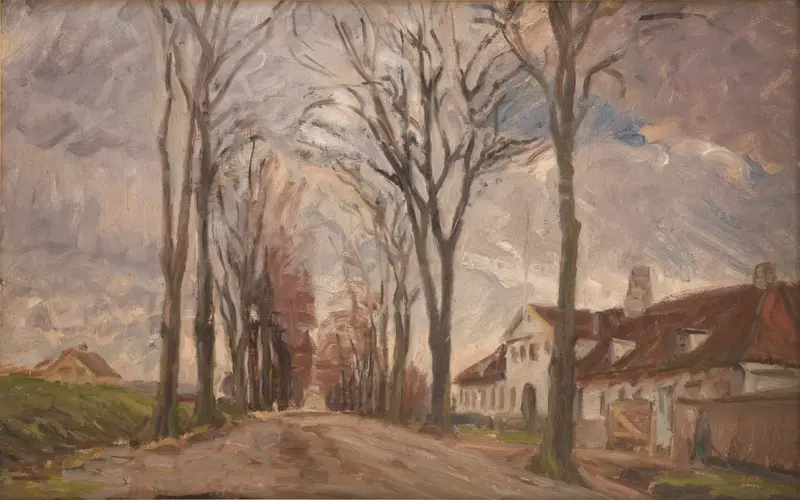
Lyngbyvejen ved Vintappergården
Albert Gottschalk
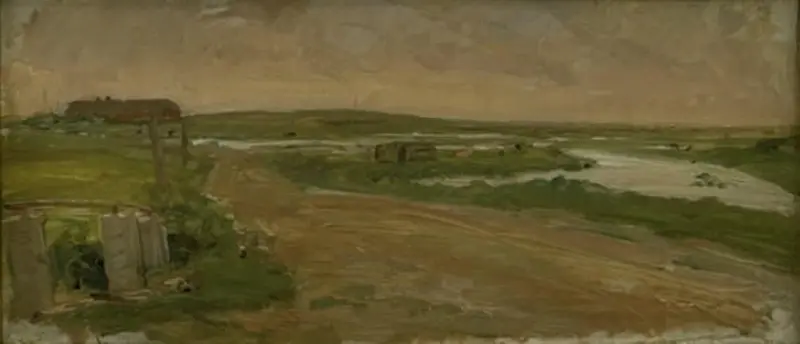
Vestjysk landskab. Holmsland
Albert Gottschalk
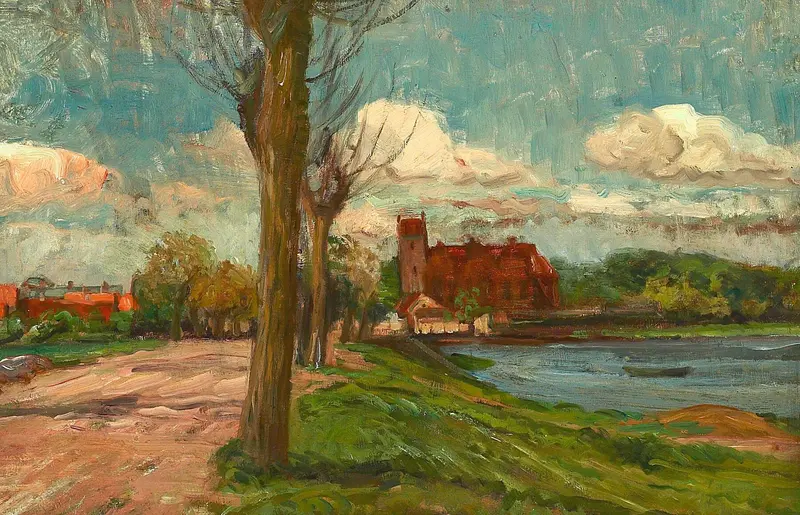
A road leading to a small town with a church.
Albert Gottschalk
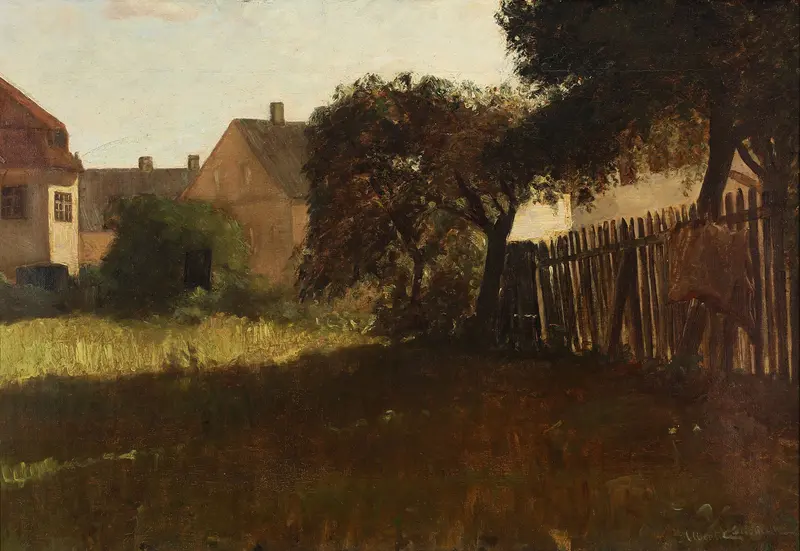
A summer day in a Garden in Vesterbro, Copenhagen
Albert Gottschalk
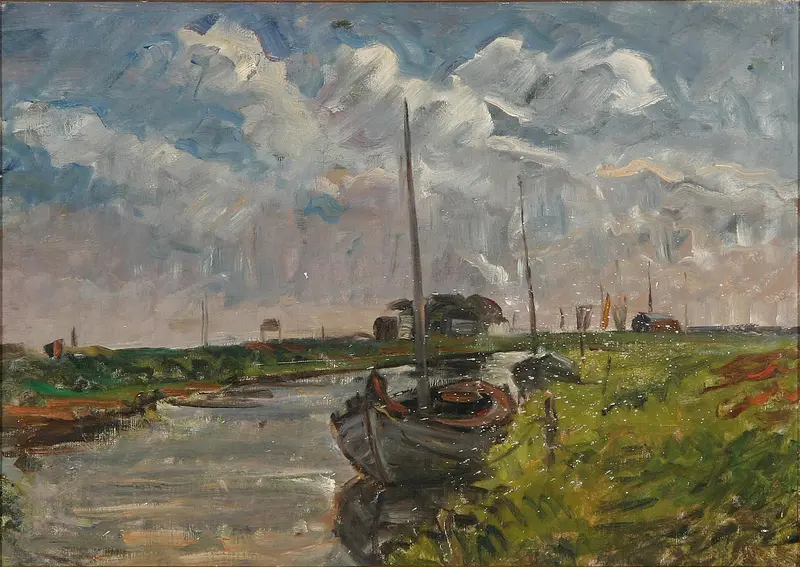
A canal with a boat.
Albert Gottschalk
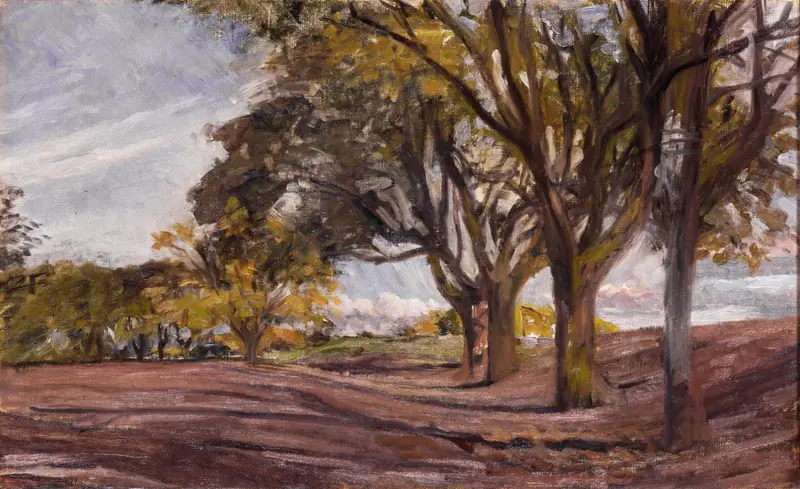
Chestnut Avenue at the Hermitage.
Albert Gottschalk
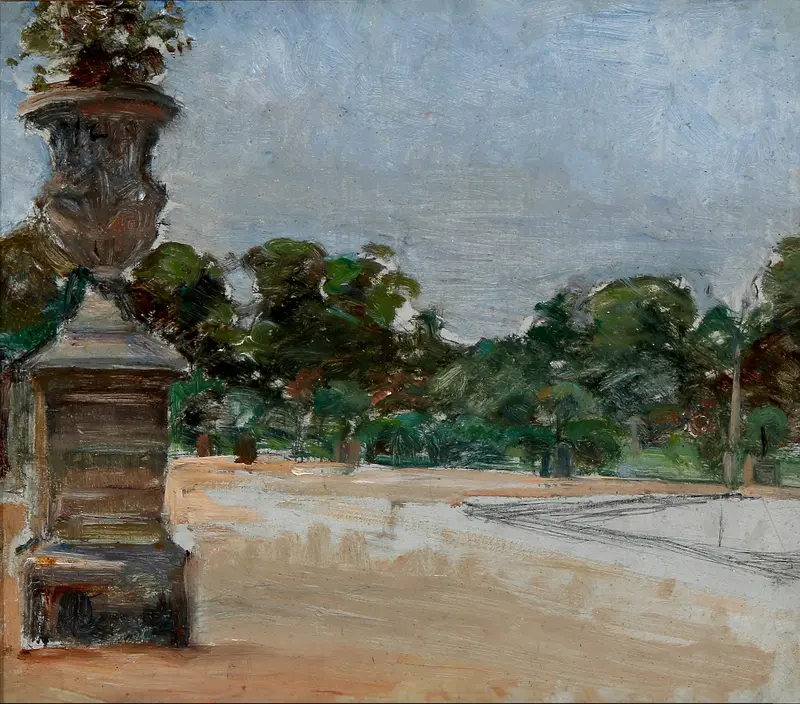
From the Tuileries Garden in Paris
Albert Gottschalk
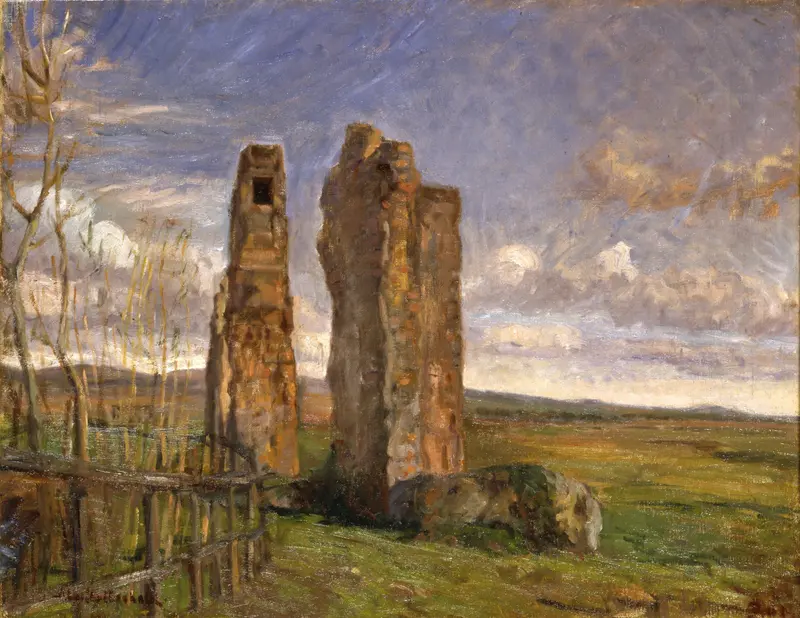
Ruins in Campagna
Albert Gottschalk
More Landscape Art

The Starry Night
Vincent van Gogh

View of Delft
Johannes Vermeer

Water Lilies
Claude Monet

The Grand Canal, Venice, looking north-west from the Ca' Corner to the Ca' Contarini degli Scrigni, with the campanile of Santa Maria della Carità
Canaletto

Windsor Castle
Canaletto

The Grand Canal looking North-East from the Palazzo Dolfin-Manin to the Rialto Bridge
Canaletto