
Cheval au galop, par Théodore Géricault — History & Facts
When Théodore Géricault was just nineteen, he stunned the Paris Salon with Cheval au galop, par Théodore Géricault, a work that captured the raw dynamism of a galloping horse at a time when painters still struggled to pin down the true mechanics of equine motion. Long before Eadweard Muybridge’s stop-motion photographs would settle debates about how horses run, Géricault’s painting became a talking point among artists and critics alike, praised for its audacity and anatomical insight. The young artist’s fascination with horses was already legendary—he haunted the stables of Versailles, sketchbook in hand, studying every muscle and movement.
This work marks one of his earliest attempts to fuse observation with the drama that would define his later career. The scene freezes a single, electrifying instant: a powerful horse, mane flying, legs stretched in full stride, surges across the canvas with a sense of urgency and freedom. Géricault’s eye for detail is evident in the taut lines of the animal’s body, the tension in its neck, and the wildness of its eyes—details that suggest both the beauty and unpredictability of nature. Where earlier artists like George Stubbs rendered horses with calm dignity, Géricault’s animal is all motion and energy, barely contained by the frame.
The background is kept minimal, focusing all attention on the horse itself, as if the world has fallen away in the rush of speed. The use of light accentuates the animal’s musculature, highlighting the effort and strain of the gallop. The precise medium of Cheval au galop, par Théodore Géricault remains uncertain, though it is likely oil on canvas or paper, typical of the artist’s early studies. The painting’s current whereabouts are not well documented, and it is possible that it survives only in preparatory sketches or as a lost work referenced in period accounts.
What is clear is that this piece foreshadows Géricault’s later obsession with movement and the animal form, culminating in his celebrated works like The Charging Chasseur and The Raft of the Medusa. Today, Cheval au galop is recognized as a pivotal early statement by a painter who would become a central figure in the Romantic movement, forever changing how artists approached both the horse and the very idea of motion in art.
More Artworks by Théodore Géricault
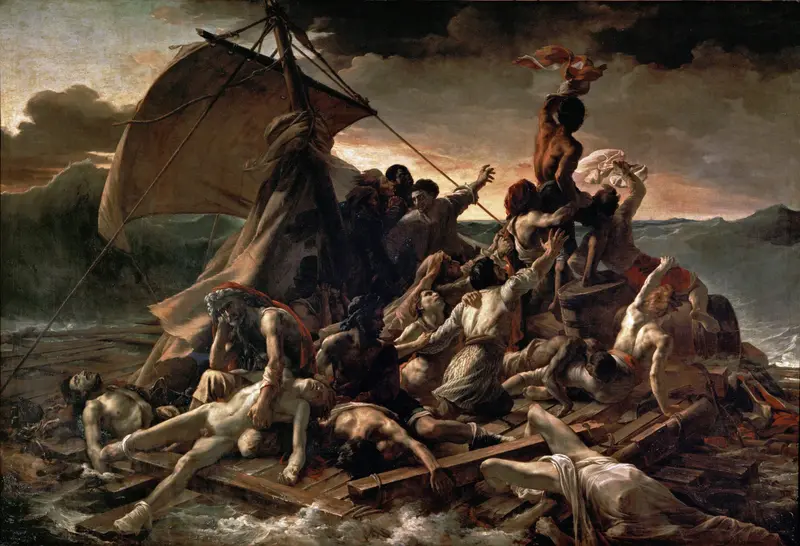
The Raft of the Medusa
Théodore Géricault

Géricault - Le naufrage du radeau de la Méduse, MBA 790
Théodore Géricault
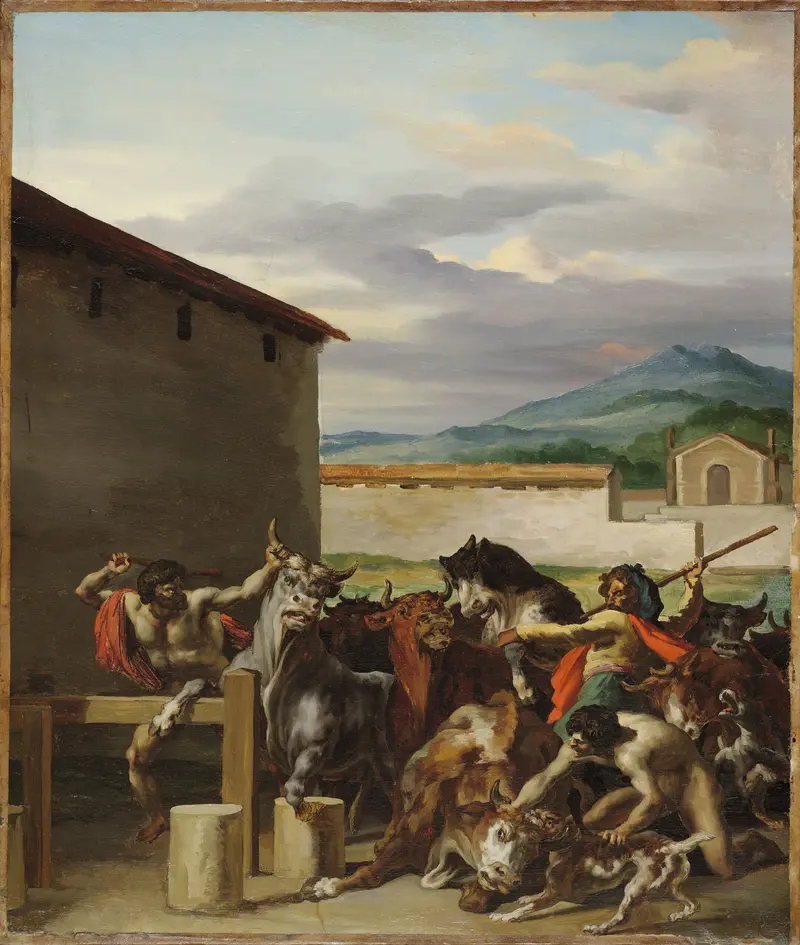
Cattle Market
Théodore Géricault
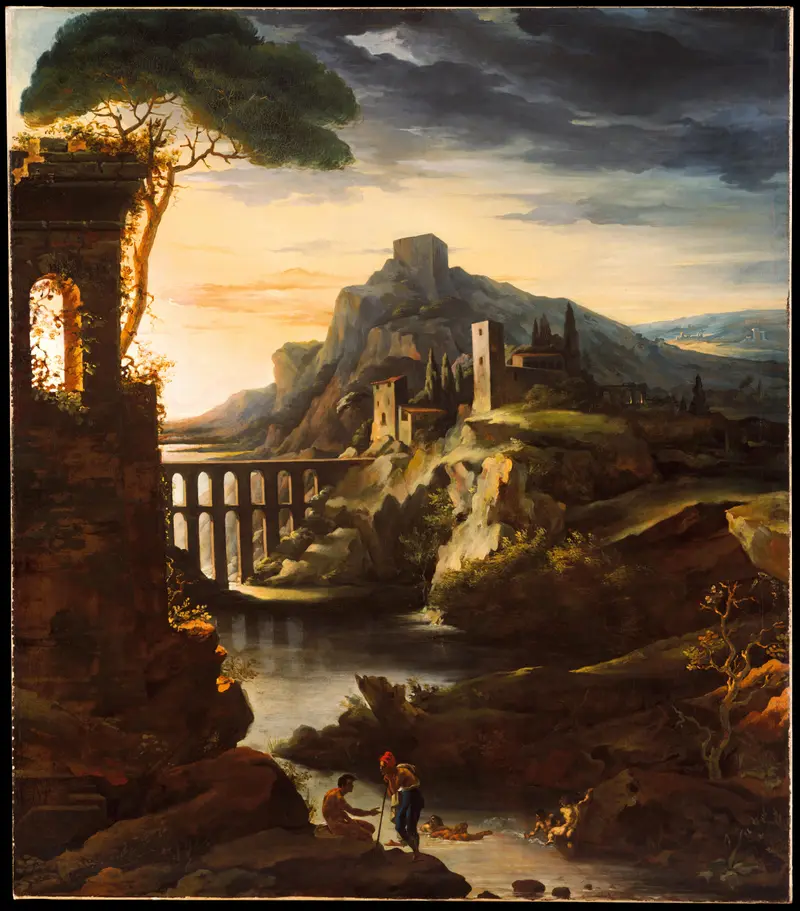
Evening; Landscape with an Aqueduct
Théodore Géricault
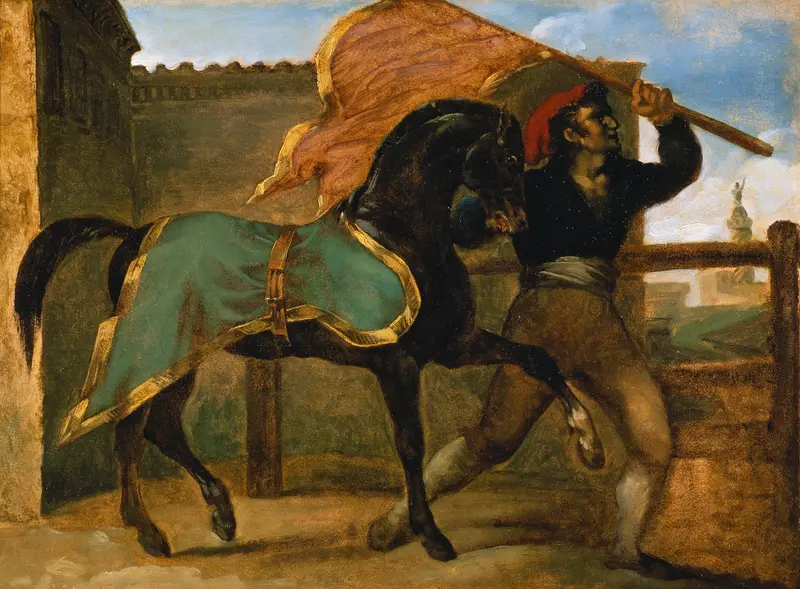
Horse Race
Théodore Géricault

Horses Standing in a Mews
Théodore Géricault
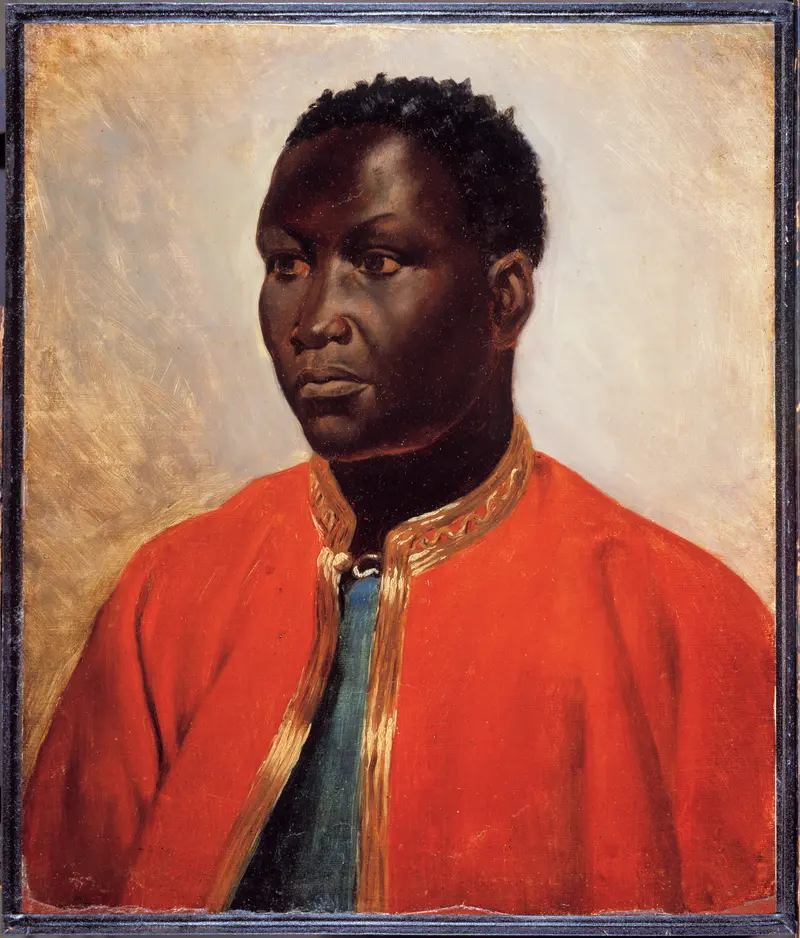
Portrait of a Negro
Théodore Géricault
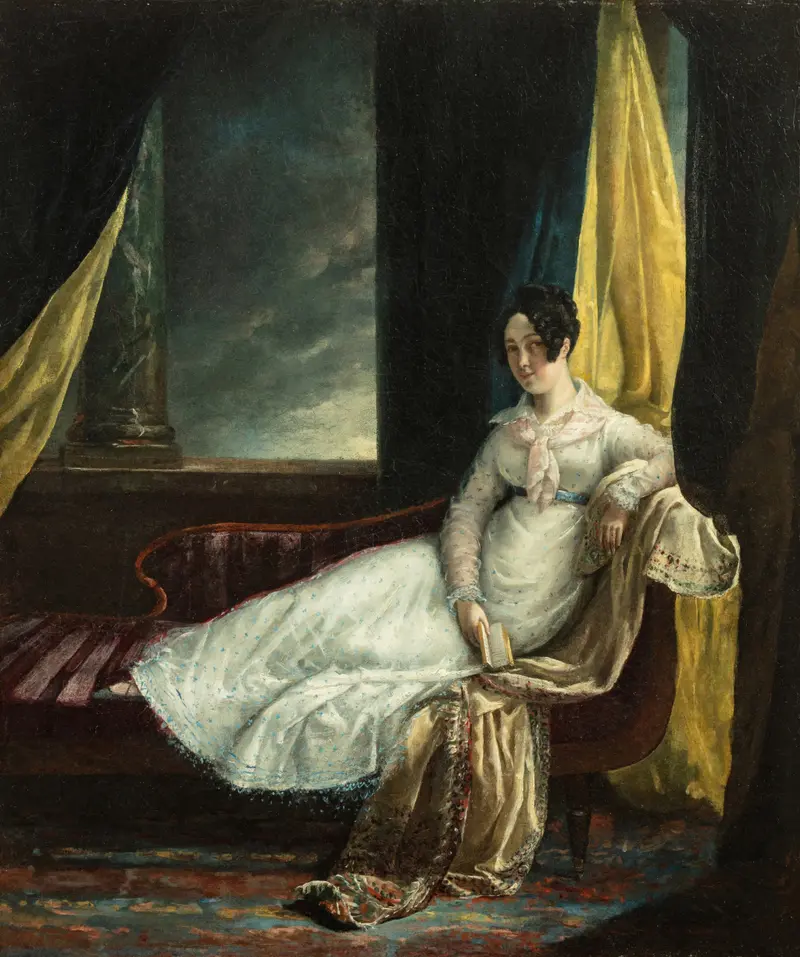
Portrait of Zoë Elmore
Théodore Géricault
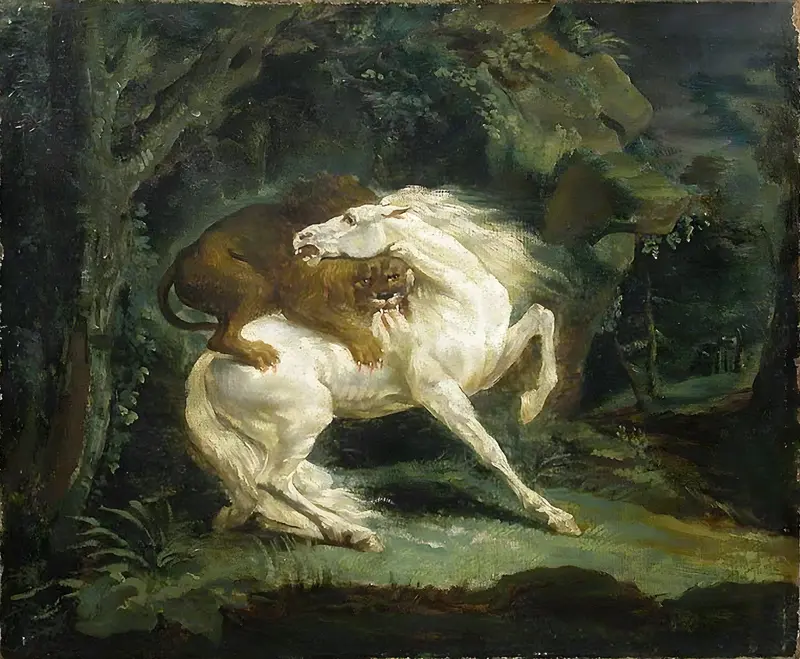
Cheval attaqué par un lion
Théodore Géricault
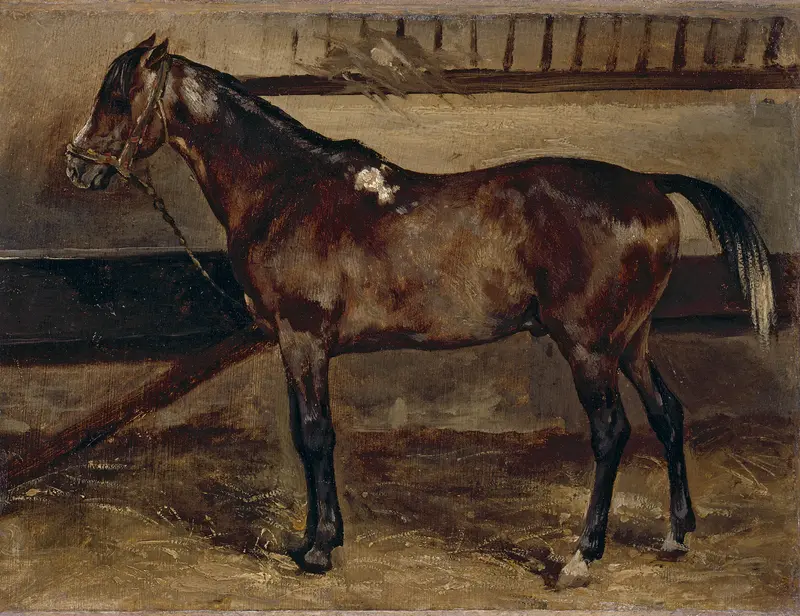
Cheval brun à l'écurie
Théodore Géricault





