
Children Playing on the Beach — History & Facts
When Children Playing on the Beach was first exhibited in Paris in 1884, critics were startled by its radical composition and the directness of its gaze. Unlike many of her contemporaries, Mary Cassatt placed her young subjects at the very front of the canvas, cropping the scene so tightly that viewers felt as if they were sitting in the sand beside them. This bold approach set the painting apart from other depictions of childhood in the era, which often sentimentalized or distanced their subjects.
The painting’s immediacy and informality were so striking that some early viewers questioned whether it was truly finished. Two little girls, absorbed in their play, lean over the wet sand, their faces intent on the task at hand. Cassatt chooses the moment not of laughter or performance, but of deep concentration—a private world into which adults are not invited. The older girl’s hand cups the sand, while her companion’s small fingers mimic the gesture, echoing the learning and imitation that define childhood.
The sea, rendered in soft, horizontal bands, presses close behind them, yet their focus never wavers. Unlike Berthe Morisot’s more atmospheric beach scenes, Cassatt’s brushwork is crisp, her forms solid, emphasizing the physicality and seriousness of the girls’ play. The painting’s early history is typical of Cassatt’s career: created during her most productive years as a member of the Impressionist circle, it was likely intended for a private collector rather than a public institution. Over time, Children Playing on the Beach has become one of Cassatt’s most beloved images, frequently reproduced and widely exhibited.
Its current home is the Museo del Prado, where it stands as a rare example of American Impressionism in a collection otherwise dominated by Spanish and European masters. Though the precise details of its journey to the museum are not fully documented, its presence there today attests to Cassatt’s enduring reputation and the universal appeal of her vision of childhood.
More Artworks by Mary Cassatt

The Child's Bath
Mary Cassatt
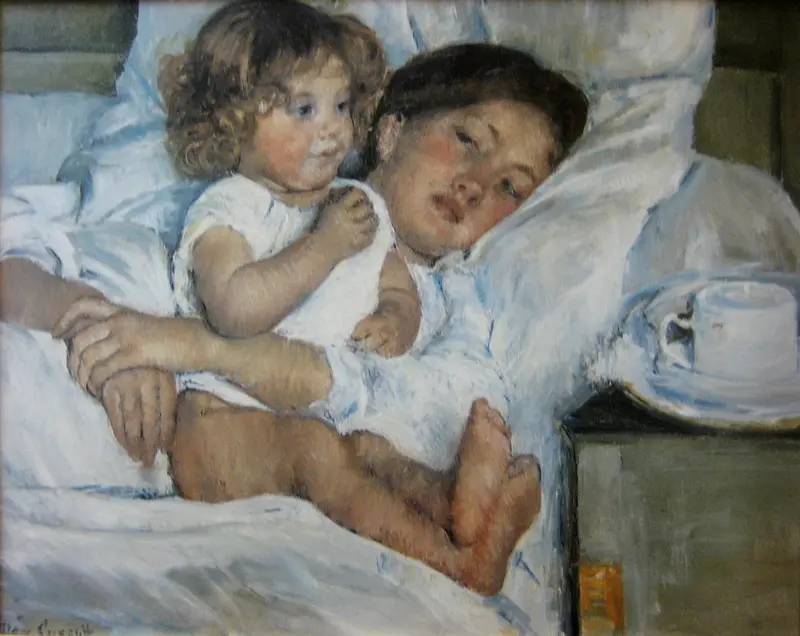
Breakfast in Bed
Mary Cassatt

Mother and Child (Baby Getting Up from His Nap)
Mary Cassatt
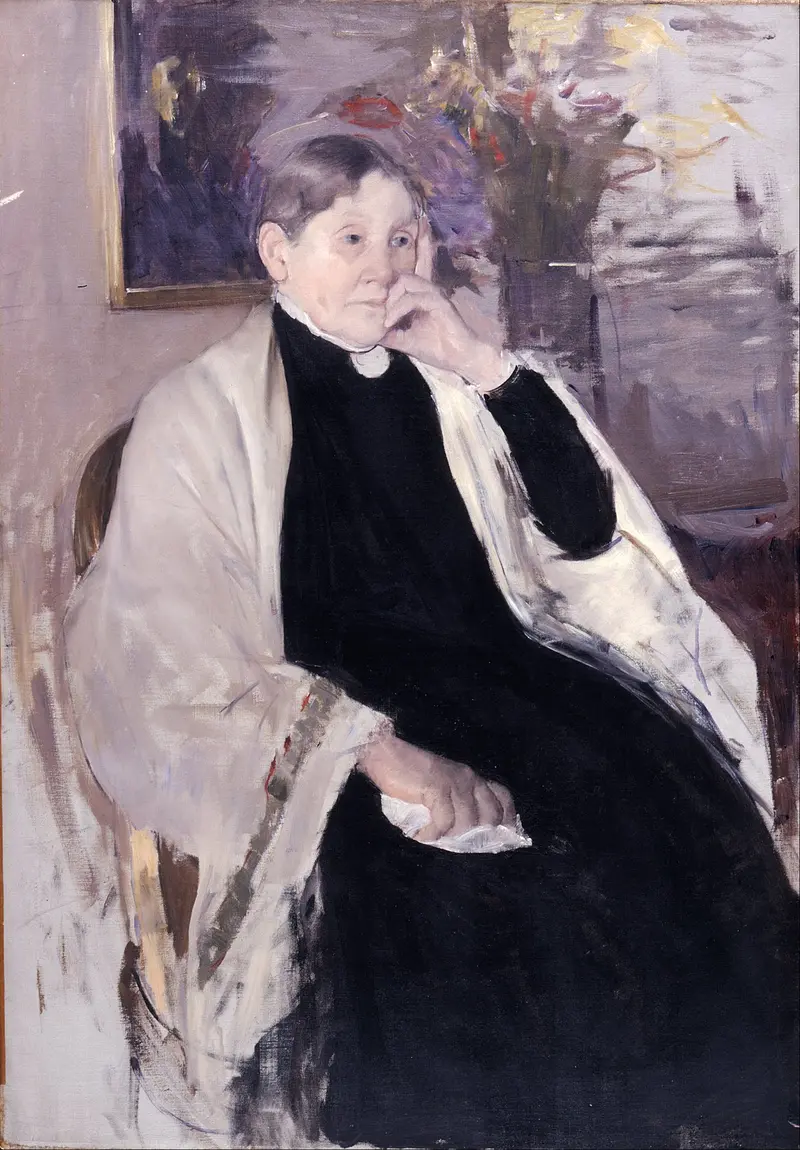
Mrs. Robert S. Cassatt, the Artist's Mother
Mary Cassatt
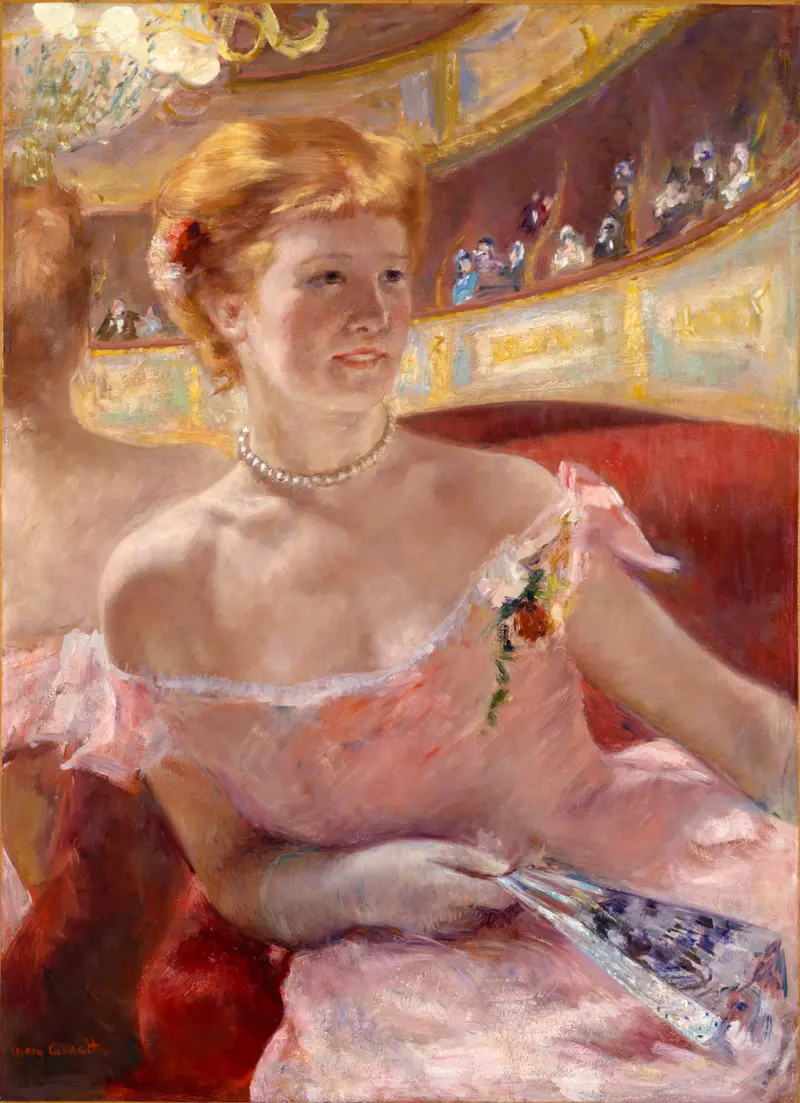
Woman with a Pearl Necklace in a Loge
Mary Cassatt
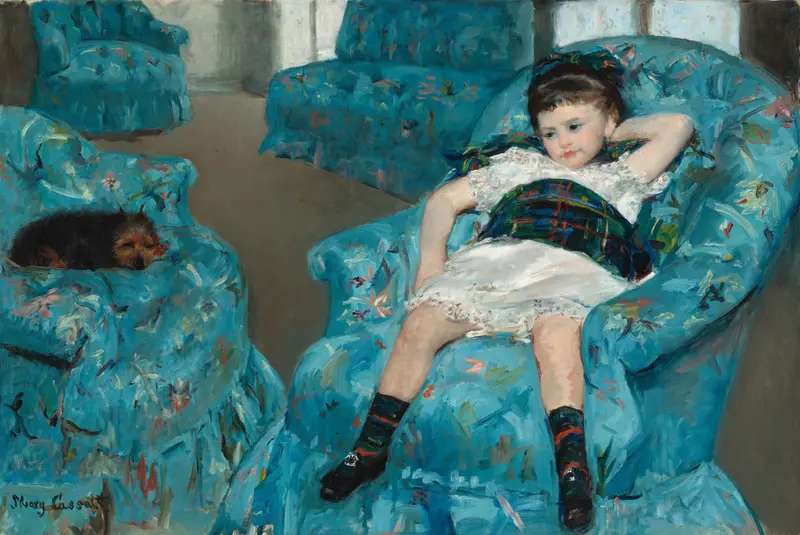
Little Girl in a Blue Armchair
Mary Cassatt
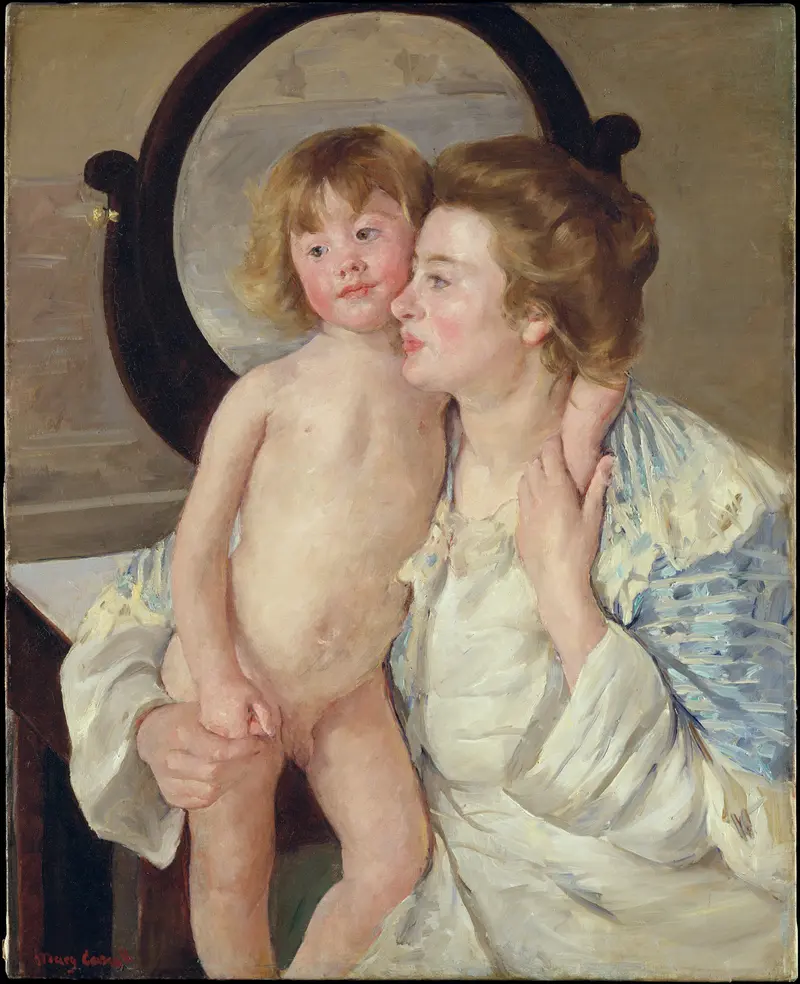
Mother and Child (The Oval Mirror)
Mary Cassatt
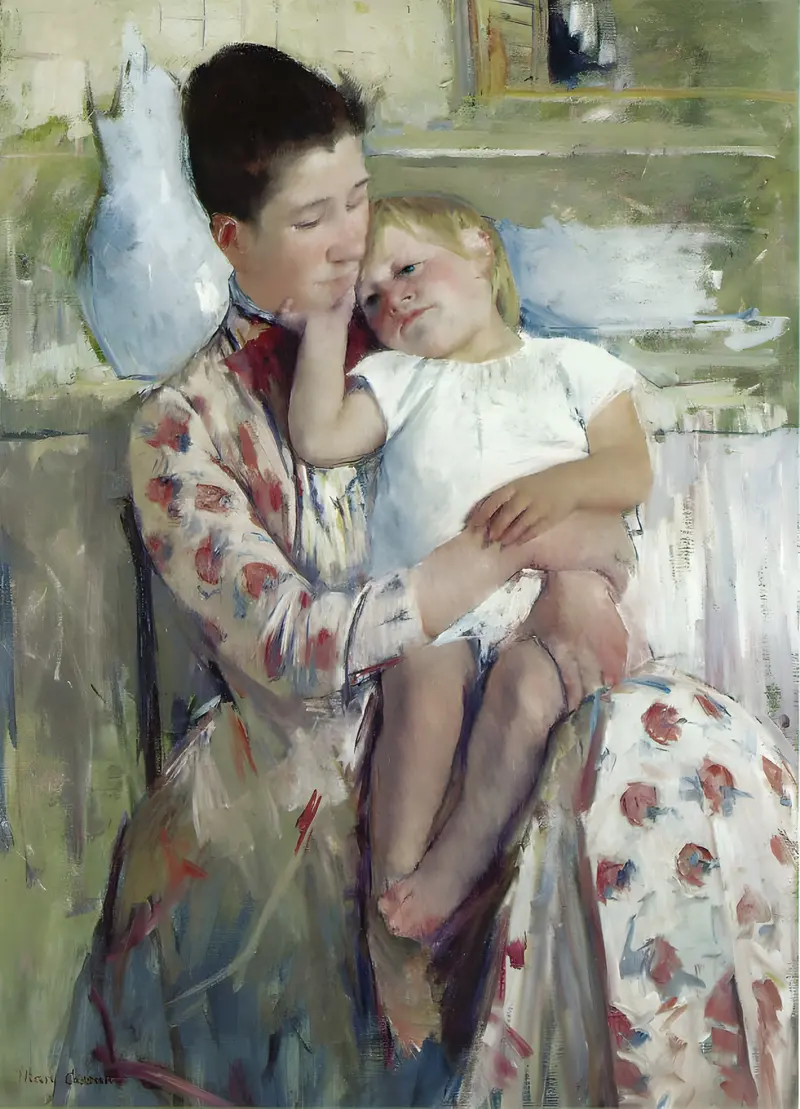
Mother and Child
Mary Cassatt
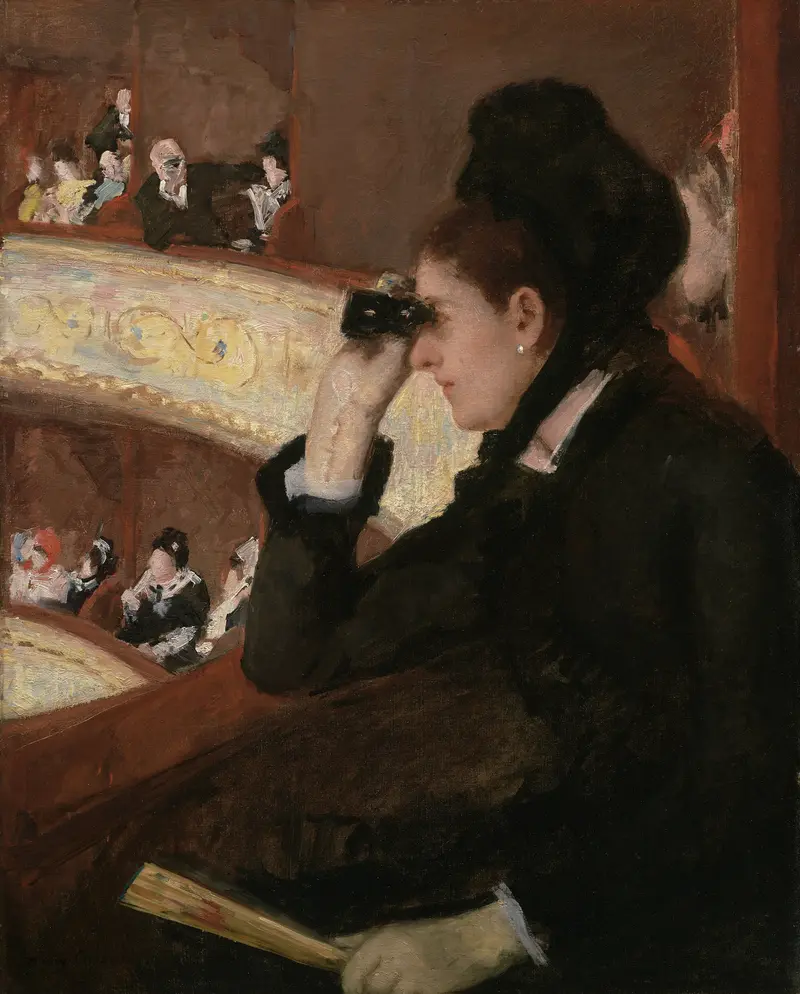
In The Loge
Mary Cassatt
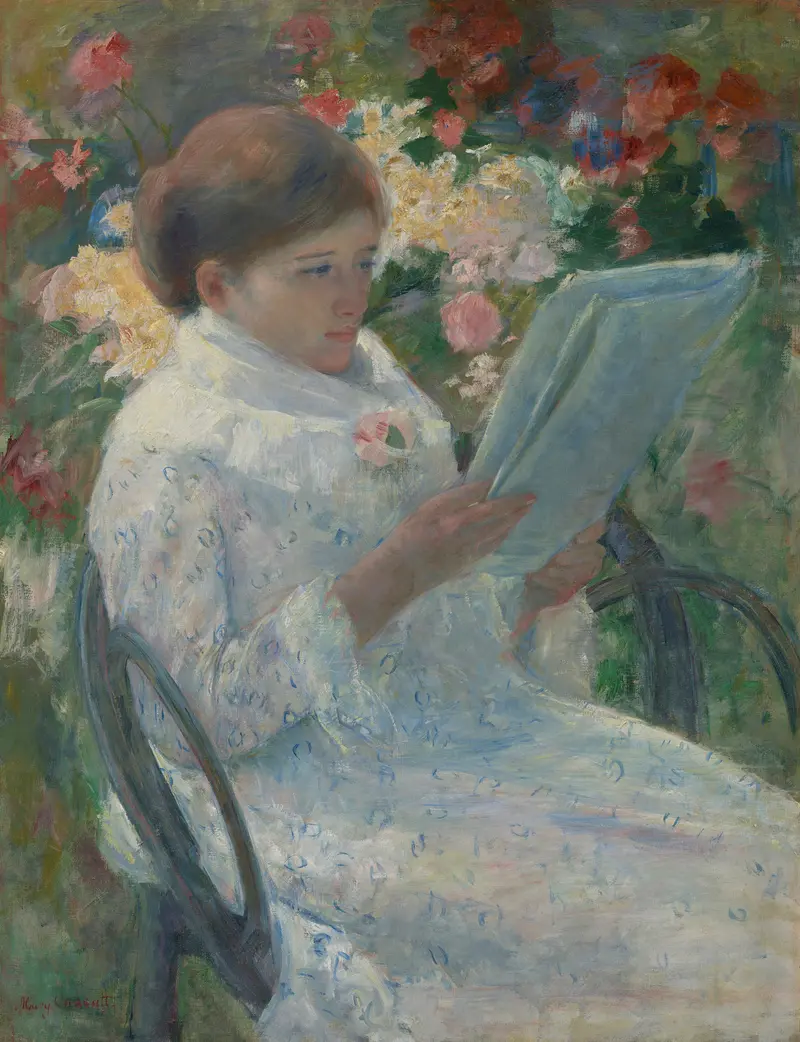
On a Balcony
Mary Cassatt
More Genre Scene Art

Banquet of the Officers of the St George Civic Guard
Frans Hals

Rembrandt and Saskia in the Scene of the Prodigal Son
Rembrandt van Rijn

Bal du moulin de la Galette
Pierre-Auguste Renoir

Quadrille at the Moulin Rouge
Henri de Toulouse-Lautrec

A Burial at Ornans
Gustave Courbet

When Will You Marry?
Paul Gauguin