
Christ and the Samaritan Woman — History & Facts
A shaft of late afternoon light slices through the ruins, picking out the blue and gold of a woman’s dress as she leans over the well, her gesture frozen at the moment of offering water. The scene is alive with movement and tension: the heavy chain of the well, the arching palm tree, the ancient stones framing the figures. At the center, two faces meet—one intent, the other quietly composed—while onlookers peer from the shadows, their curiosity barely contained.
The crumbling architecture and overgrown greenery suggest a world where the past presses in on the present, making this encounter feel both intimate and monumental. Magnasco’s brushwork, restless and energetic, pulls the viewer into the drama, inviting us to linger over every detail. Painted between 1705 and 1710, Christ and the Samaritan Woman belongs to a period when biblical stories were often set against grand, decaying backdrops, their spiritual messages entwined with the romance of lost civilizations. Works like this, created in the early eighteenth century, were favored by patrons who sought both religious instruction and a sense of theatrical spectacle.
Alessandro Magnasco, known for his distinctive, almost feverish style, here transforms the familiar gospel encounter into something urgent and contemporary, as if the ruins themselves are witnesses to revelation. Now in the J. Paul Getty Museum, this painting stands as a testament to a moment when faith, history, and imagination met on the canvas—inviting us to look again, and find new stories in the stones and shadows.
More Artworks by Alessandro Magnasco

The Synagogue
Alessandro Magnasco
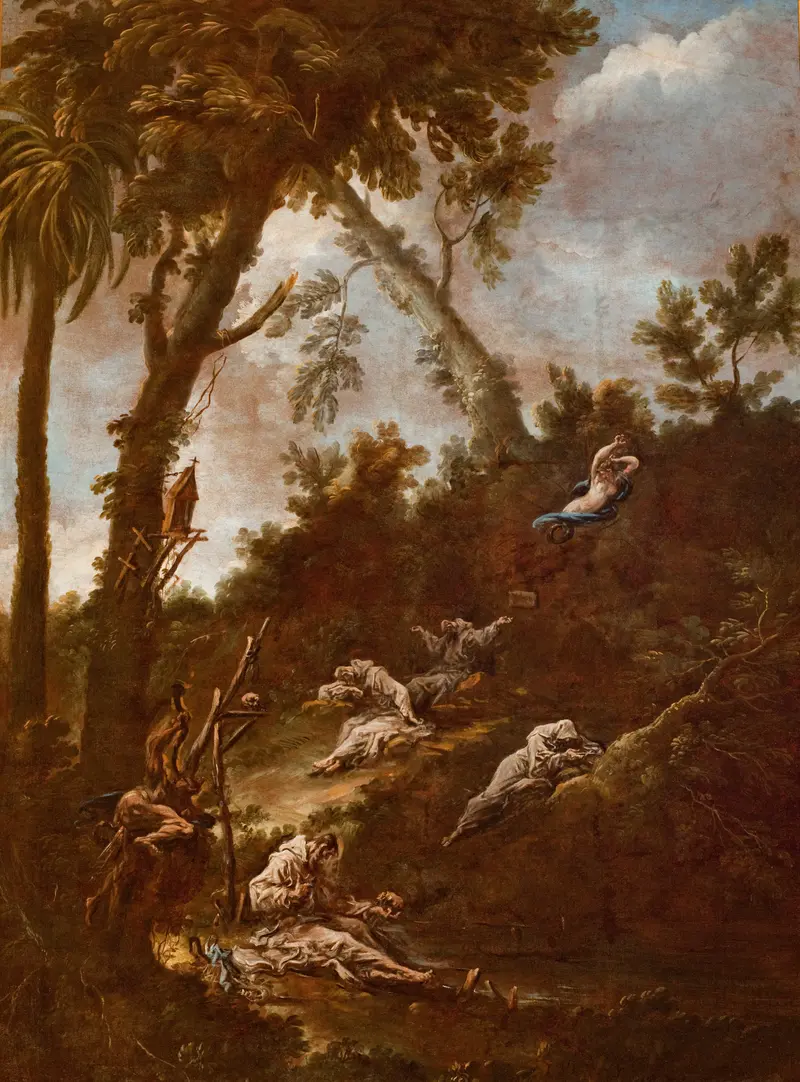
Hermits (Anachorets)
Alessandro Magnasco
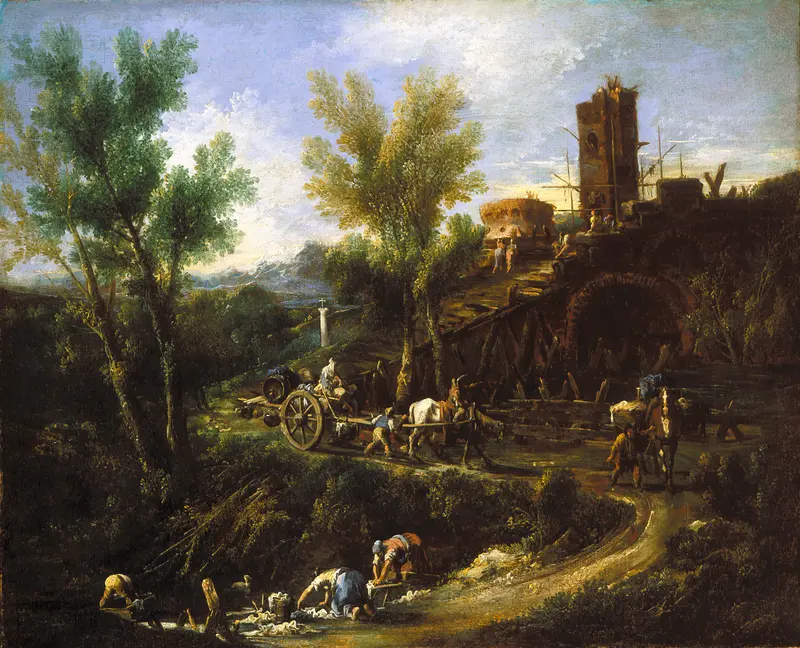
Landscape with Gypsies and Washerwomen
Alessandro Magnasco
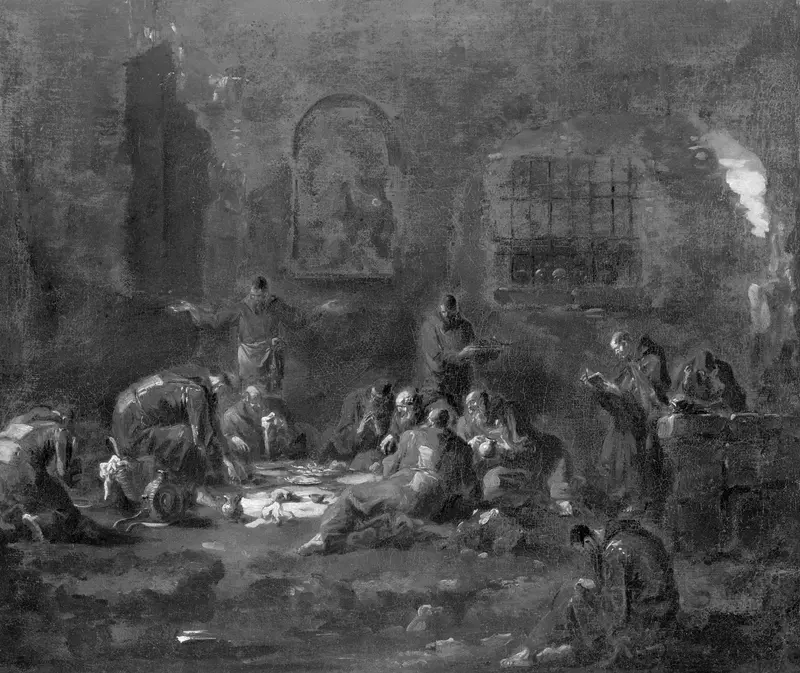
Monks at Supper
Alessandro Magnasco
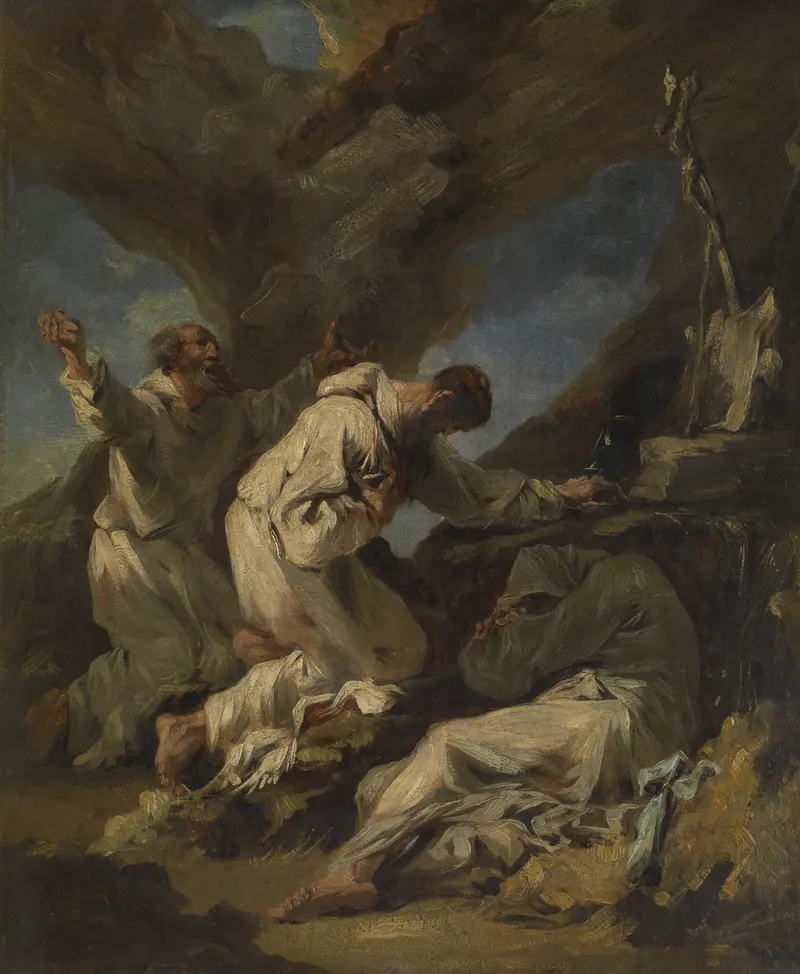
Praying Monks
Alessandro Magnasco
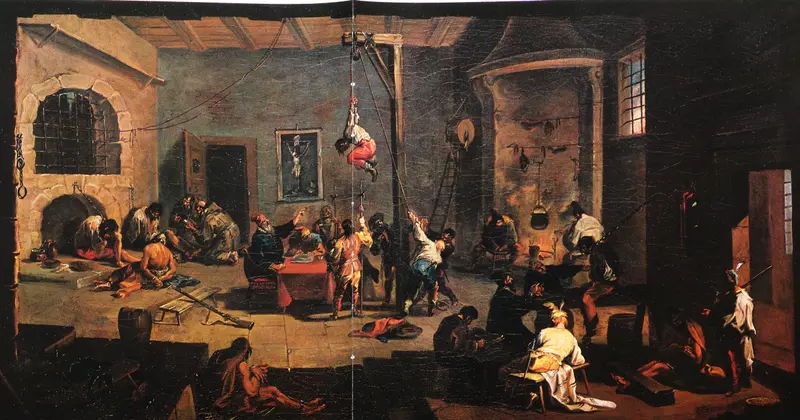
Torture Scene
Alessandro Magnasco
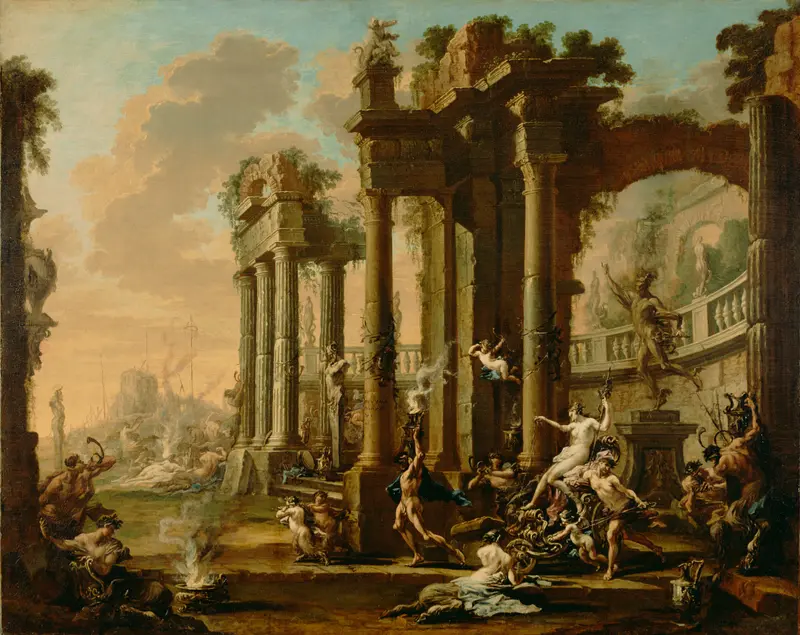
The Triumph of Venus
Alessandro Magnasco
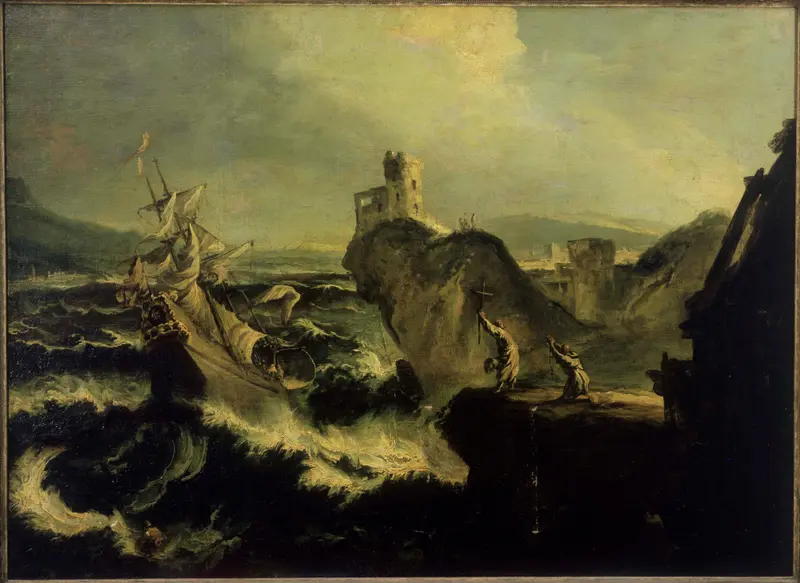
The Shipwreck
Alessandro Magnasco
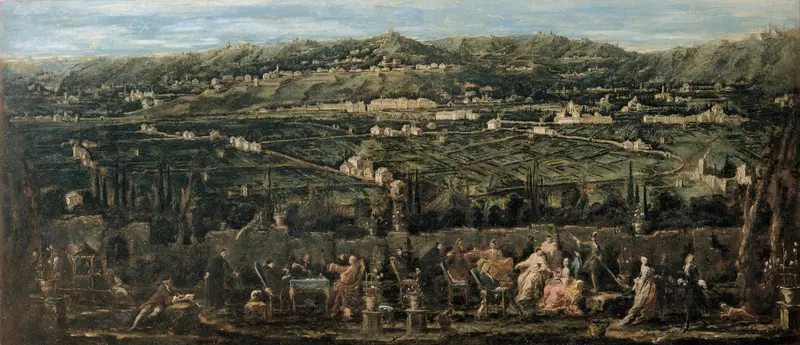
Garden Party in Albaro
Alessandro Magnasco
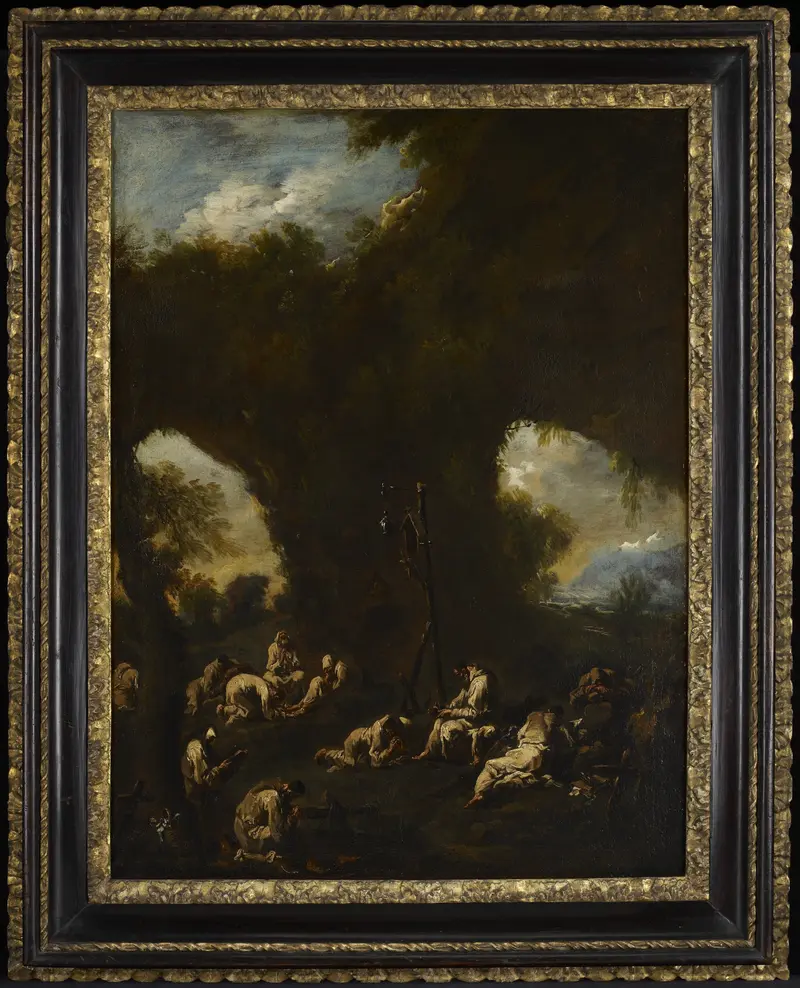
Monks Praying in a Grotto
Alessandro Magnasco





