
Christ at the Sea of Galilee — History & Facts
The eye is caught first by the wild, almost feverish energy of the waves, their white crests slashing across the canvas beneath a sky that seems to churn with equal force. In the midst of this chaos, a lone figure in blue steps out onto the water, his arm extended in a gesture that is both invitation and command. The drama is heightened by the way the trees on either side lean in, framing the scene like spectators drawn to a spectacle.
Every brushstroke in the water and sky seems to vibrate, pulling the viewer into the heart of the storm, where the boundary between land and sea, safety and peril, is blurred. Painted around 1740, Christ at the Sea of Galilee belongs to a world where religious stories were not just told, but felt—where artists like Alessandro Magnasco used turbulent brushwork and restless light to make the miraculous seem immediate. This was a period when Italian painting was shifting, embracing both the grandeur of the Baroque and the flickering uncertainties of the Rococo. Such works were often commissioned for private devotion, meant to inspire awe and reflection in their owners.
While little is recorded about the specific journey of this painting, its presence today in a major collection is a testament to the enduring fascination with moments where the divine interrupts the ordinary. Let your gaze linger on the restless waters, and consider what it means to step out in faith.
More Artworks by Alessandro Magnasco

The Synagogue
Alessandro Magnasco
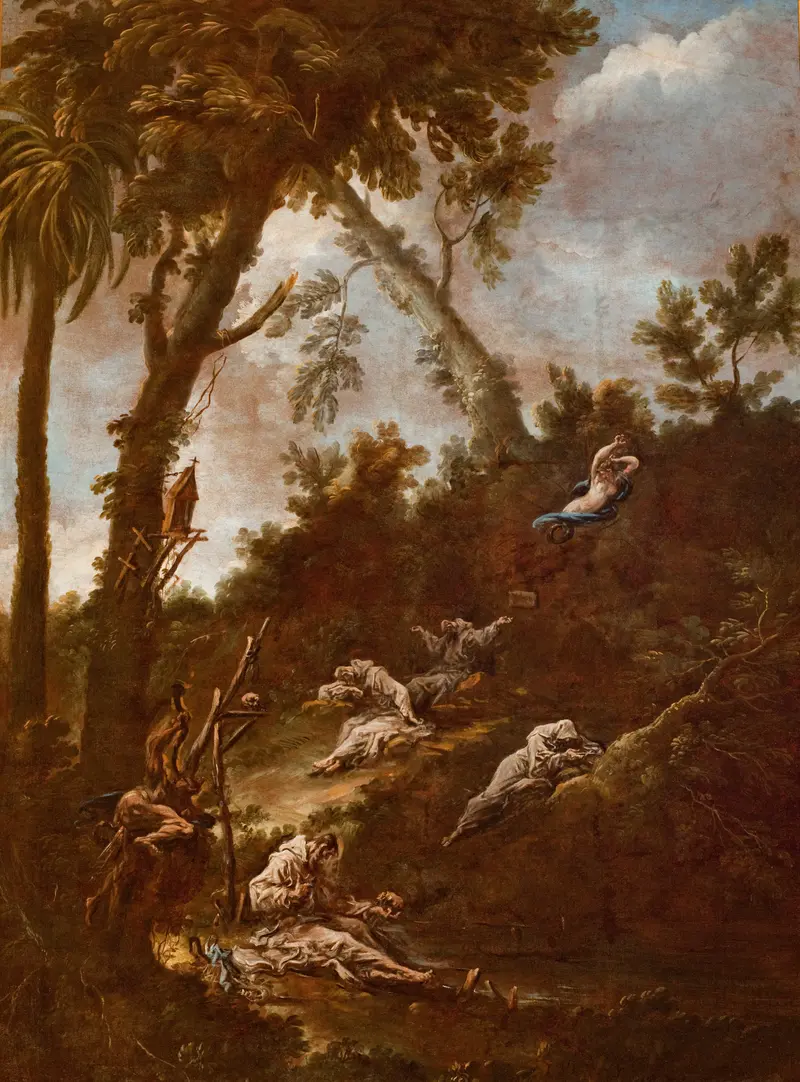
Hermits (Anachorets)
Alessandro Magnasco
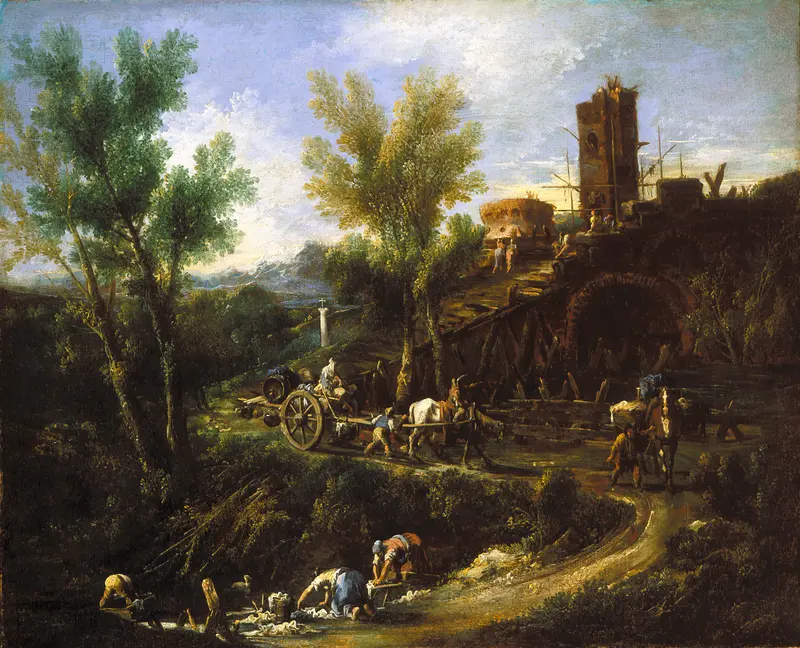
Landscape with Gypsies and Washerwomen
Alessandro Magnasco
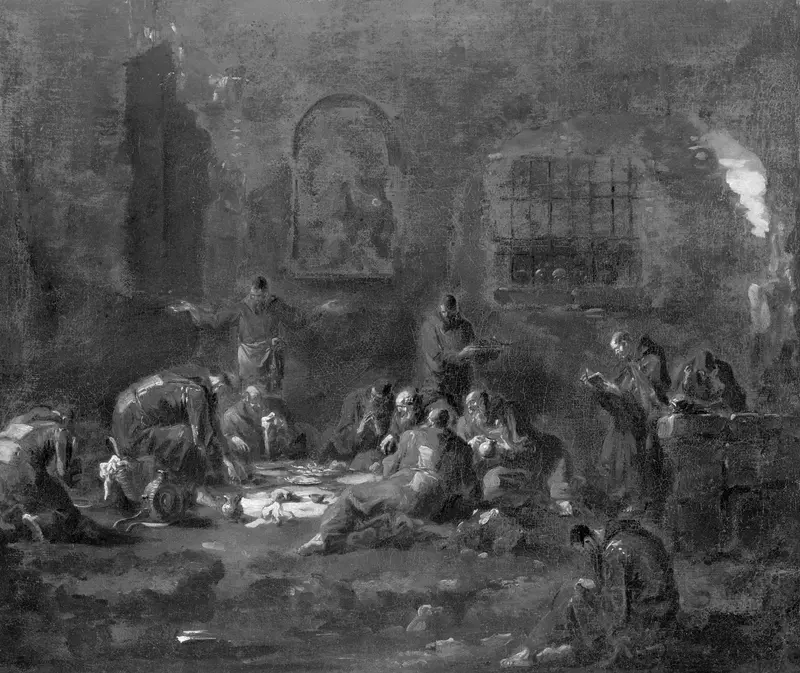
Monks at Supper
Alessandro Magnasco
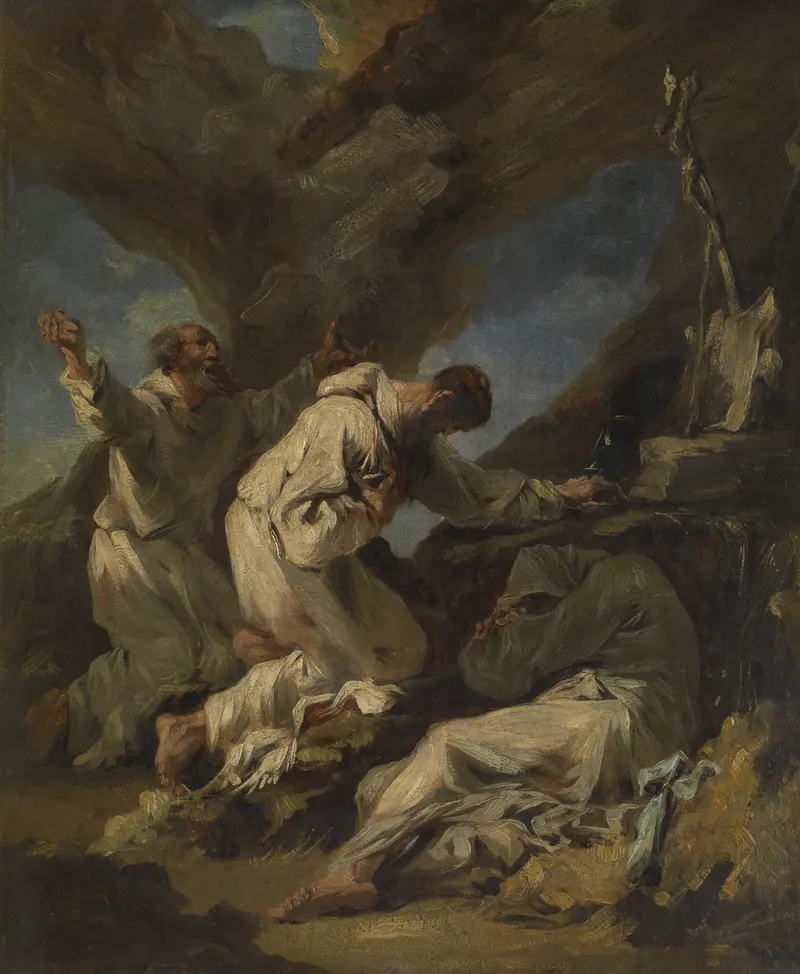
Praying Monks
Alessandro Magnasco
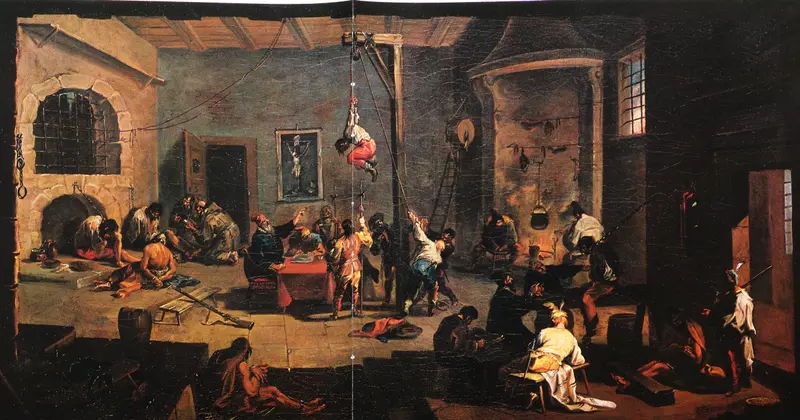
Torture Scene
Alessandro Magnasco
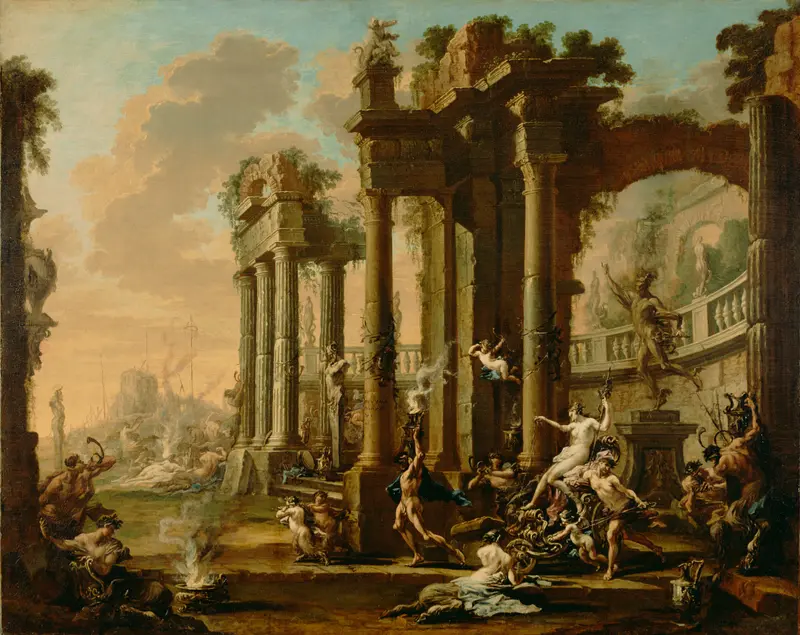
The Triumph of Venus
Alessandro Magnasco
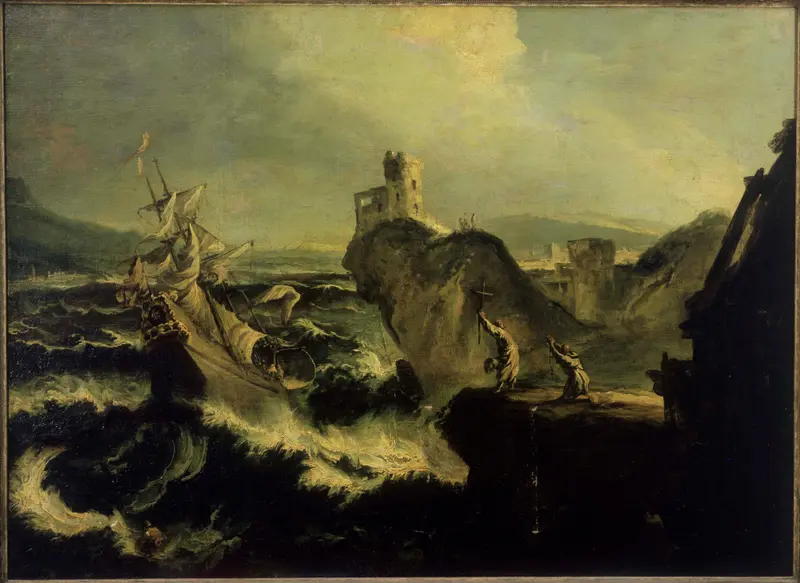
The Shipwreck
Alessandro Magnasco
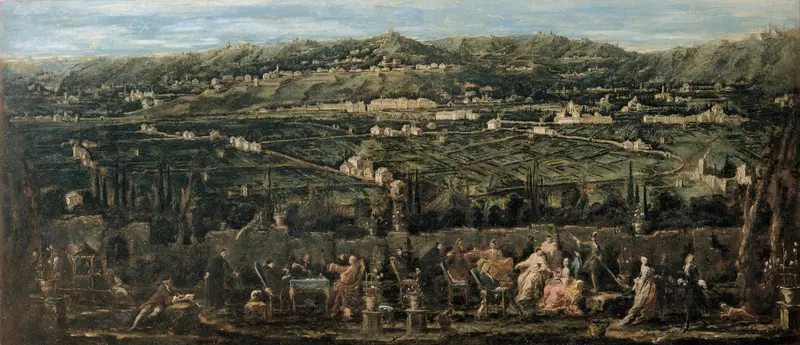
Garden Party in Albaro
Alessandro Magnasco
Monks Praying in a Grotto
Alessandro Magnasco





