
Christ Blessing the Children — History & Facts
When Artemisia Gentileschi painted Christ Blessing the Children in 1626, she was living in Rome and had already established herself as one of the few celebrated female artists of the Baroque era. The painting is remarkable not only for its subject but also because it is one of the rare large-scale religious works by Gentileschi that survives today. Scholars have long noted that, unlike her more famous depictions of biblical heroines, this canvas centers on Christ’s compassion, marking a significant departure in her oeuvre.
There is some debate about the original patron, but records suggest it may have been commissioned for a Roman church, reflecting the Catholic Church’s renewed emphasis on mercy and inclusion during the Counter-Reformation. The scene captures the moment described in the Gospels when Christ, surrounded by his disciples, welcomes children brought to him by their mothers. While the disciples gesture in confusion or mild protest, Christ extends his hand in blessing, his gaze gentle and direct, drawing the viewer into the circle of grace. The children, rendered with individual expressions, cluster at his feet, their small hands reaching out in trust.
The warm, golden light falls across Christ’s face and the children’s hair, emphasizing innocence and divine acceptance. Unlike Rembrandt’s later Let the Little Children Come to Me, which swathes the scene in shadow, Gentileschi uses light to highlight the intimacy and immediacy of the blessing. The physical history of Christ Blessing the Children is less well documented than some of Gentileschi’s other works. While it is known that the painting remained in Italy for centuries, its precise journey—through churches, private collections, and possibly periods of neglect—remains unclear.
It resurfaced in the early twentieth century, at which point it was attributed securely to Gentileschi based on stylistic analysis and comparison with her signed works. Today, the painting is recognized as a testament to her versatility and her engagement with the religious themes of her time, standing apart from the dramatic violence of her Judiths and Susannas. It serves as a reminder of her ability to infuse even the most familiar biblical episodes with humanity and warmth.
More Artworks by Artemisia Gentileschi

Judith Beheading Holofernes
Artemisia Gentileschi
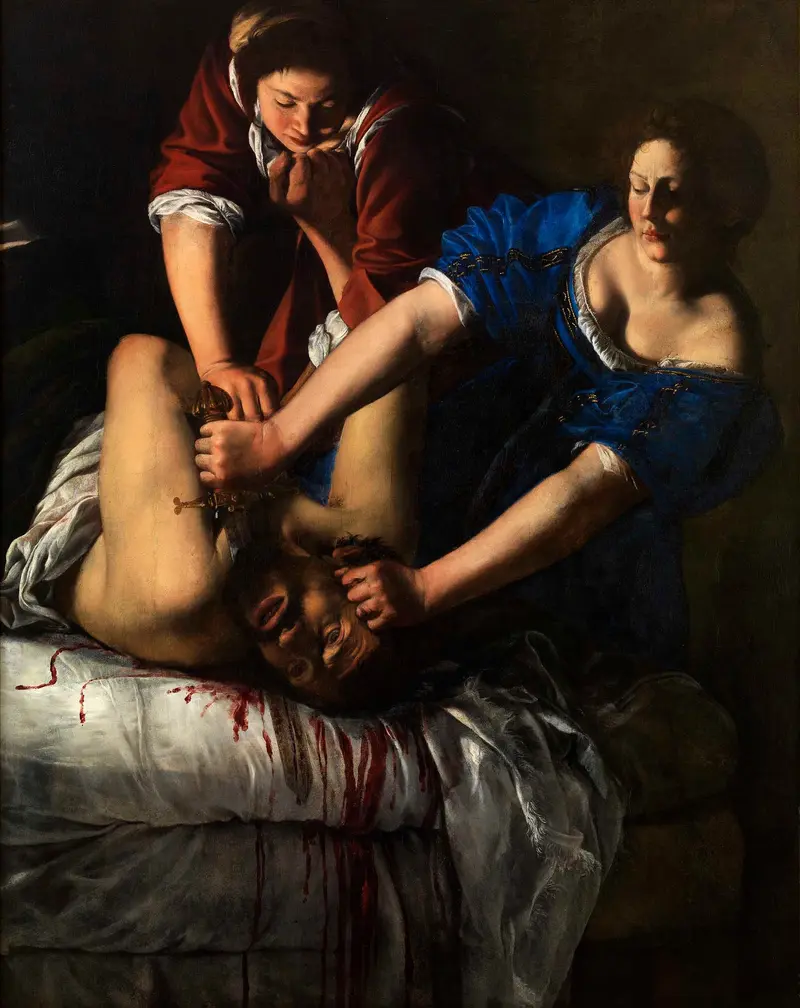
Judith Slaying Holofernes
Artemisia Gentileschi
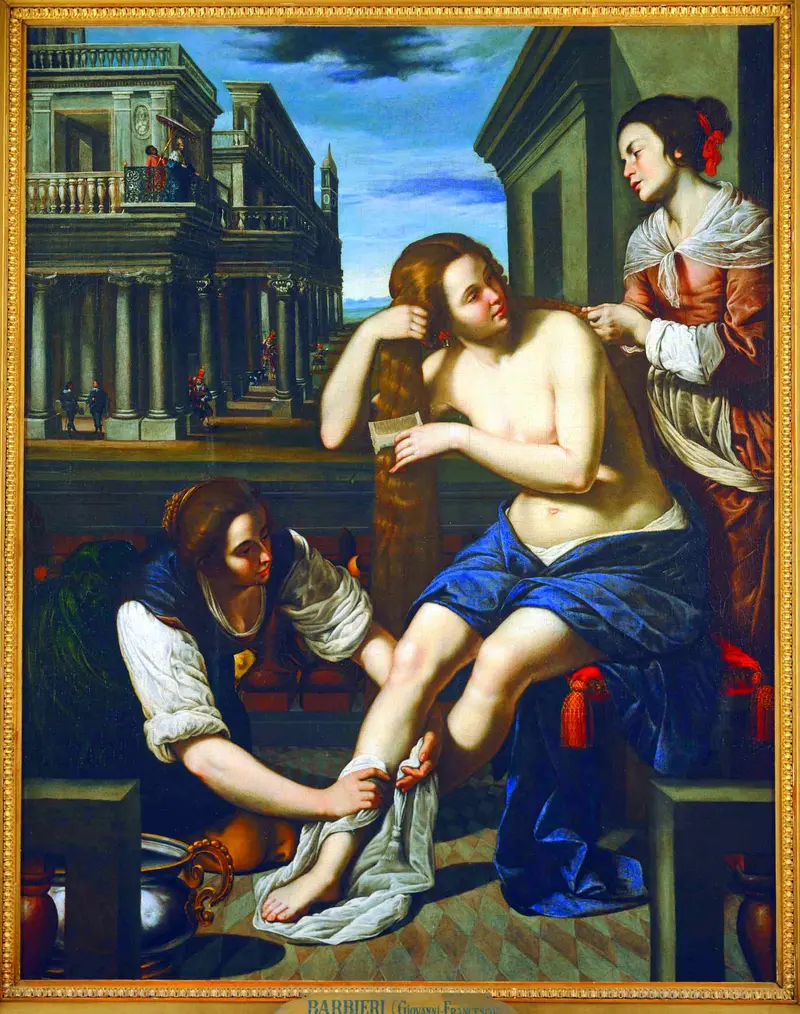
Bathsheba at Her Bath
Artemisia Gentileschi
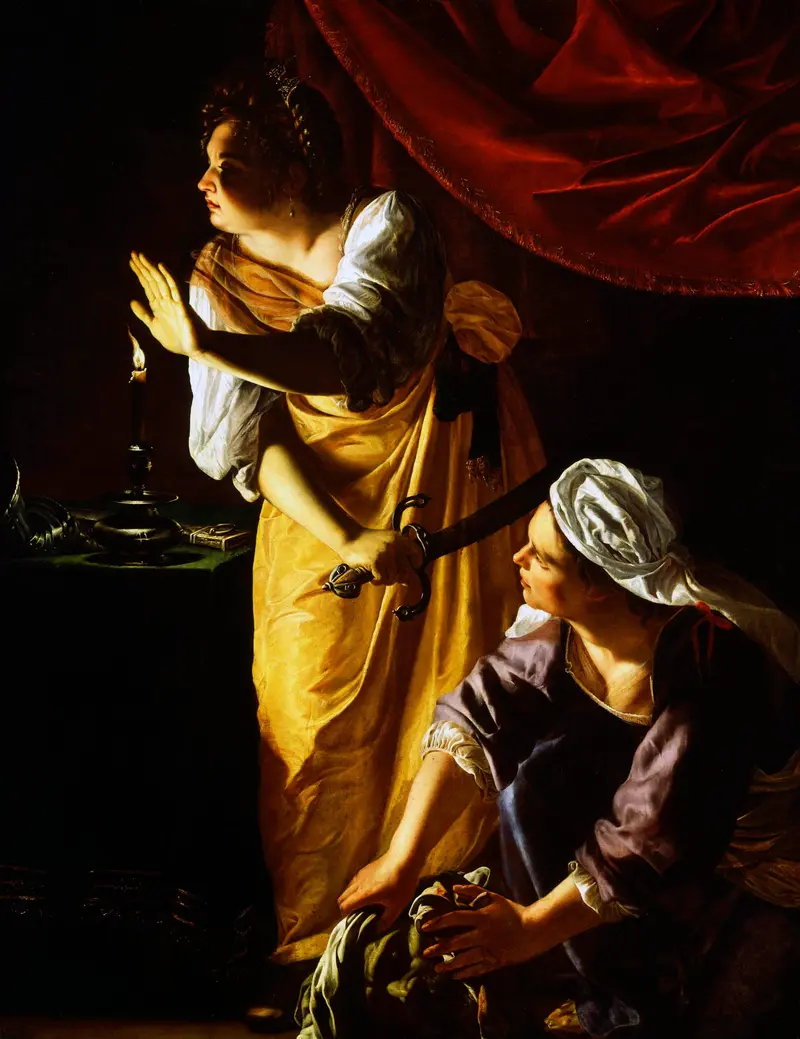
Judith and Maidservant with Head of Holofernes
Artemisia Gentileschi
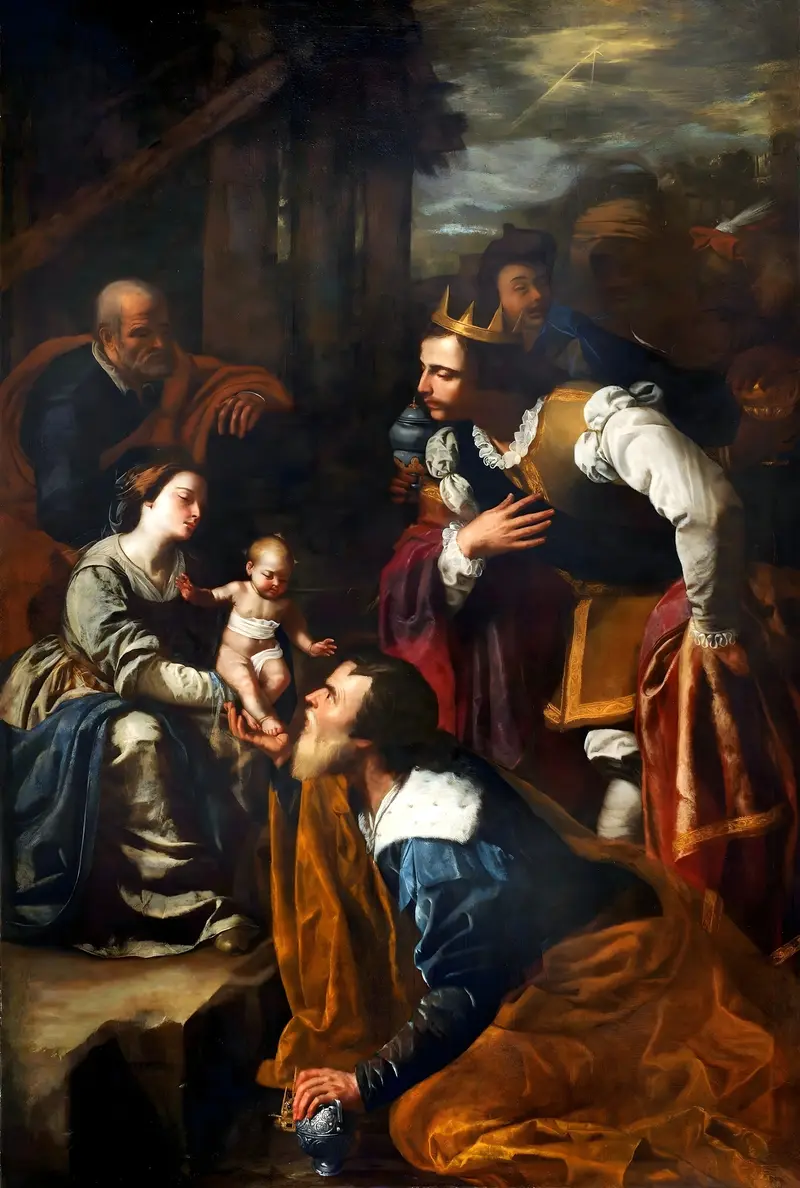
Adoration of the Magi
Artemisia Gentileschi
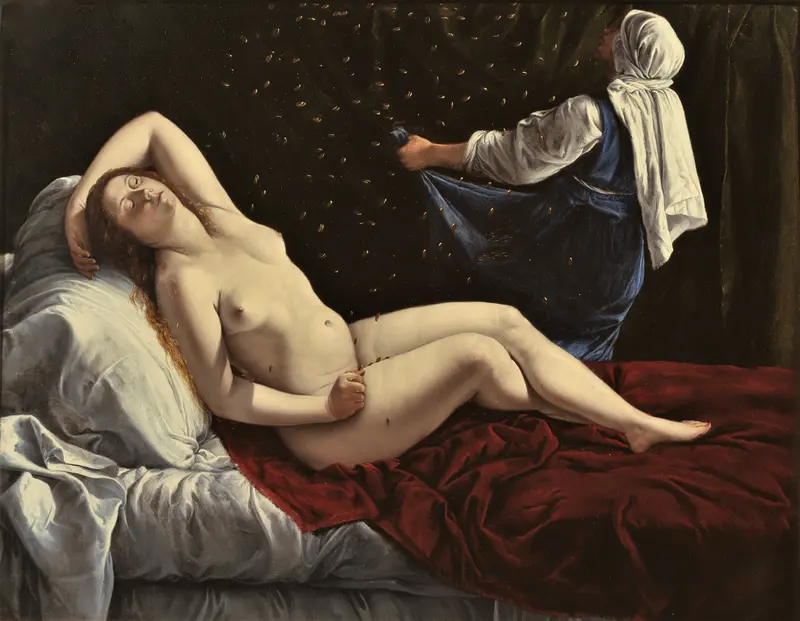
Danaë
Artemisia Gentileschi

Susannah and the Elders
Artemisia Gentileschi

Judith and her Servant with the Head of Holofernes
Artemisia Gentileschi
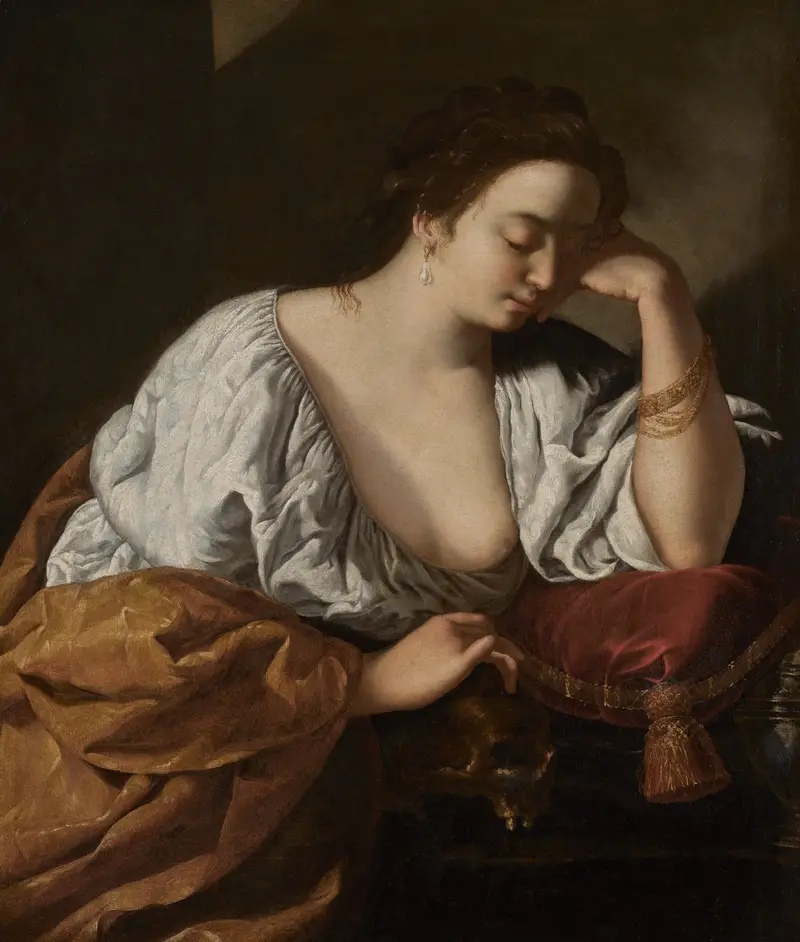
Madeleine pénitente, par
Artemisia Gentileschi

Portrait of a Gonfaloniere
Artemisia Gentileschi





