
Château de Pont-Gibaud — History & Facts
Could a single brushstroke hold eternity? In Château de Pont-Gibaud, a silent yearning pervades the landscape, inviting the viewer to step into a moment suspended between desire and reality. Look to the left at the gentle rise of the verdant hills, enveloping the grand château with a soft embrace. The artist masterfully employs a blend of earthy greens and soft blues, creating harmony that breathes life into the scene. Notice how the light catches the shimmering water of the nearby river, reflecting the delicate hues of the sky, while the architectural lines of the château draw the eye upward, evoking a sense of aspiration and tranquility. Within this idyllic setting, there lies a tension between the natural world and human ambition.
The château, a symbol of human endeavor, stands resilient against the backdrop of nature, yet it appears almost ethereal, as if it exists both in this world and another. The interplay of light and shadow hints at fleeting moments — aspirations that may never be fully realized, echoing the desire inherent in the act of creation itself. Eugène Isabey painted Château de Pont-Gibaud in 1830, during a period of artistic transition in France. He was deeply influenced by the Romantic movement, which sought to express emotion and individualism, moving away from the strictures of Neoclassicism.
At the time, Isabey was known for his landscape paintings, capturing the beauty of nature infused with a sense of nostalgia, reflective of his personal experiences and the broader cultural shifts occurring in Europe.
More Artworks by Eugène Isabey
Browse all →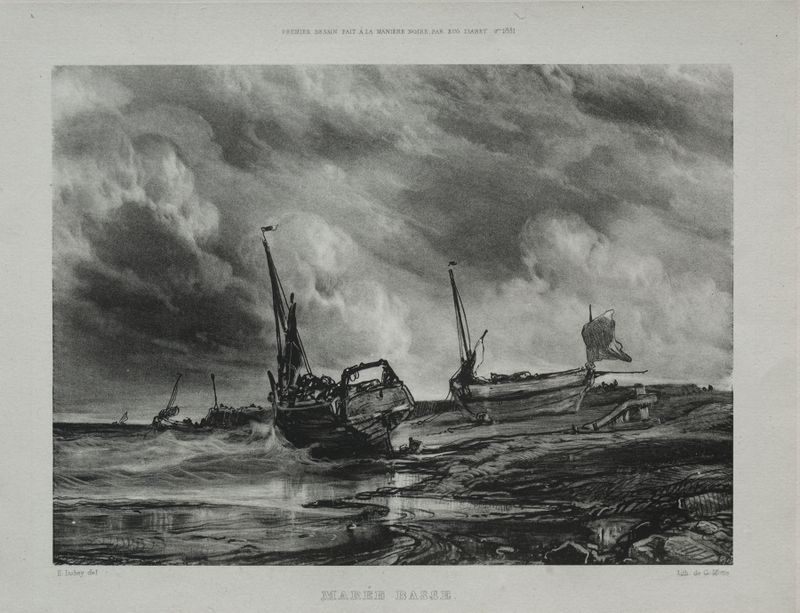
Marée basse
Eugène Isabey

Shipwreck
Eugène Isabey

Shipwreck
Eugène Isabey

The Wreck
Eugène Isabey
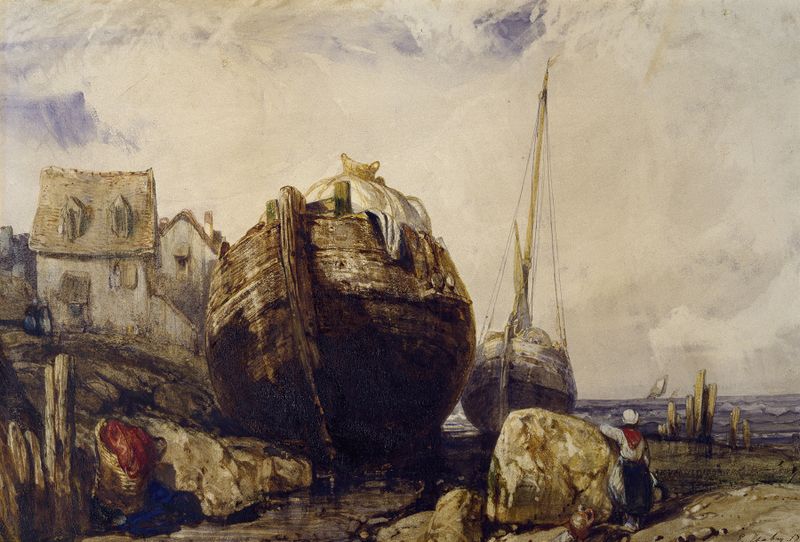
Fishing Boats
Eugène Isabey
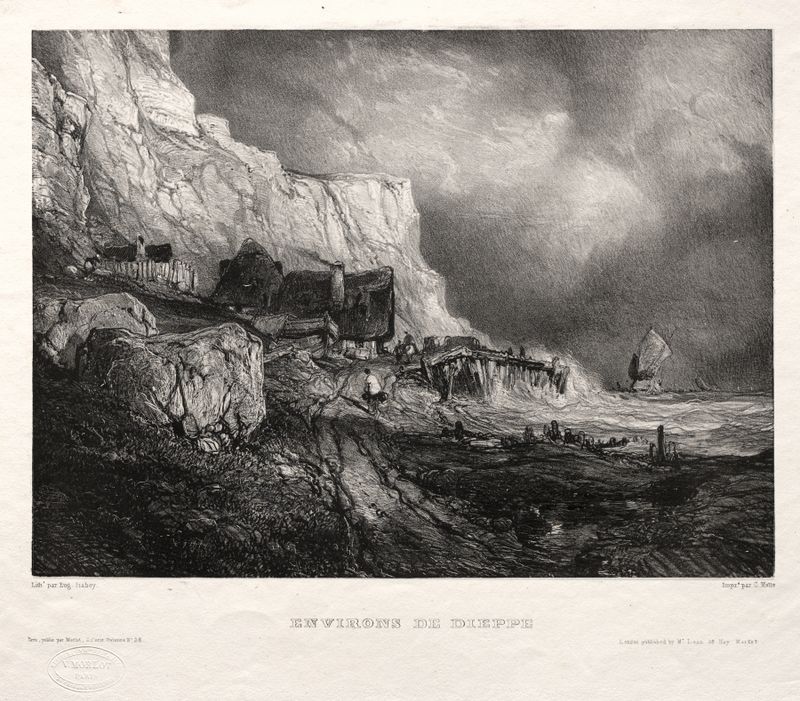
Environs de Dieppe
Eugène Isabey
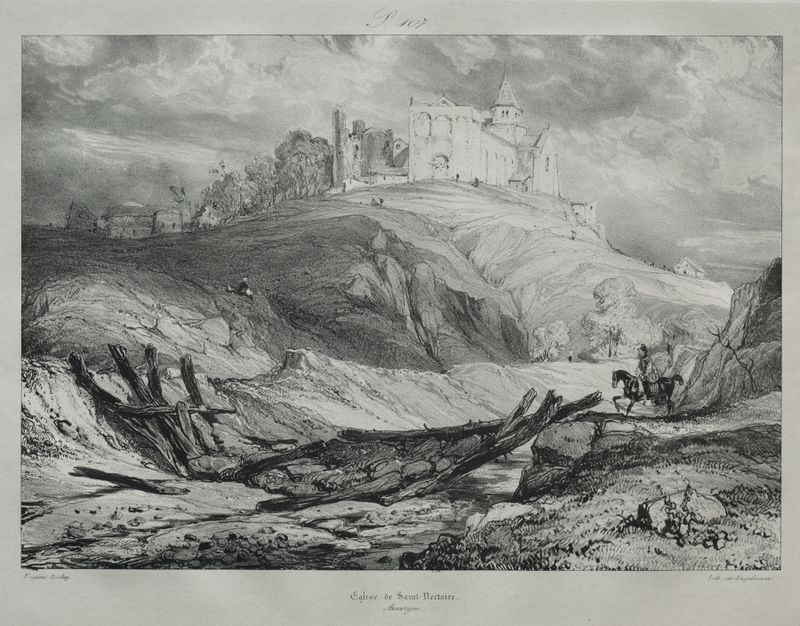
Église de St. Nectaire
Eugène Isabey

Fishing boat at the seaside
Eugène Isabey

Sunset on the Normandy Coast
Eugène Isabey
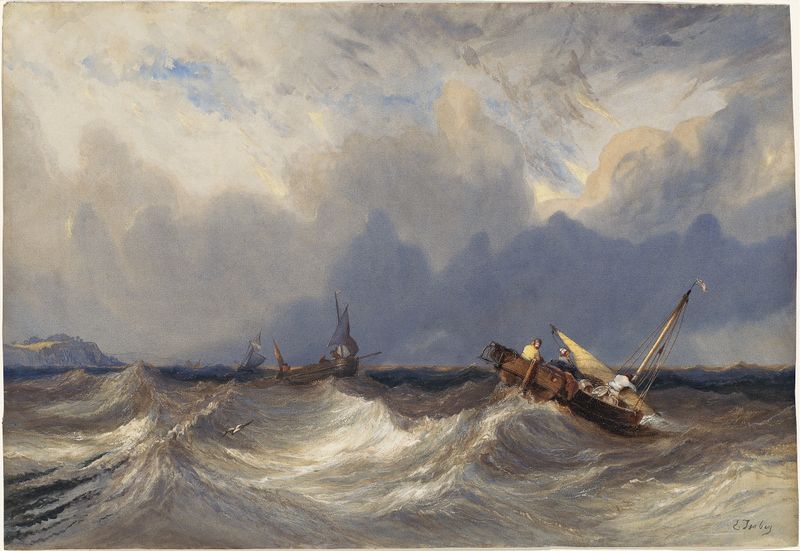
Fishing Boats Tossed before a Storm
Eugène Isabey





