
Clement’s Inn — History & Facts
Could a single brushstroke hold eternity? In the delicate strokes of this artwork, a whisper of melancholy unfurls, inviting the viewer to pause and reflect. Look closely at the serene, winding canal that meanders through the composition. Notice how the gentle ripples of water capture the muted colors of the sky, a blend of soft blues and grays that hint at an impending twilight. To the left, the gnarled branches of trees arch over the water, their skeletal forms contrasting with the tranquil flow below.
The light, diffused and soft, casts a dreamlike quality over the scene, imbuing it with both beauty and a sense of longing. Beneath the serene exterior lies a profound emotional tension. The almost ghostly figures of the distant buildings suggest lives once lived, now overshadowed by the passage of time. The languid reflection in the water mirrors this sentiment, blurring the boundary between reality and memory.
Each element whispers of stories untold, evoking a sense of loss intertwined with the beauty of existence. Created between 1794 and 1800, this piece emerged during a period of profound change in England, as artists began to explore themes of nature and the human experience with greater depth. Samuel Ireland painted this scene at a time when Romanticism was beginning to take hold, reflecting both personal introspection and a wider societal shift towards valuing emotional resonance in art. The quiet yet pervasive melancholy encapsulated in this work speaks to the artist's sensitivity to the world around him.
More Artworks by Samuel Ireland
Browse all →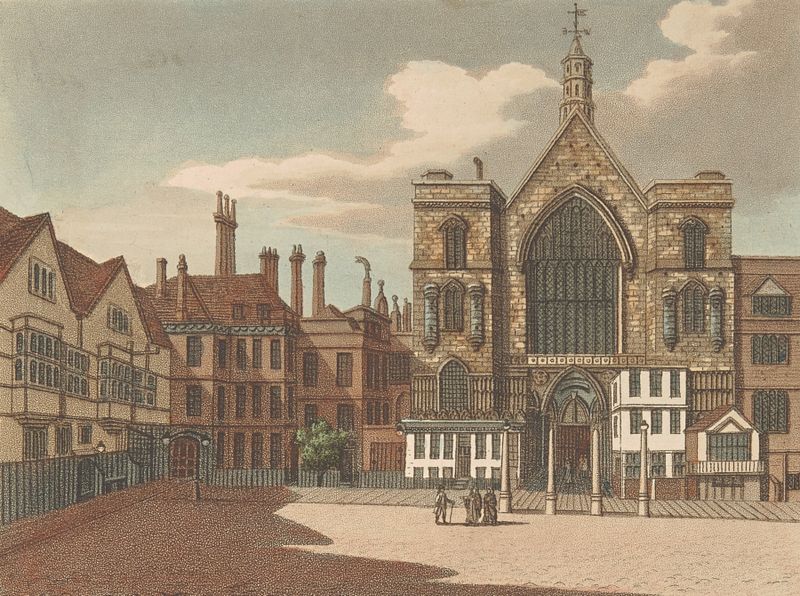
Westminster Hall
Samuel Ireland

Southwest View of Middle Temple
Samuel Ireland
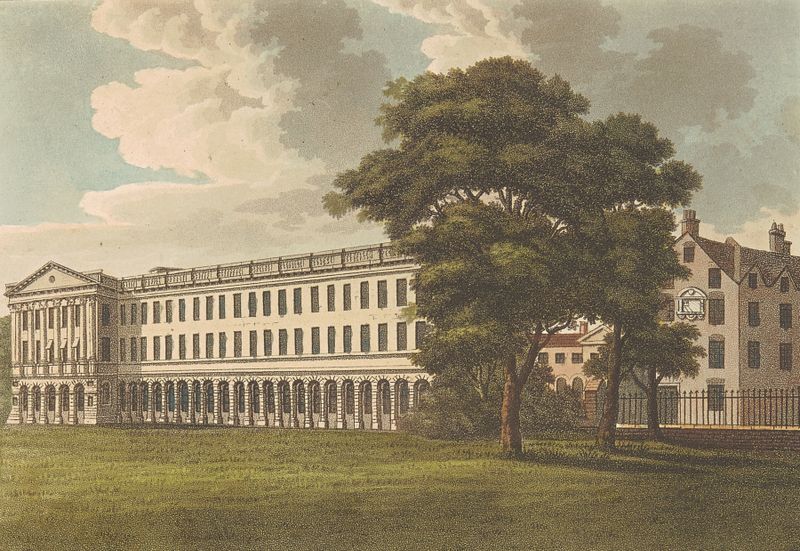
Stone Buildings, Lincoln’s Inn
Samuel Ireland
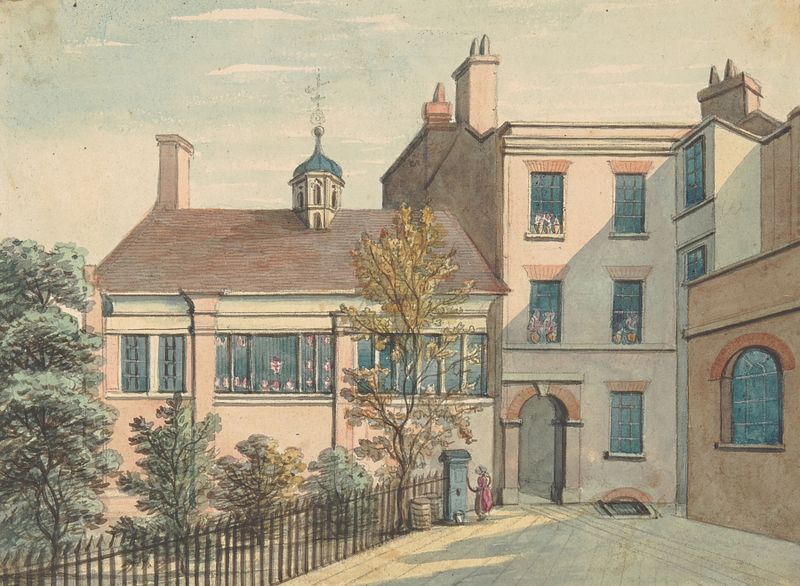
Barnard’s Inn
Samuel Ireland

Lincoln’s Inn Hall and Chapel
Samuel Ireland

Lion’s Inn
Samuel Ireland
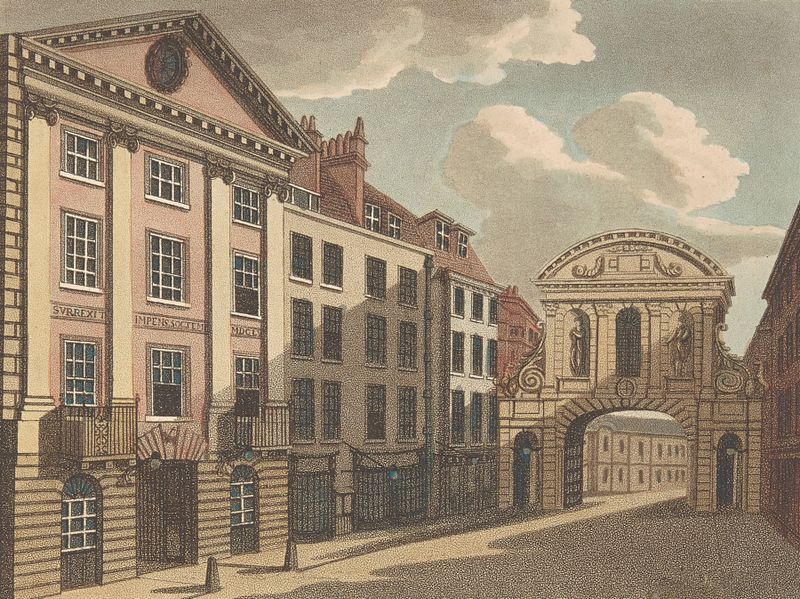
Middle Temple Gate
Samuel Ireland
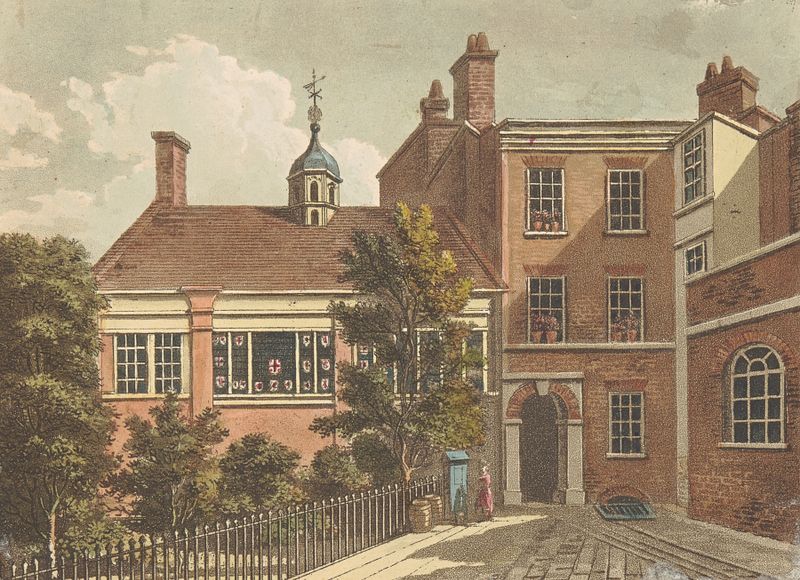
Barnard’s Inn
Samuel Ireland

Westminster Hall
Samuel Ireland
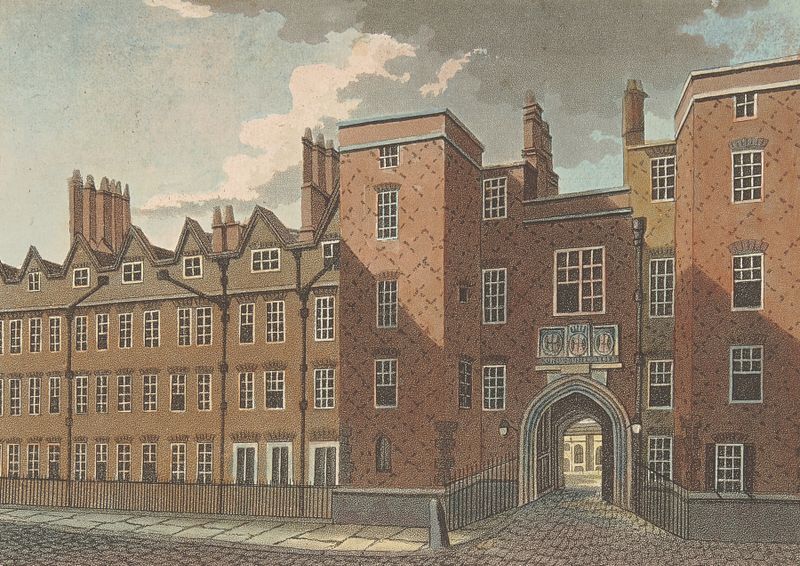
Lincoln’s Inn Gate
Samuel Ireland





