
Cléopâtre 01 — History & Facts
What first draws the eye in Cléopâtre 01 is the queen’s languid pose—her body draped across a riot of patterned fabrics, her gaze fixed somewhere beyond the frame. The artist, Alexandre Cabanel, chooses not to show action or spectacle, but a moment of poised waiting, the calm before a decision or a verdict. Cleopatra’s bare torso and the heavy, lapis-blue necklace signal both her power and her vulnerability, while the cool, indirect light caresses her skin and the rich textures around her.
The sweep of her arm, resting almost carelessly atop the cushions, creates a diagonal that leads the viewer’s eye from her thoughtful profile down to her relaxed foot, grounding her presence in this imagined palace interior. Painted between 1886 and 1887, this work belongs to a period when European artists were fascinated by the ancient world, especially its most enigmatic rulers. In the late nineteenth century, scenes of Cleopatra became a favored subject, blending archaeological curiosity with Orientalist fantasy. Cabanel was renowned for his academic precision and his ability to conjure the allure of historical figures, and here he sketches the Egyptian queen not in the throes of legend, but in a moment of introspection.
The painting’s survival in a private collection, as documented in 2019, is a reminder that history has kept few traces of some works, leaving us with only the image itself—and the questions it poses about power, beauty, and the stories we tell about the past.
More Artworks by Alexandre Cabanel
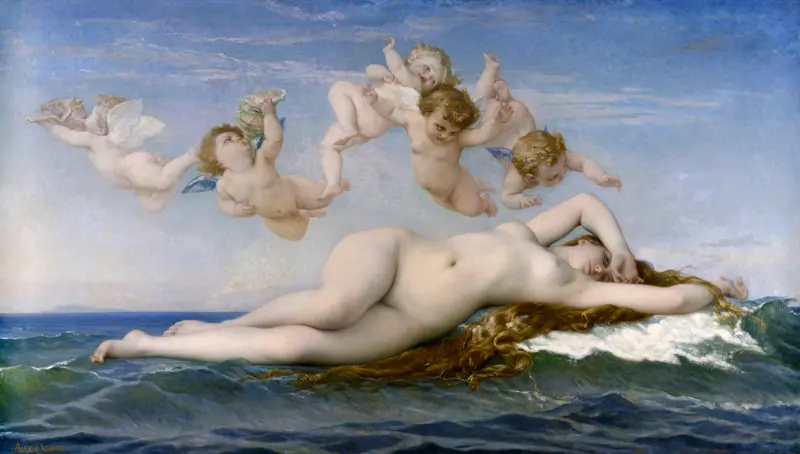
The Birth of Venus
Alexandre Cabanel
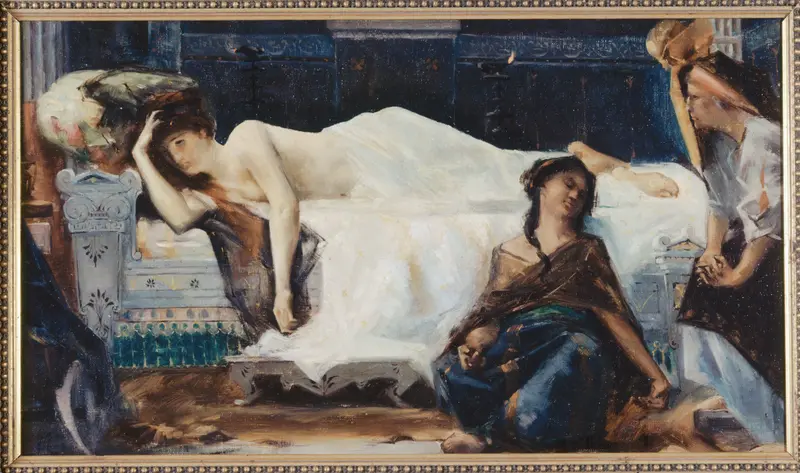
Phèdre
Alexandre Cabanel
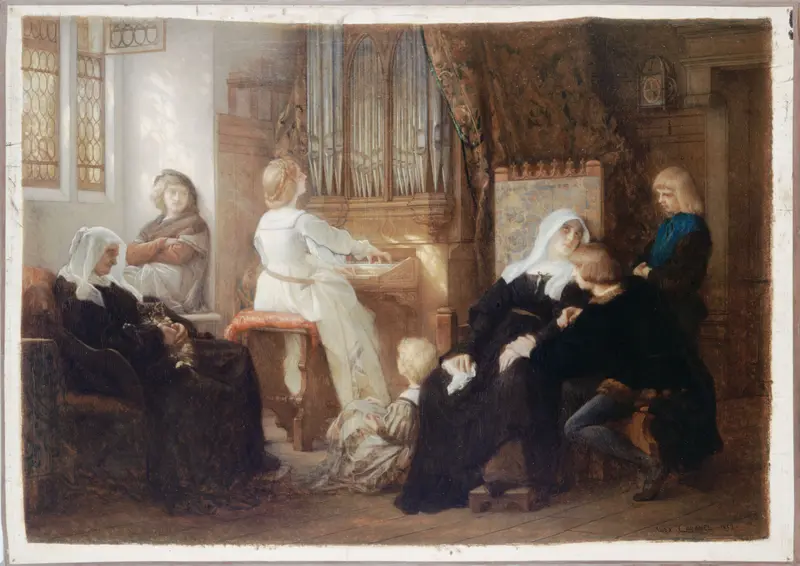
La veuve du maître de chapelle
Alexandre Cabanel
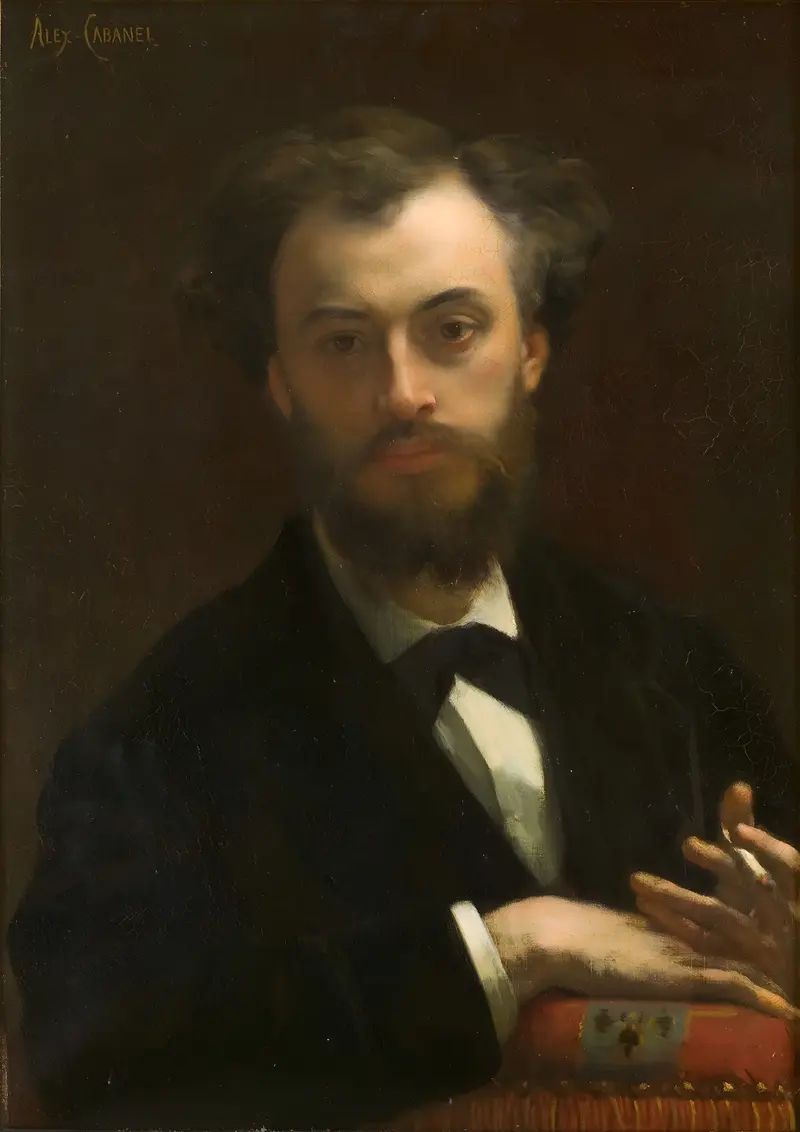
Portrait de M. Pierre Cabanel
Alexandre Cabanel
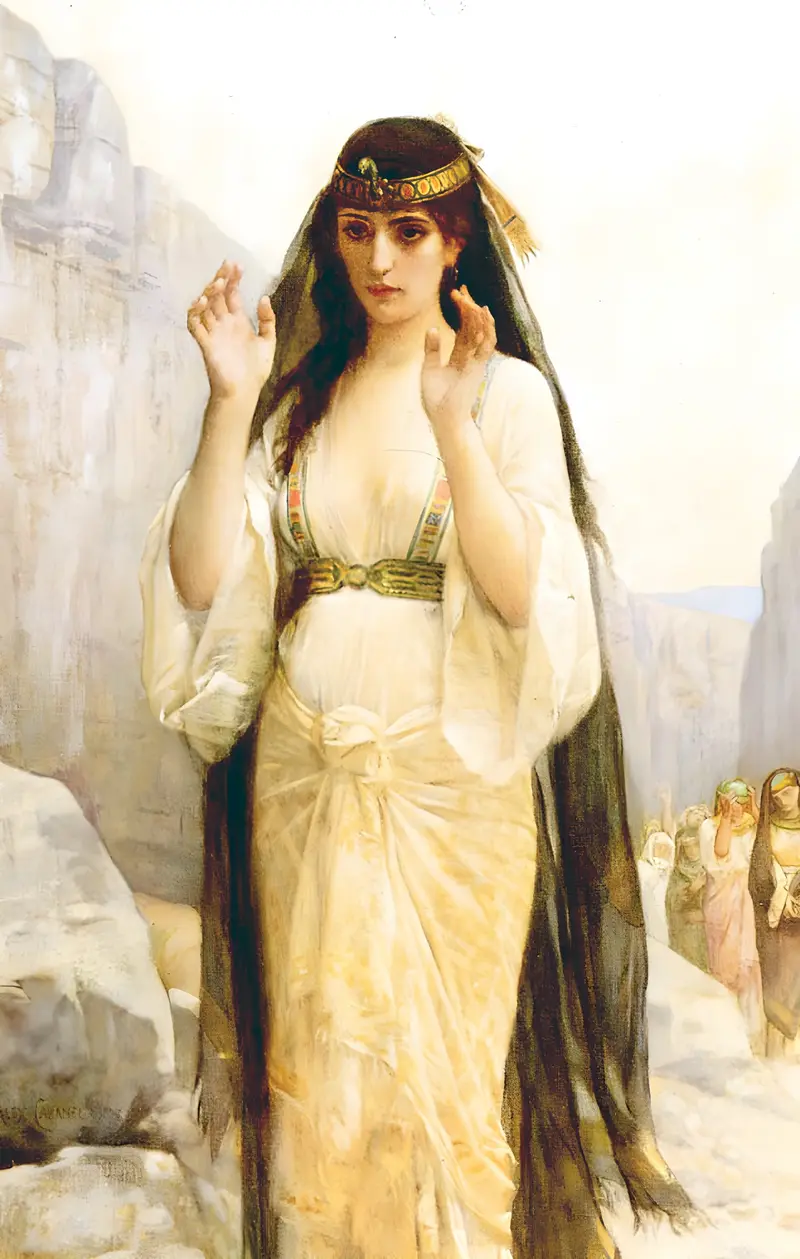
The Daughter of Jephthah
Alexandre Cabanel
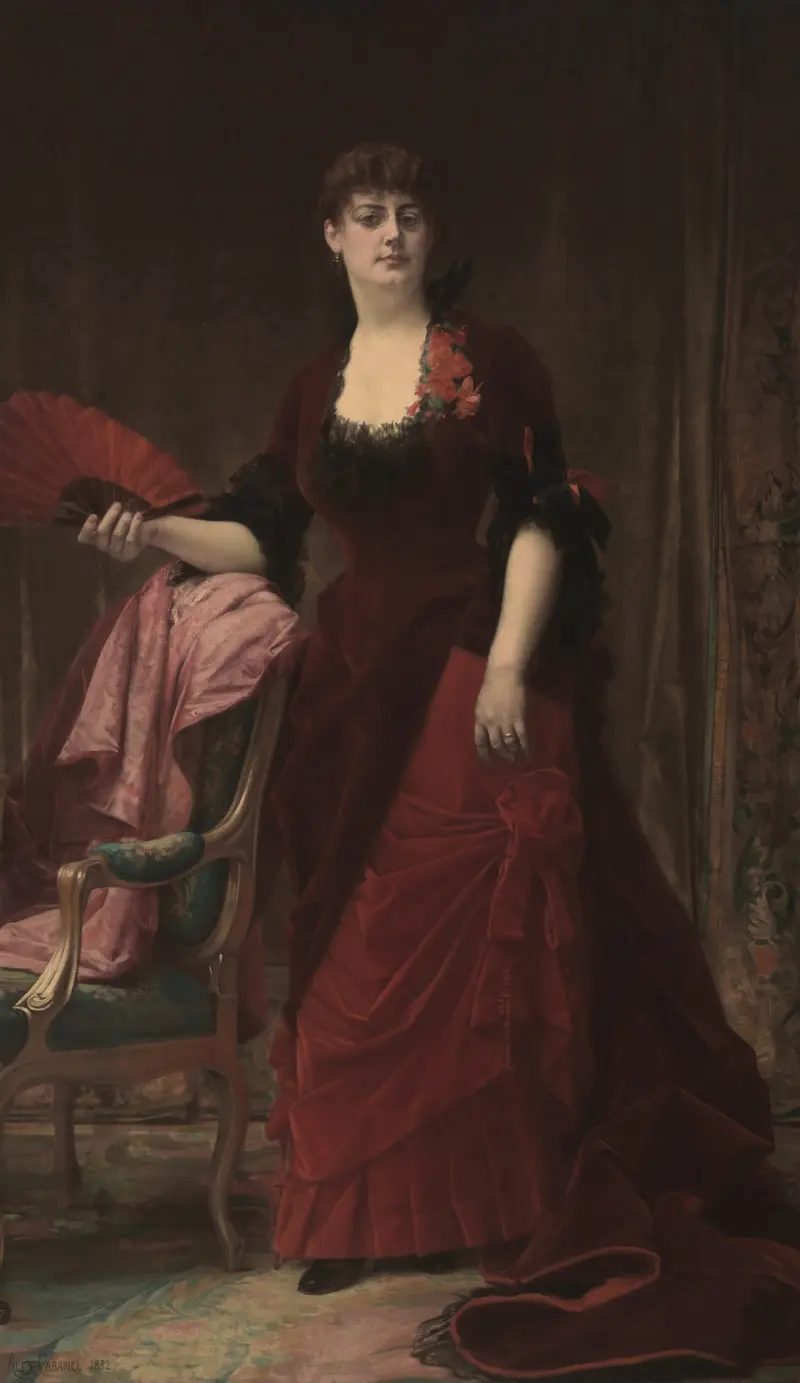
Portrait of Arabella Worsham (later Arabella Huntington)
Alexandre Cabanel
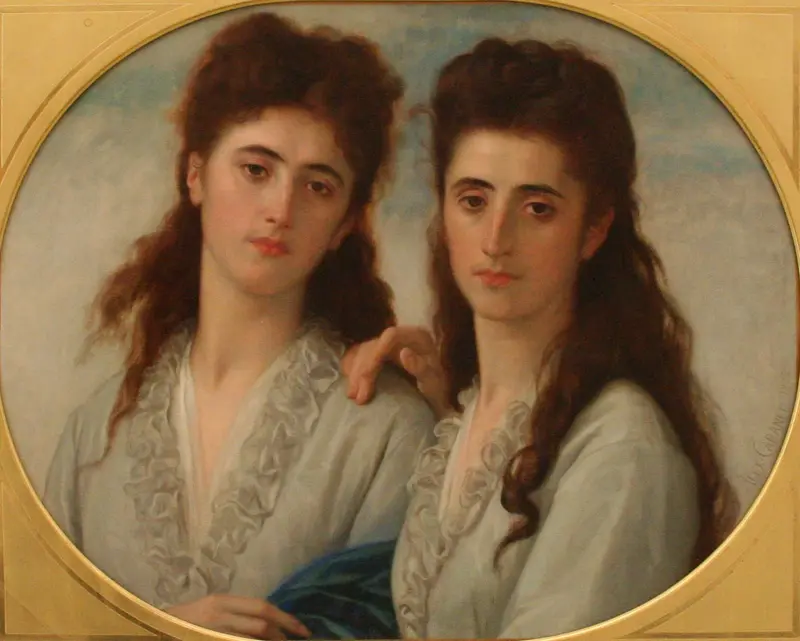
Portrait de mesdemoiselles Sophie et Berthe Cabanel
Alexandre Cabanel
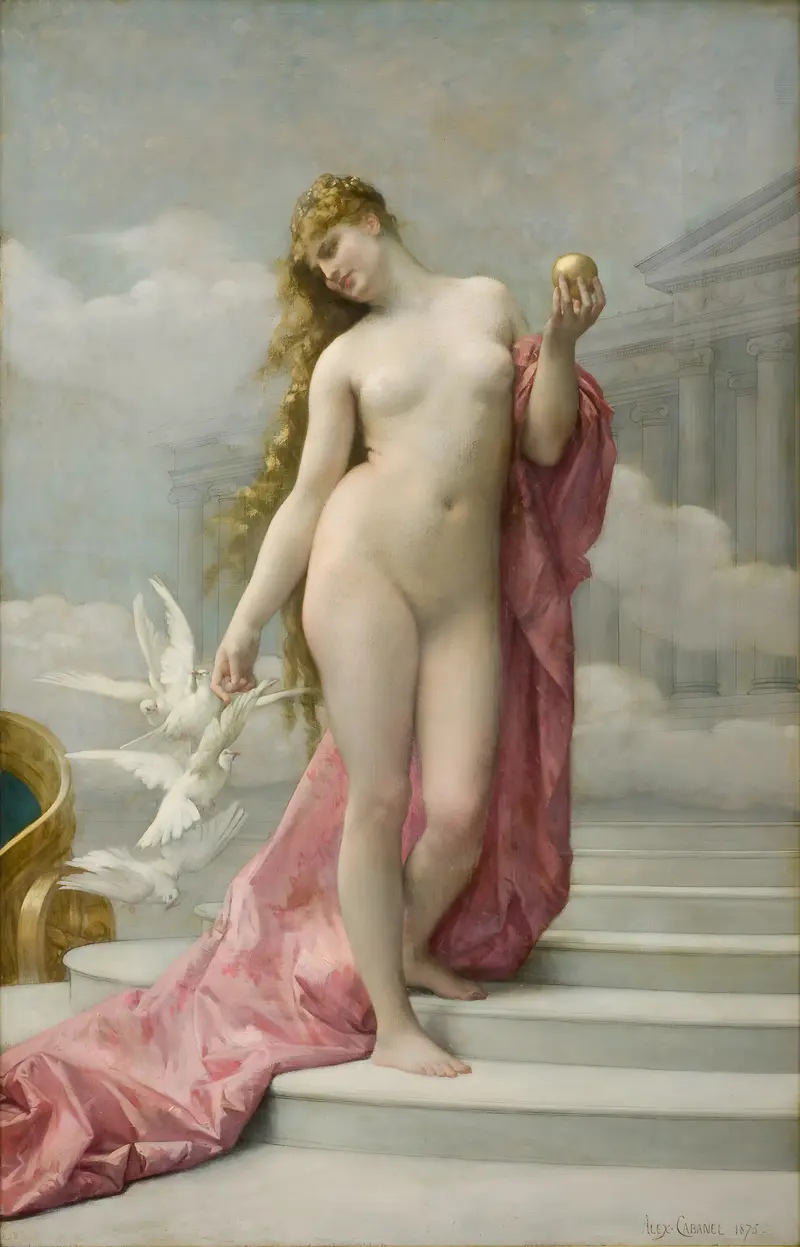
Vénus victorieuse
Alexandre Cabanel
Judith
Alexandre Cabanel
Catharine Lorillard Wolfe (1828–1887)
Alexandre Cabanel



