
Clio, muse de l'Histoire, par Artemisia Gentileschi — History & Facts
When Artemisia Gentileschi painted Clio, muse de l'Histoire in 1632, she signed her name boldly across the open book in the composition—a rare act of self-assertion for a woman artist in the 17th century. This signature, placed directly in the hand of Clio herself, has sparked much discussion: was Gentileschi claiming her own place in history, or aligning herself with the muse who records the deeds of the great? The painting stands as one of the few securely attributed works from Gentileschi’s later period in Naples, and its autograph inscription is both a declaration and a challenge to her contemporaries. Clio, the ancient muse of history, is caught in a moment of poised authority. Draped in luminous blue and gold, she holds a trumpet—herald of fame—in one hand, and an open book in the other, where Gentileschi’s signature appears.
The laurel wreath crowning her head marks her as a figure of victory and memory. Light pours across her face and hands, drawing the viewer’s eye to the tools of her office and the artist’s own name. Unlike earlier depictions, such as Clio by Vermeer, Gentileschi’s muse gazes outward with a sense of direct engagement, inviting us to witness both the act of recording history and the artist’s claim to be remembered. The precise circumstances of the painting’s commission remain uncertain, though it likely reflects Gentileschi’s connections with intellectual circles in Naples during the 1630s.
Over the centuries, Clio, muse de l'Histoire has passed through various private collections, its attribution sometimes questioned but now widely accepted thanks to the distinctive signature and stylistic evidence. Today, the painting is recognized as a testament to Artemisia Gentileschi’s ambition and self-awareness at a time when few women could hope to be remembered by history. It stands as a proud emblem of her mature style and her enduring dialogue with the tradition of depicting the muses.
More Artworks by Artemisia Gentileschi

Judith Beheading Holofernes
Artemisia Gentileschi
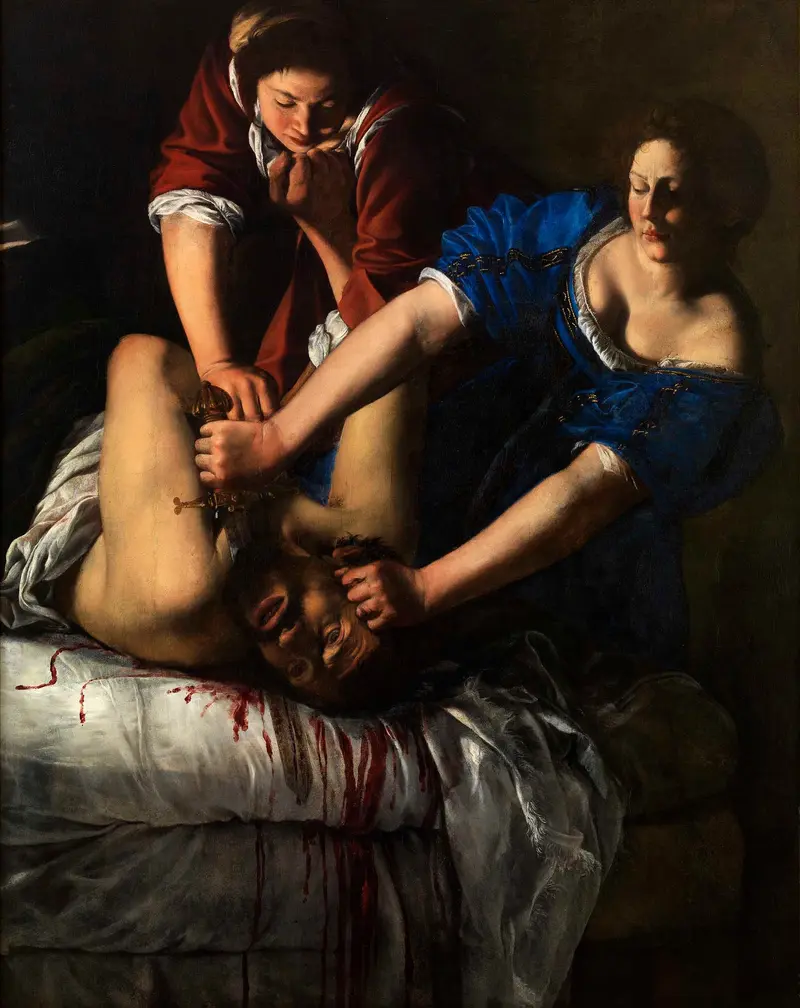
Judith Slaying Holofernes
Artemisia Gentileschi
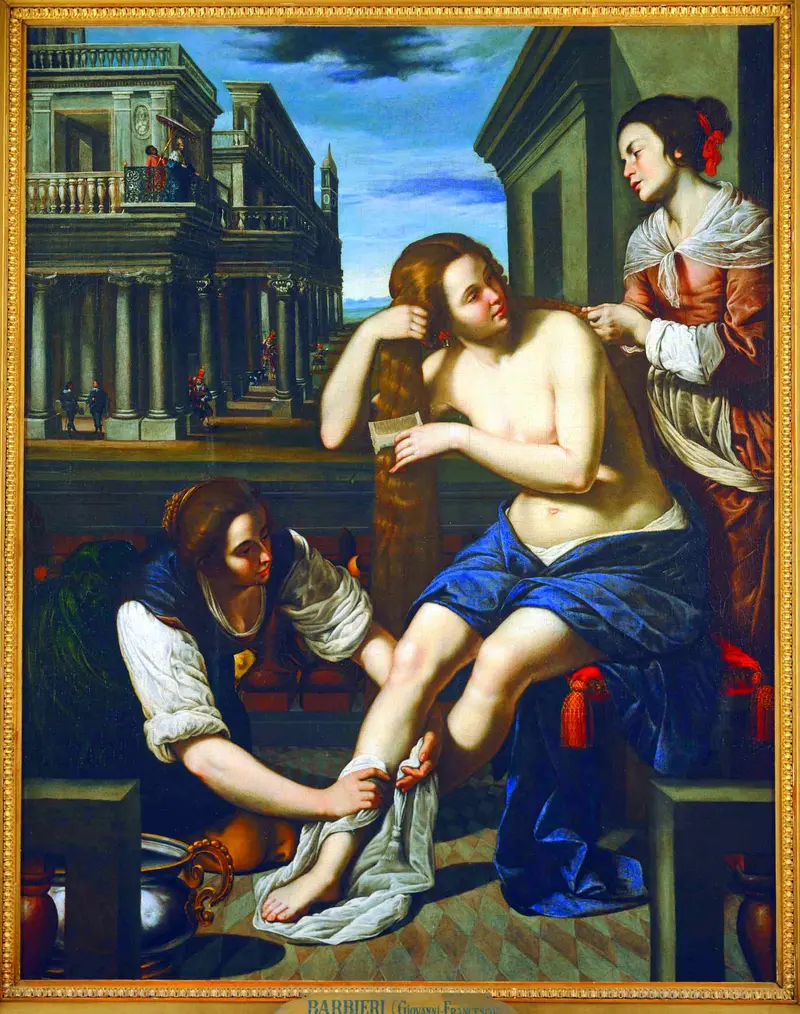
Bathsheba at Her Bath
Artemisia Gentileschi
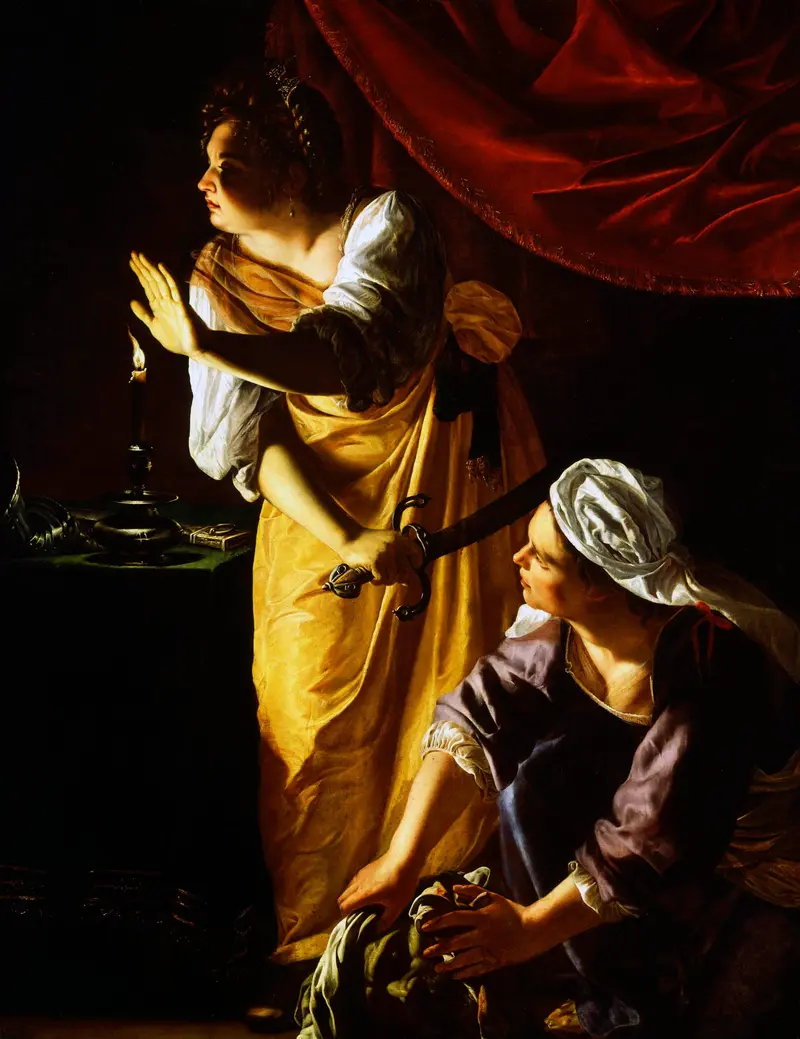
Judith and Maidservant with Head of Holofernes
Artemisia Gentileschi
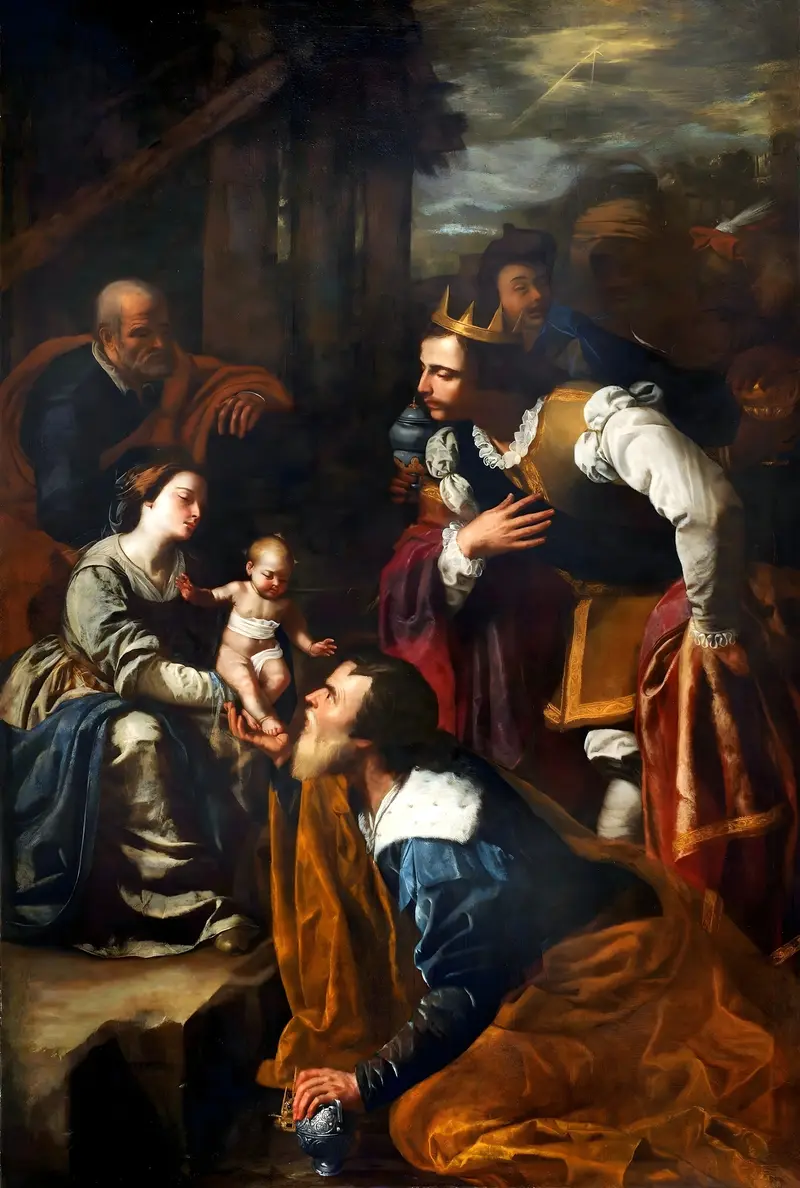
Adoration of the Magi
Artemisia Gentileschi
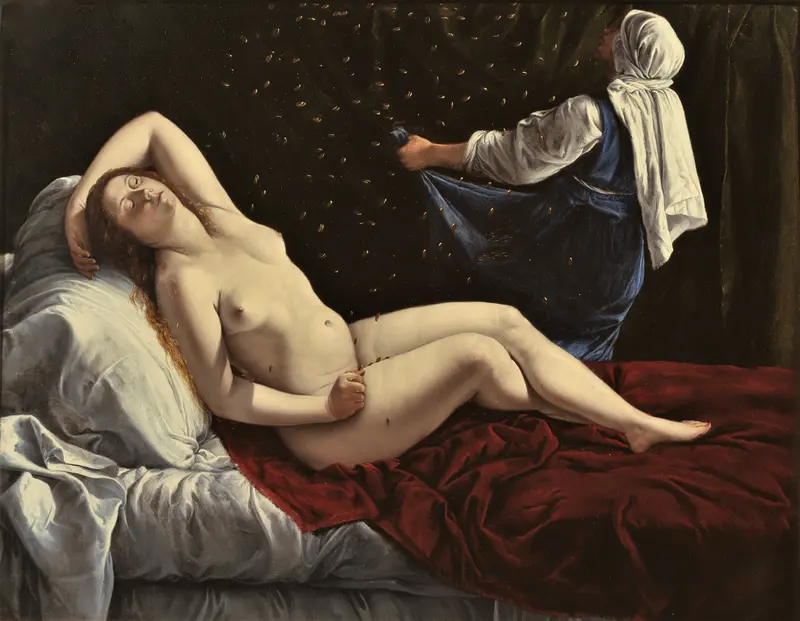
Danaë
Artemisia Gentileschi
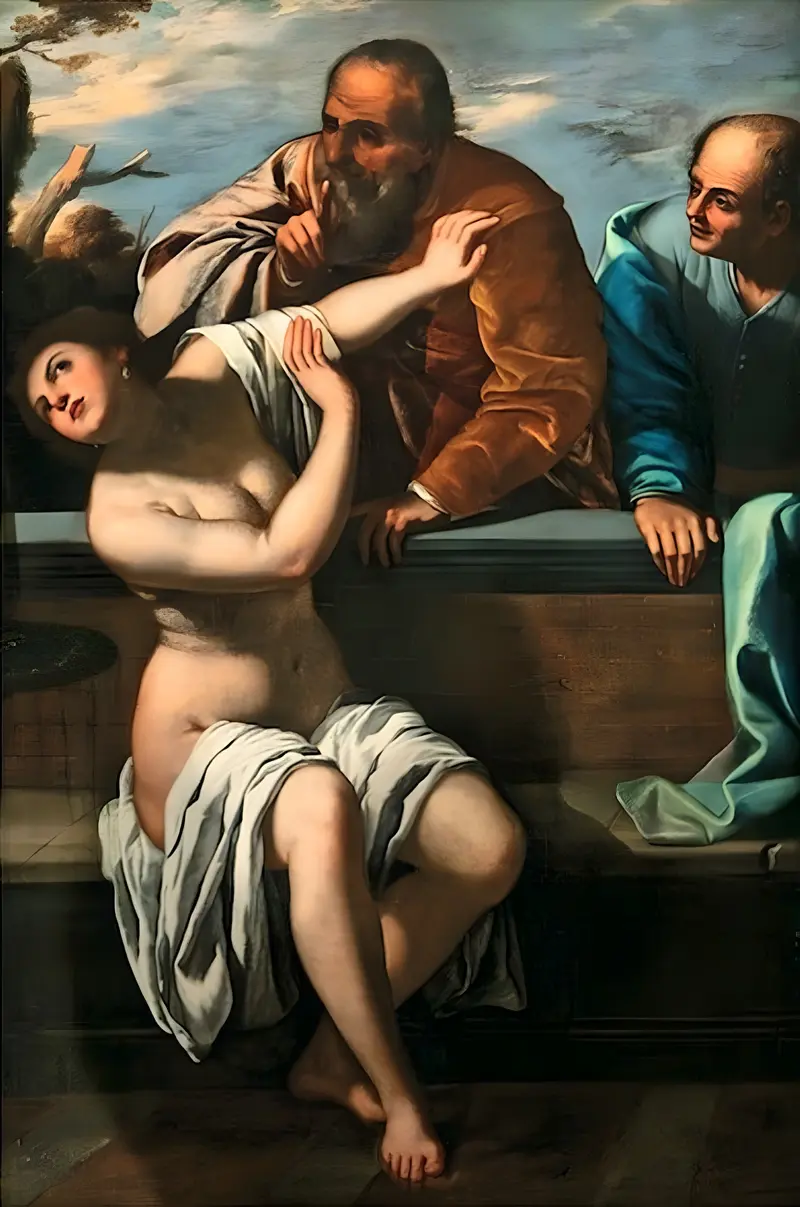
Susannah and the Elders
Artemisia Gentileschi

Judith and her Servant with the Head of Holofernes
Artemisia Gentileschi
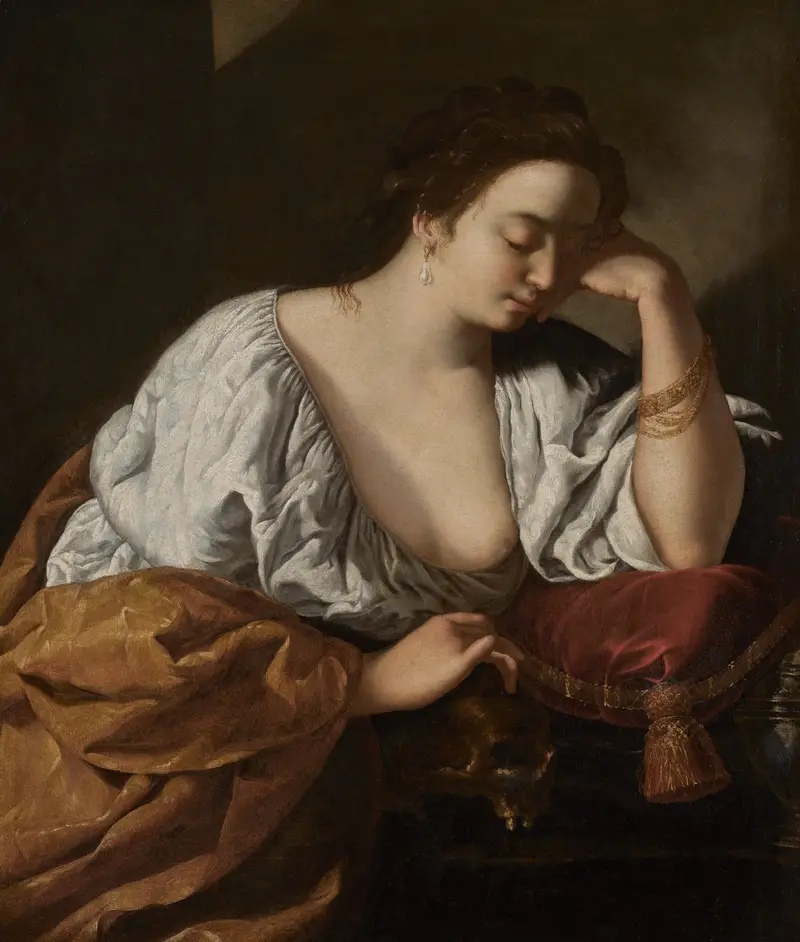
Madeleine pénitente, par
Artemisia Gentileschi
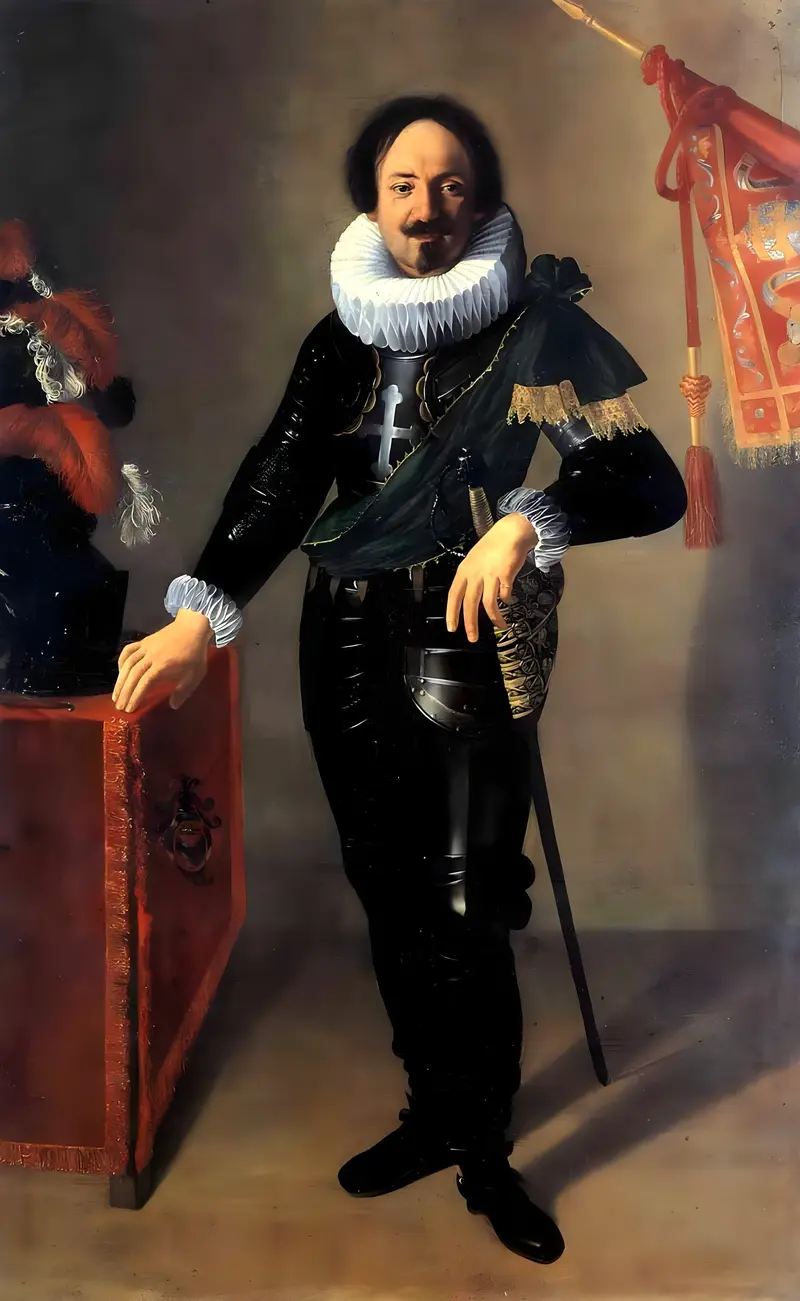
Portrait of a Gonfaloniere
Artemisia Gentileschi





