
Consecration of the Colors (Fahnenweihe) — History & Facts
What first draws the eye in Consecration of the Colors (Fahnenweihe) is the riot of blue and red, the cartoonish swell of the central figure, and the sheer exuberance of the line. The man at the front, with his extravagant mustache and medals, marches forward with a flag draped across his chest, his round face flushed with ceremony or perhaps pride. The exaggerated proportions—bulbous hands, outsized boots, and a uniform that seems almost to balloon around him—give the moment a comic energy, as if the rituals of military honor are being both celebrated and gently lampooned.
The feathered hats and the tight clustering of figures suggest a parade or formal procession, but the artist’s hand turns the scene into something more playful than grand. Created in 1911, this print by Moriz Jung belongs to a world on the brink of modernity, where tradition and satire often walked hand in hand. Early twentieth-century Vienna, Jung’s milieu, was alive with artists who used humor and exaggeration to comment on the rituals of empire and the absurdities of official life. Such prints were often produced for popular consumption, poking fun at authority while still reveling in its pageantry.
That this work now resides in the Metropolitan Museum of Art’s collection—its history otherwise little recorded—reminds us how even the most fleeting satirical images can become lasting witnesses to their time. Look again at the faces: is it mockery, affection, or a bit of both?
More Artworks by Moriz Jung
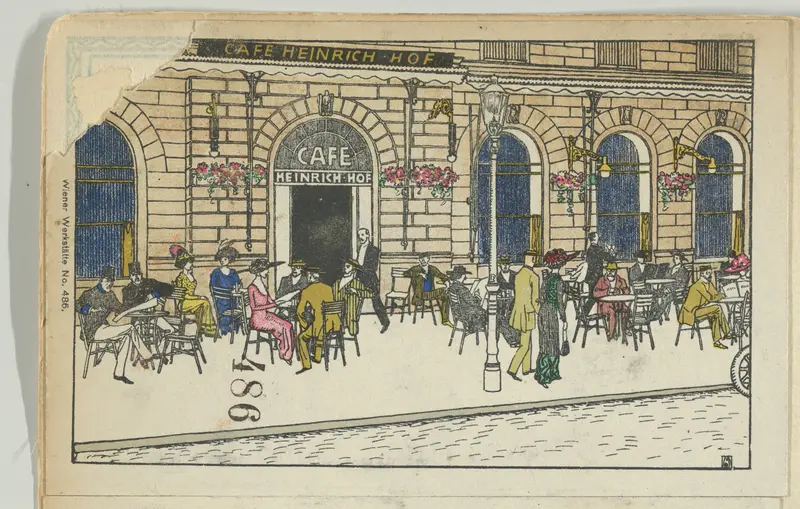
Café Heinrichhof
Moriz Jung

Moriz Jung Porträt
Moriz Jung
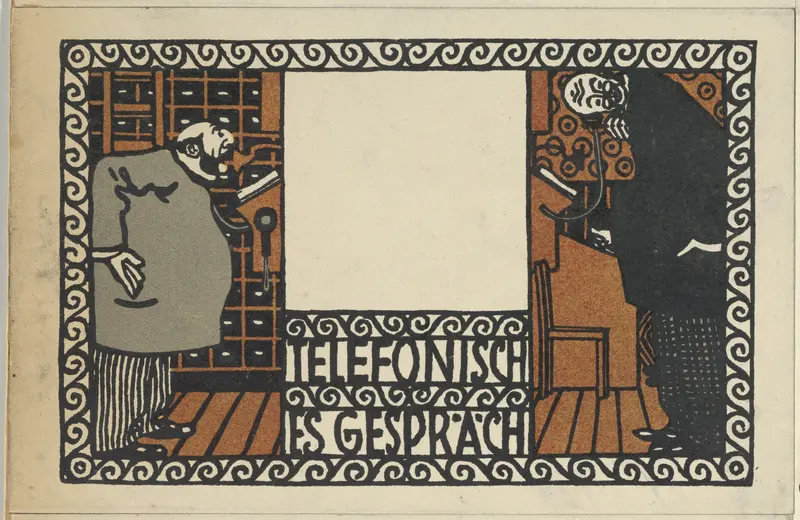
Telephone Conversation (Telefonisches Gespräch)
Moriz Jung
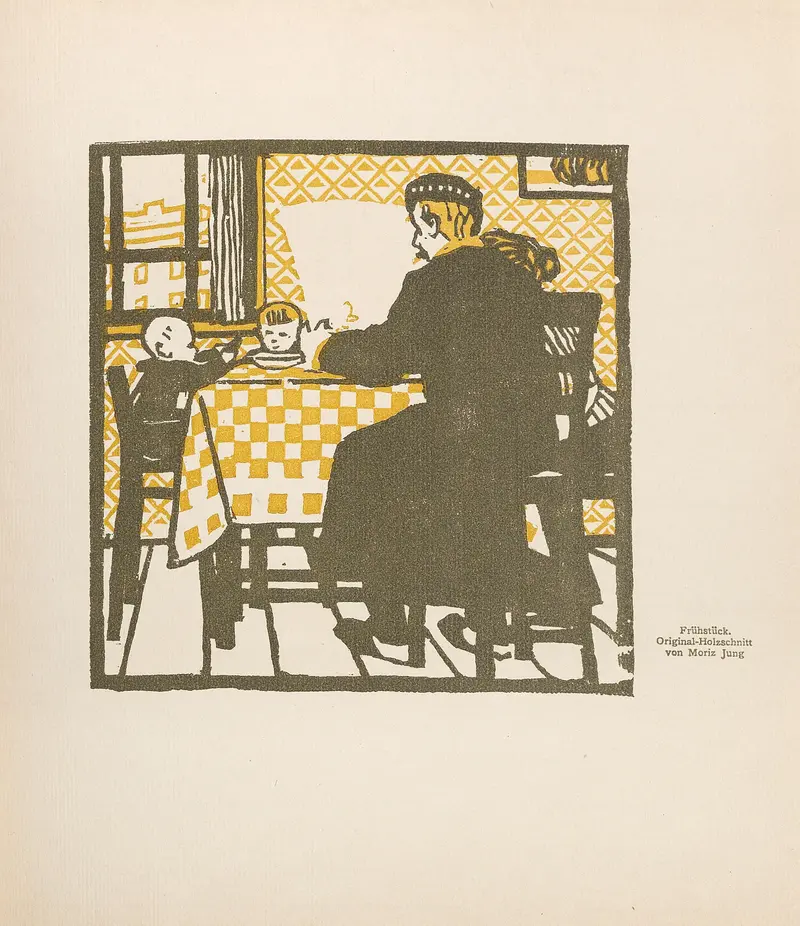
Moriz Jung Frühstück
Moriz Jung
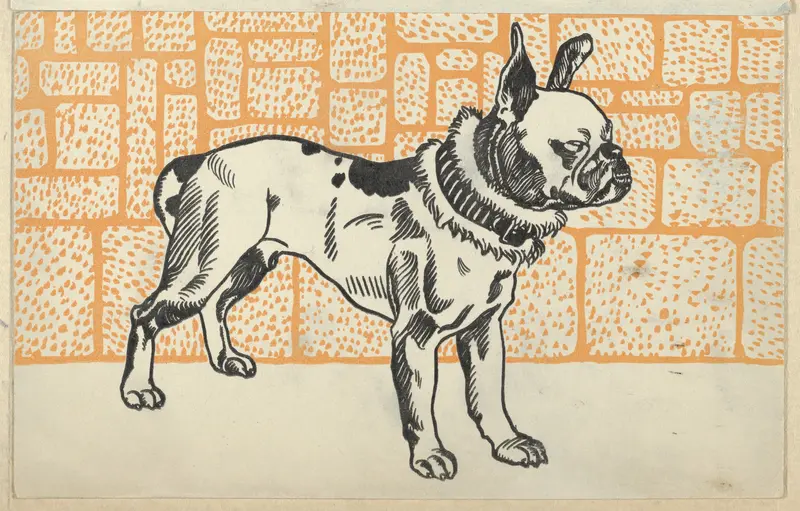
Pitbull Terrier
Moriz Jung
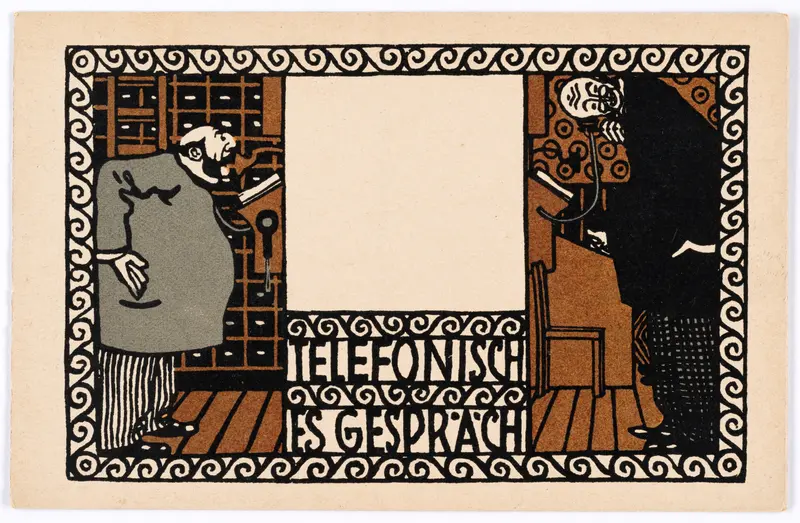
Postkarte der Wiener Werkstätte Nr. 58 - Telefonisches Gespräch
Moriz Jung
Postkarte der Wiener Werkstätte Nr. 58 - Telefonisches Gespräch - verso
Moriz Jung
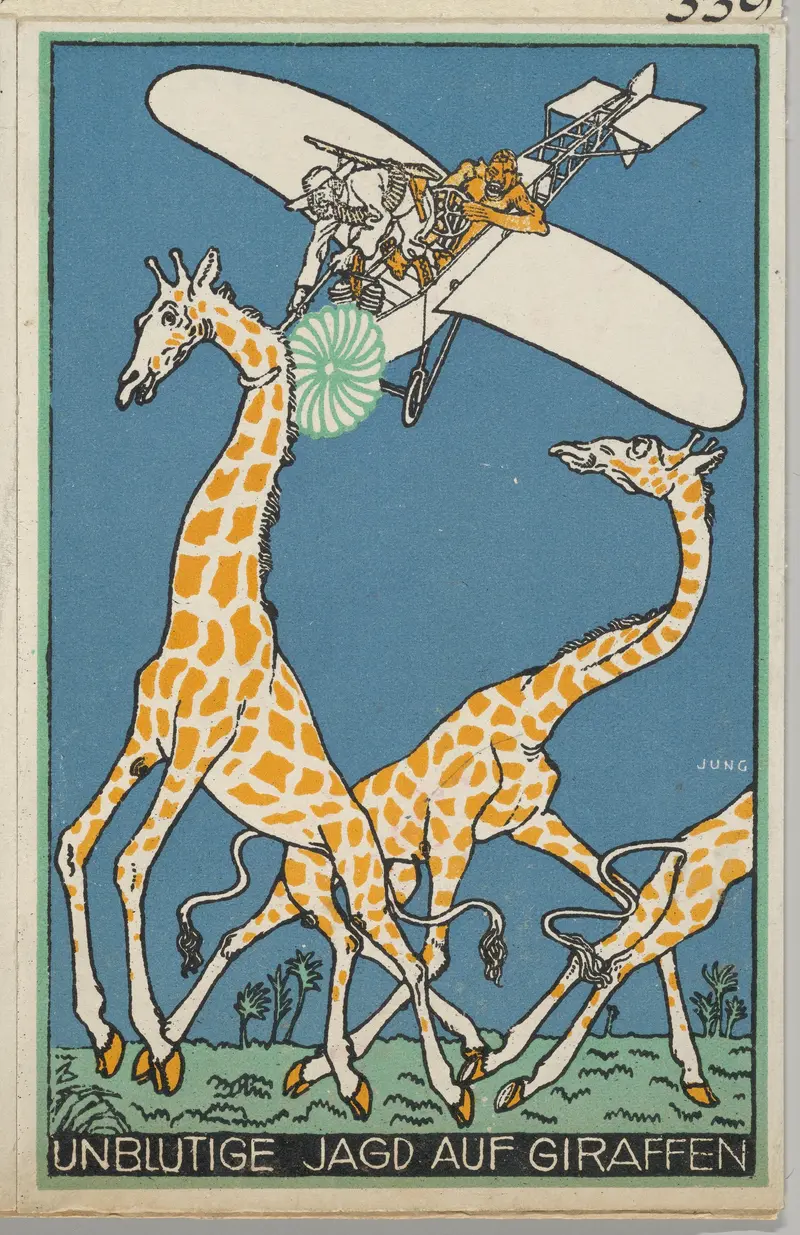
Bloodless Giraffe Hunt (Unblutige Jagd auf Giraffen)
Moriz Jung
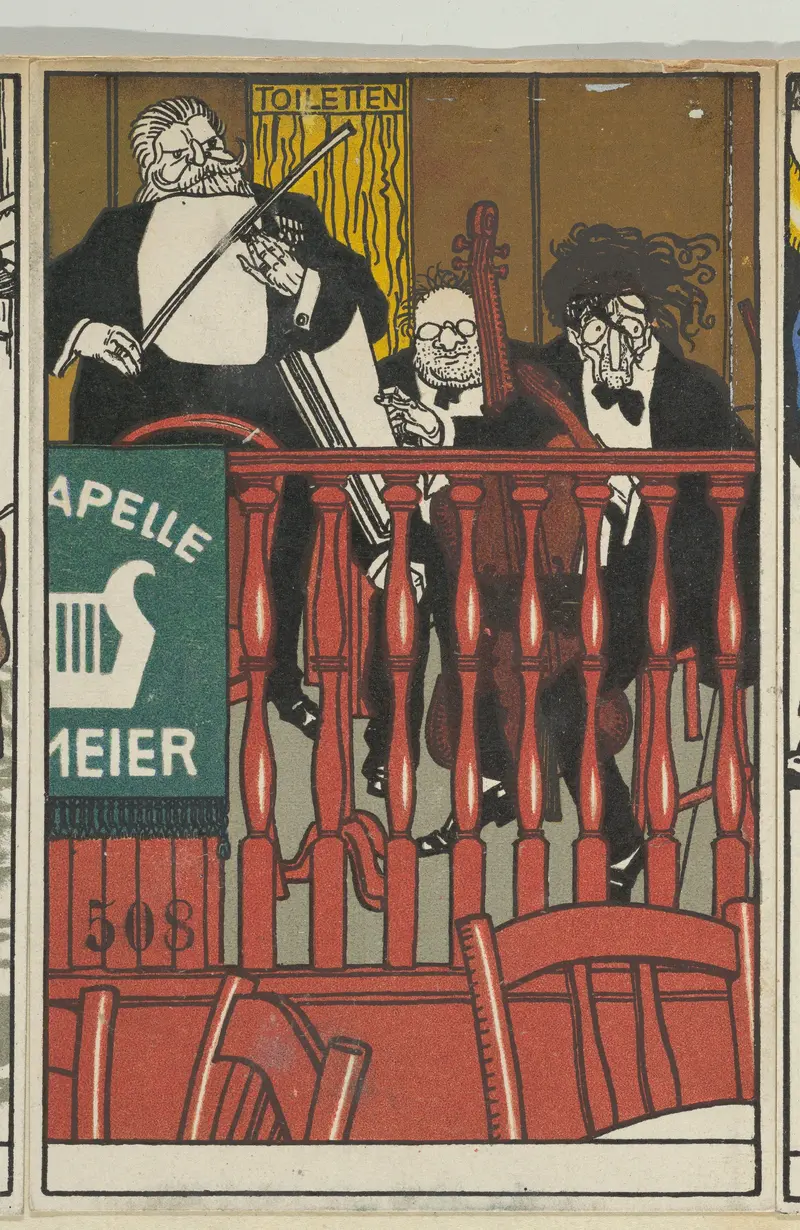
Salon Orchestra Meier
Moriz Jung
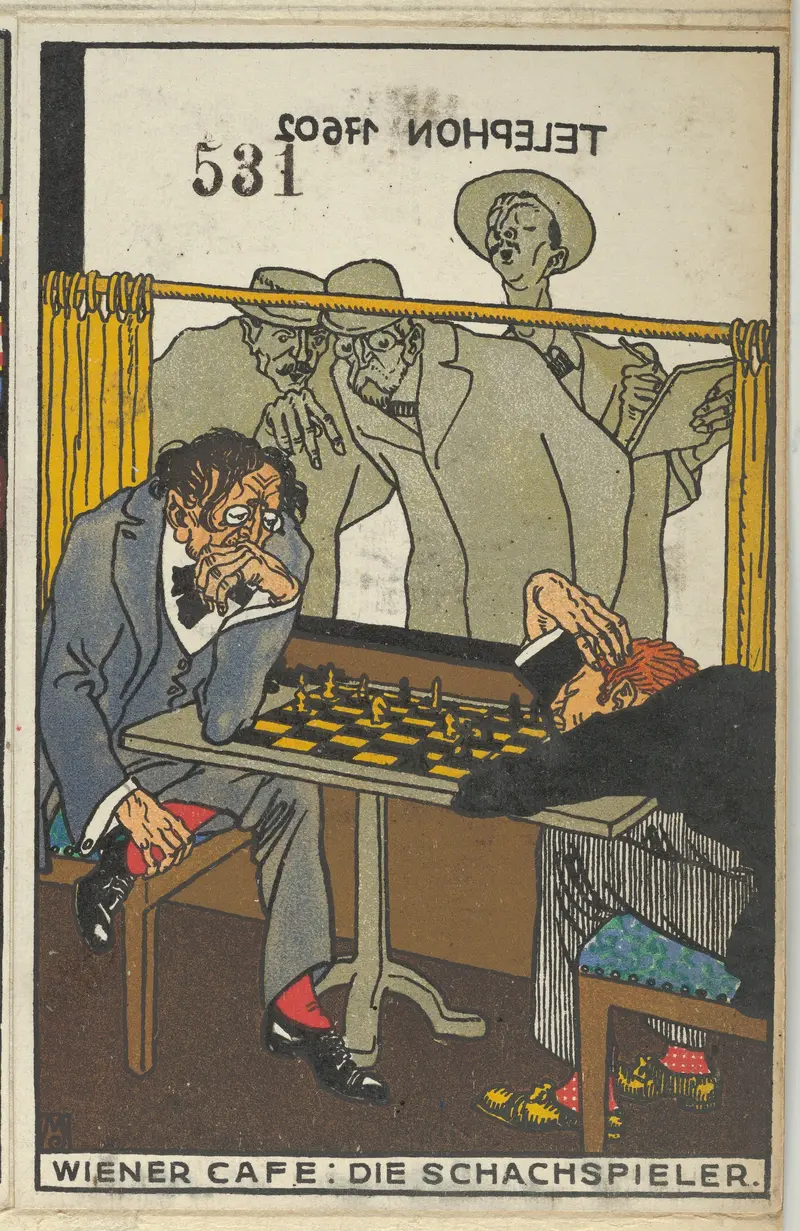
Wiener Café: Die Schachspieler
Moriz Jung
More Genre Scene Art

Banquet of the Officers of the St George Civic Guard
Frans Hals

Rembrandt and Saskia in the Scene of the Prodigal Son
Rembrandt van Rijn

Bal du moulin de la Galette
Pierre-Auguste Renoir

Quadrille at the Moulin Rouge
Henri de Toulouse-Lautrec

A Burial at Ornans
Gustave Courbet

When Will You Marry?
Paul Gauguin