
Coronation of the Virgin — History & Facts
When Diego Velázquez painted Coronation of the Virgin in 1634, it marked one of the rare moments when the artist—renowned for his portraits of Spanish royalty—turned his brush to a grand religious vision. Commissioned for the oratory of Queen Isabel of Bourbon in the Royal Alcázar of Madrid, the work was intended to inspire private devotion in the queen’s intimate chapel. Unlike many of his court paintings, this canvas was never meant for public display, but for the eyes of the monarch and her closest circle.
The painting’s quiet journey, away from the ceremonial halls, has made it a lesser-known but significant piece in Velázquez’s oeuvre. The scene captures the crowning moment when the Virgin Mary, lifted by angels, is crowned Queen of Heaven by the Holy Trinity. At the center, Mary sits in serene humility, flanked by Christ and God the Father, who together place a golden crown upon her head, while the Holy Spirit hovers as a dove above. The gentle interlocking of their hands forms a triangle, symbolizing divine unity.
The soft, pearly light bathes the figures, lending the moment a sense of intimate grace rather than theatrical grandeur. Unlike the crowded, ornate compositions of earlier artists like Rubens—whose own Coronation of the Virgin teems with cherubs and gold—Velázquez pares the scene down to its essentials, focusing on the tender exchange between the divine figures. After its creation, Coronation of the Virgin remained in the Royal Alcázar until the building was destroyed by fire in 1734, but the painting survived and entered the royal collections. It later became part of the holdings of the Museo del Prado, where it hangs today.
The work stands apart in Velázquez’s career, as he rarely ventured into religious subjects on this scale, preferring portraits and genre scenes. Yet, in this painting, his restrained palette and psychological insight are unmistakable, offering a contemplative take on a theme beloved by Spanish Baroque painters.
More Artworks by Diego Velázquez

Las Meninas
Diego Velázquez
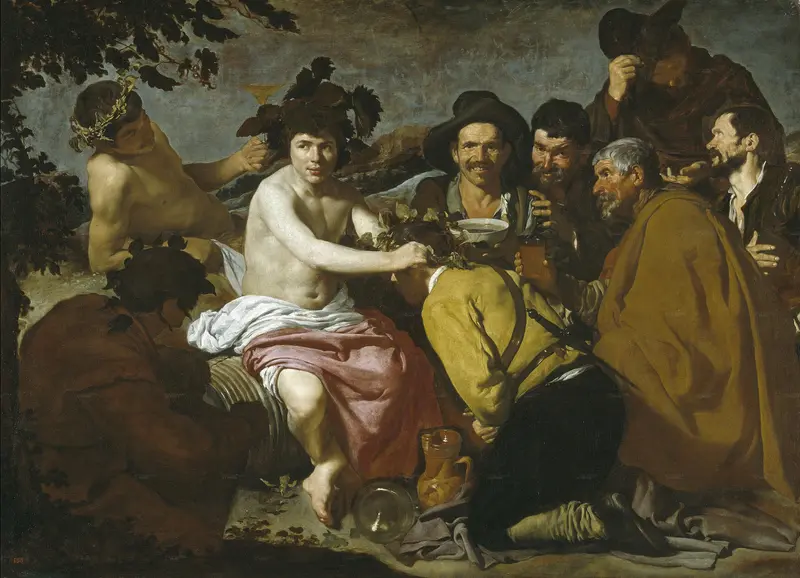
The Triumph of Bacchus
Diego Velázquez
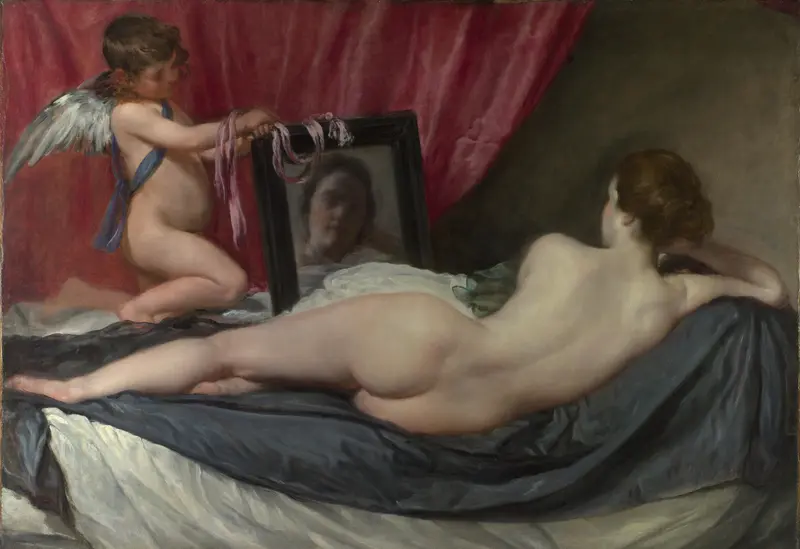
Rokeby Venus
Diego Velázquez
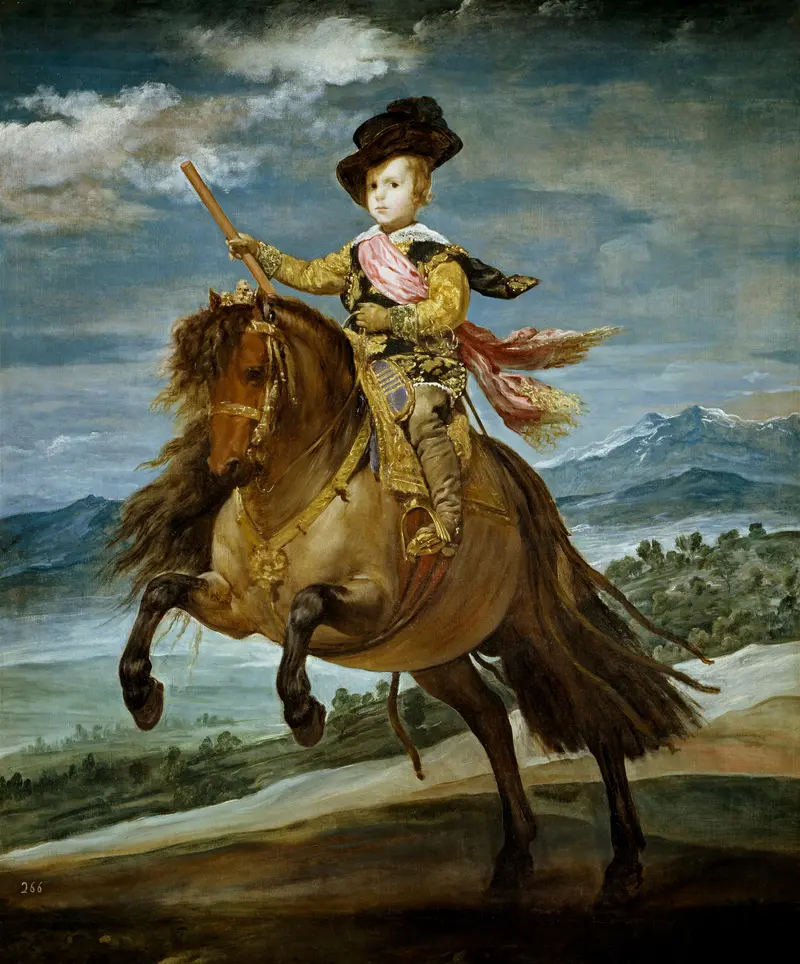
Equestrian Portrait of Prince Balthasar Charles
Diego Velázquez
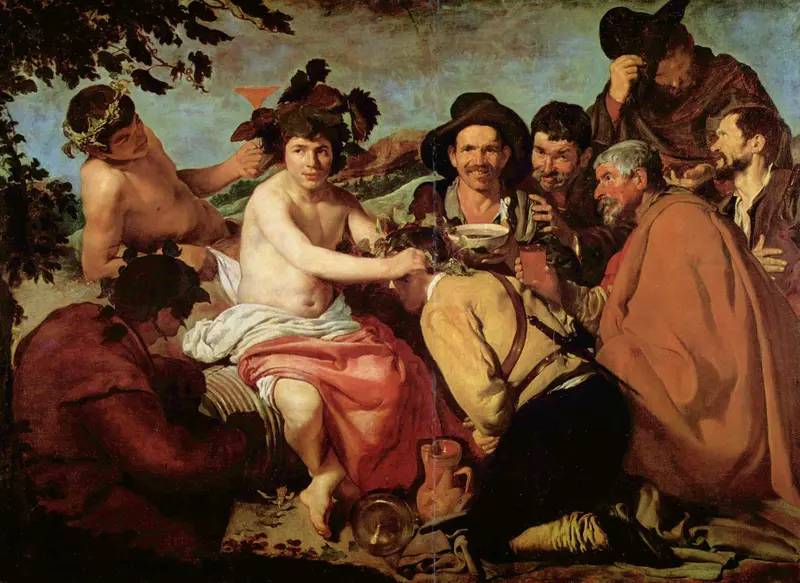
Bacchus
Diego Velázquez
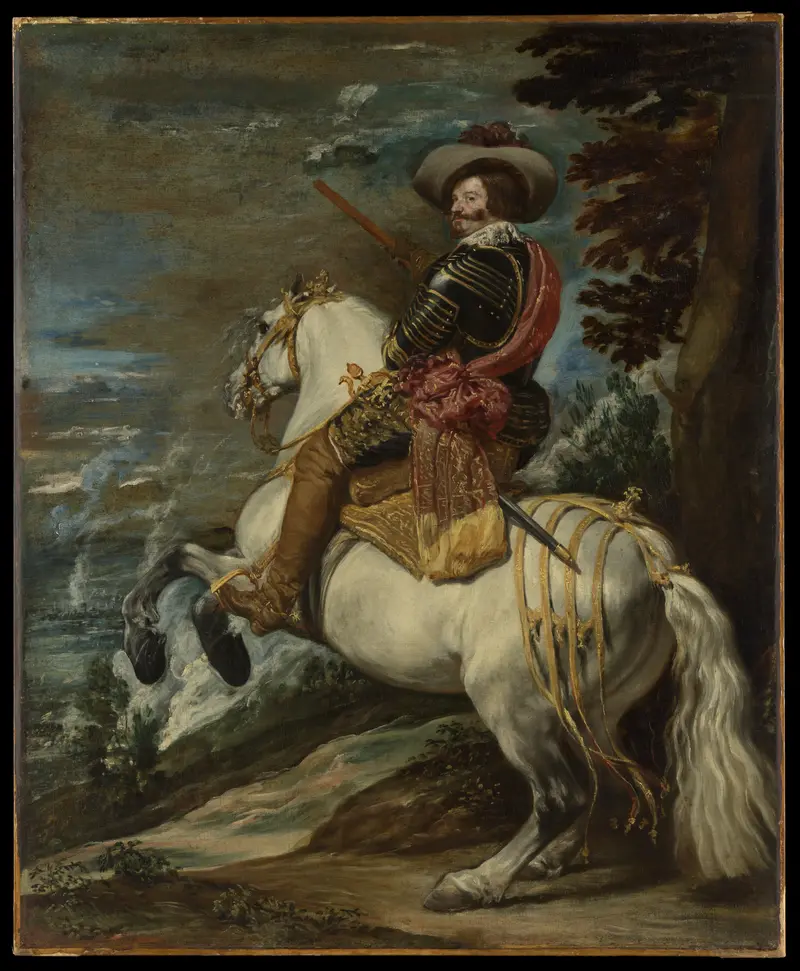
Don Gaspar de Guzmán (1587–1645), Count-Duke of Olivares
Diego Velázquez
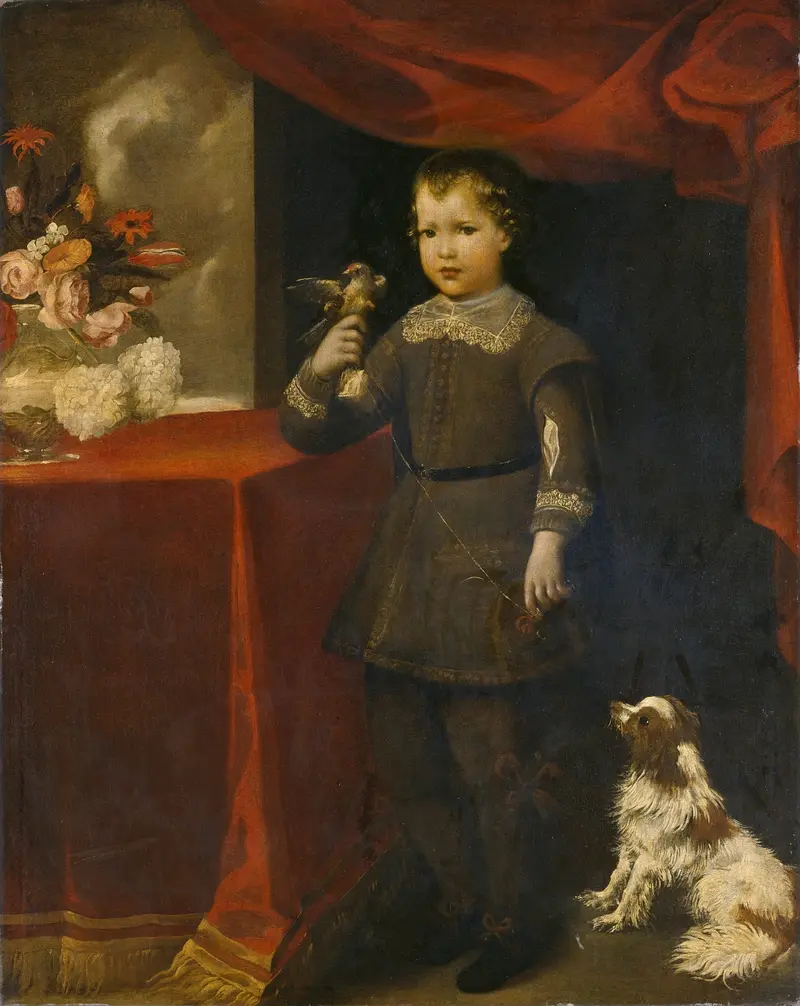
El príncipe Baltasar Carlos de Austria
Diego Velázquez
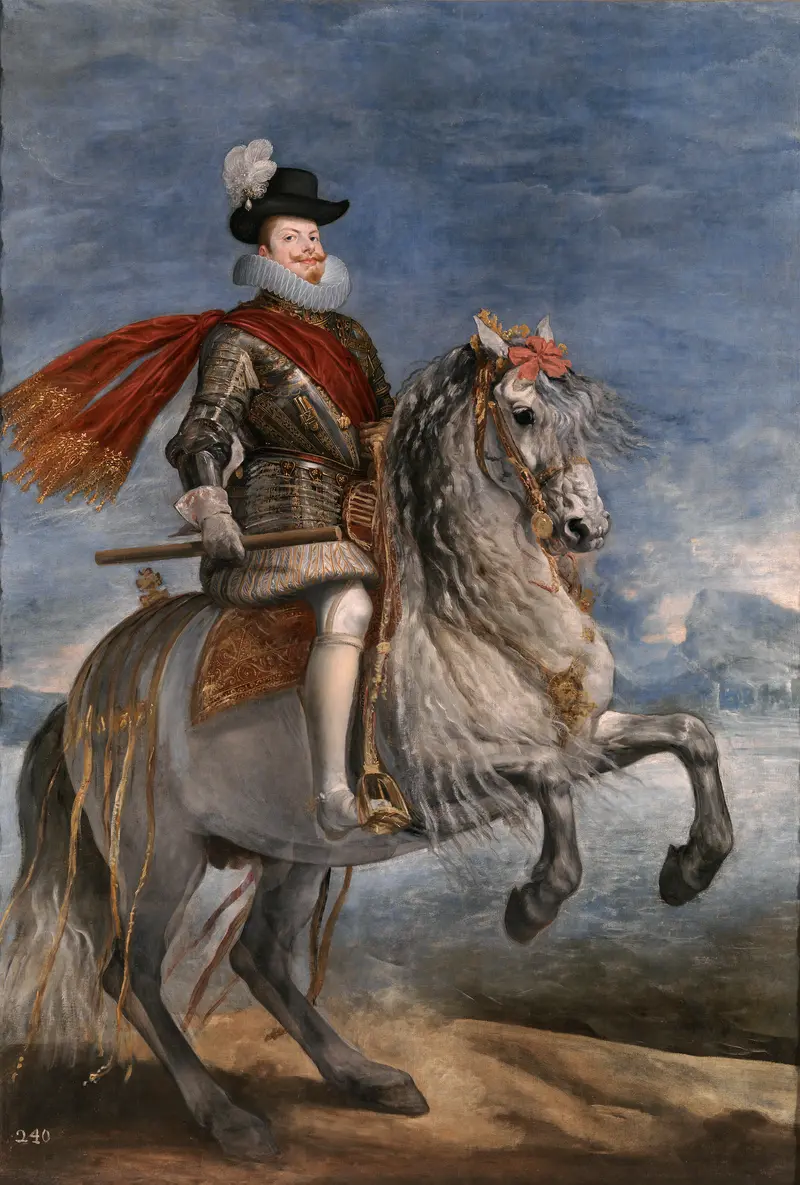
Equestrian Portrait of Philip III
Diego Velázquez
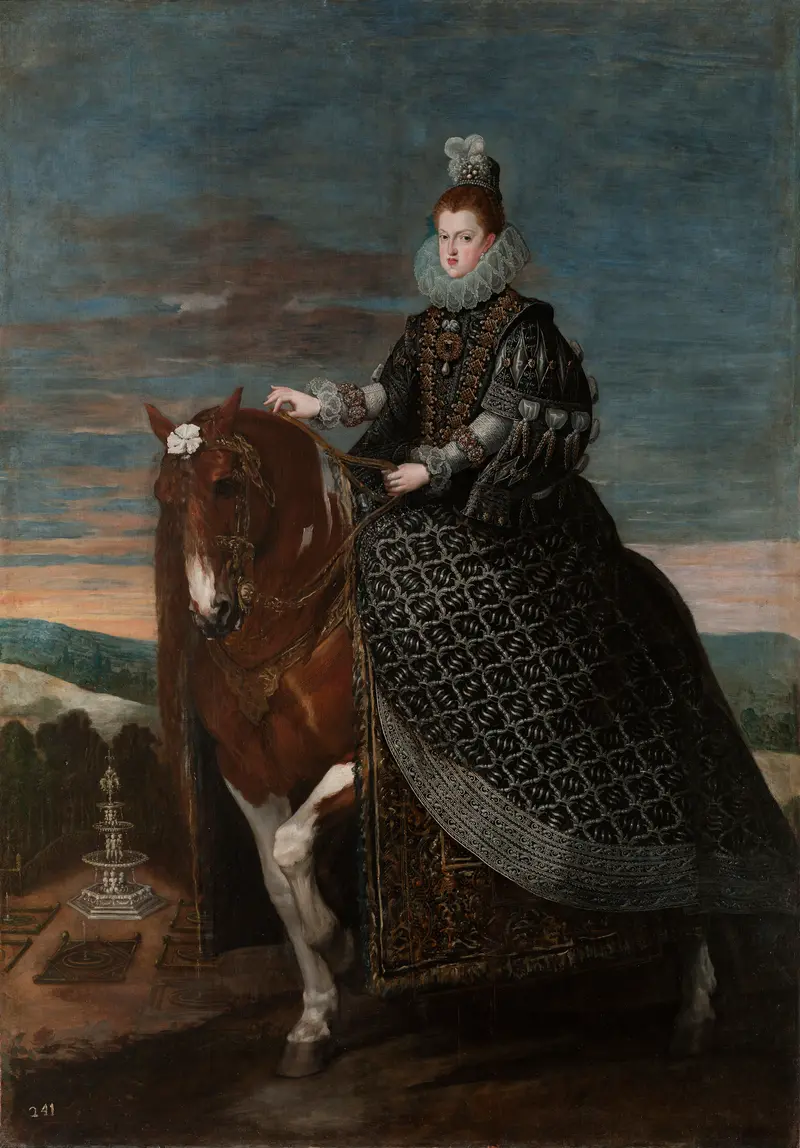
Equestrian Portrait of Margarita of Austria
Diego Velázquez
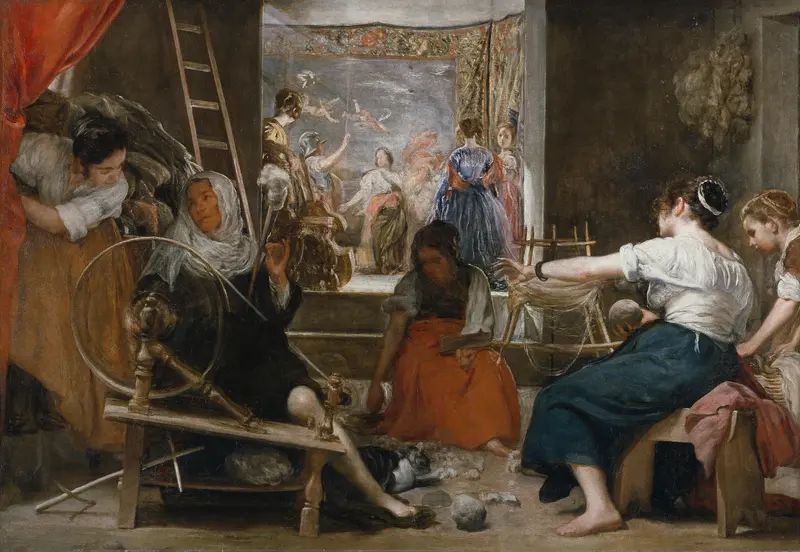
Las Hilanderas
Diego Velázquez





