Cottages and Frozen River — History & Analysis
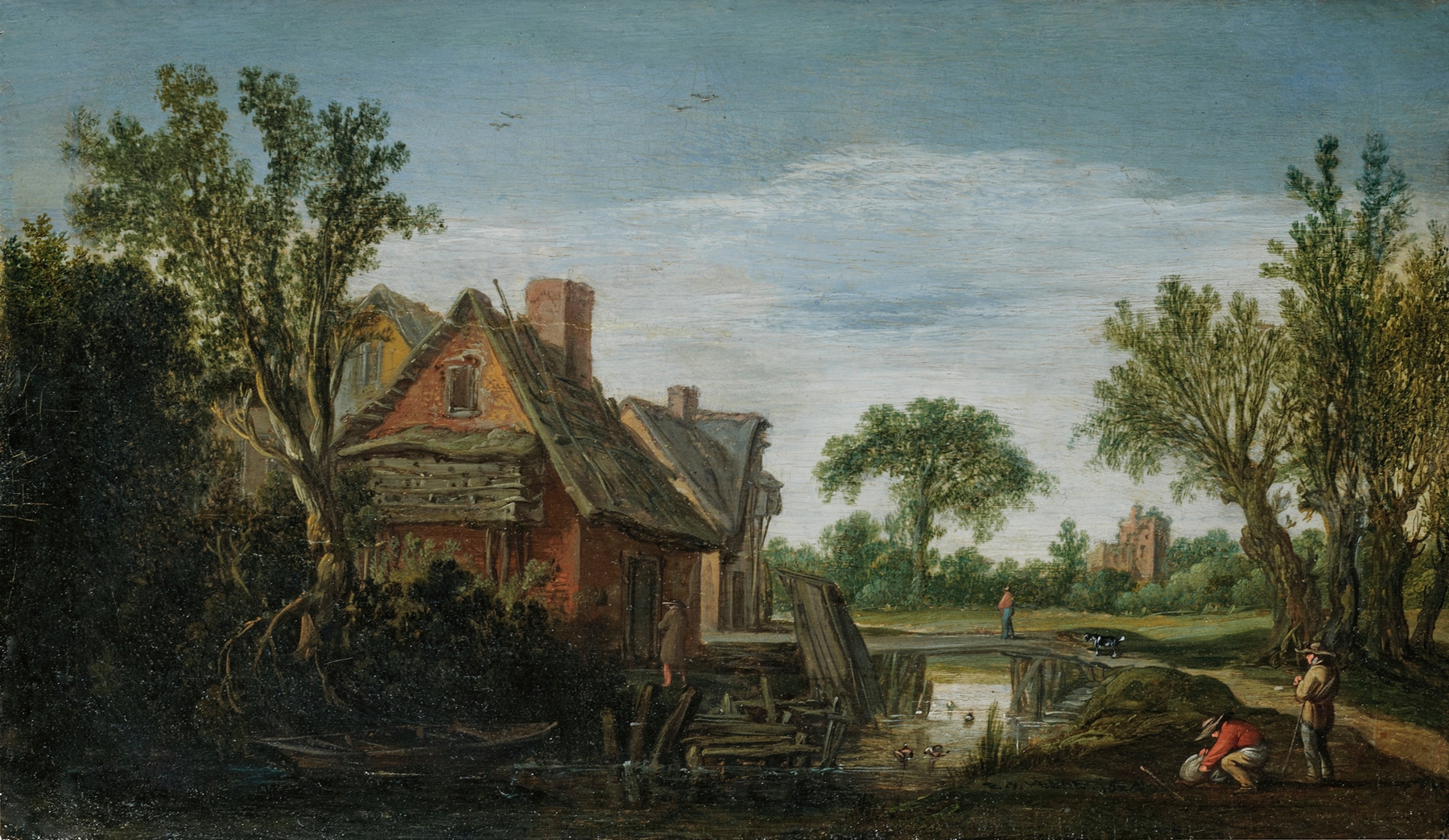
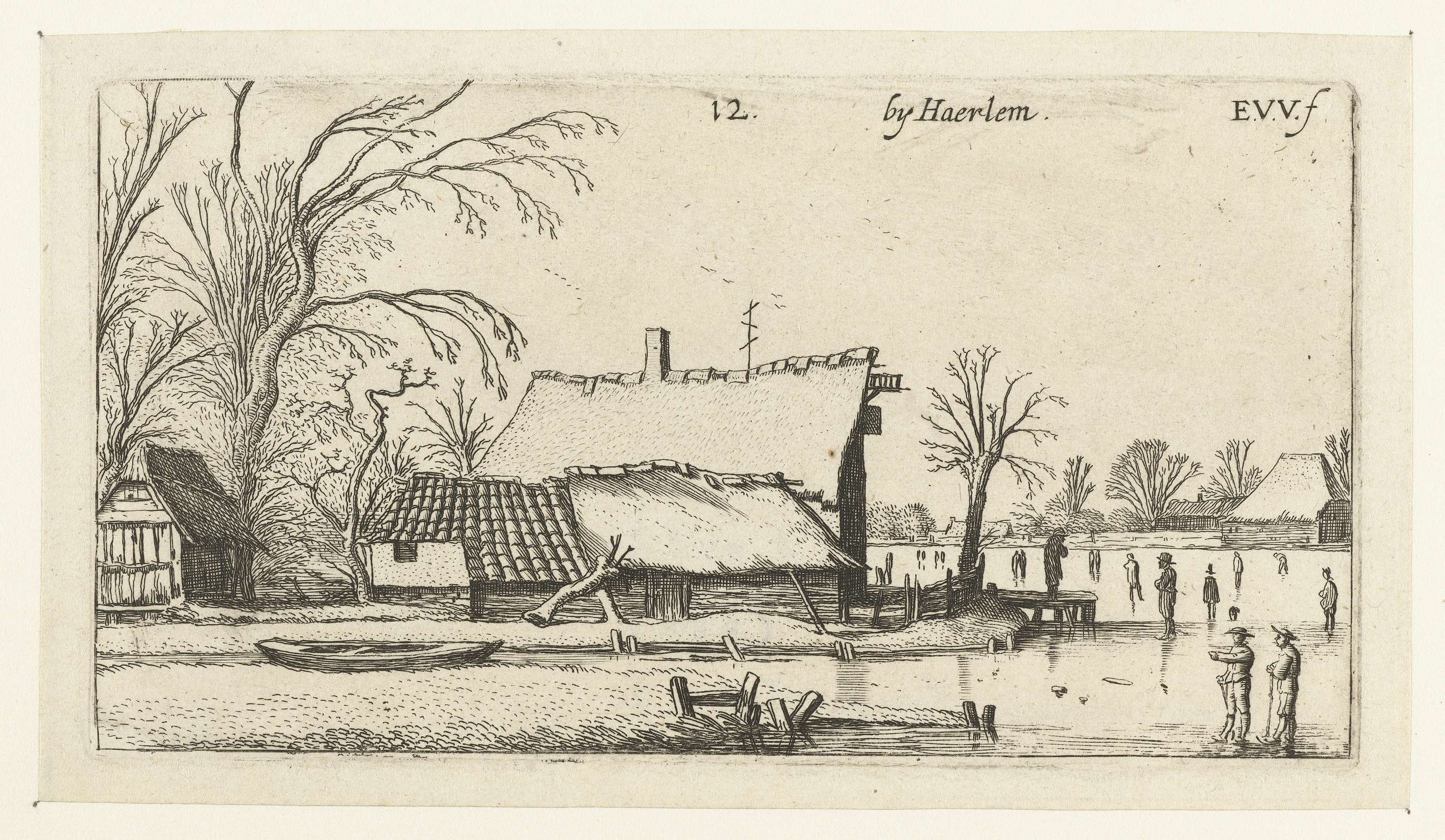
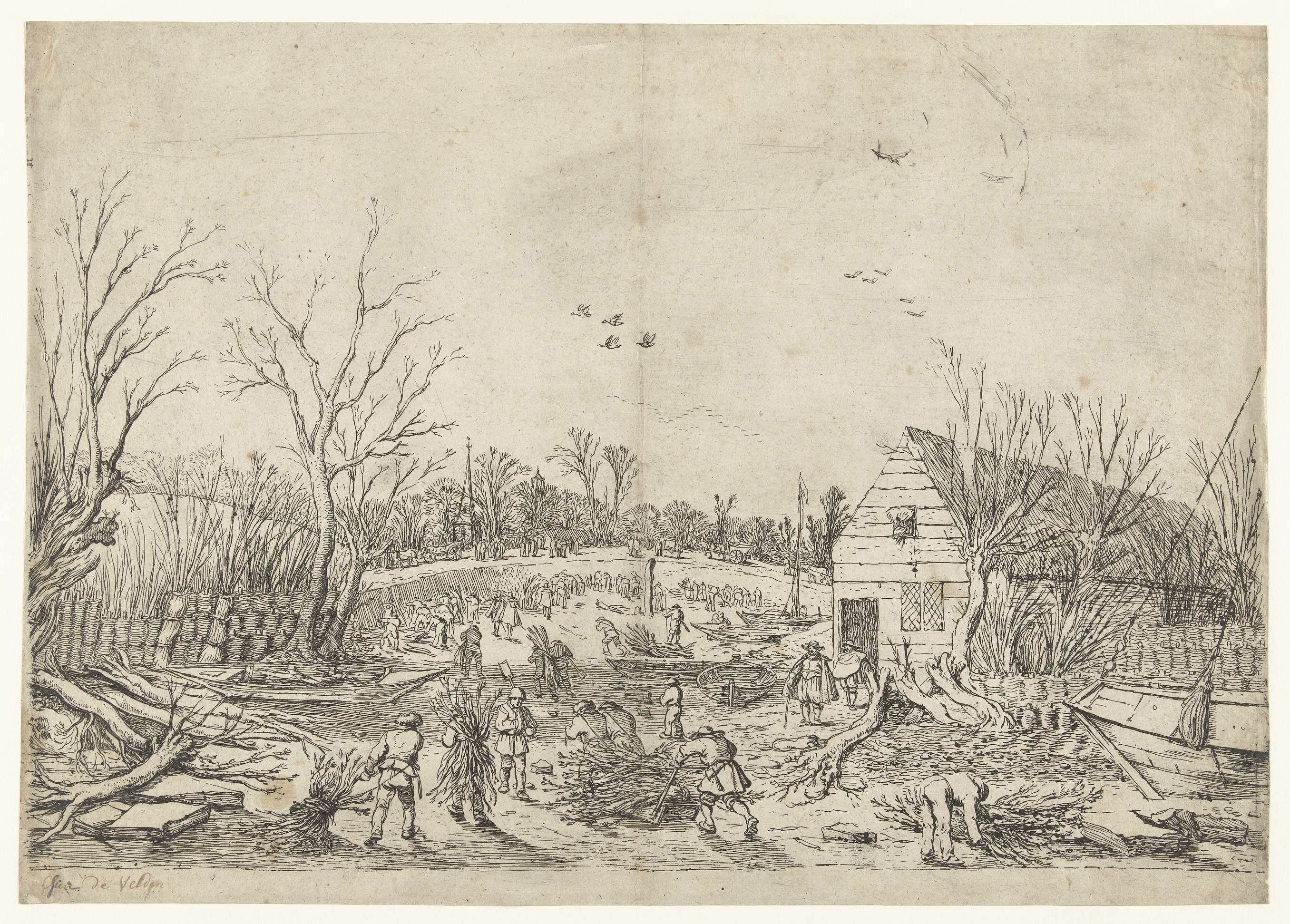
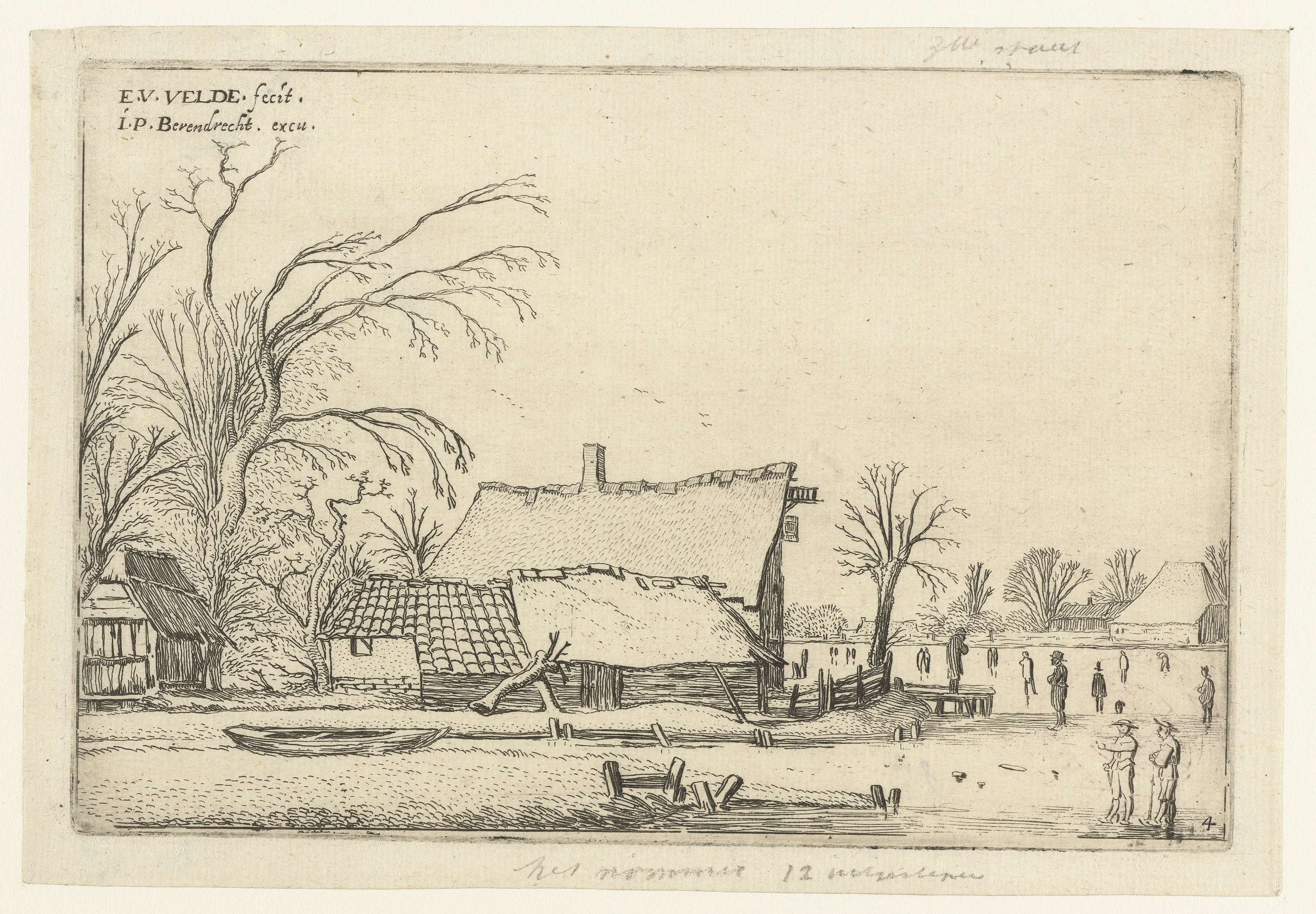
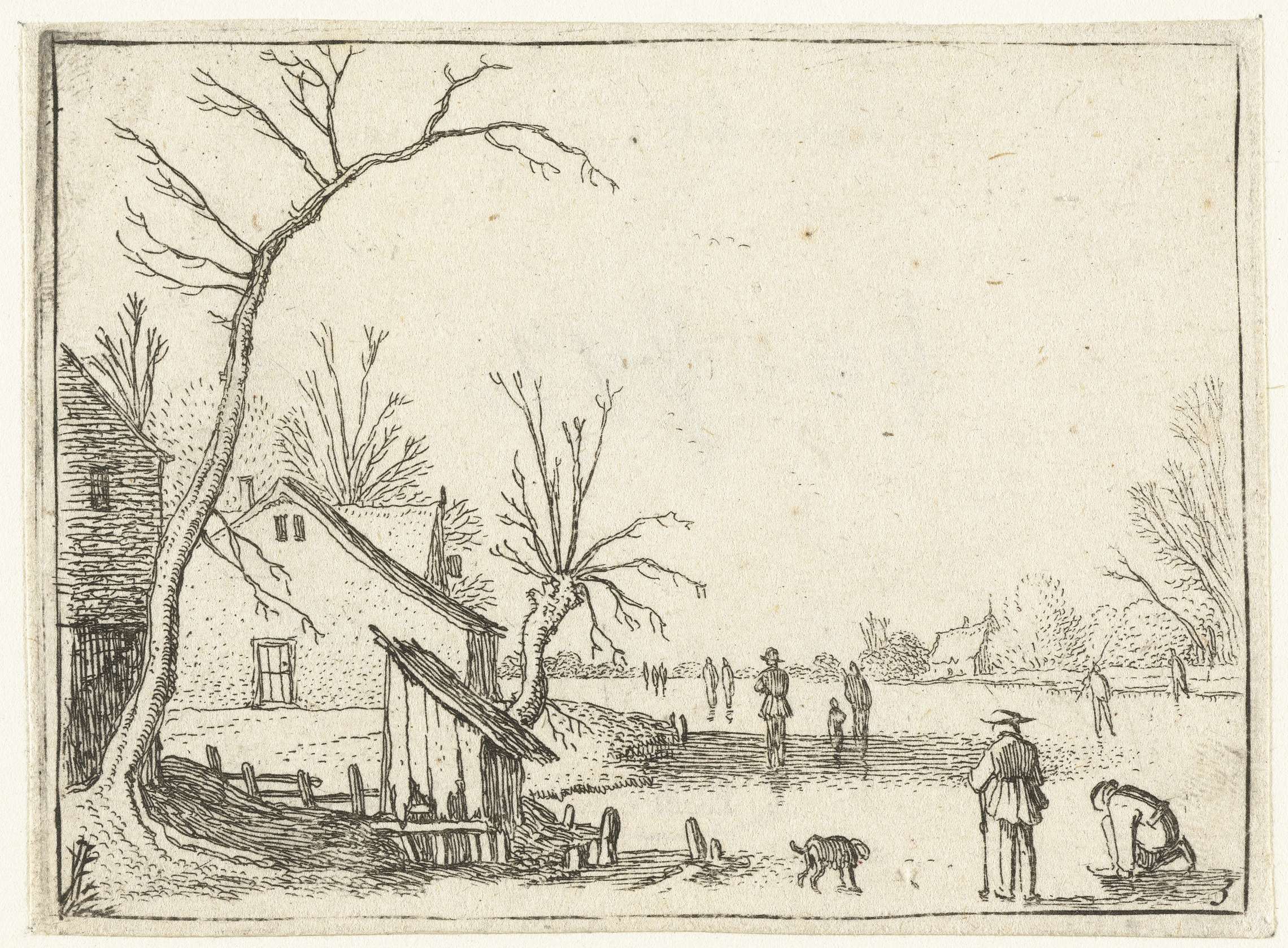
“Between color and silence, truth hides.” In the quiet embrace of winter’s chill, a scene of solitude unfolds, evoking a deep sense of melancholy that pulls at the heart. The serene expanse of a frozen river separates humble cottages, inviting reflection on the passage of time and the stillness that accompanies it. Look to the left, where the cottages, drenched in muted earth tones, nestle against the snow-blanketed landscape. Notice how the warm light casts gentle shadows across the frozen river, creating a soft contrast against the starkness of winter.
The artist’s meticulous brushwork captures the delicate interplay of light and texture, drawing the eye toward the calm water, which mirrors the sky’s muted palette of grays and blues. As you explore the details, consider the emotional weight carried within this scene. The frozen river symbolizes stillness and the harshness of winter, while the cottages stand as a testament to human resilience and solitude. The lack of figures underscores a sense of absence, prompting contemplation of those who once filled this landscape with life and laughter, now replaced by an echoing silence that intensifies feelings of longing and loss.
In 1629, when this work was created, Esaias van de Velde was in the midst of a flourishing career in the Netherlands, mastering landscapes infused with narrative and emotion. The art world was shifting, with Dutch painters increasingly exploring domestic and natural scenes, reflecting a society grappling with its identity in a rapidly changing world. This painting captures a moment of introspection, emblematic of the era’s artistic evolution.