
Crone — History & Facts
The first thing that draws you in is the unflinching honesty of the sitter’s gaze—or rather, her refusal to meet ours. The old woman’s face, rendered in rough, almost sculptural strokes, is a landscape of age: deep creases, sagging eyelids rimmed red, and a mouth set in a line that suggests both endurance and resignation. The brown headscarf frames her face like a shadow, pushing the viewer to confront every detail of her expression.
The background, a warm ochre, offers no distraction; it presses the figure forward, making her presence inescapable. Gallen-Kallela’s palette is spare, earthy, and the light is flat, as if to insist that nothing be softened or obscured. Painted in 1895, this work belongs to a moment in Finnish art when realism was charged with new urgency, as artists sought to capture the character of their people and land. Akseli Gallen-Kallela is best known for his mythic and nationalistic subjects, but here he turns his attention to the anonymous realities of rural life—perhaps a neighbor, a relative, or simply a type familiar to every village.
Such portraits were rarely commissioned; they were acts of observation, sometimes protest, sometimes homage. The Finnish National Gallery holds this work today, a reminder that history has kept few traces of the lives behind faces like this one. Look again at the painting: every brushstroke is a record of a moment, a person, and a world on the edge of change.
More Artworks by Akseli Gallen-Kallela
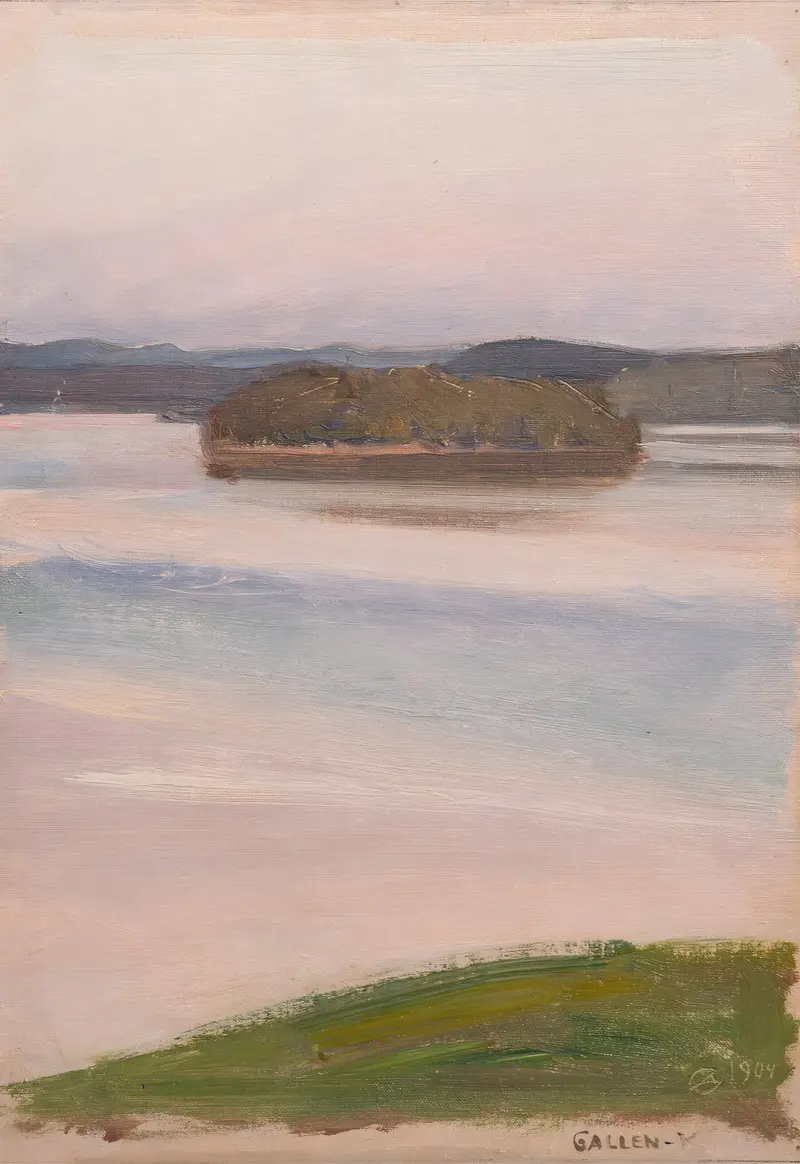
Lake Keitele
Akseli Gallen-Kallela
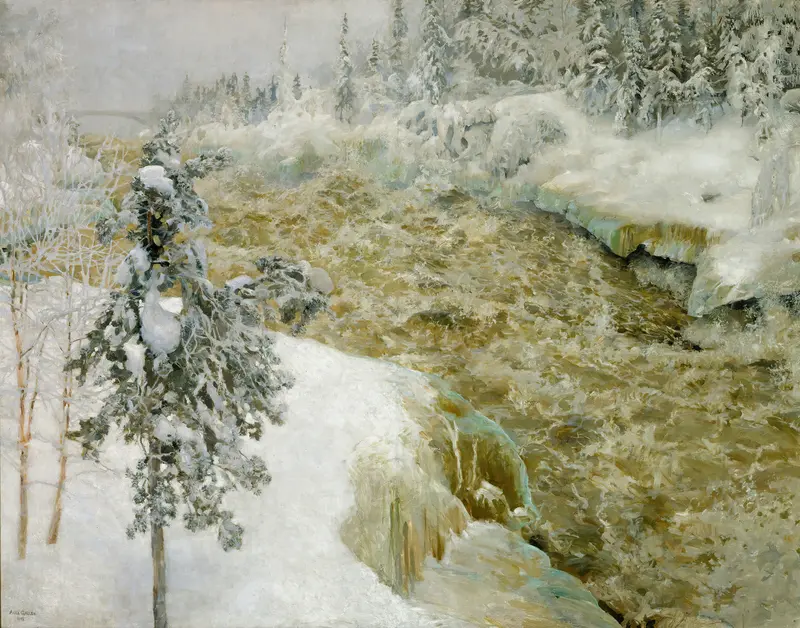
Imatra Falls in Snow ; Imatra in Winter
Akseli Gallen-Kallela
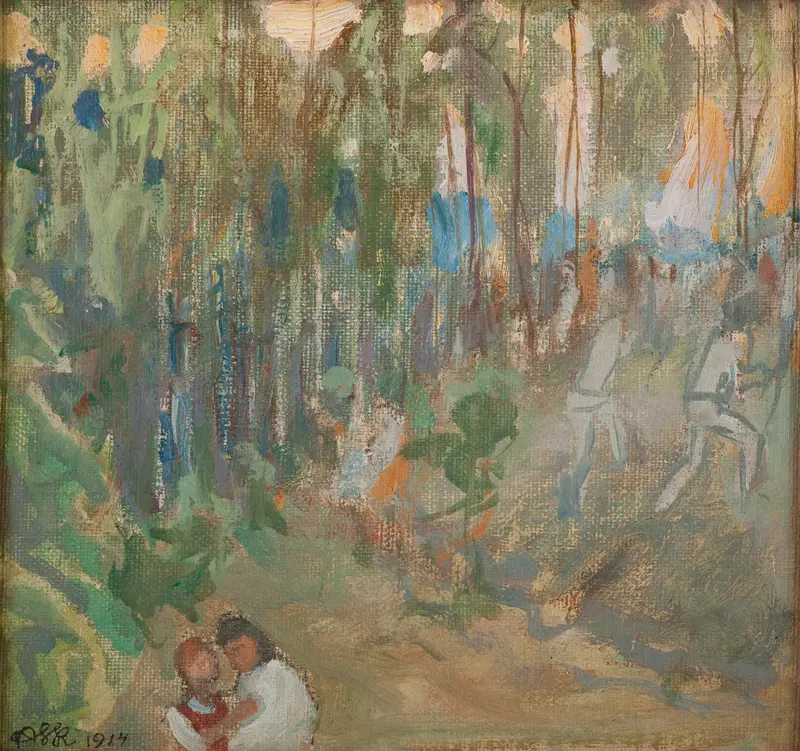
Vainovalkeat
Akseli Gallen-Kallela
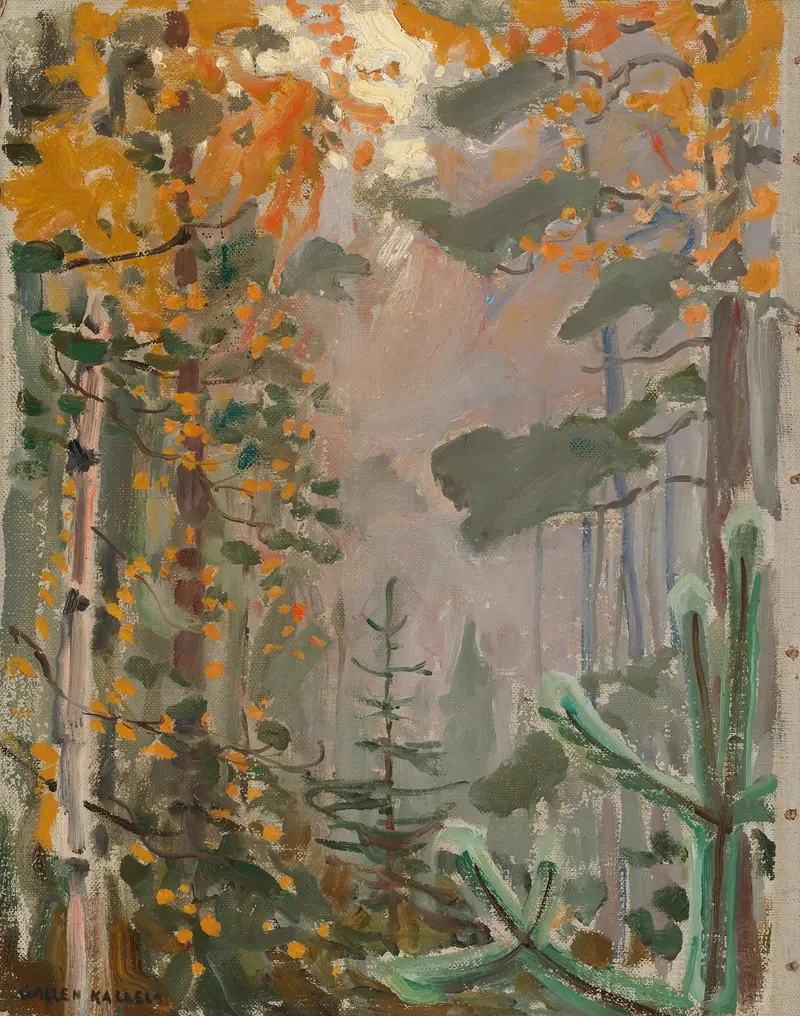
Autumn Landscape
Akseli Gallen-Kallela
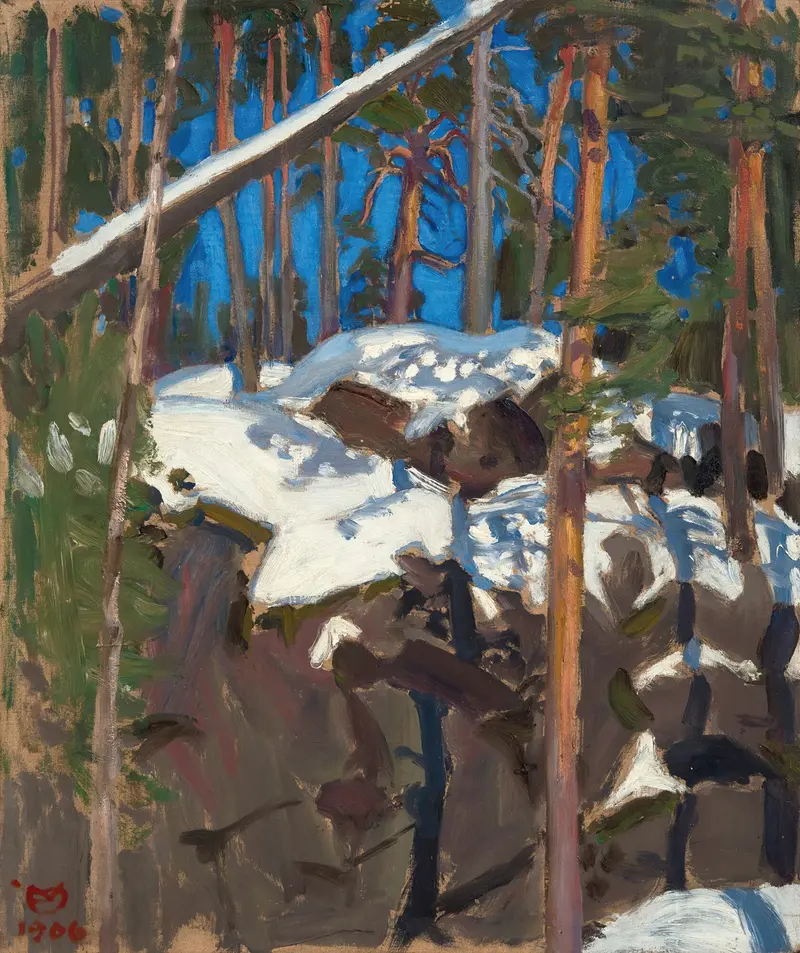
Spring Sun At Konginkangas
Akseli Gallen-Kallela
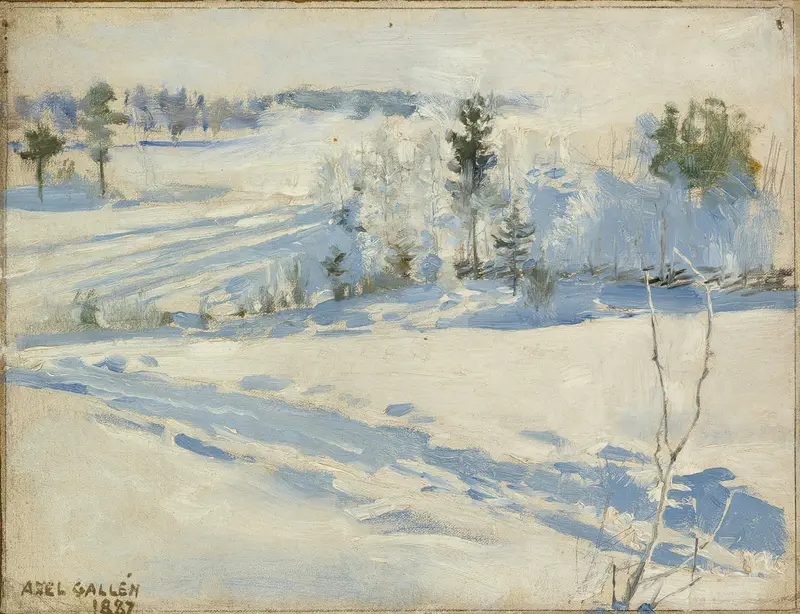
Winter Landscape
Akseli Gallen-Kallela

First Snow
Akseli Gallen-Kallela
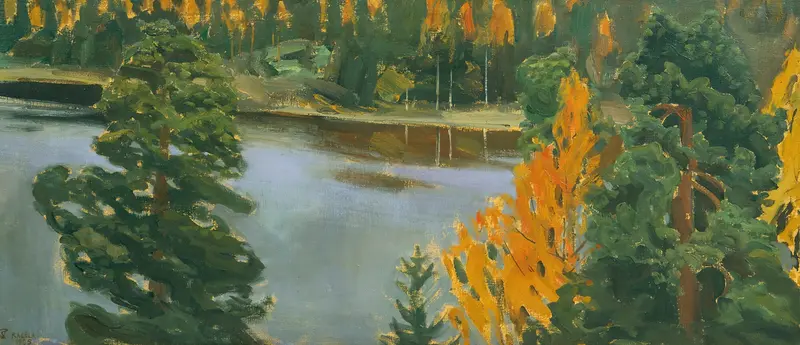
Lake View In Autumn
Akseli Gallen-Kallela
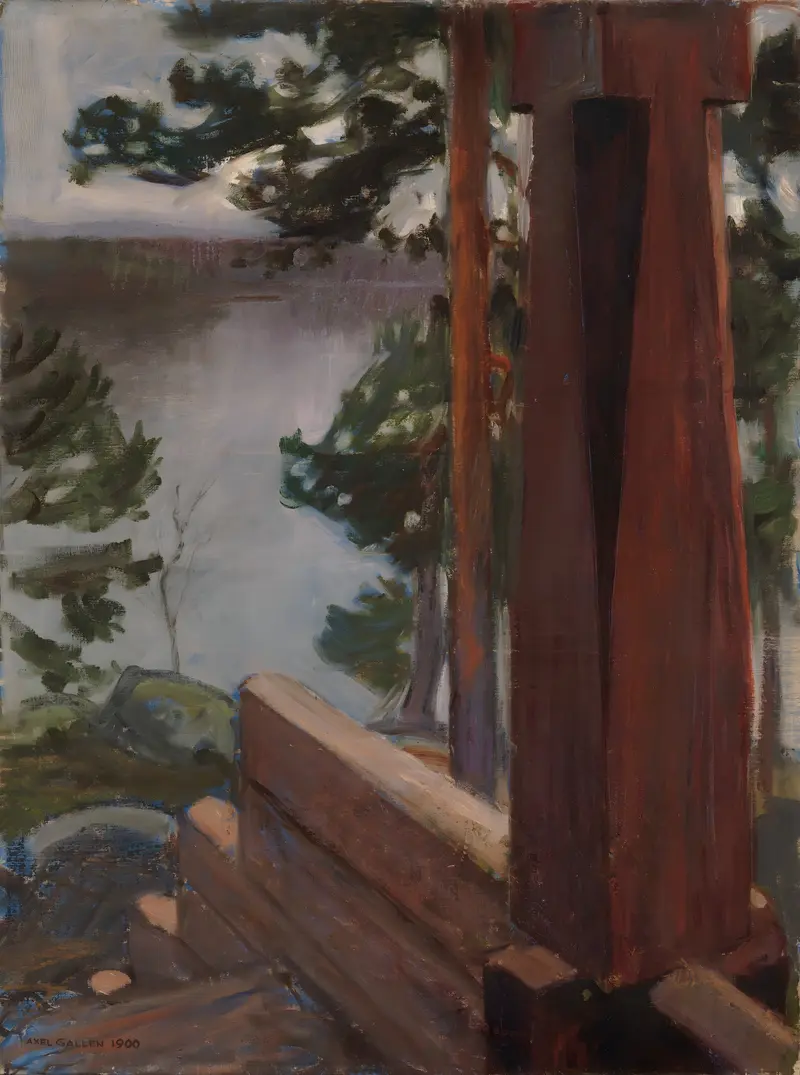
The Kalela Porch
Akseli Gallen-Kallela

Light Behind The Clouds
Akseli Gallen-Kallela





