
Crucifixion — History & Facts
What first seizes the eye in Crucifixion by Abraham Jansz. van Diepenbeeck is the swirl of movement and color at the foot of the cross, where human grief and Roman authority collide beneath the suspended figure of Christ. The painter orchestrates a charged scene: the soldier on horseback thrusts a sponge-tipped reed upward, his armor catching the last light, while at Christ’s feet, a woman in gold cradles his legs in a gesture of desperate devotion.
The sky churns with storm and revelation, pierced by a blood-red sun and the fluttering forms of cherubs who seem to both mourn and witness. Every gesture here is loaded—Mary’s open hands, the soldier’s intent gaze, the horse’s uneasy stance—each drawing the viewer into the drama of the moment. Created between 1630 and 1675, this work belongs to a period when large-scale religious paintings were commissioned for churches and private chapels across Catholic Europe, intended to inspire meditation and awe. Painters like van Diepenbeeck, active in the Baroque era, specialized in scenes that combined theatrical lighting, vivid emotion, and a sense of immediate presence—qualities prized by patrons seeking to reinforce faith in an age of religious conflict and renewal.
While history has kept few traces of this particular painting’s early journey, its survival in a modern collection speaks to the enduring power of such images. Look again at the faces, the colors, the charged space between earth and sky: this is a vision meant not just to be seen, but to be felt.
More Artworks by Abraham Jansz. van Diepenbeeck
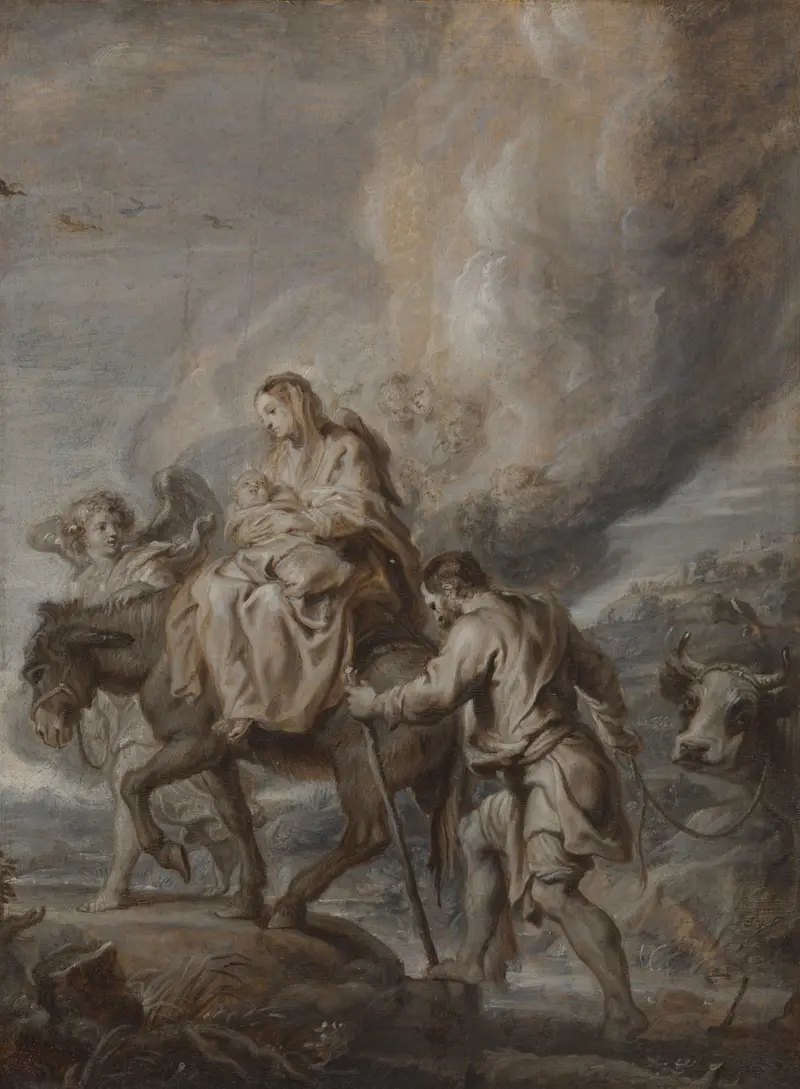
The Flight into Egypt
Abraham Jansz. van Diepenbeeck
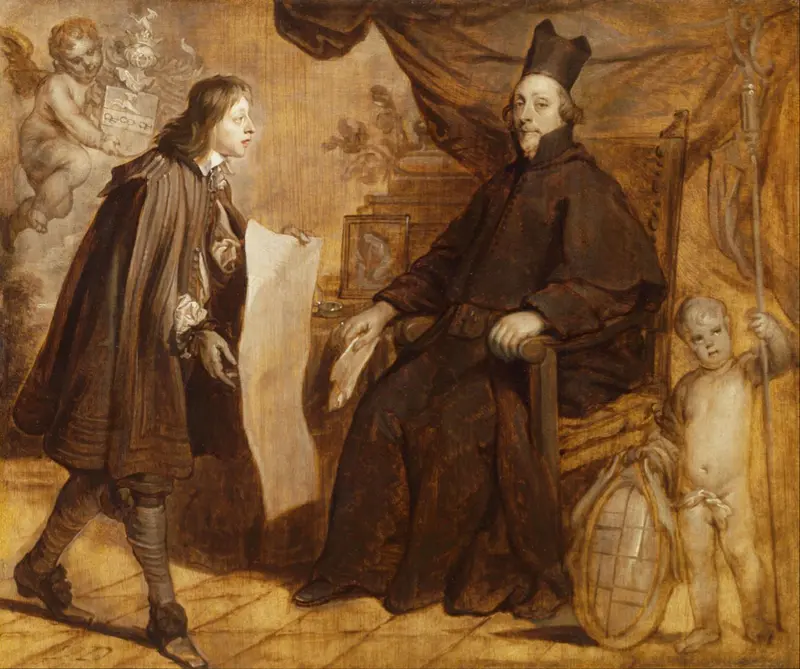
Portrait of a Prelate and a Young Man
Abraham Jansz. van Diepenbeeck
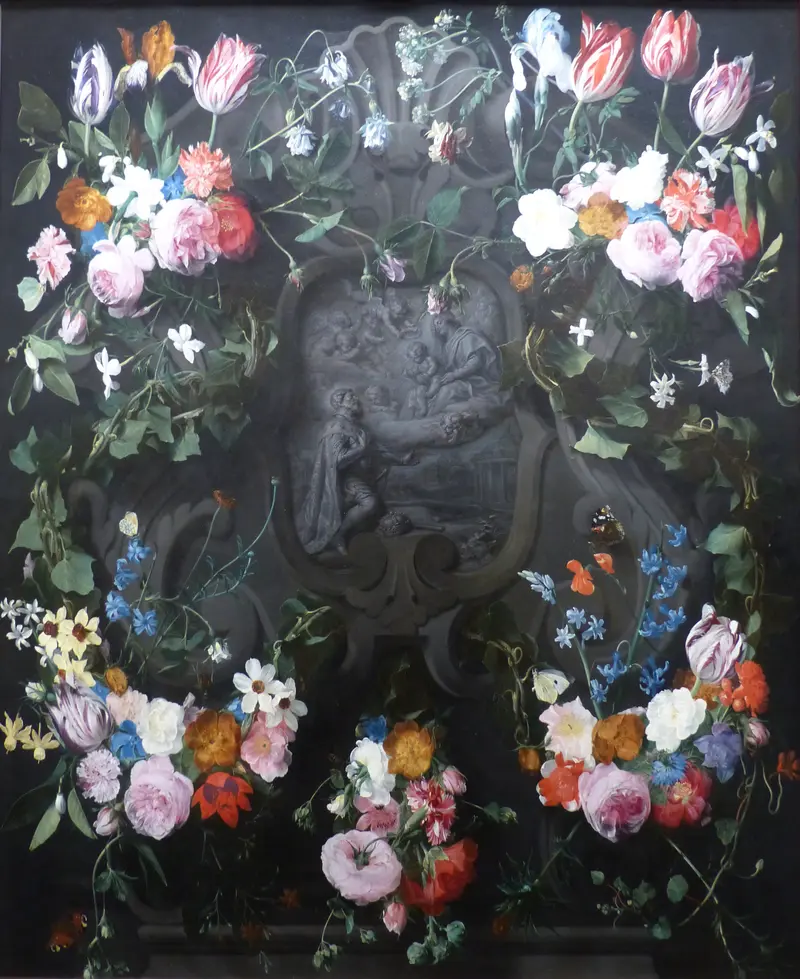
Guirlande de fleurs avec l'apparition de la Vierge-à-l'Enfant à St Léopold
Abraham Jansz. van Diepenbeeck
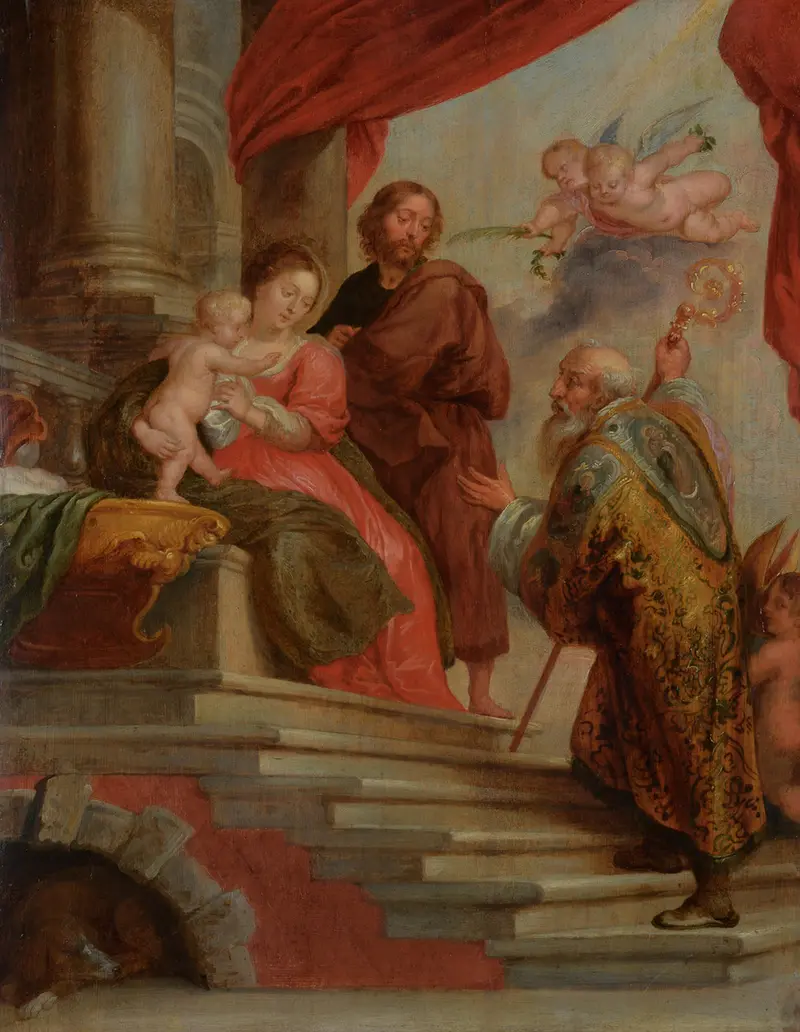
Holy family and Saint Willibrord
Abraham Jansz. van Diepenbeeck
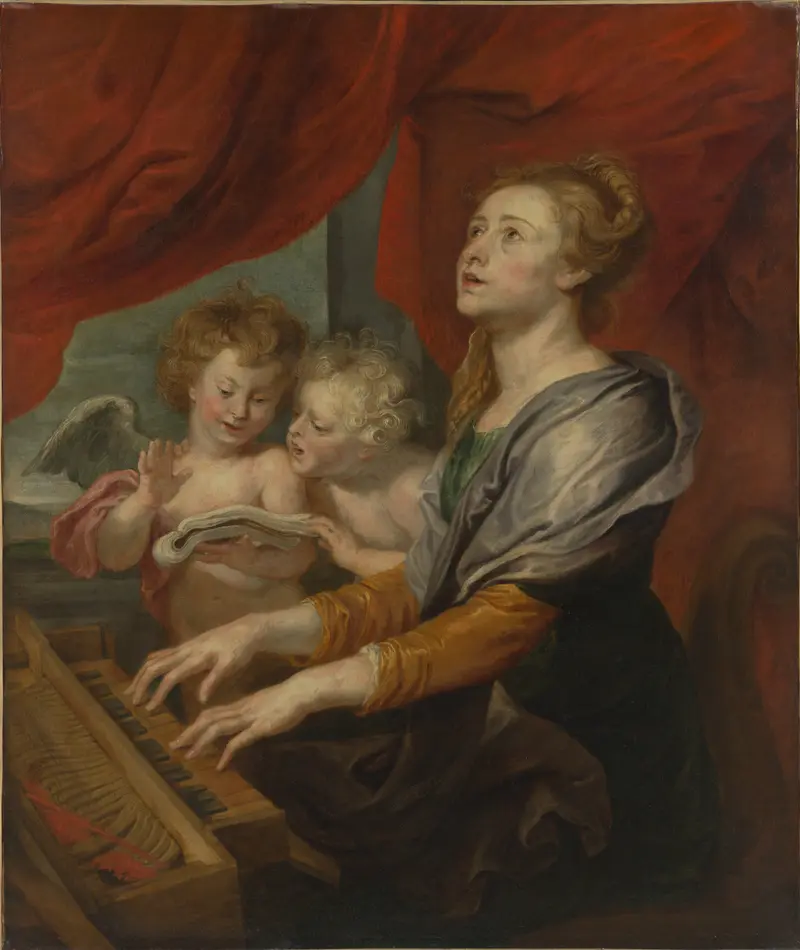
Saint Cecilia
Abraham Jansz. van Diepenbeeck
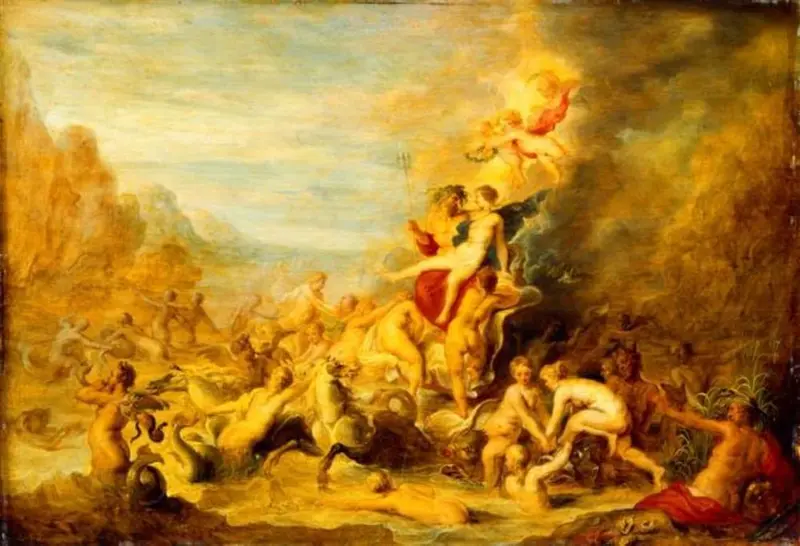
Triumph of Neptune and Amphitrite
Abraham Jansz. van Diepenbeeck
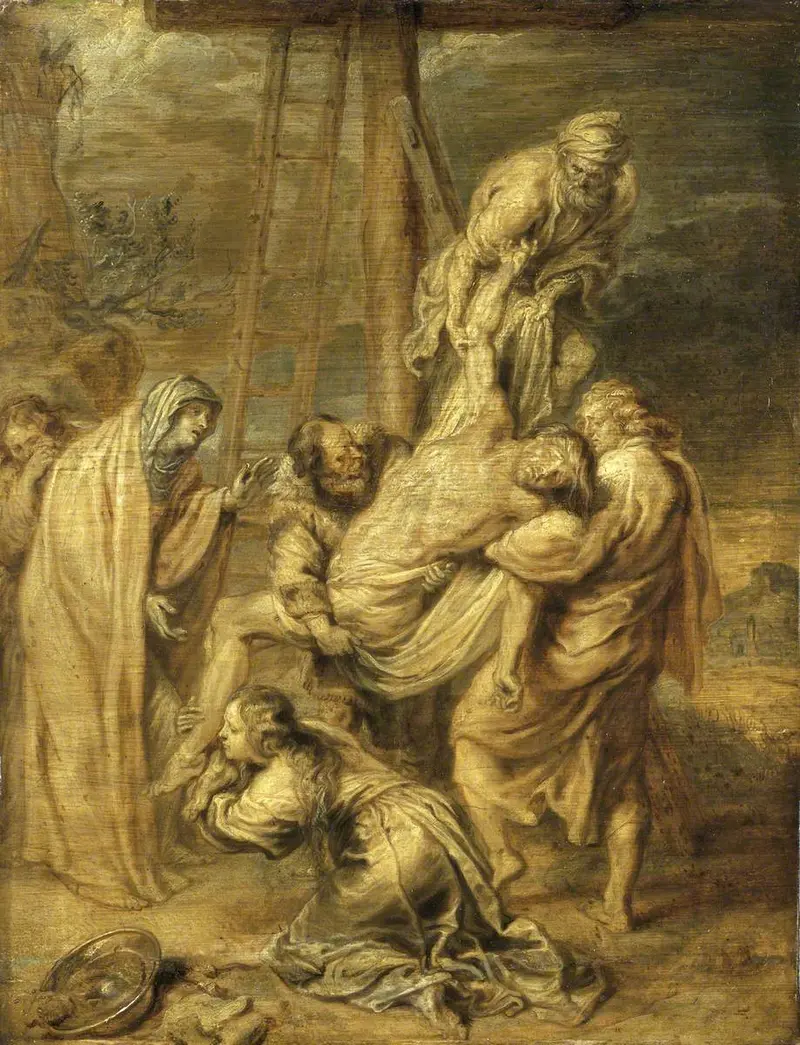
The Deposition
Abraham Jansz. van Diepenbeeck
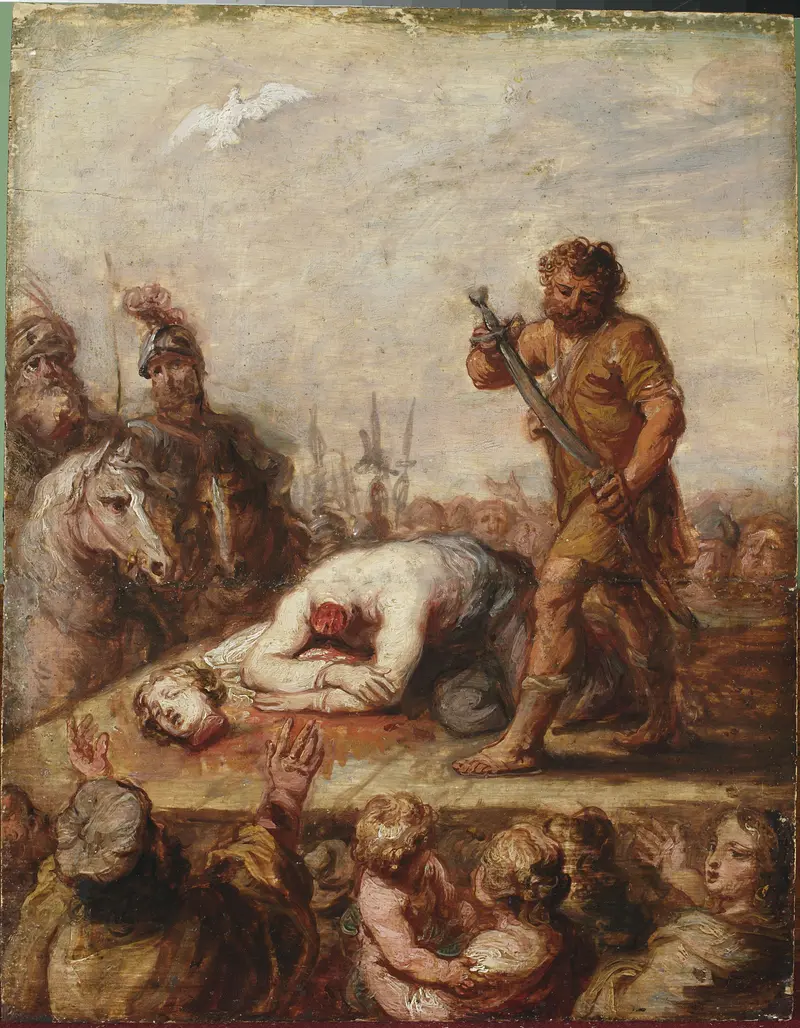
Sketch for a Decapitation of a Saint Woman (St. Catherine?)
Abraham Jansz. van Diepenbeeck
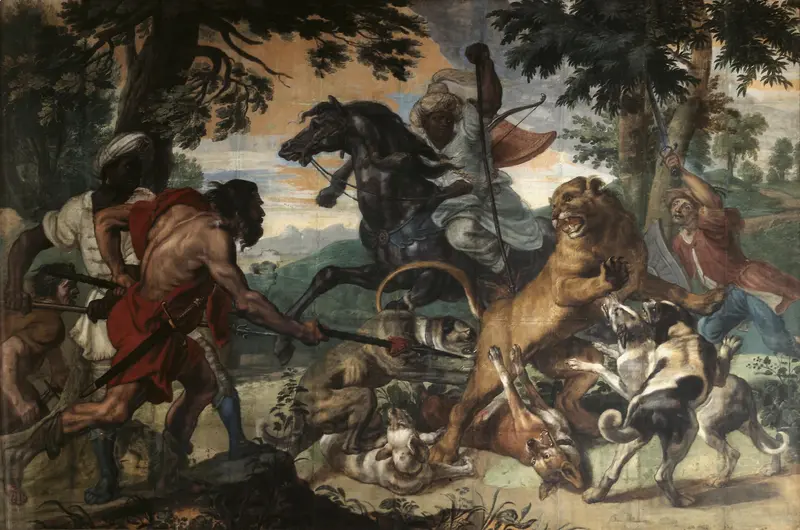
Lion Hunting
Abraham Jansz. van Diepenbeeck
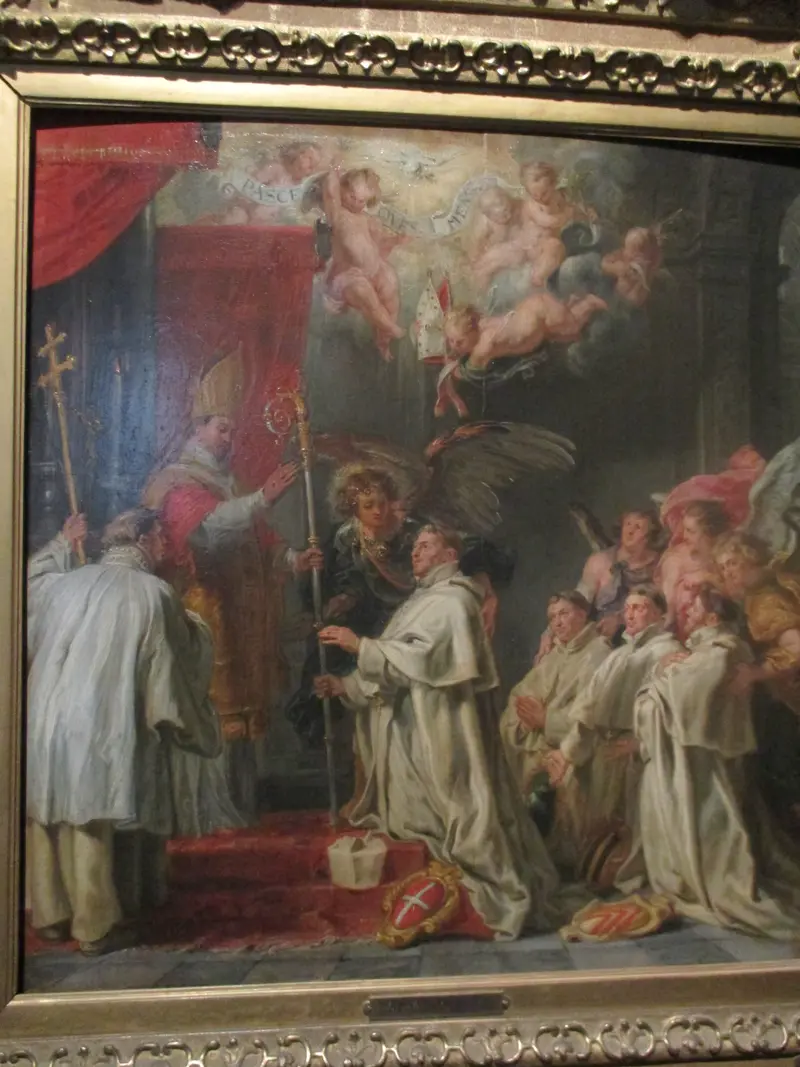
The archangel Michael supports the blessed Waltmann, who is being consecrated abbot by Saint Norbert
Abraham Jansz. van Diepenbeeck





