
Curiosity — History & Facts
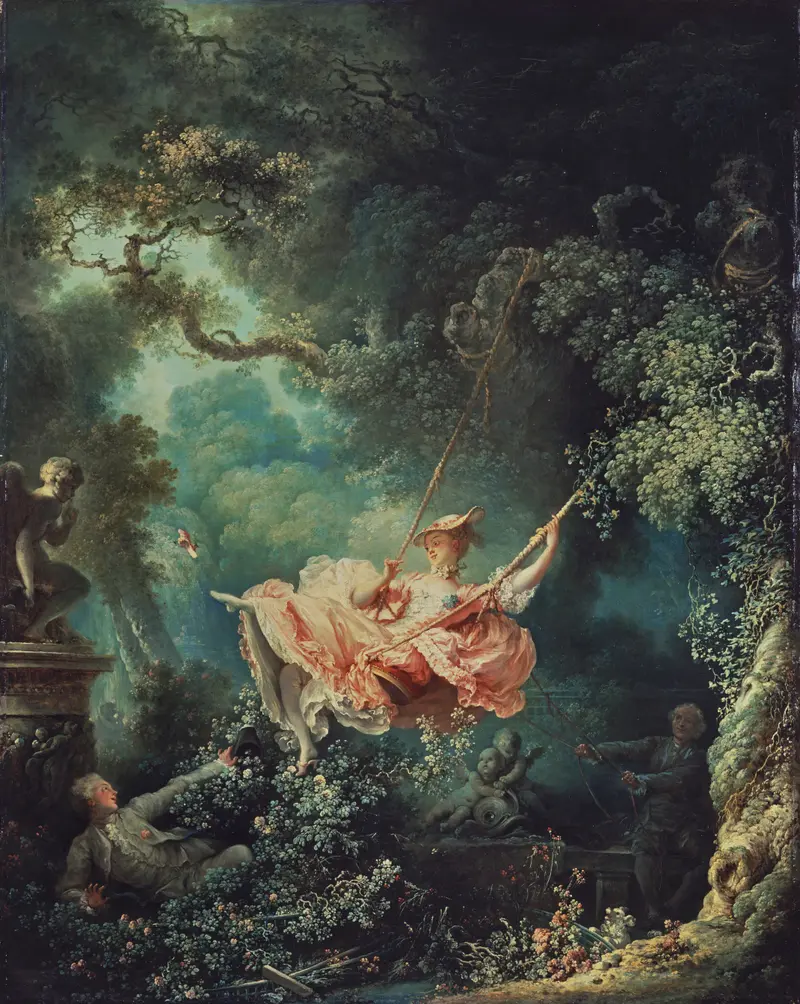
When Curiosity first appeared in 1777, it was quickly whispered about in Parisian salons for its playful ambiguity—was Jean-Honoré Fragonard gently mocking the fashionable thirst for secrets, or celebrating it? Unlike his more famous The Swing, which was commissioned as a private joke for a libertine patron, the origins of Curiosity are less clear, adding to its allure. The painting’s subject—three elegantly dressed women peering into a mysterious cabinet—sparked speculation about what hidden treasure or forbidden knowledge might lie within. The lack of a clear commission or patron has led some historians to wonder if Fragonard painted it for his own amusement, or perhaps as a gift for a close confidante. The scene Fragonard captures is charged with anticipation: three women, their faces half-lit in golden shadow, lean together as they open a small door.
Their gloved hands and silk dresses signal privilege, but their expressions—wide-eyed, lips parted—betray a childlike eagerness. The cabinet itself, finely carved, stands as a symbol of secrets and the allure of the unknown. Fragonard’s loose, energetic brushwork heightens the sense of movement and shared excitement.
Where Chardin might have rendered such a domestic moment with quiet restraint, Fragonard infuses it with theatricality, making the act of looking itself the true subject. The physical history of Curiosity is less documented than many of Fragonard’s other works, a fact that has only deepened its mystique. While some of his paintings were swept up in the dispersals of the French Revolution, it is not clear where Curiosity resided in the years after its creation. Today, it is recognized as a quintessential example of the Rococo fascination with private pleasures and fleeting moments.
The painting’s uncertain provenance has not diminished its reputation; rather, it stands as a testament to Fragonard’s ability to capture the spirit of an age obsessed with both appearances and the secrets that lie beneath.
More Artworks by Jean-Honoré Fragonard
The Swing
Jean-Honoré Fragonard

The Swing
Jean-Honoré Fragonard
A Young Girl Reading
Jean-Honoré Fragonard
The Lock
Jean-Honoré Fragonard
The Triumph of Venus
Jean-Honoré Fragonard
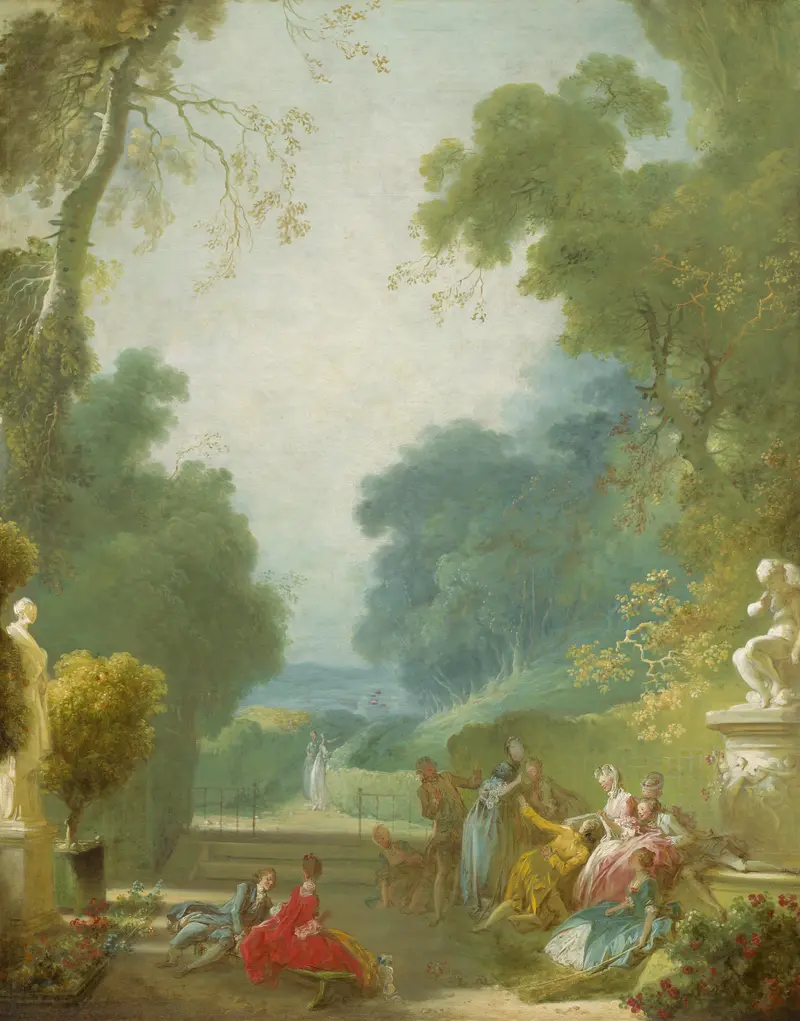
A Game of Hot Cockles
Jean-Honoré Fragonard
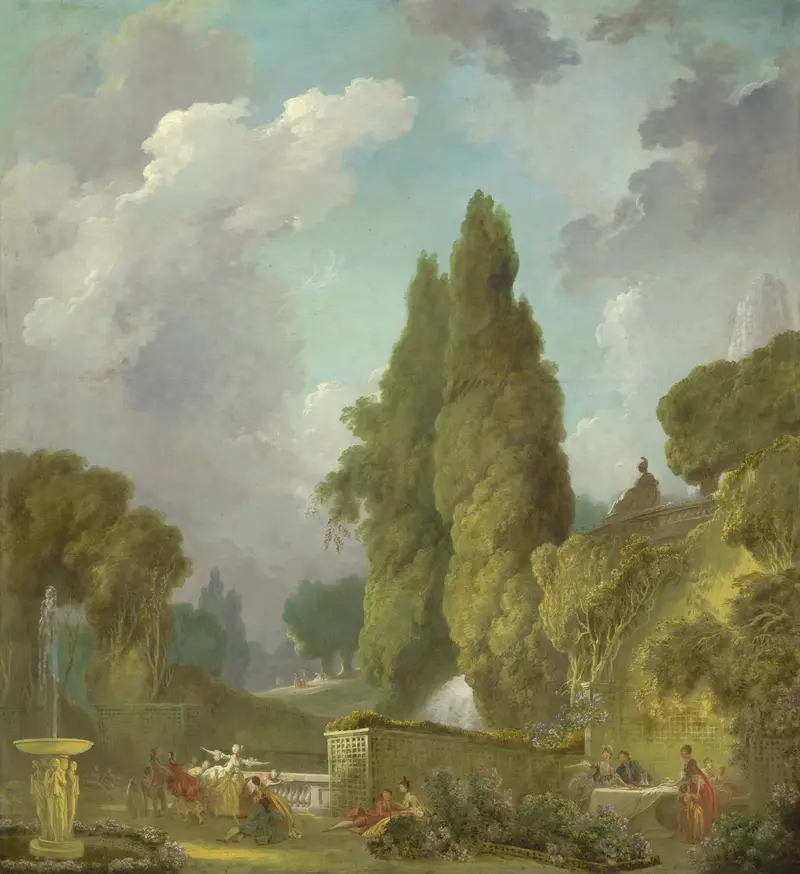
Blindman’s Buff
Jean-Honoré Fragonard
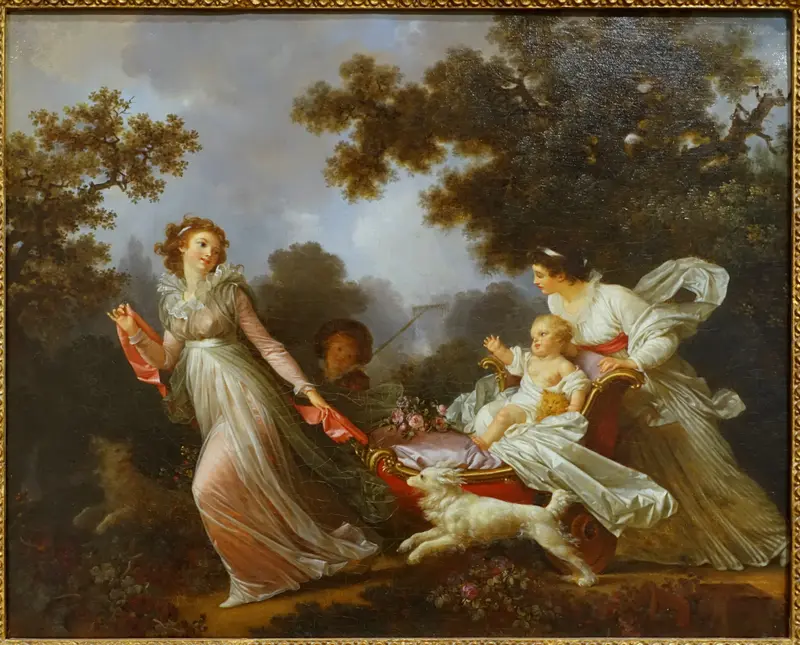
The Beloved Child
Jean-Honoré Fragonard
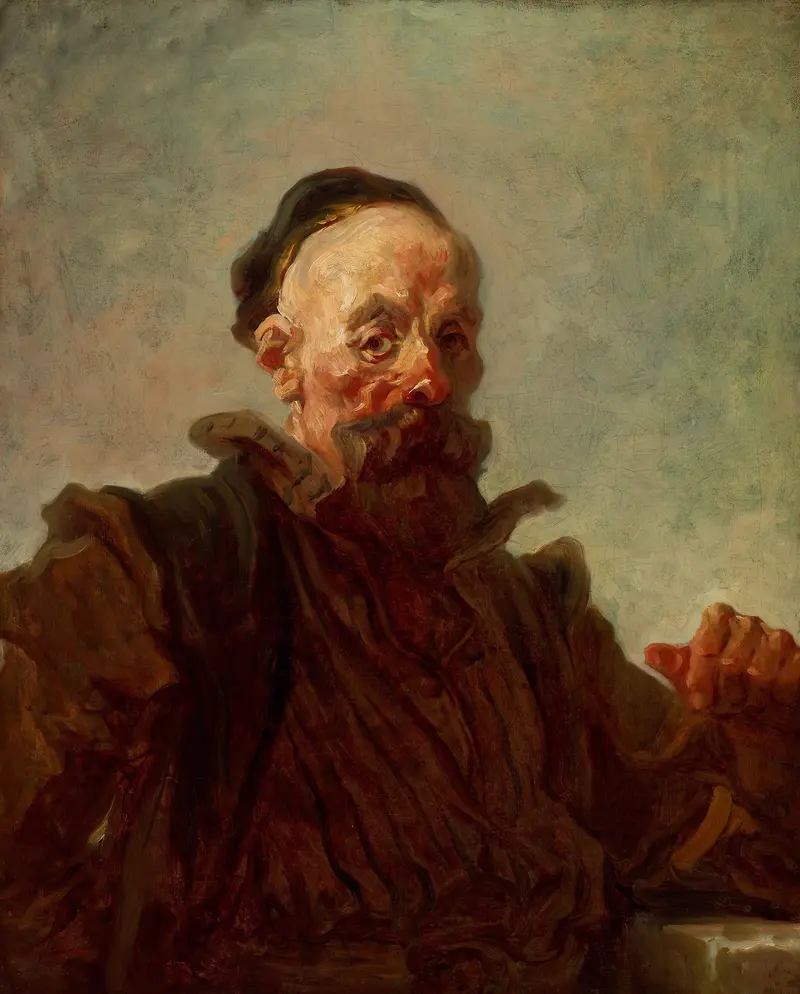
Portrait of a Man in Costume
Jean-Honoré Fragonard
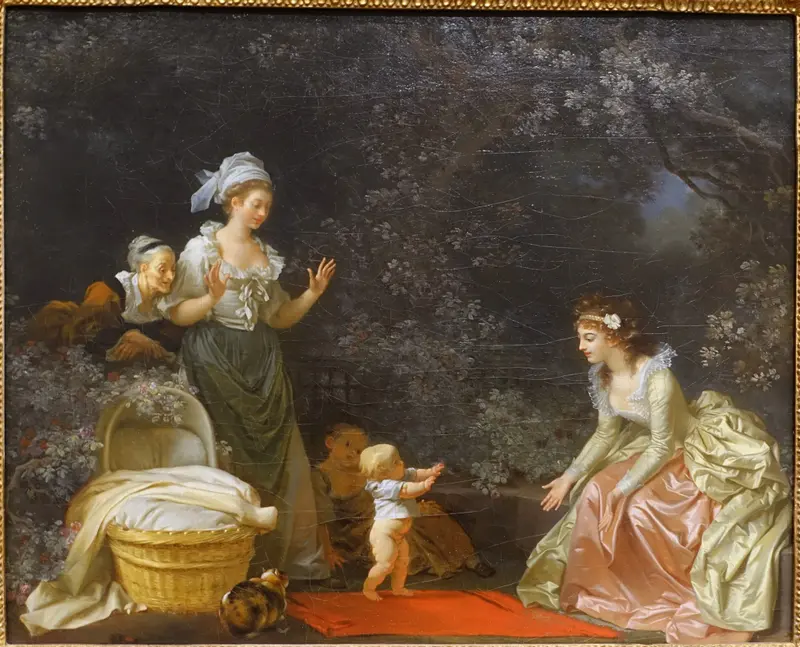
The First Steps
Jean-Honoré Fragonard
More Genre Scene Art

Banquet of the Officers of the St George Civic Guard
Frans Hals

Rembrandt and Saskia in the Scene of the Prodigal Son
Rembrandt van Rijn

Bal du moulin de la Galette
Pierre-Auguste Renoir

Quadrille at the Moulin Rouge
Henri de Toulouse-Lautrec

A Burial at Ornans
Gustave Courbet

When Will You Marry?
Paul Gauguin