
Daikoku (God of Luck) with Radish — History & Facts
When Katsushika Hokusai created Daikoku (God of Luck) with Radish in 1804, he was already renowned for his inventive spirit, but this work stands out for its playful blend of the sacred and the everyday. Daikoku, one of Japan’s Seven Lucky Gods, is rarely shown with such a humble companion as a daikon radish. This pairing may have amused Hokusai’s contemporaries, who were accustomed to more formal depictions of deities.
The work’s date places it just before Hokusai’s explosion of fame with his later Thirty-six Views of Mount Fuji, making it a fascinating glimpse of his wit on the cusp of his maturity. In the image, Daikoku beams with his trademark smile, his round face and ample robes rendered with the lively, fluid line that would become Hokusai’s signature. He holds a giant daikon radish—a symbol of prosperity and health—rather than his usual mallet, suggesting a moment of generosity or celebration. The radish, freshly pulled from the earth, roots and all, grounds the god in the world of farmers and merchants, making luck seem accessible to all.
Where earlier artists like Utagawa Toyokuni might have shown Daikoku enthroned or surrounded by treasure, Hokusai’s version is approachable, almost mischievous, inviting viewers to see good fortune in everyday things. The precise medium of Daikoku (God of Luck) with Radish is uncertain, though it likely belongs to the world of ink and color on paper or silk, as was typical for Hokusai’s early 19th-century works. The painting’s early history is not well documented, and it is not clear whether it was a private commission or intended for a wider audience. Today, it survives as part of the scattered corpus of Hokusai’s lesser-known paintings, overshadowed by his later prints but cherished by collectors and scholars for its warmth and humor.
Its place in Hokusai’s career is that of a playful experiment, bridging his early explorations of folk subjects and the iconic landscapes that would later define him.
More Artworks by Katsushika Hokusai

The Great Wave off Kanagawa
Katsushika Hokusai
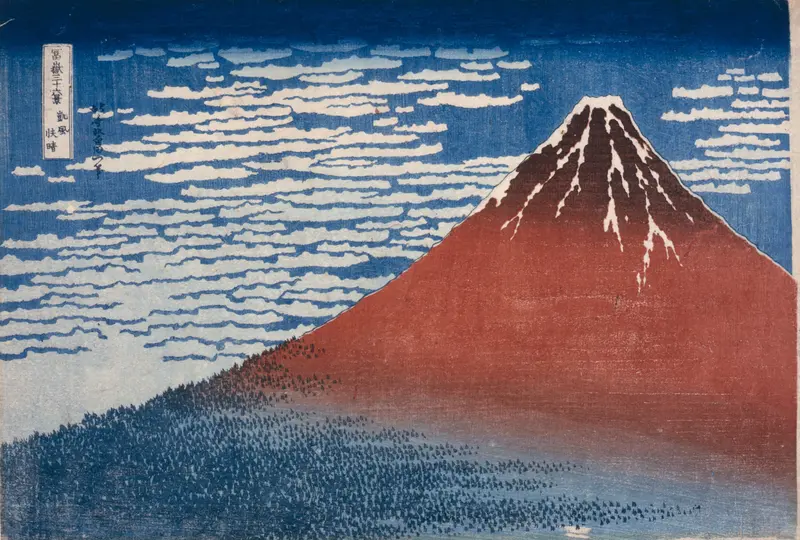
Fine Wind, Clear Morning (Red Fuji)
Katsushika Hokusai
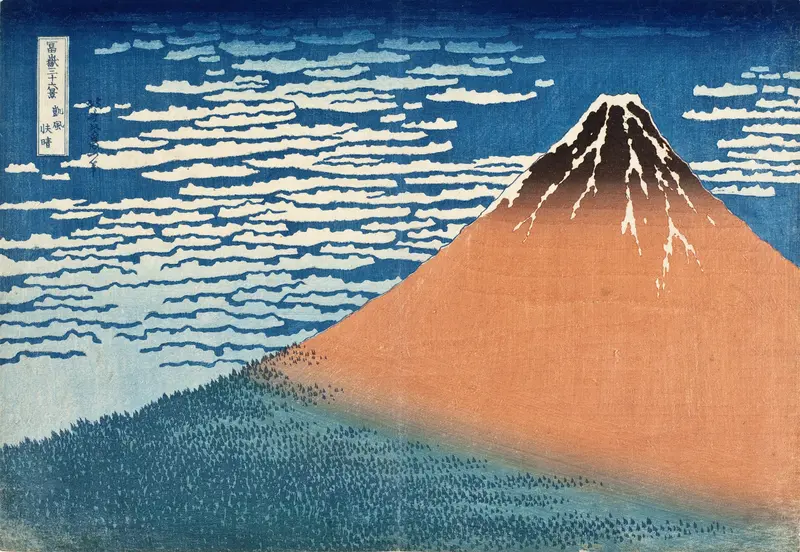
South Wind, Clear Dawn
Katsushika Hokusai
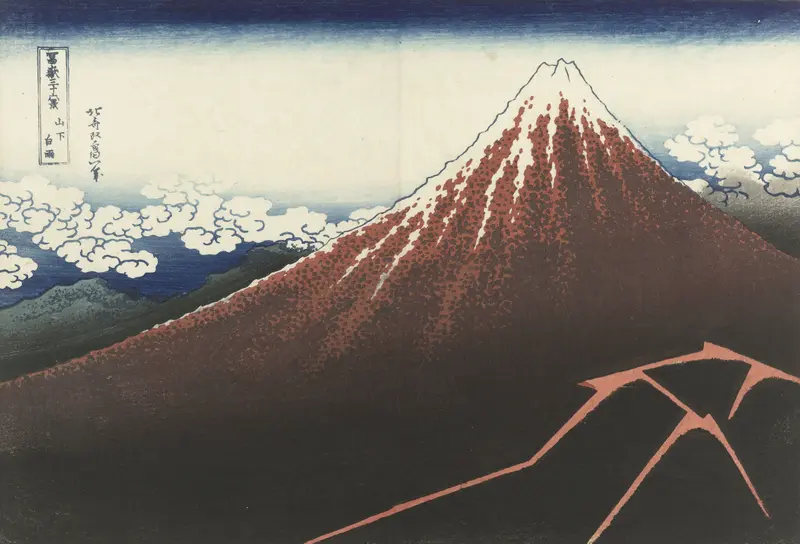
Rainstorm Beneath the Summit
Katsushika Hokusai
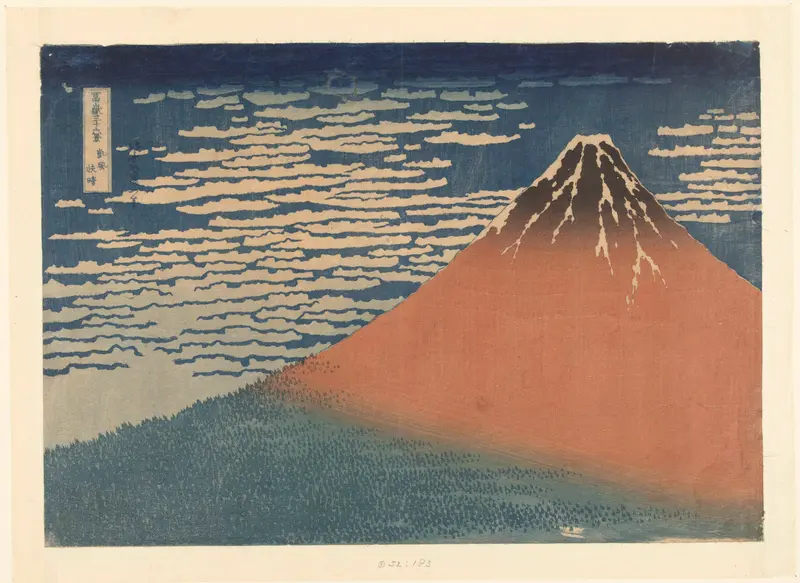
Clear Weather with a Southerly Wind
Katsushika Hokusai
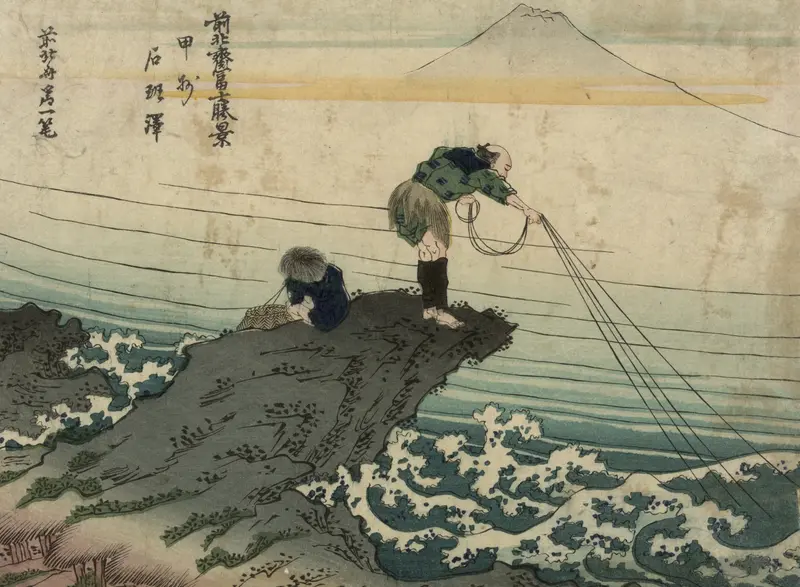
Kōshū kajikazawa
Katsushika Hokusai
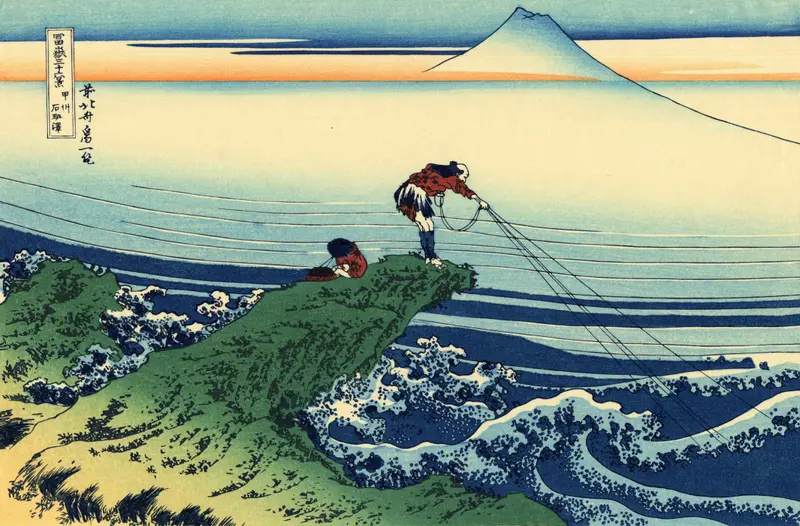
Kōshū kajikazawa 2
Katsushika Hokusai
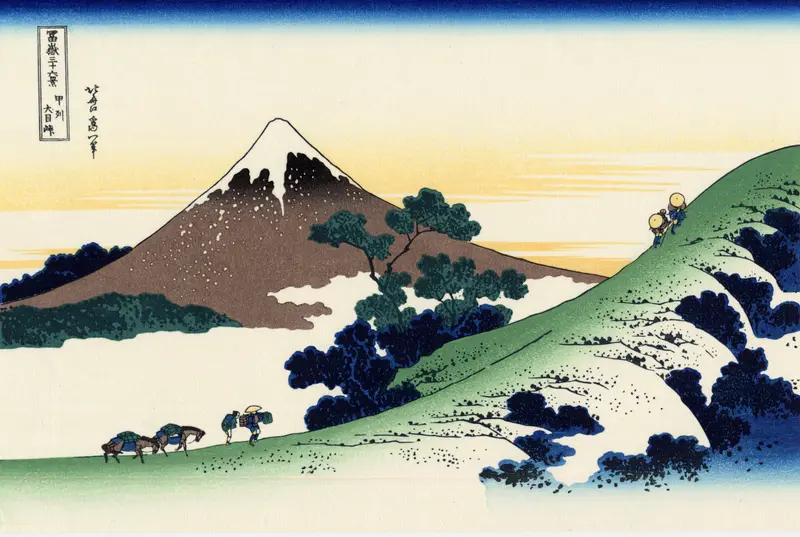
Inume Pass in Kai Province (Kôshû inume-tôge)
Katsushika Hokusai

Yoro Falls in Mino Province (Mino no Yoro no taki), from the series "A Tour of Waterfalls in Various Provinces (Shokoku taki meguri)"
Katsushika Hokusai
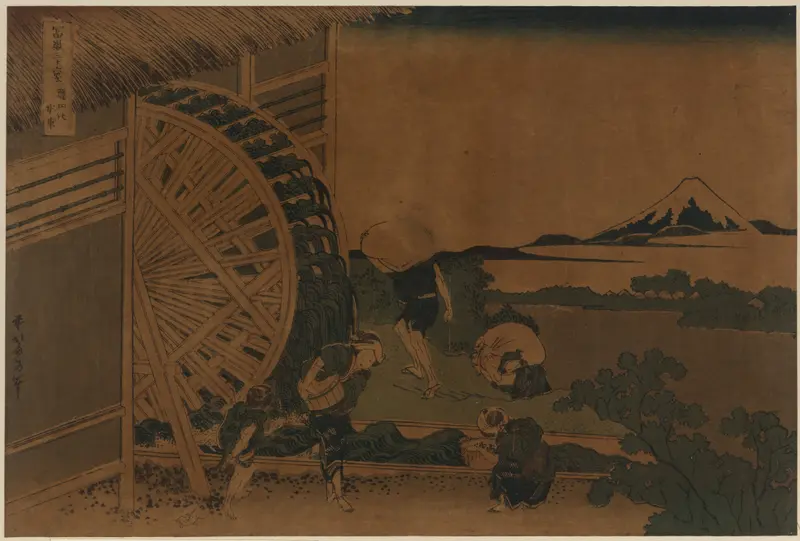
Onden no suisha
Katsushika Hokusai



