
Daphnis and Chloe — History & Facts
When François Gérard turned to the ancient Greek romance of Daphnis and Chloe, he joined a long tradition of artists and writers enchanted by this pastoral tale, but few brought to it the neoclassical sensibility for which he was renowned. The story, first penned by Longus in the 2nd century AD, had already inspired painters from Jean-Baptiste Greuze to Pierre-Paul Prud’hon, yet Gérard’s interpretation stands out for its delicate balance between innocence and awakening desire. The painting’s precise date and original commissioner remain uncertain, adding a layer of intrigue: was it created for a private salon, or perhaps as a tribute to the literary vogue for ancient idylls sweeping Paris in the early 19th century? What is clear is that Gérard’s Daphnis and Chloe quickly became admired among connoisseurs for its graceful composition and refined emotion. The moment Gérard selects is one of gentle discovery: Daphnis and Chloe, raised as shepherds, sit together in a sun-dappled meadow, on the cusp of understanding their feelings for each other.
Chloe’s shy, downcast gaze and Daphnis’s tentative touch capture the innocence of first love, while the scattered flowers and grazing sheep underscore their connection to nature and the pastoral world. Gérard’s soft modeling of flesh and careful attention to drapery recall the influence of Jacques-Louis David, his teacher, yet the mood is more tender than heroic. Unlike Prud’hon’s more dreamlike version, Gérard’s figures are grounded, their emotions rendered with psychological subtlety rather than allegorical distance.
The gentle light, filtering through imagined trees, seems to pause time — inviting the viewer to witness the fragile birth of affection. Though details of this painting’s early history are scarce, its style and subject place it firmly within the neoclassical movement that flourished in France after the Revolution, when artists sought to revive the clarity and harmony of antiquity. Gérard, celebrated for his portraits of Napoleon and the imperial court, often found respite in mythological themes, and Daphnis and Chloe reveals his softer, more lyrical side. The painting’s subsequent journey is not well documented, but works of this type were typically displayed in private collections or exhibited at the Paris Salon.
Today, it stands as a testament to Gérard’s ability to blend classical restraint with genuine feeling, and to the enduring appeal of ancient stories retold for new generations.
More Artworks by François Gérard

Portrait of Emperor Napoleon I
François Gérard
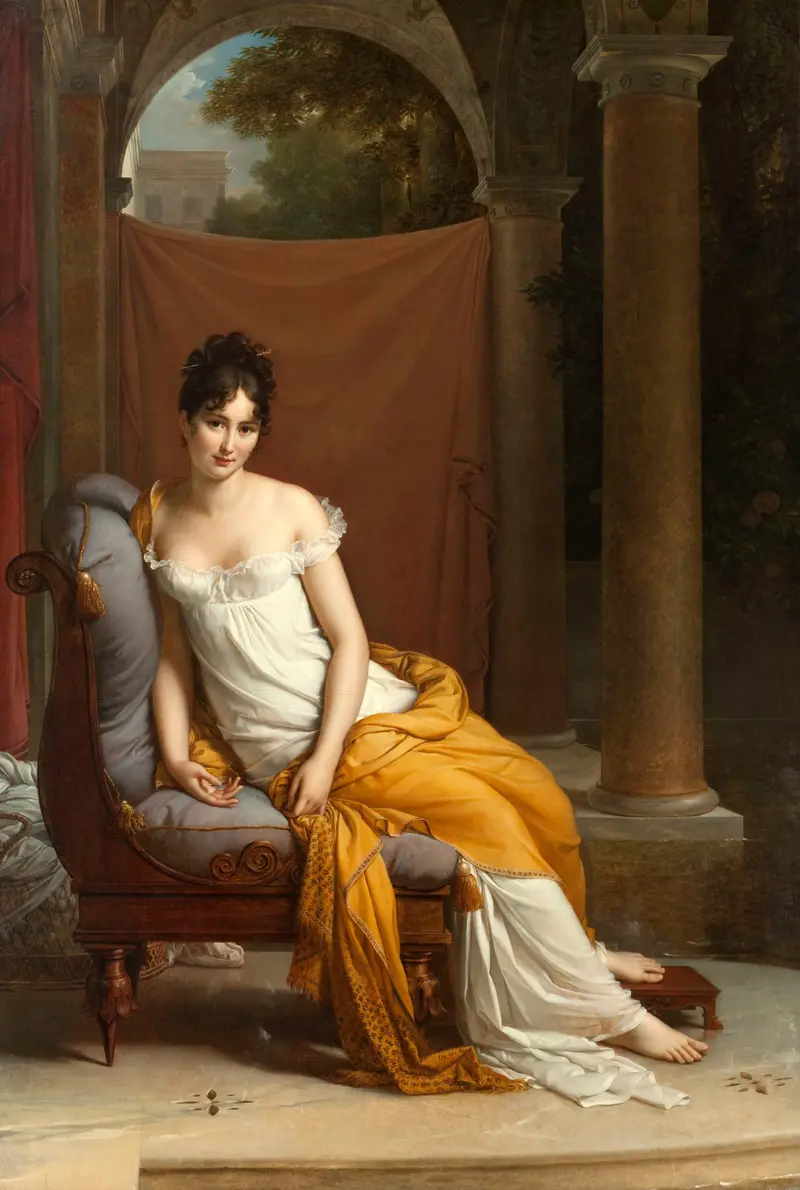
Portrait of Juliette Récamier, née Bernard
François Gérard
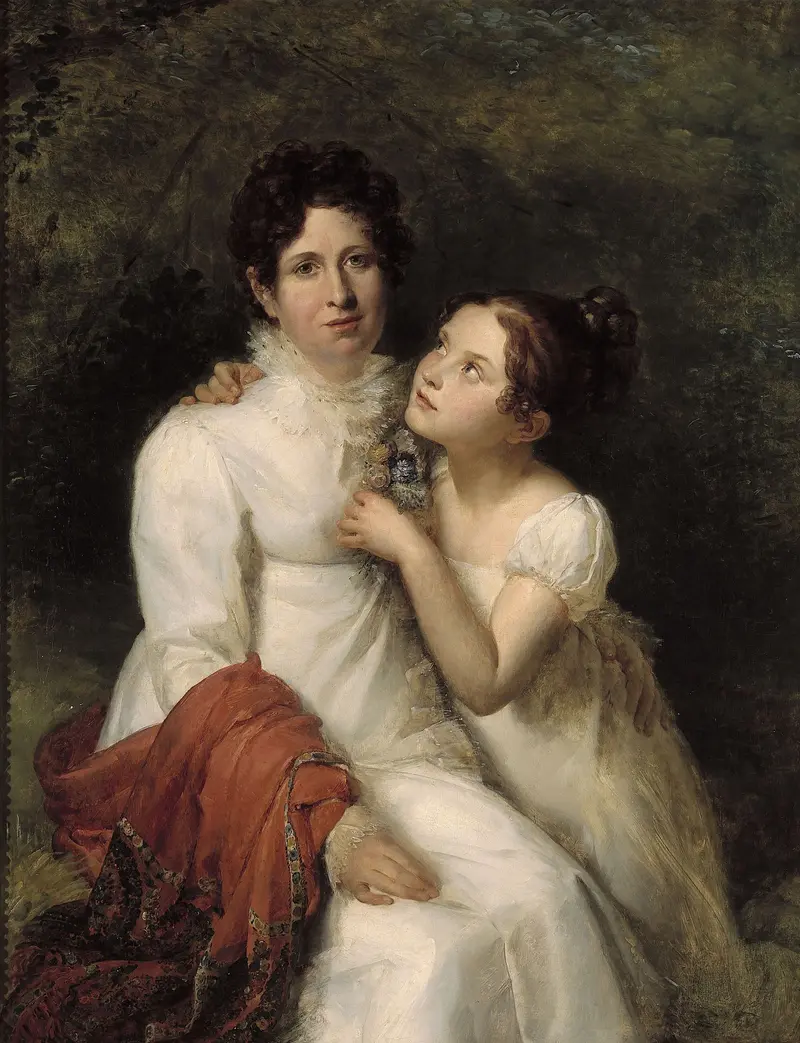
Portrait de Madame Bauquin Du Boulay et de sa nièce Mademoiselle Bauquin de La Souche
François Gérard
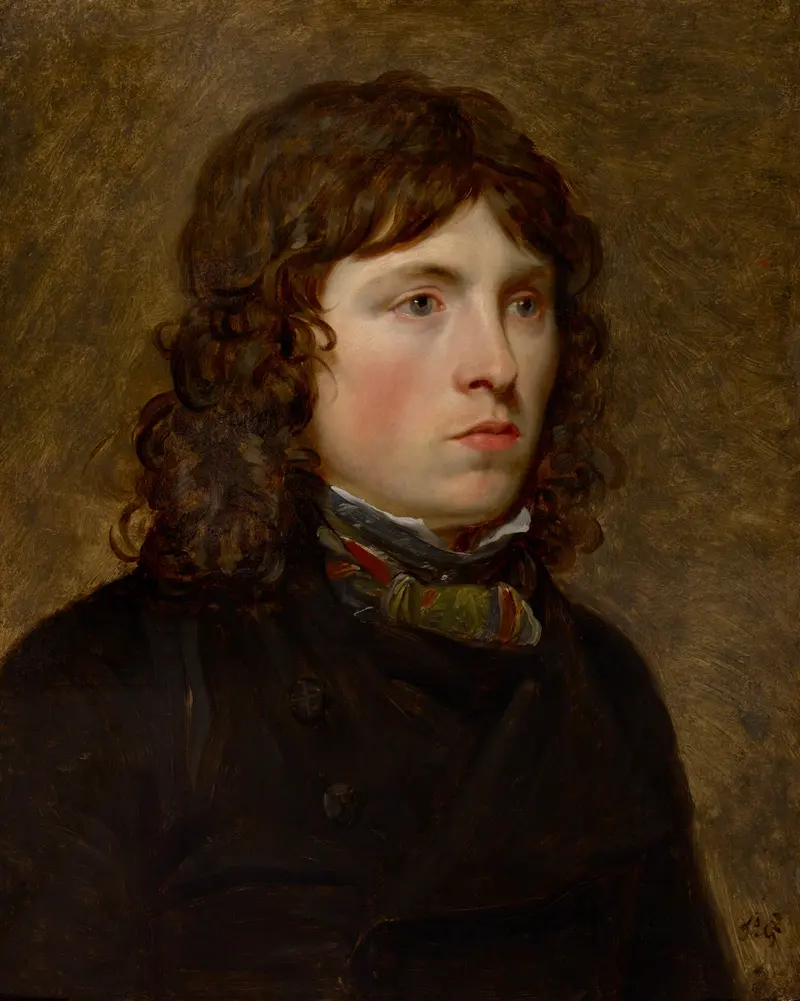
Portrait of G. F. Reverdin
François Gérard
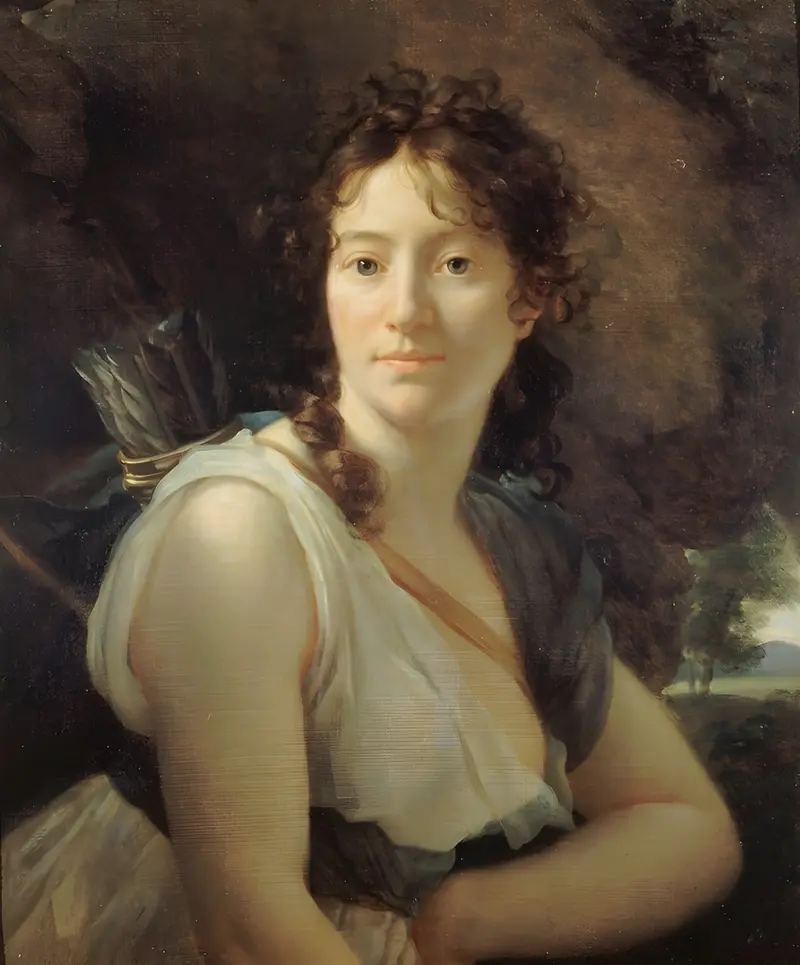
Portrait Of Mademoiselle Duchesnois (1777-1835), Member Of The Comédie-Française, In The Role Of Dido.
François Gérard
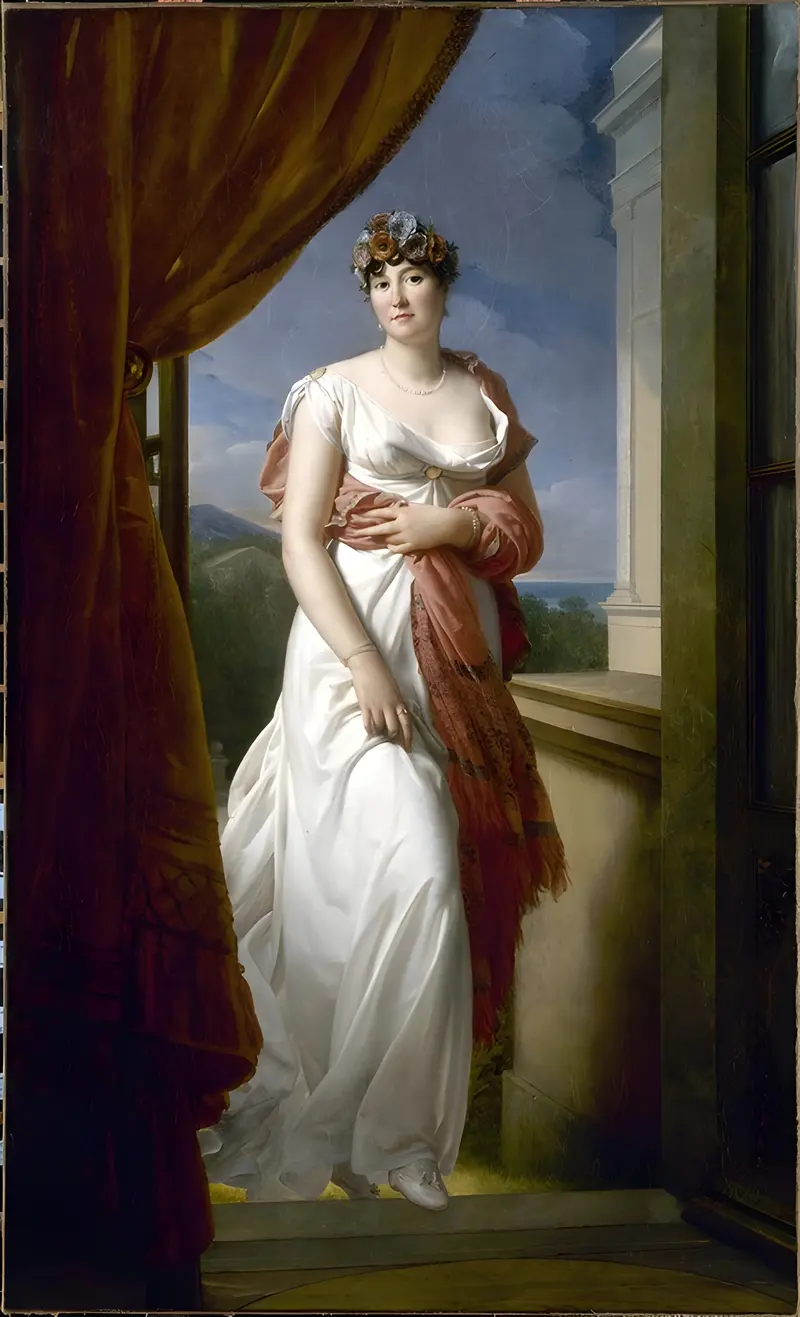
Portrait Of Theresia Cabarrus (1773-1835), Wife Tallien, Then Princess Of Caraman-Chimay
François Gérard
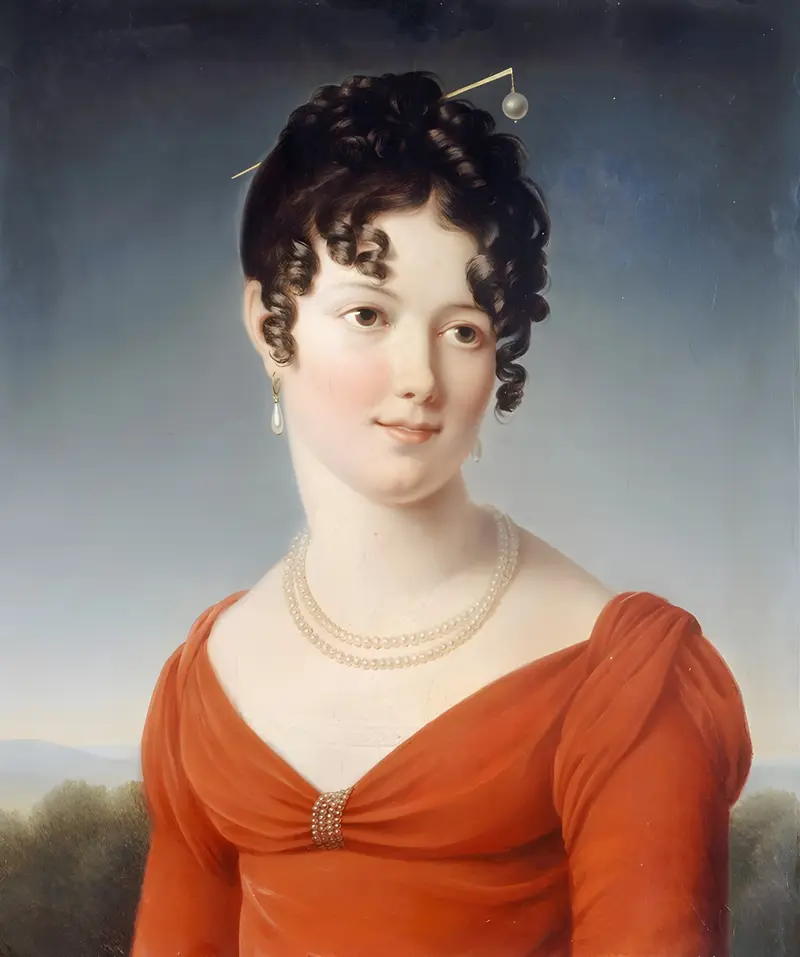
Bust Portrait Of Alexandrine-Anne De La Pallu, Marquise De Flers (1786-1832)
François Gérard
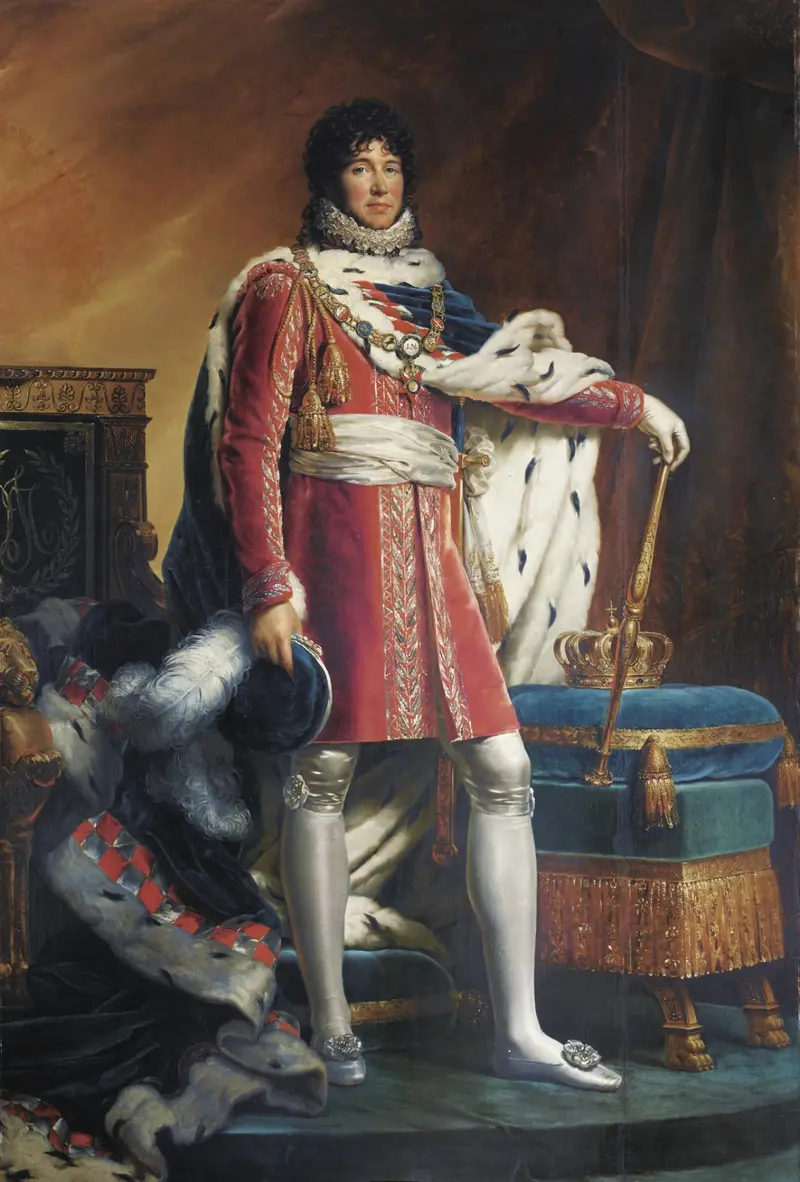
Portrait of Joachim Napoléon Murat, King of Naples and of the two Sicilies
François Gérard
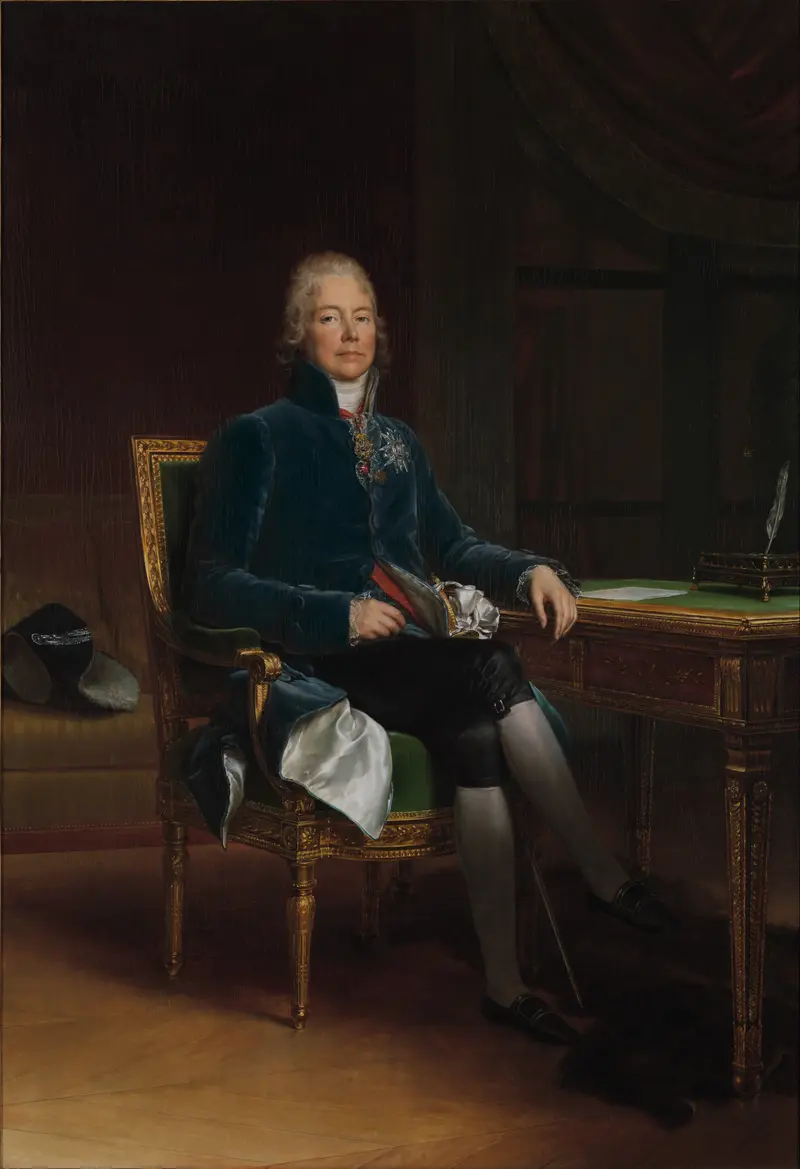
Charles Maurice de Talleyrand Périgord (1754–1838), Prince de Bénévent
François Gérard
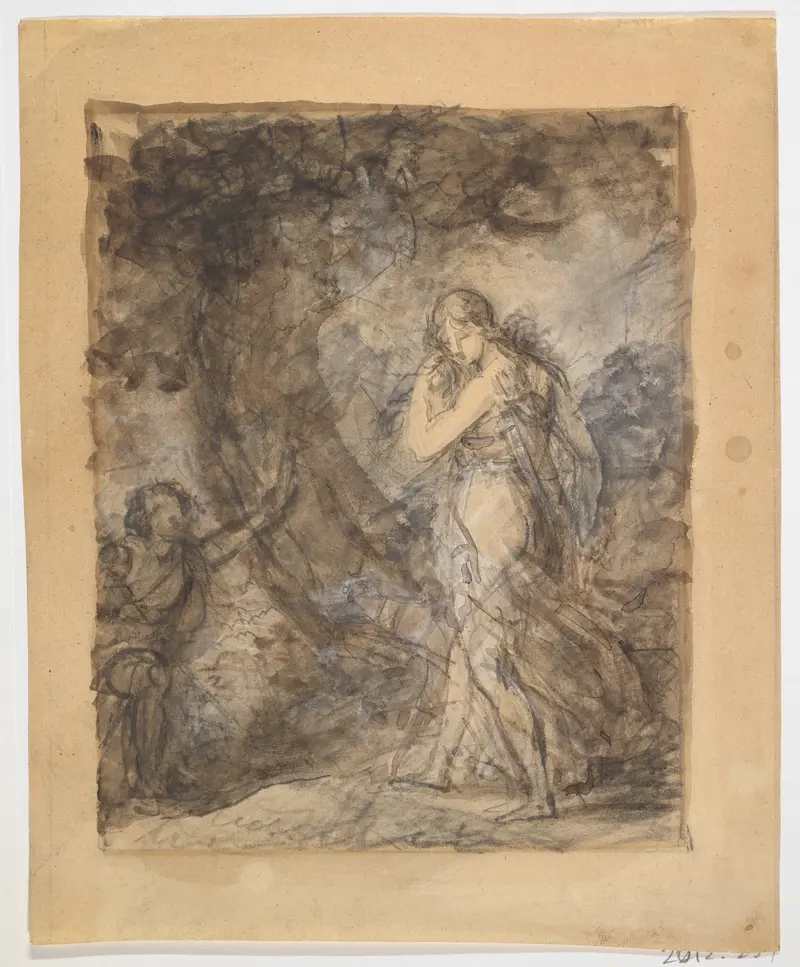
Daphnis Running toward Chloe
François Gérard





