
David en Abigaïl — History & Facts
In David en Abigaïl, madness seeps through the vibrant hues and intricate details, offering a visceral glimpse into the human experience. Focus on the figures at the center, where Abigail's gaze is both alluring and pleading, her posture tense as if caught between desperation and resolve. Notice how the rich reds and deep greens surround them, amplifying the emotional undercurrent of the moment. The sharp contrast of light and shadow, particularly the way light glimmers off David's armor, signifies both protection and vulnerability, inviting the viewer to ponder the weight of their choices. The tension between the two figures reveals complex layers of betrayal, loyalty, and desire.
David, poised with a regal air, embodies strength, yet his expression hints at the turmoil within. A delicate balance hangs between trust and treachery, as the background whispers of the conflict surrounding them. Abigail's outstretched hands suggest an offer or a warning, emphasizing her role as the mediator in this charged moment of fate. During the years 1505 to 1509, the artist created this work amidst the rise of humanism in the Northern Renaissance.
Living in Leiden, van Leyden was influenced by the burgeoning interest in narrative and emotion in art. His mastery of detail and composition blossomed as he sought to capture the complexities of human interaction, a reflection of the changing tides in society and the tumultuous history of his time.
More Artworks by Lucas van Leyden
Browse all →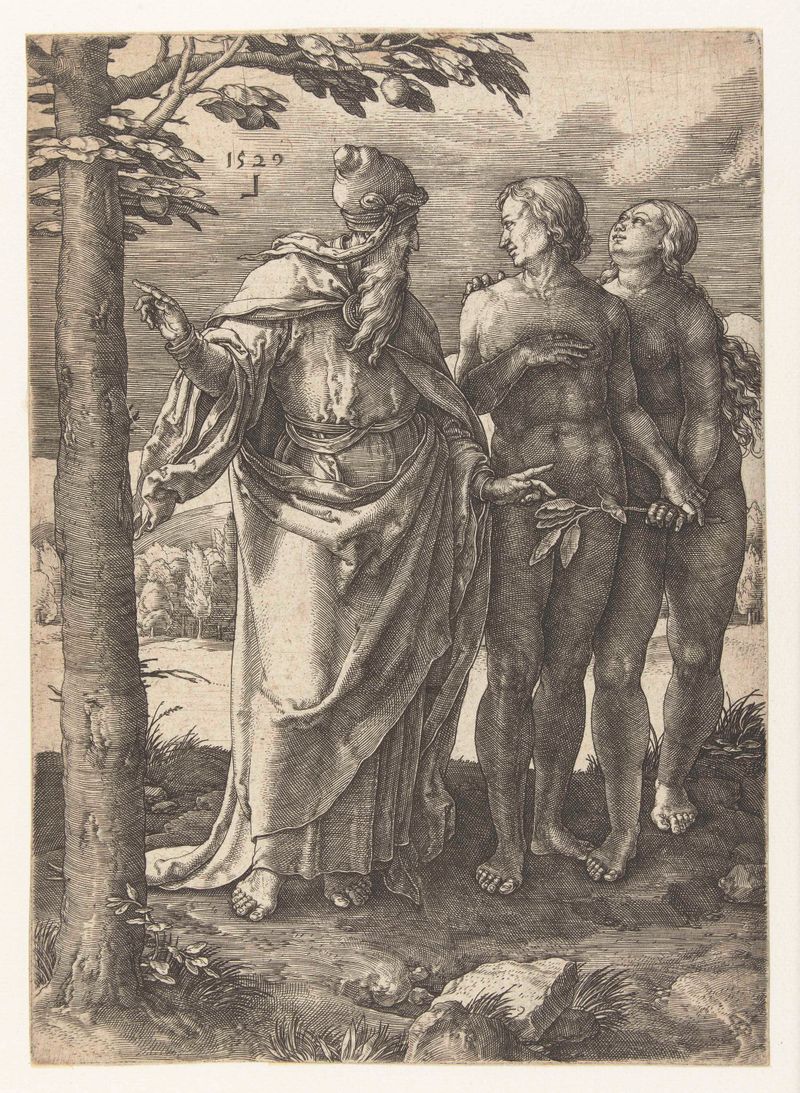
Het eerste verbod
Lucas van Leyden
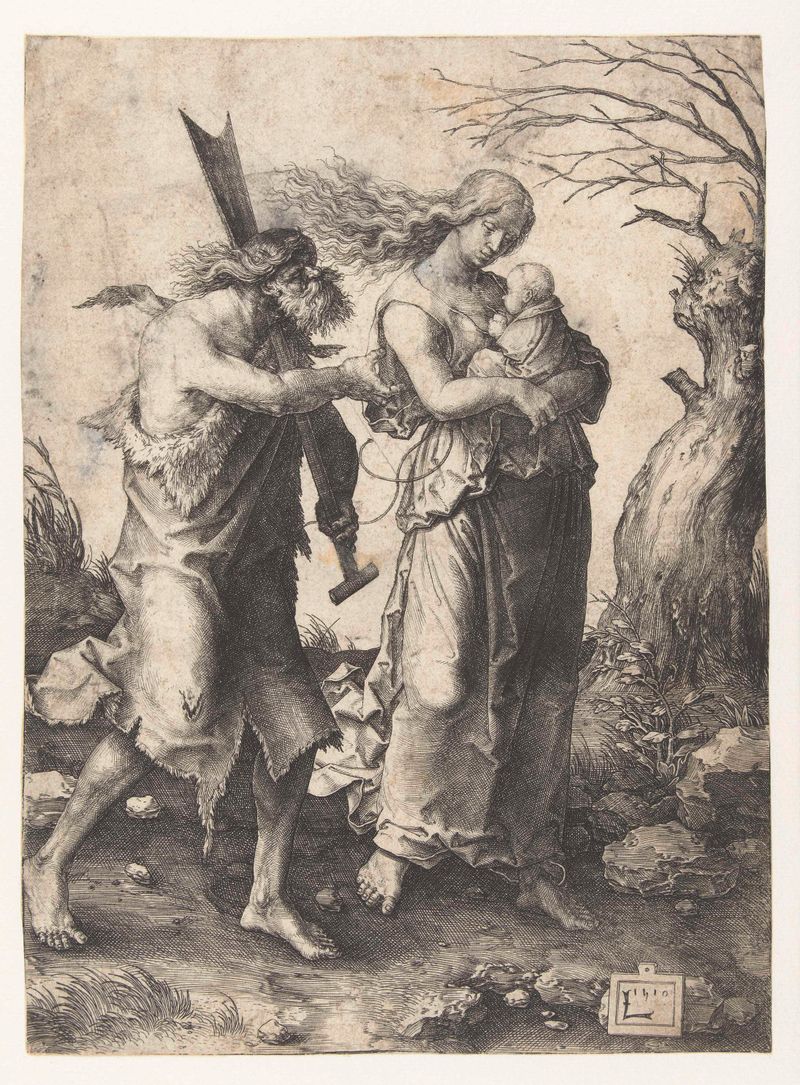
Adam en Eva na de verdrijving uit het paradijs
Lucas van Leyden
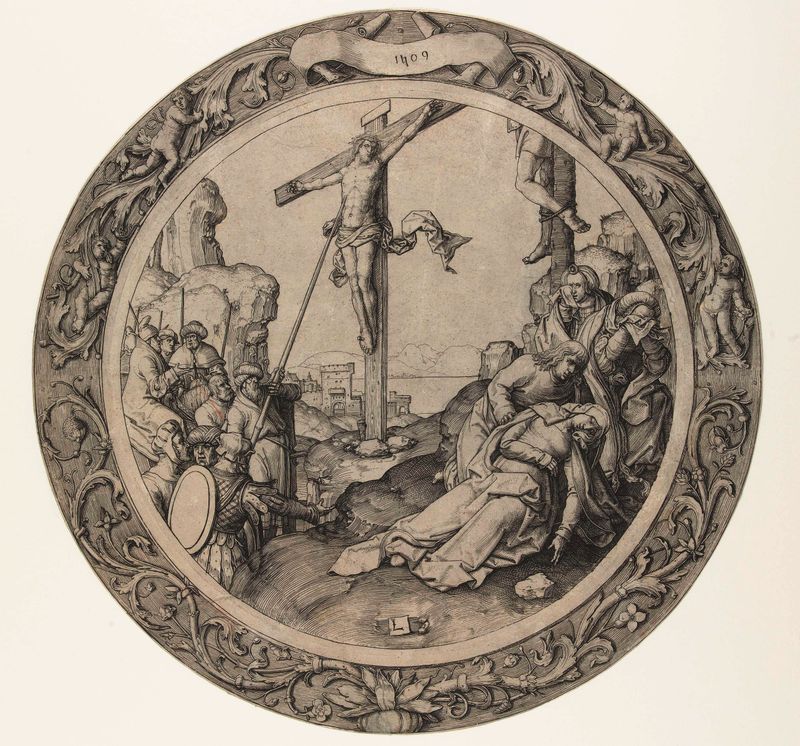
De kruisiging
Lucas van Leyden
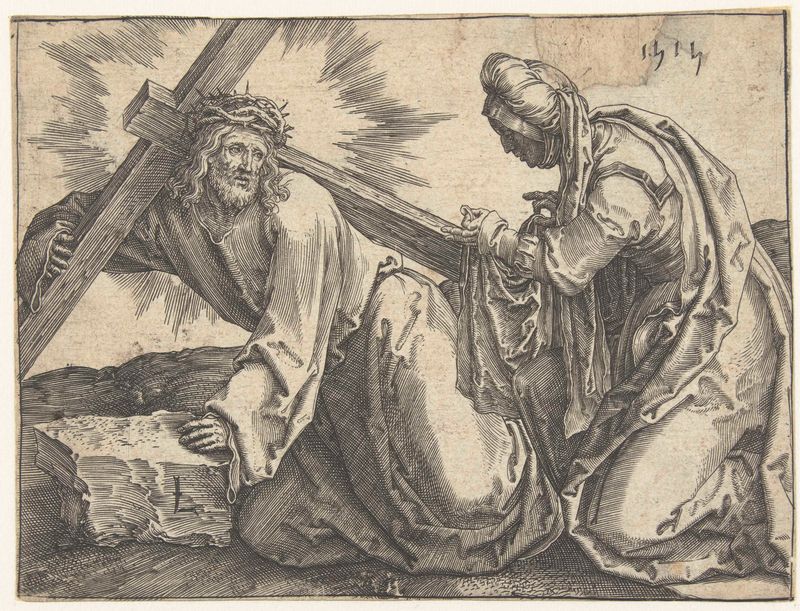
Kruisdraging
Lucas van Leyden
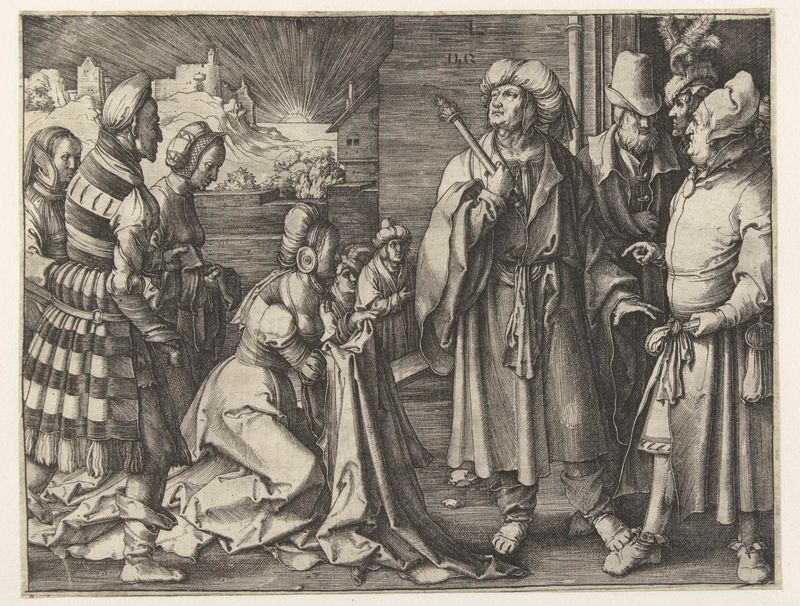
De vrouw van Potifar beschuldigt Jozef
Lucas van Leyden
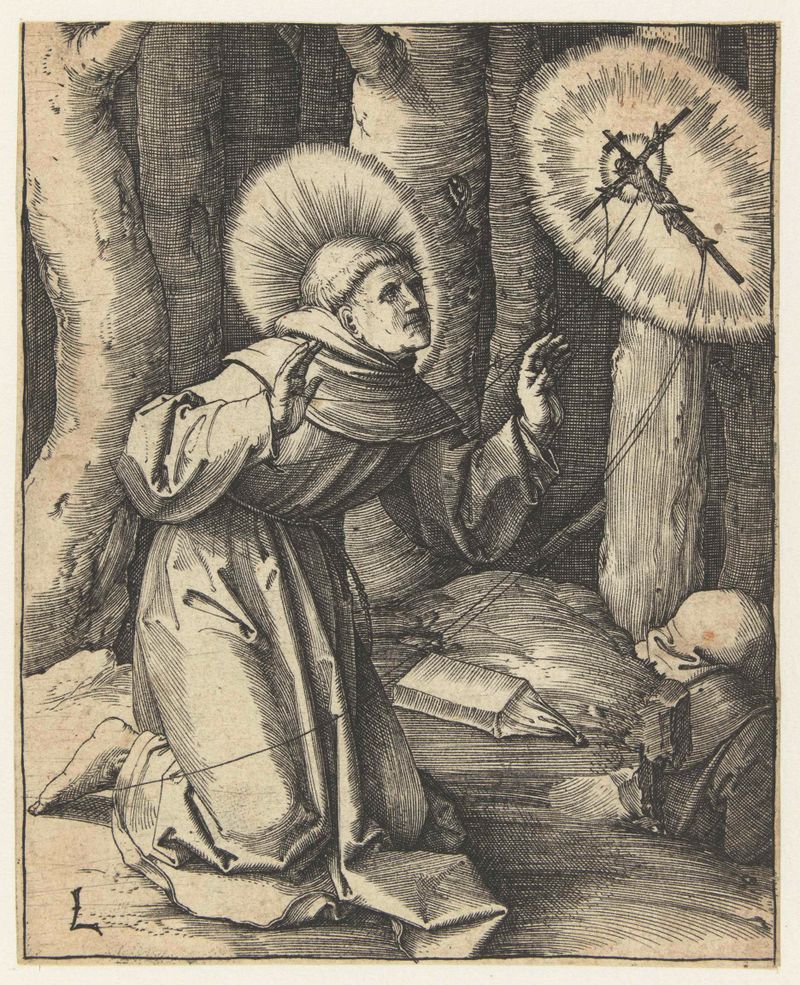
De stigmatisatie van de heilige Franciscus
Lucas van Leyden
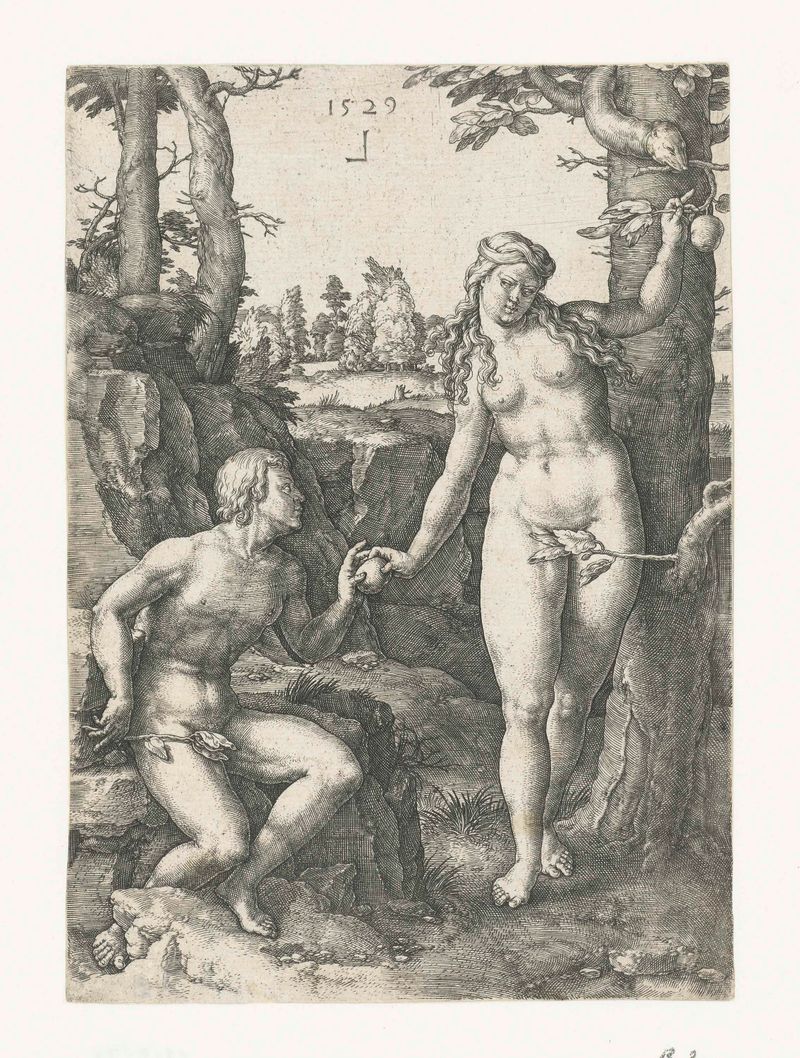
De zondeval
Lucas van Leyden
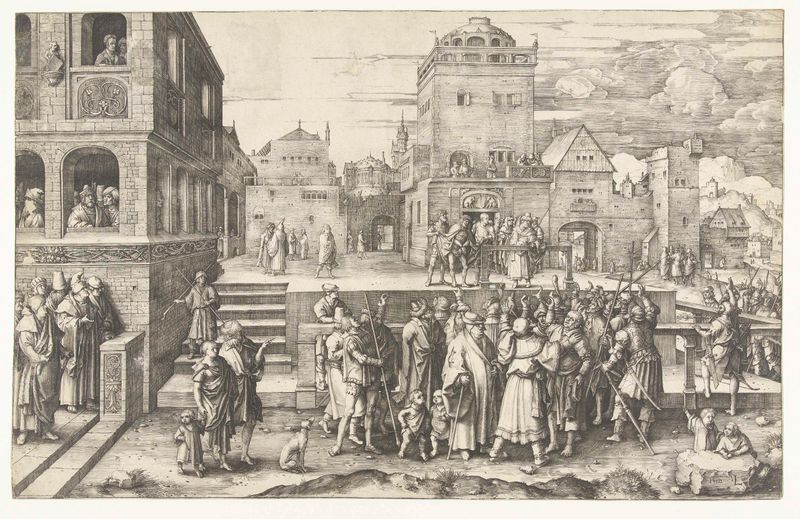
De grote Ecce Homo
Lucas van Leyden
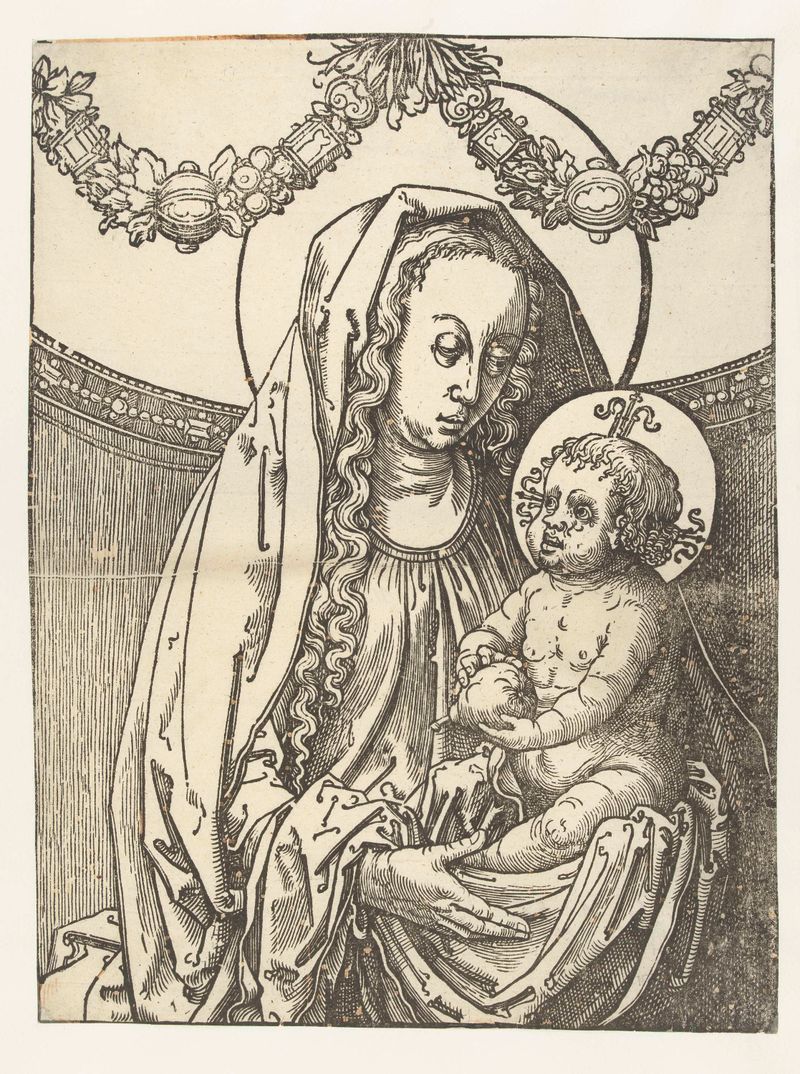
Maria met kind
Lucas van Leyden

Doornenkroning
Lucas van Leyden
More Historical Art
Browse all →
The Night Watch Militia Company of District II under the Command of Captain Frans Banninck Cocq
Rembrandt van Rijn
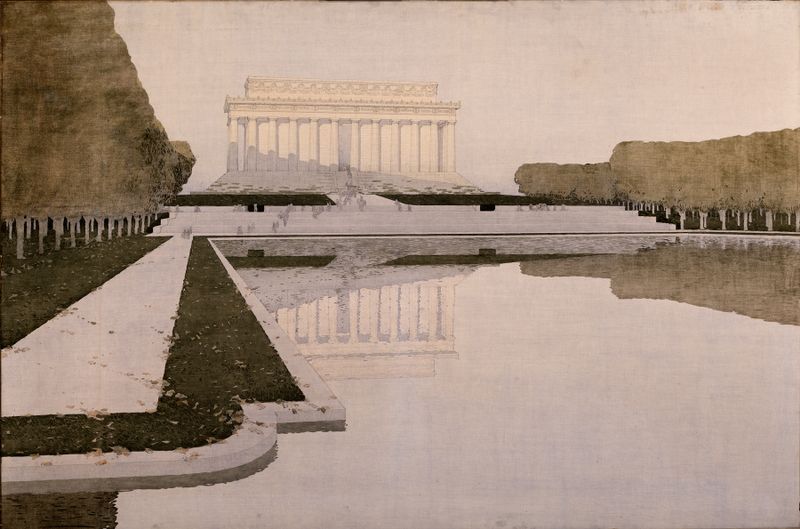
Lincoln Memorial
Henry Bacon
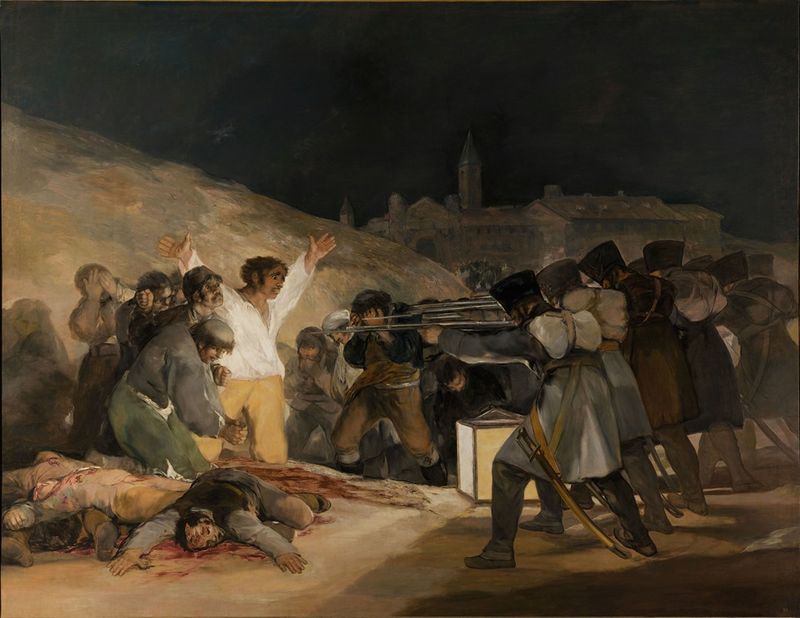
The Third of May 1808
Francisco de Goya

Isaac and Rebecca, Known as ‘The Jewish Bride’
Rembrandt van Rijn
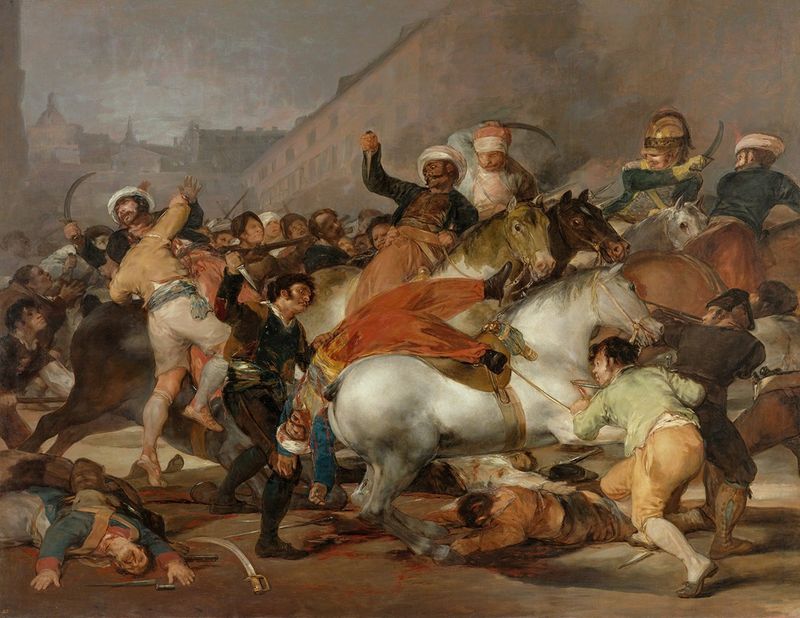
The Charge of the Mamelukes (1814)
Francisco de Goya

De vier ruiters van de apocalyps
Albrecht Dürer