
De aanbidding van de Wijzen (Mattheüs 2: 11-12) — History & Facts
A single shaft of light draws your gaze to the quiet center of this scene: the Virgin, serene and composed, cradling the Christ Child as richly dressed figures bow in reverence. The painter, Abraham Janssens, orchestrates a drama of gesture and gaze—each Magus leans forward, gifts outstretched, their elaborate costumes and feathered turbans catching the light in sharp contrast to the shadowed figures behind. The foreground is crowded but not chaotic; every hand, every glance, leads the viewer back to the infant at the heart of the composition.
The palette is deep and theatrical, with jewel-toned robes and golden vessels gleaming against the darkness, heightening the sense of preciousness and awe. Painted in 1605, this Adoration of the Magi belongs to a moment when Flemish artists like Janssens were shaping the visual language of the Counter-Reformation—grand, persuasive, and filled with human presence. Such works were often commissioned for churches or wealthy patrons, intended to inspire devotion through spectacle and splendor. The Staatliche Kunsthalle Karlsruhe now houses this painting, a reminder of how the biblical story was reimagined for a new age of faith and power.
History has kept few traces of this particular canvas’s early journey, but its theatrical composition and luminous color invite you to linger, tracing the path of light from king to child.
More Artworks by Abraham Janssens

Jupiter Rebuked by Venus
Abraham Janssens
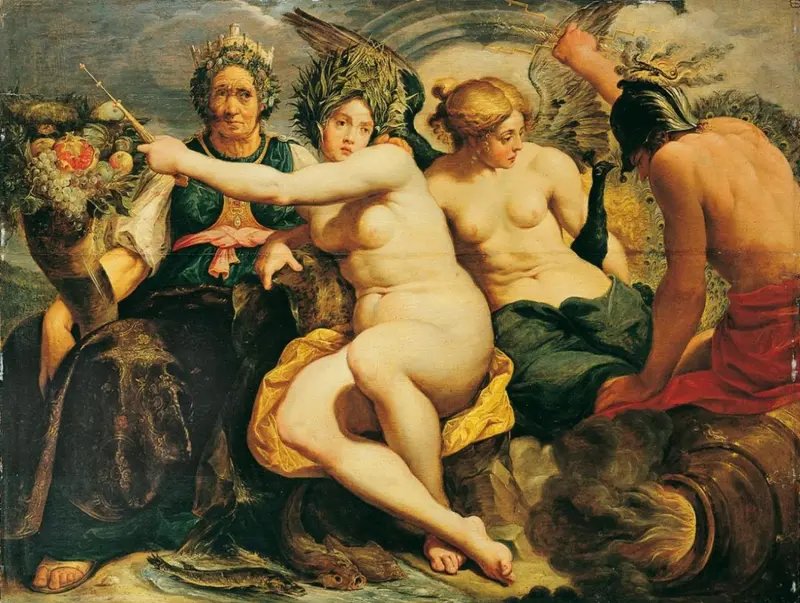
Allegorie der vier Elemente
Abraham Janssens
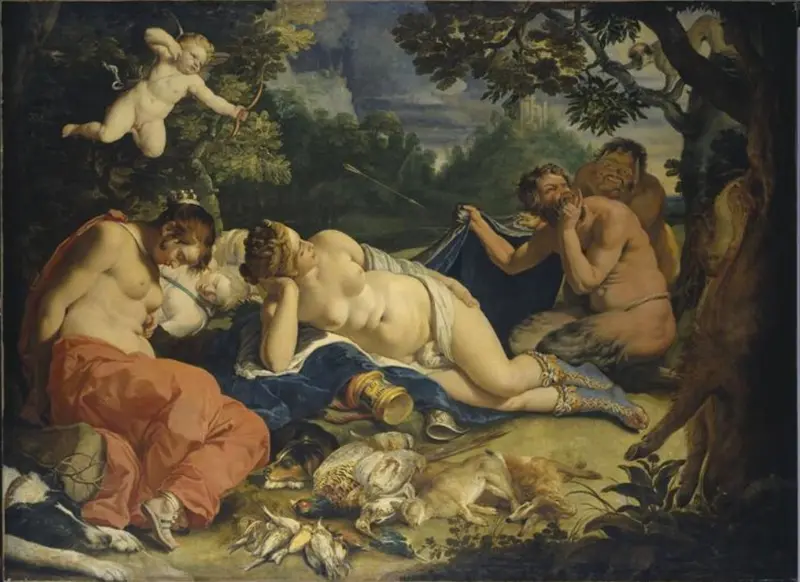
Diana and her nymphs spied on by satyrs
Abraham Janssens

Die Erweckung des Lazarus 153 Bavarian State Painting Collections
Abraham Janssens
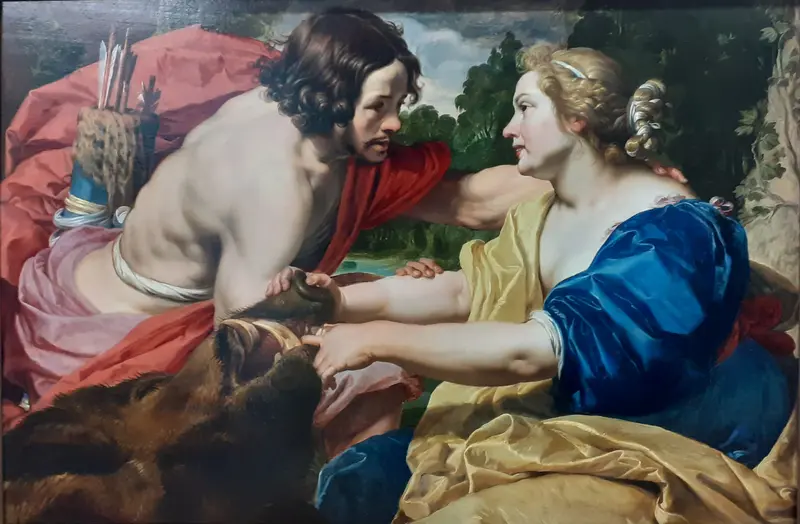
Meleager presents the head of the Calydonian Boar to Atalanta
Abraham Janssens
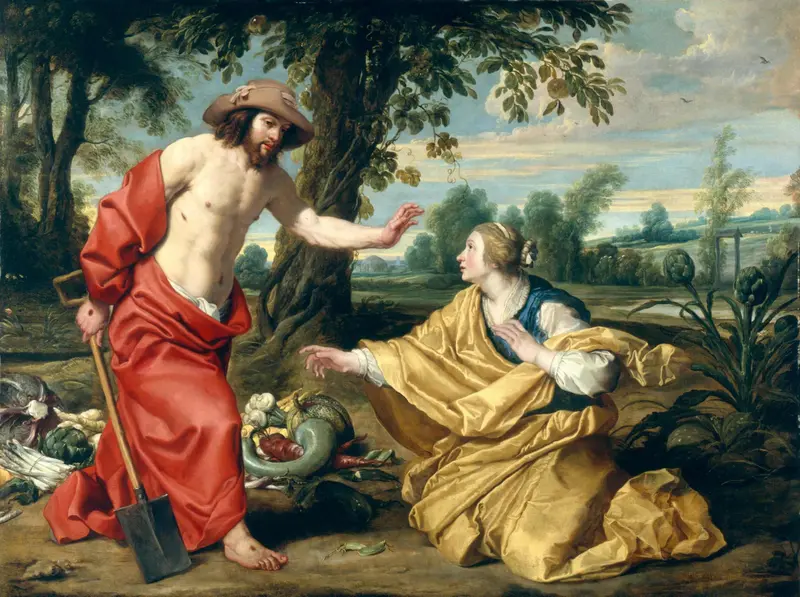
Noli me Tangere
Abraham Janssens
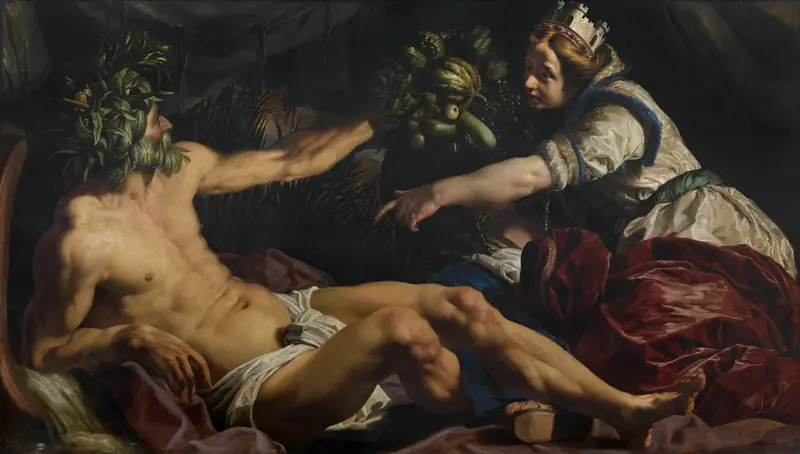
Scaldis and Antverpia
Abraham Janssens
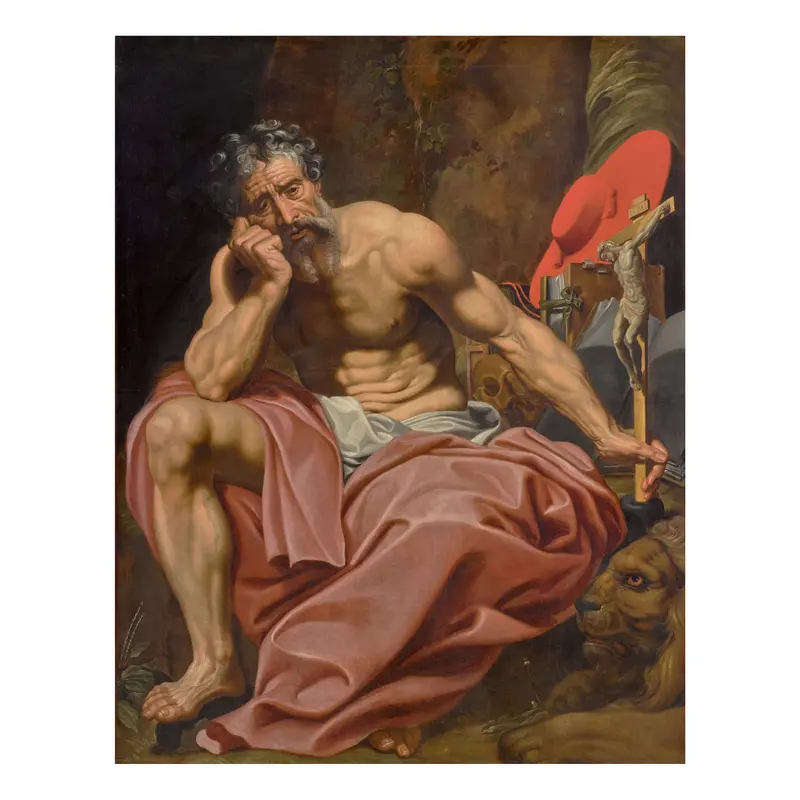
Saint Jerome
Abraham Janssens
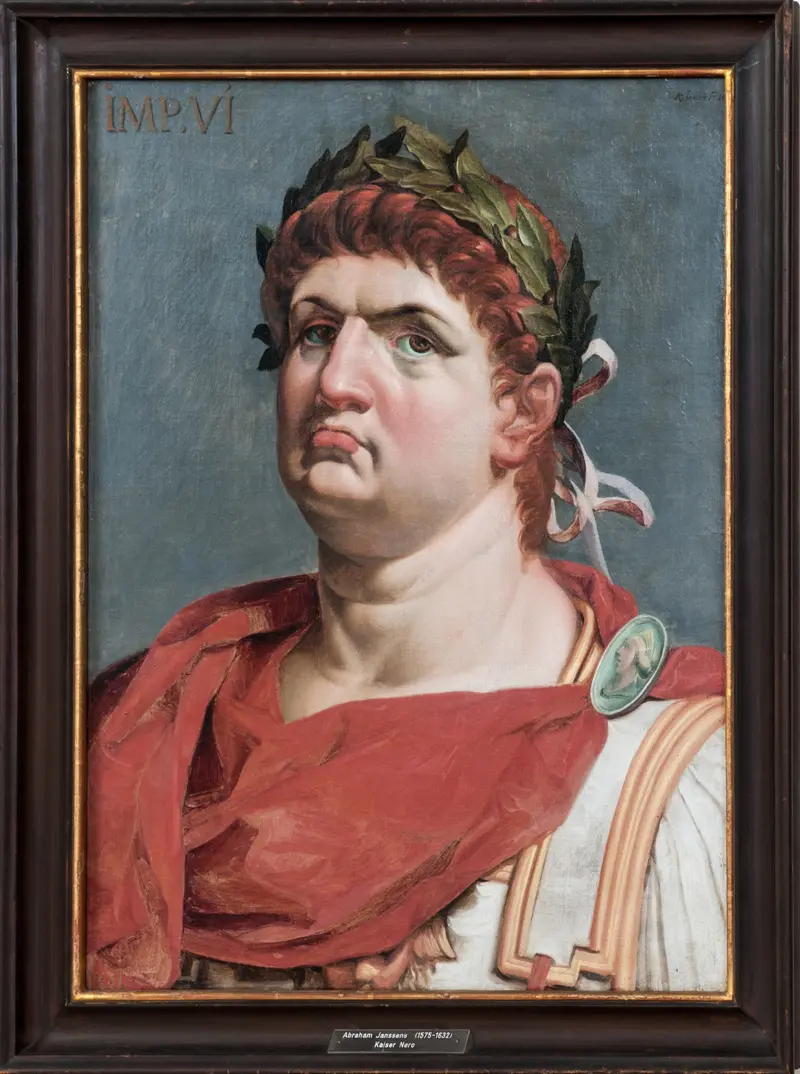
Nero
Abraham Janssens
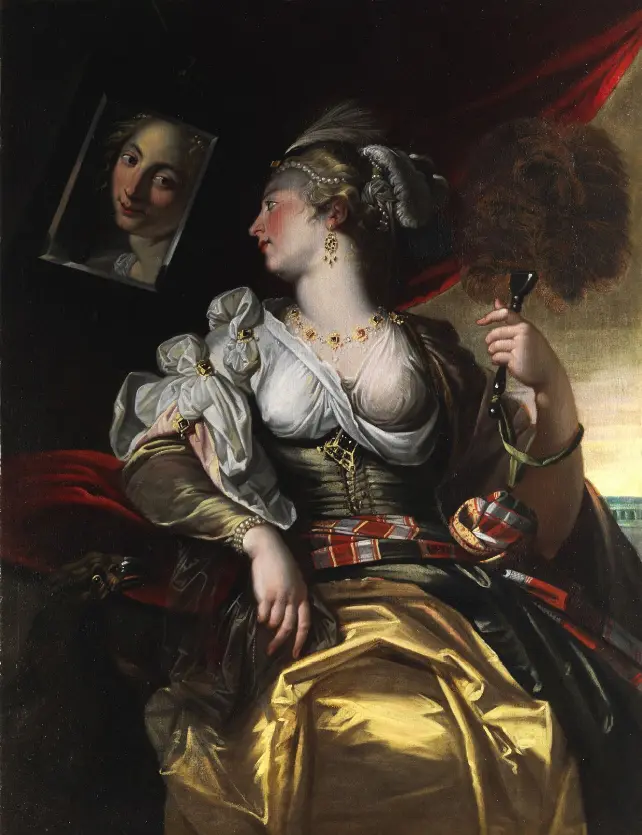
The Face
Abraham Janssens





