
De bedelaars — History & Facts
Is this a mirror — or a memory? The image of desperation draws us into the raw emotion of human suffering, where the line between reality and the chaos of one’s mind blurs. Look to the left at the crumpled figures, their ragged clothing like shadows clinging to their skin. Each gesture speaks of despair; hands outstretched, faces etched with lines of hardship, their gazes piercing through the canvas. Notice how the light falls upon them, illuminating the textures of their skin and the dirt on their garments, while darker tones encircle their forms, enveloping them in an atmosphere of hopelessness.
The composition is strikingly asymmetrical, emphasizing the disarray of their lives and the society that overlooks their plight. Upon closer inspection, the contrasting expressions reveal a deeper narrative; the man’s hollow eyes reflect a haunting madness, while the woman beside him clutches a child, her fierce determination juxtaposed with palpable fear. This interplay of strength and frailty captures the essence of survival amidst despair. The stark background serves as an unyielding reminder of their isolation, as if the world has turned its back on them, further amplifying the emotional weight of the scene. During the years between 1507 and 1511, Lucas van Leyden created De bedelaars amidst the early Renaissance's burgeoning focus on humanism and realism.
Living in Leiden, he was influenced by the socio-political landscape of his time, with an emerging interest in the plight of the poor. The harsh realities of life in 16th-century Europe informed his artistic choices, allowing him to convey profound empathy through the struggles of marginalized individuals in society.
More Artworks by Lucas van Leyden
Browse all →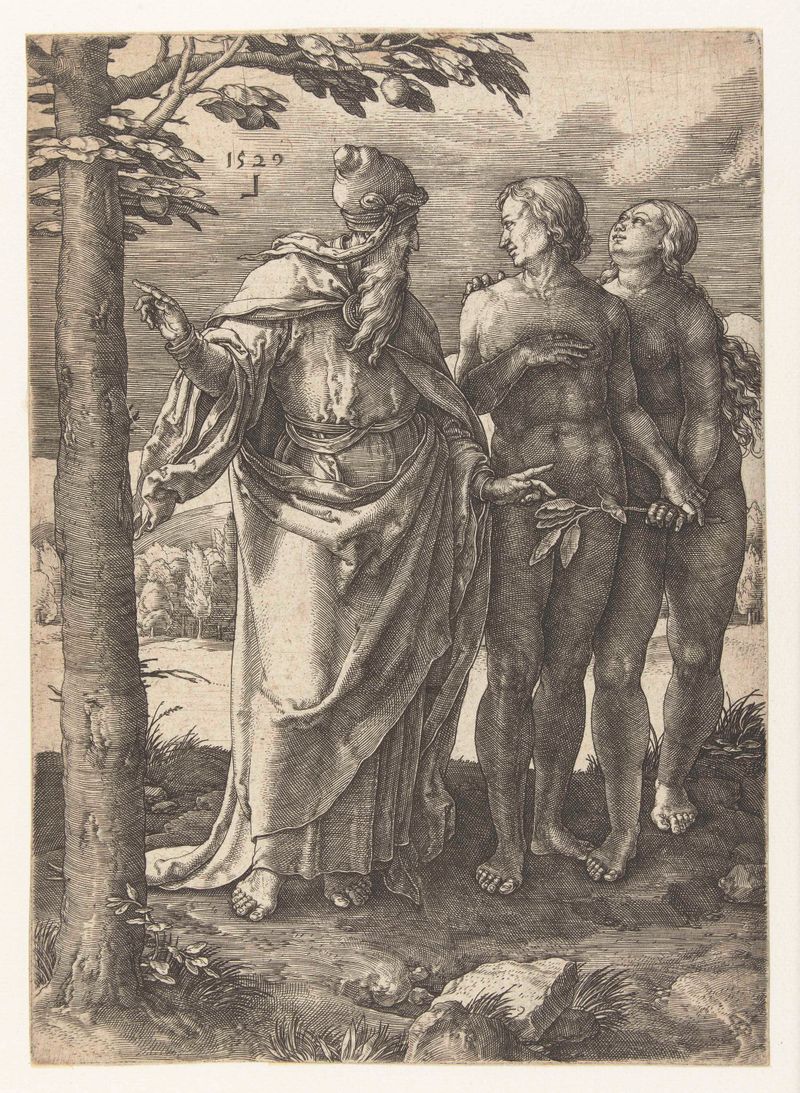
Het eerste verbod
Lucas van Leyden
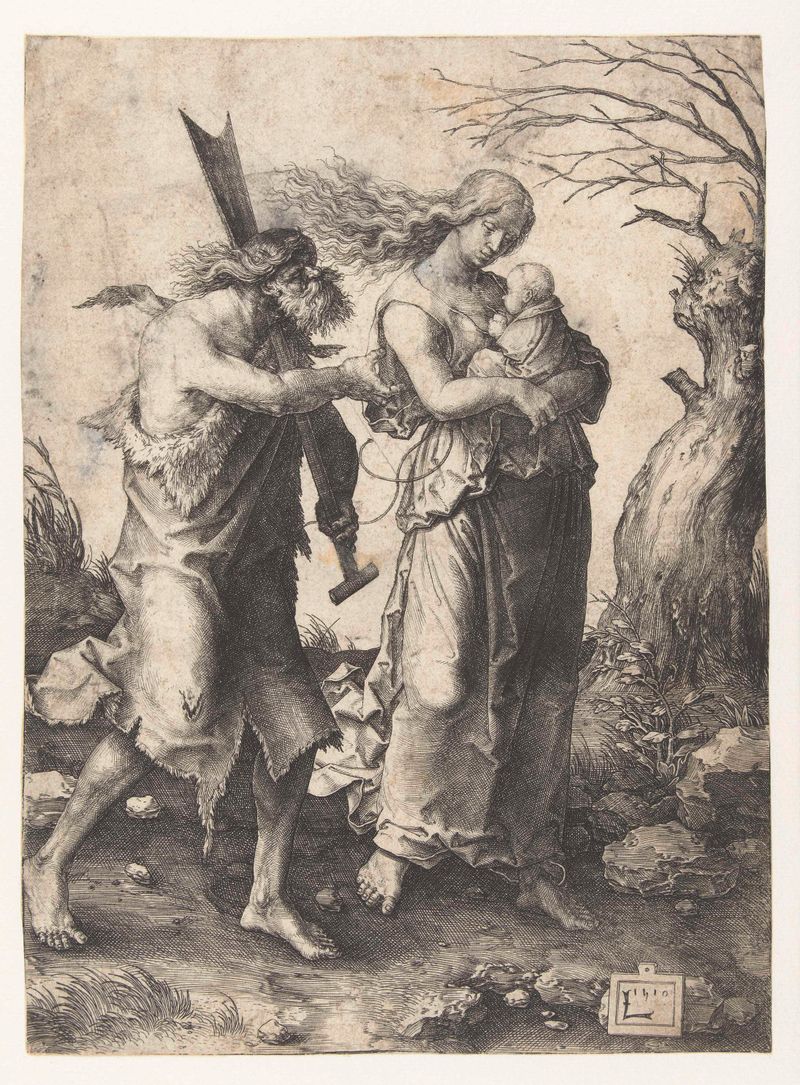
Adam en Eva na de verdrijving uit het paradijs
Lucas van Leyden
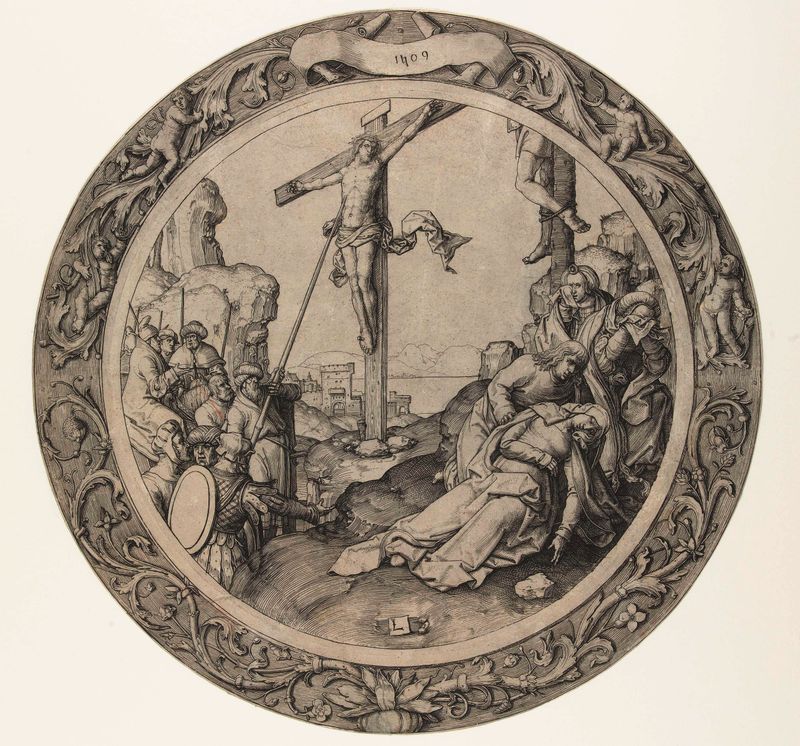
De kruisiging
Lucas van Leyden
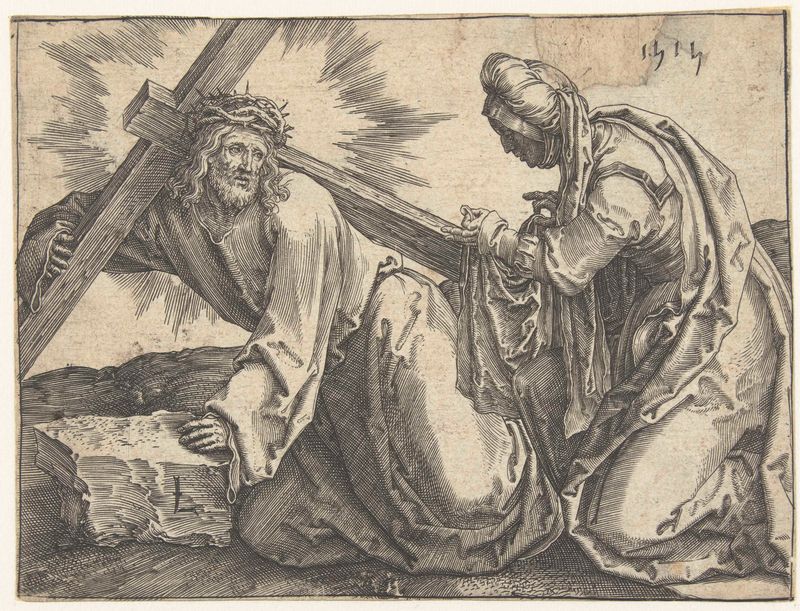
Kruisdraging
Lucas van Leyden
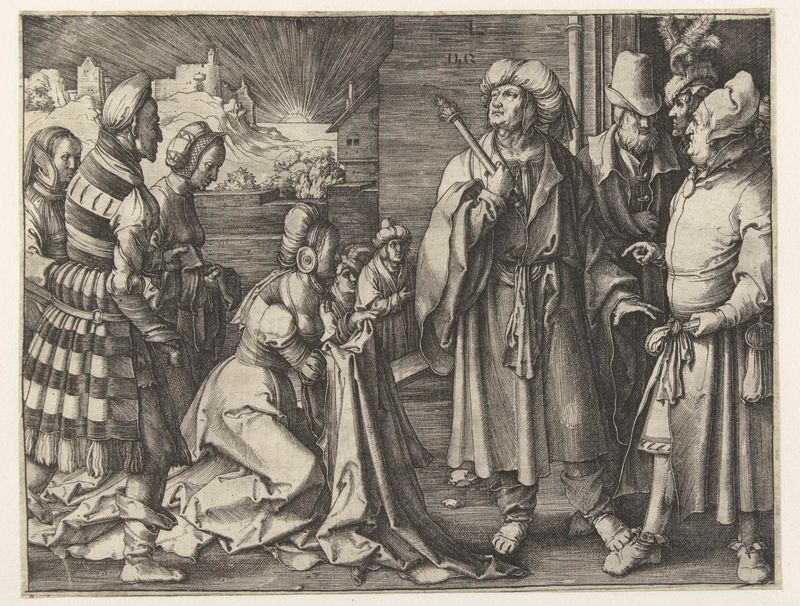
De vrouw van Potifar beschuldigt Jozef
Lucas van Leyden
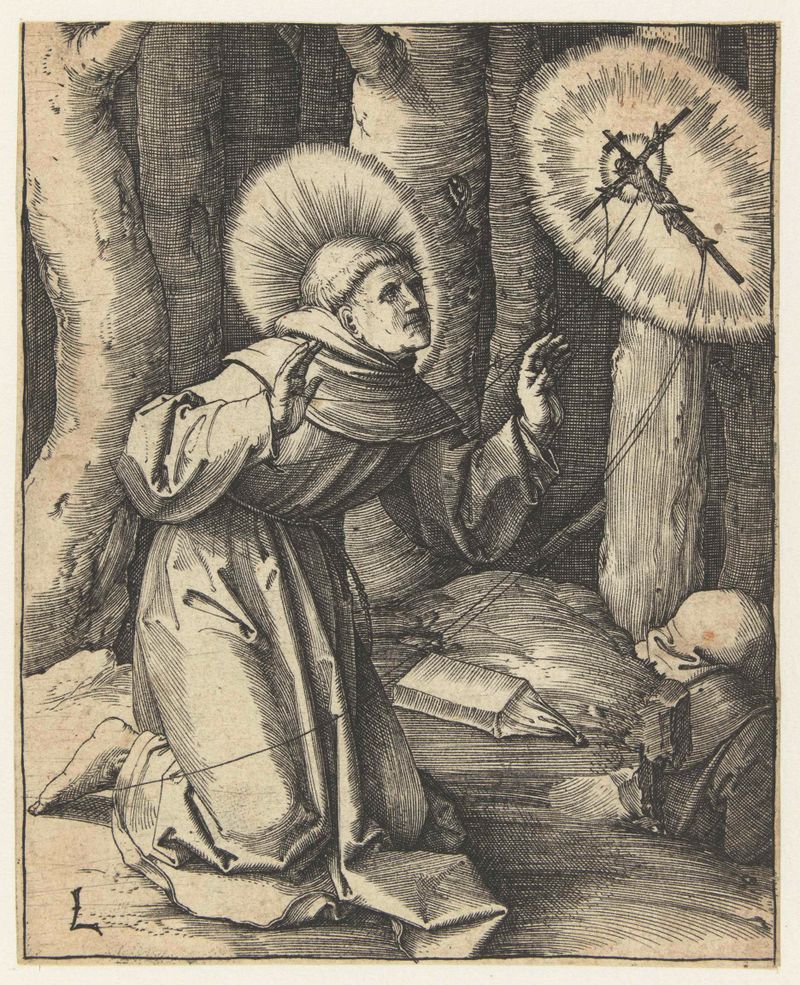
De stigmatisatie van de heilige Franciscus
Lucas van Leyden
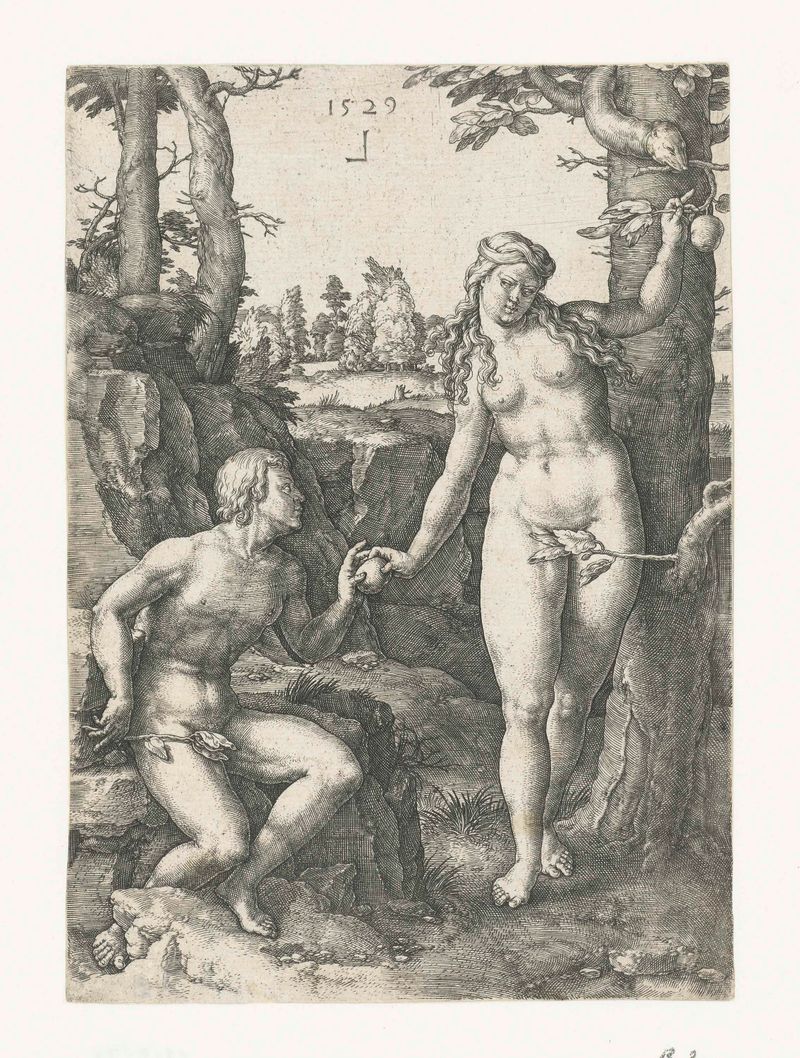
De zondeval
Lucas van Leyden
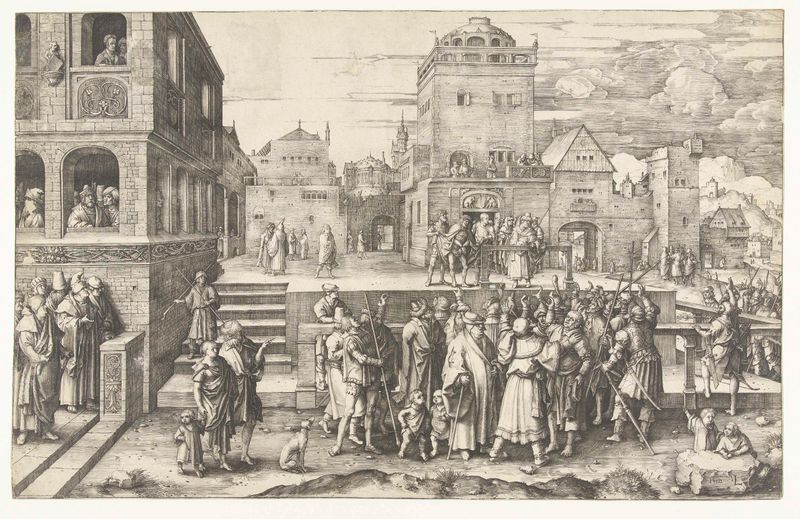
De grote Ecce Homo
Lucas van Leyden
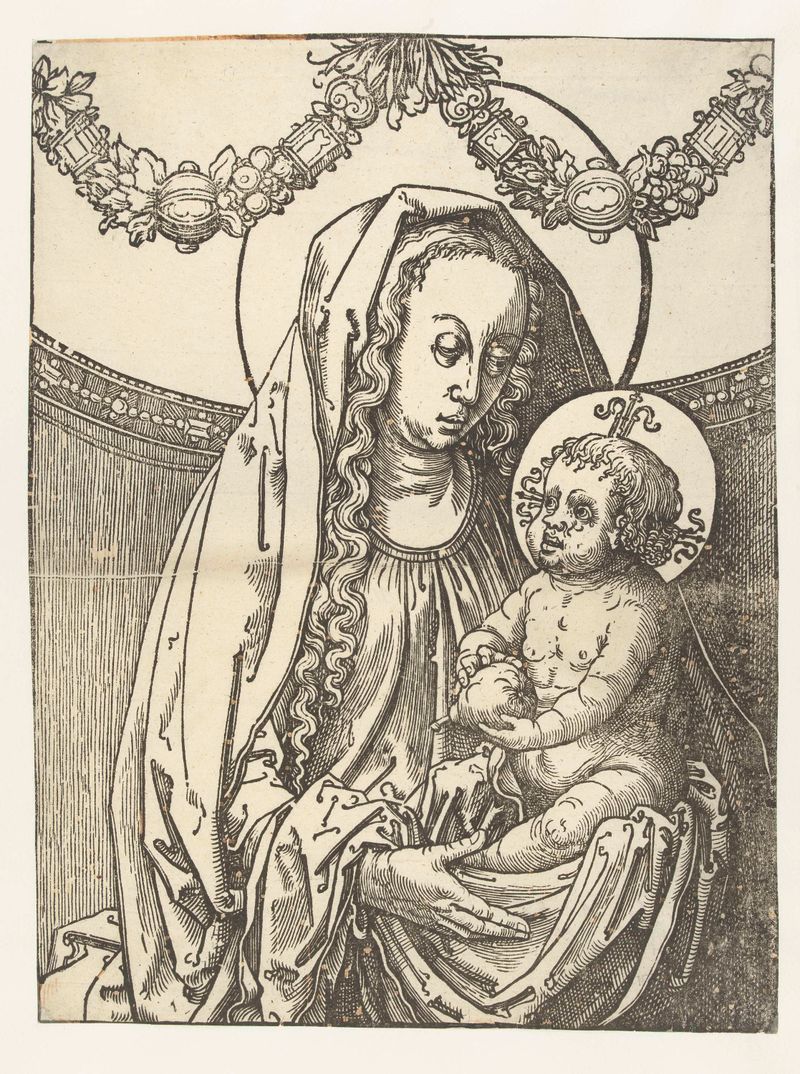
Maria met kind
Lucas van Leyden

Doornenkroning
Lucas van Leyden





