
De bedelaars — History & Facts
Where does light end, and longing begin? In the interplay of shadow and illumination lies a profound emptiness, a silence that speaks of despair and hope intertwined. Focus on the two beggars at the forefront, their weathered faces etched with tales of hardship. Notice how the soft light cascades across their forms, casting delicate shadows that highlight the texture of their ragged garments. The muted color palette—earthy browns and faded greens—reinforces the scene's somber tone, while the stark contrast between their plight and the more luminous background invites a deeper contemplation of their existence. Hidden within the folds of their clothing are whispers of past lives; one beggar clutches a tin cup, a fragile vessel for dreams unfulfilled.
Examine the subtle gestures—the outstretched hand, the downcast eyes—that convey a profound yearning for connection, while the slight distance between them hints at isolation amidst shared suffering. This tension between the warmth of light and the chill of despair captures the essence of human vulnerability, revealing how emptiness can simultaneously bind and separate. During the years 1507 to 1511, Lucas van Leyden was deeply engaged in the transition between Gothic and Renaissance styles in the Netherlands. Living amidst a society grappling with economic challenges and religious reform, his work reflects both the artist's innovative spirit and the wider cultural shifts of his time.
De bedelaars serves as a poignant reminder of the human condition, illustrating how personal narratives of struggle are woven into the fabric of collective experience.
More Artworks by Lucas van Leyden
Browse all →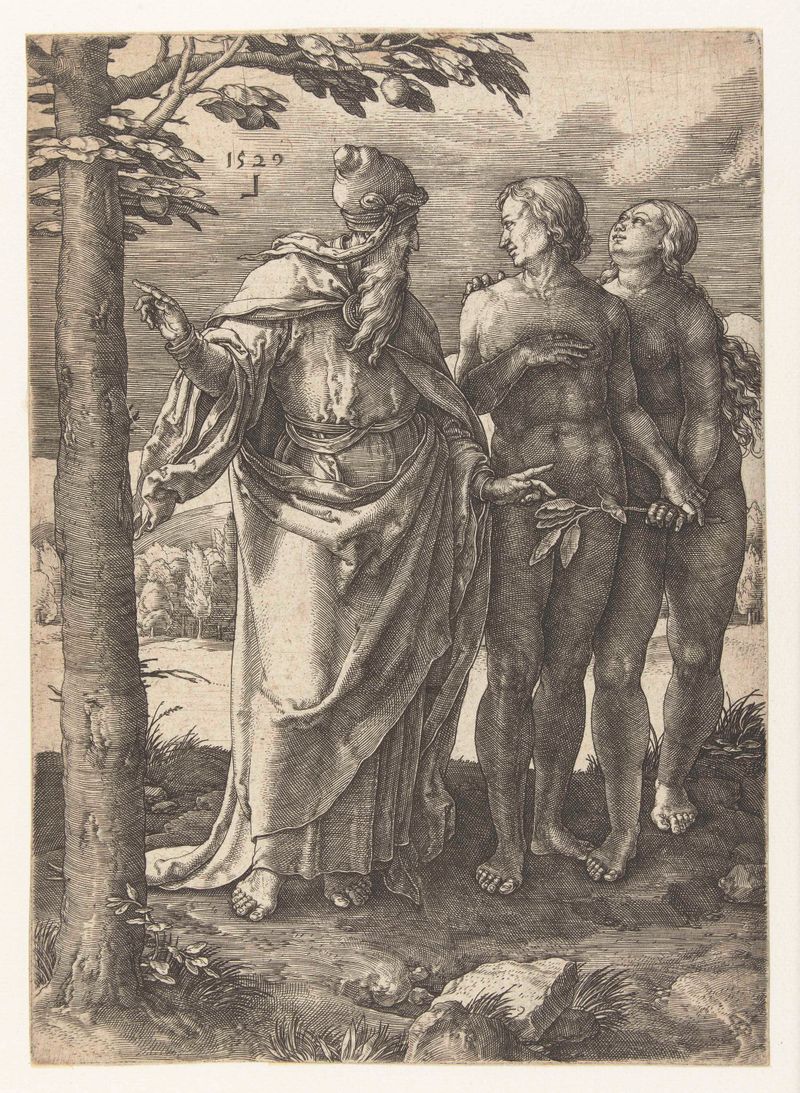
Het eerste verbod
Lucas van Leyden
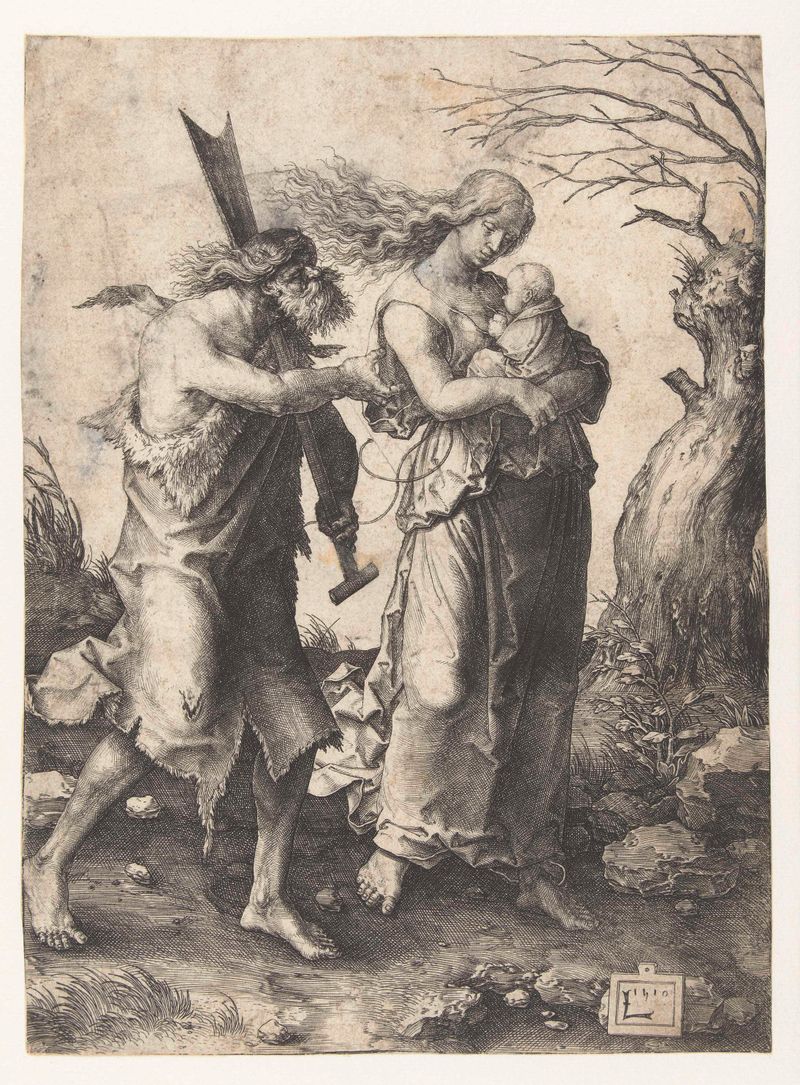
Adam en Eva na de verdrijving uit het paradijs
Lucas van Leyden
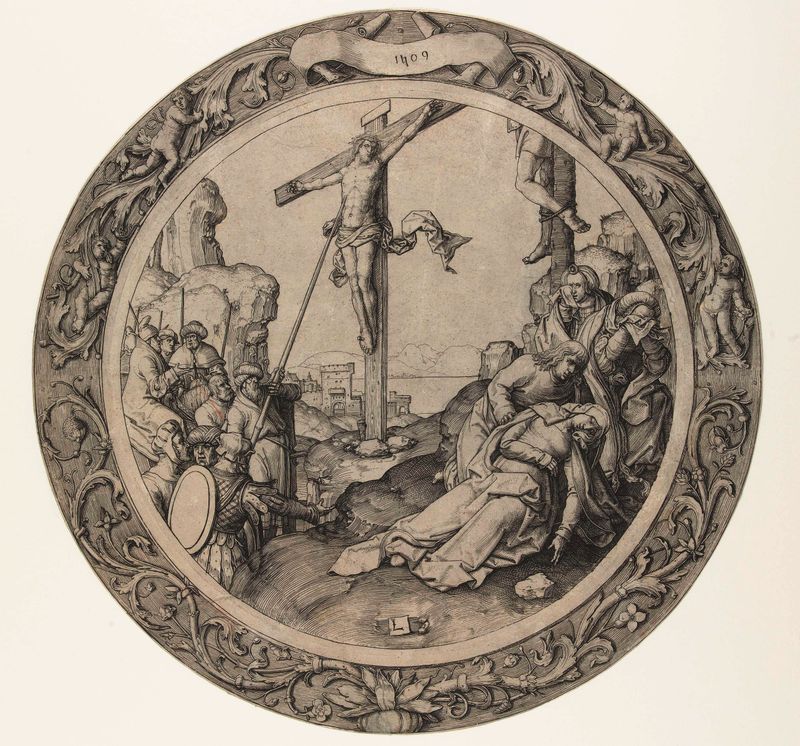
De kruisiging
Lucas van Leyden
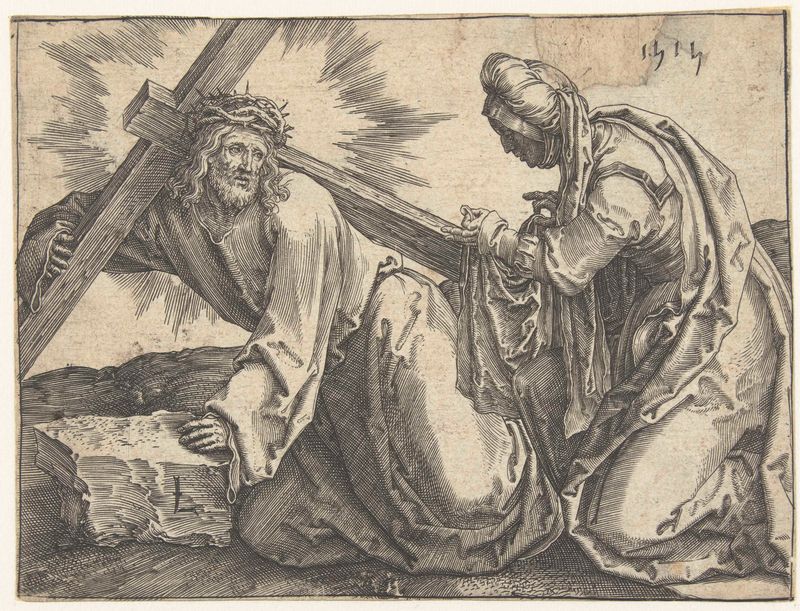
Kruisdraging
Lucas van Leyden
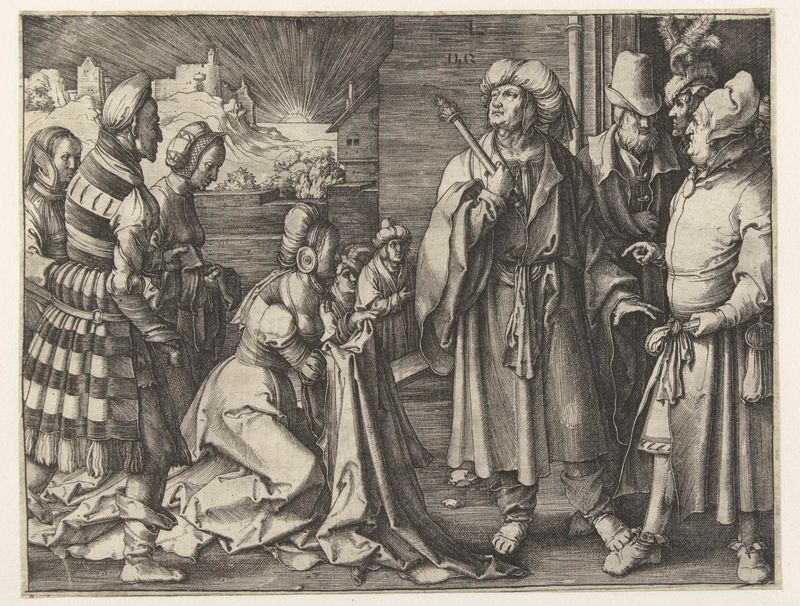
De vrouw van Potifar beschuldigt Jozef
Lucas van Leyden
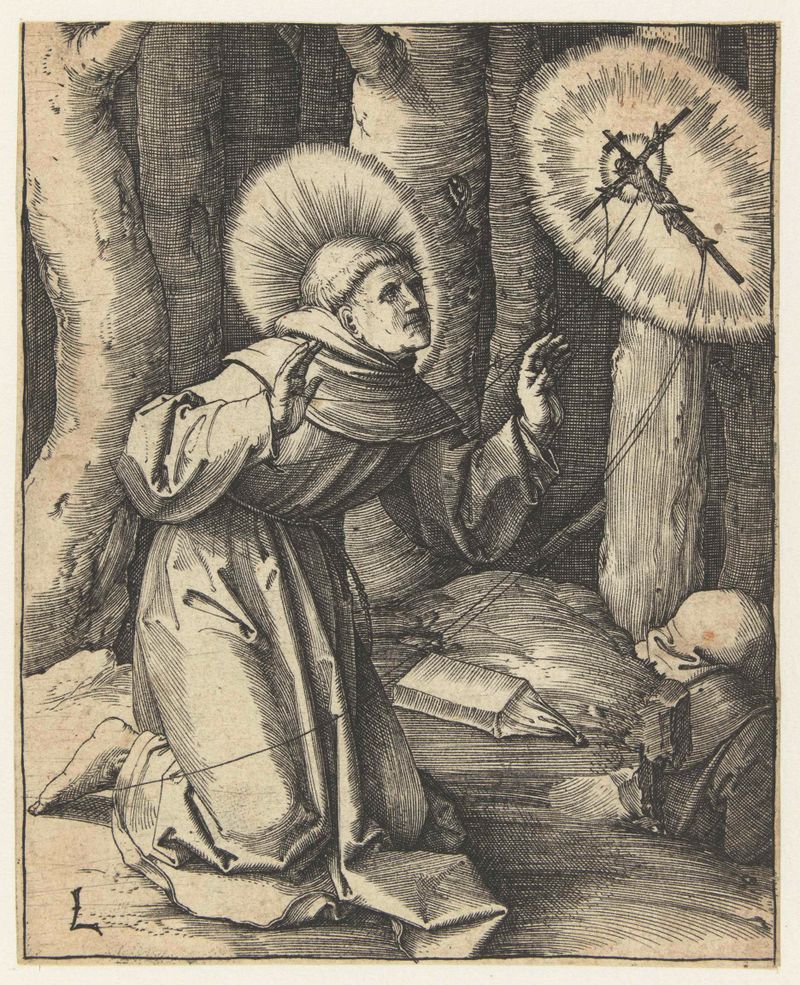
De stigmatisatie van de heilige Franciscus
Lucas van Leyden
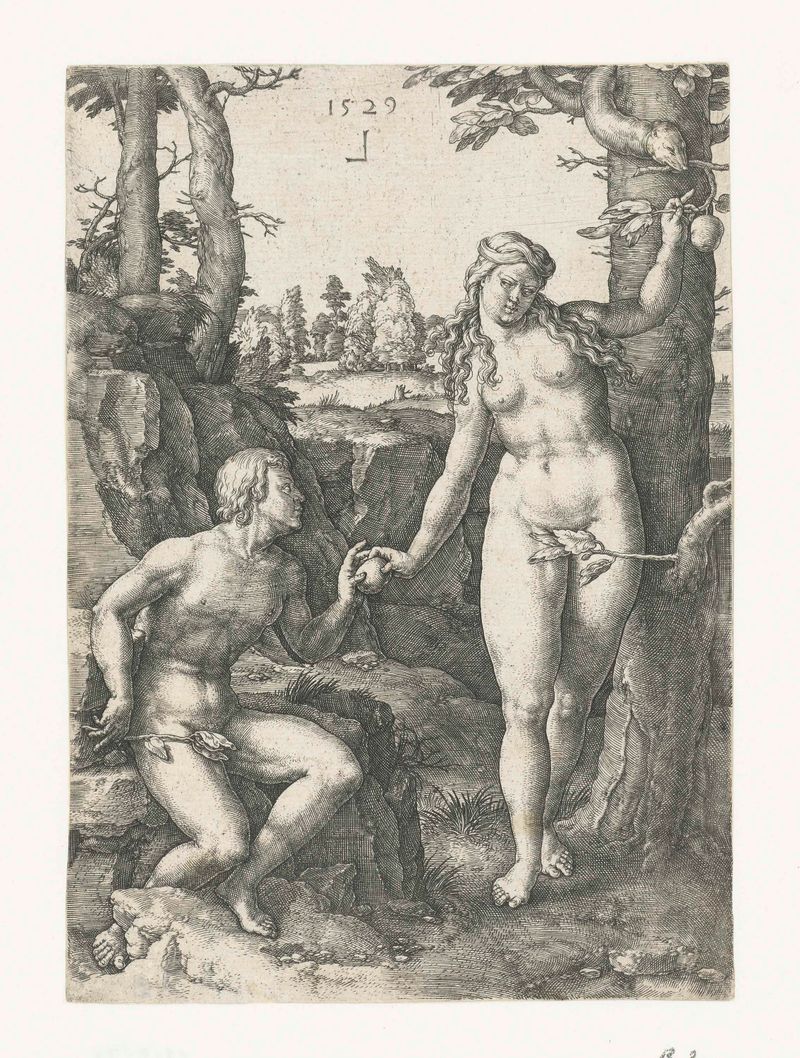
De zondeval
Lucas van Leyden
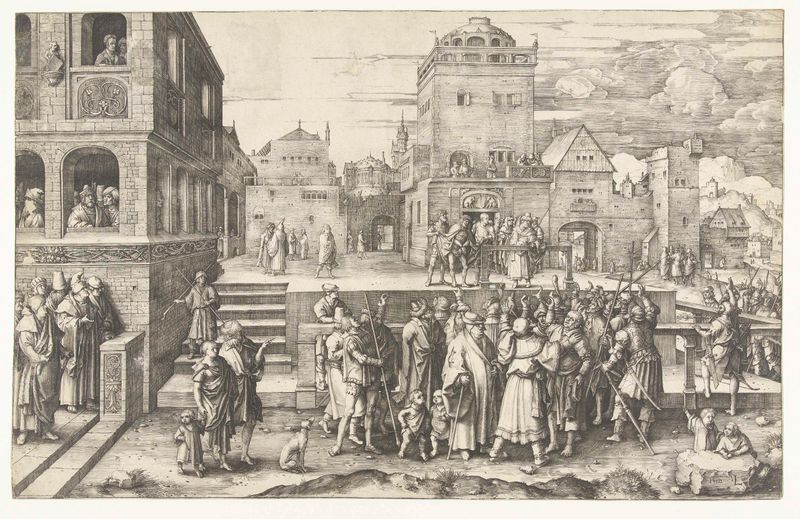
De grote Ecce Homo
Lucas van Leyden
Maria met kind
Lucas van Leyden

Doornenkroning
Lucas van Leyden





