
De helden Hector van Troje, Alexander de Grote en Julius Caesar — History & Facts
In a world where violence shapes destinies, the echoes of heroes linger, reminding us of the weight of ambition and sacrifice. Look to the center of the canvas, where the imposing figures of Hector, Alexander, and Caesar stand resolute, each rendered with exquisite detail. The artist employs a rich palette of deep reds and muted earth tones, enhancing the tension of the scene. Notice how the light illuminates the heroes’ faces, casting shadows that hint at their inner turmoil, while intricate patterns in their armor draw the eye and evoke a sense of grandeur cut with fragility. Beneath the surface of valor lies a complex interplay of pride and despair.
Hector, the tragic hero, embodies the ultimate sacrifice for his city, while Alexander’s fierce gaze reveals the insatiable hunger for power. Caesar, poised in the shadows, represents the duality of leadership—adored yet reviled. Together, their presence speaks to the violent ambitions that have shaped history, a reminder of the cost of greatness that reverberates through time. During the years 1518 to 1522, Lucas van Leyden was deeply invested in the cultural shifts of the Northern Renaissance.
At this time, he was merging traditional themes with emerging humanist ideals, reflecting the evolving narratives of heroism in a rapidly changing Europe. This period marked a significant moment in art, as artists began to explore the complexities of human emotion and the darker sides of ambition, setting the stage for future masters.
More Artworks by Lucas van Leyden
Browse all →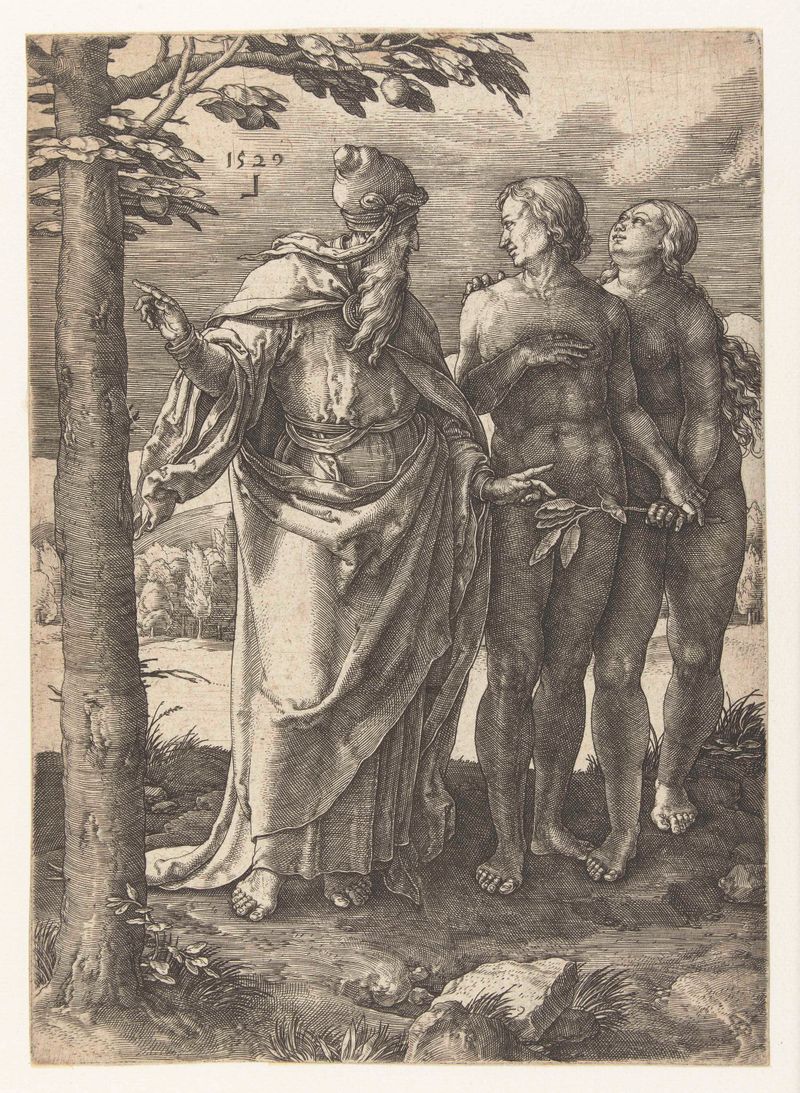
Het eerste verbod
Lucas van Leyden
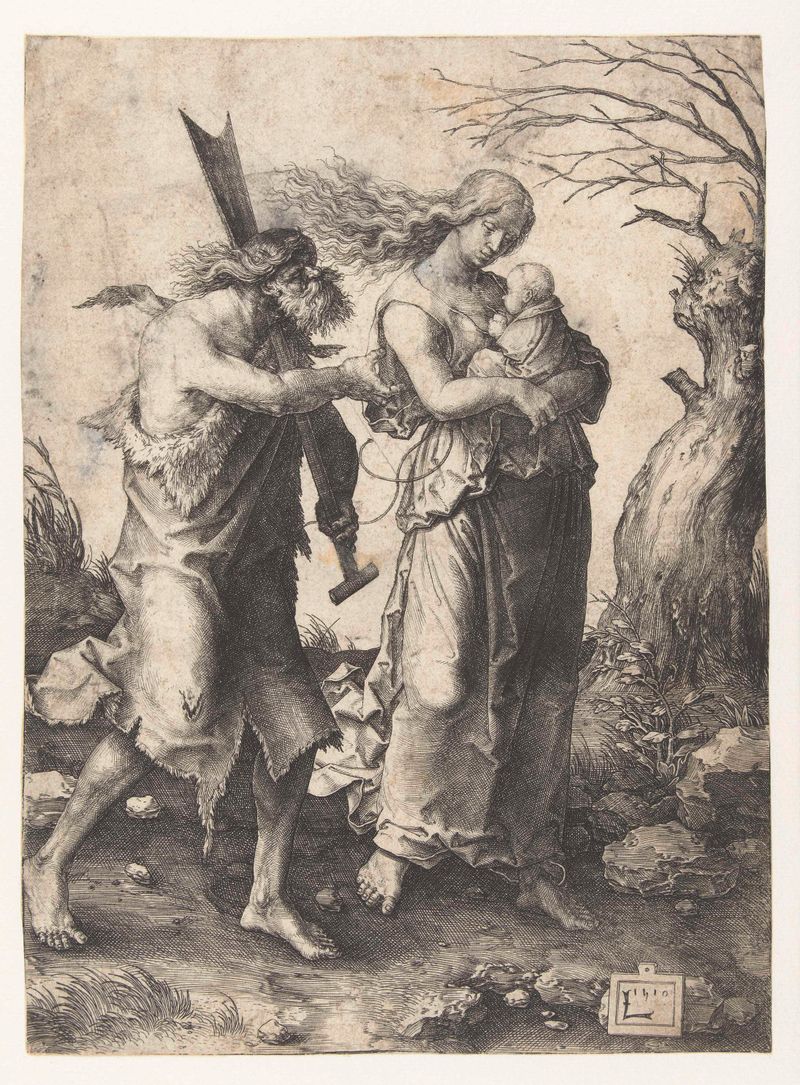
Adam en Eva na de verdrijving uit het paradijs
Lucas van Leyden
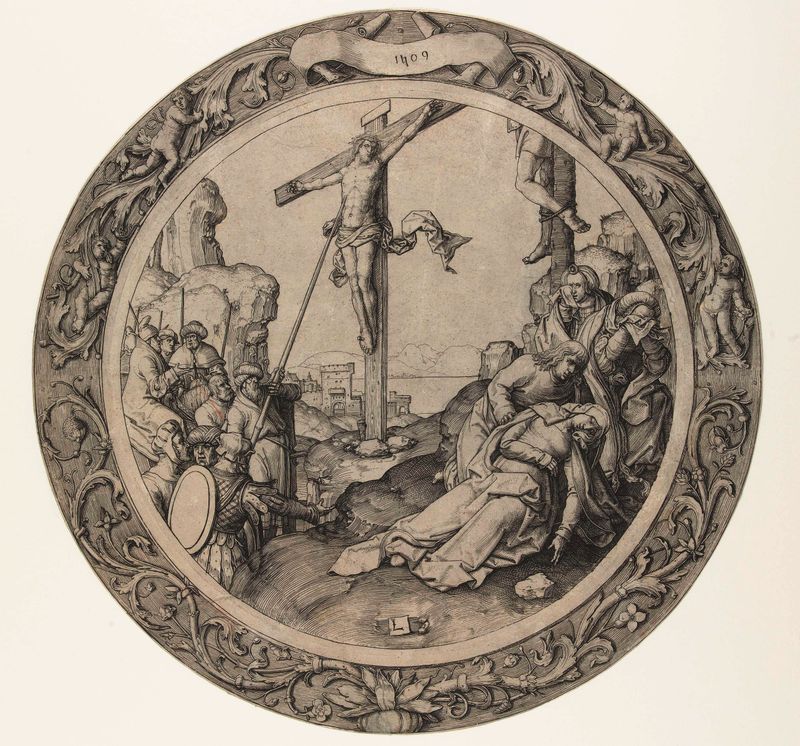
De kruisiging
Lucas van Leyden
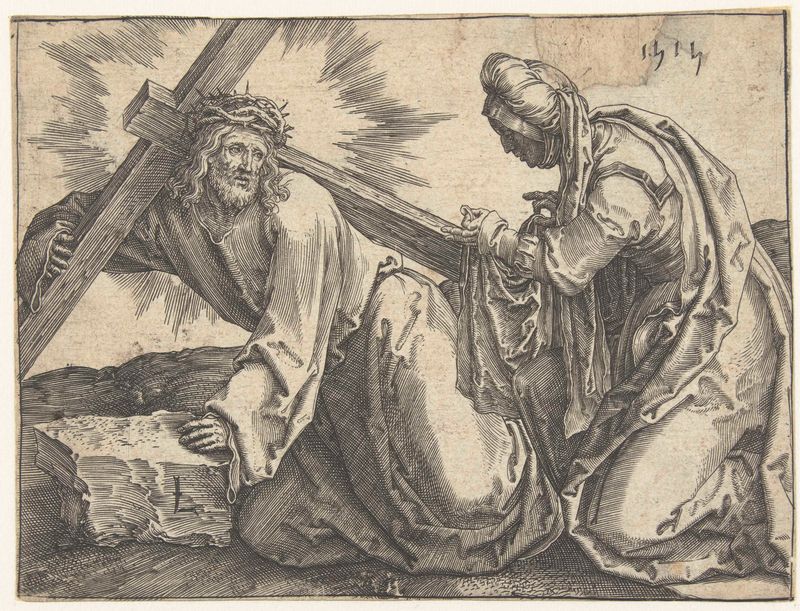
Kruisdraging
Lucas van Leyden
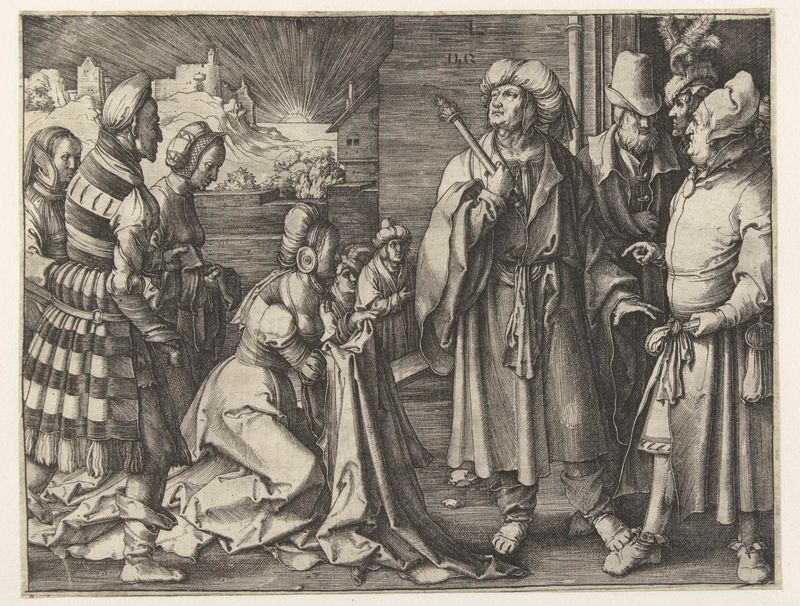
De vrouw van Potifar beschuldigt Jozef
Lucas van Leyden
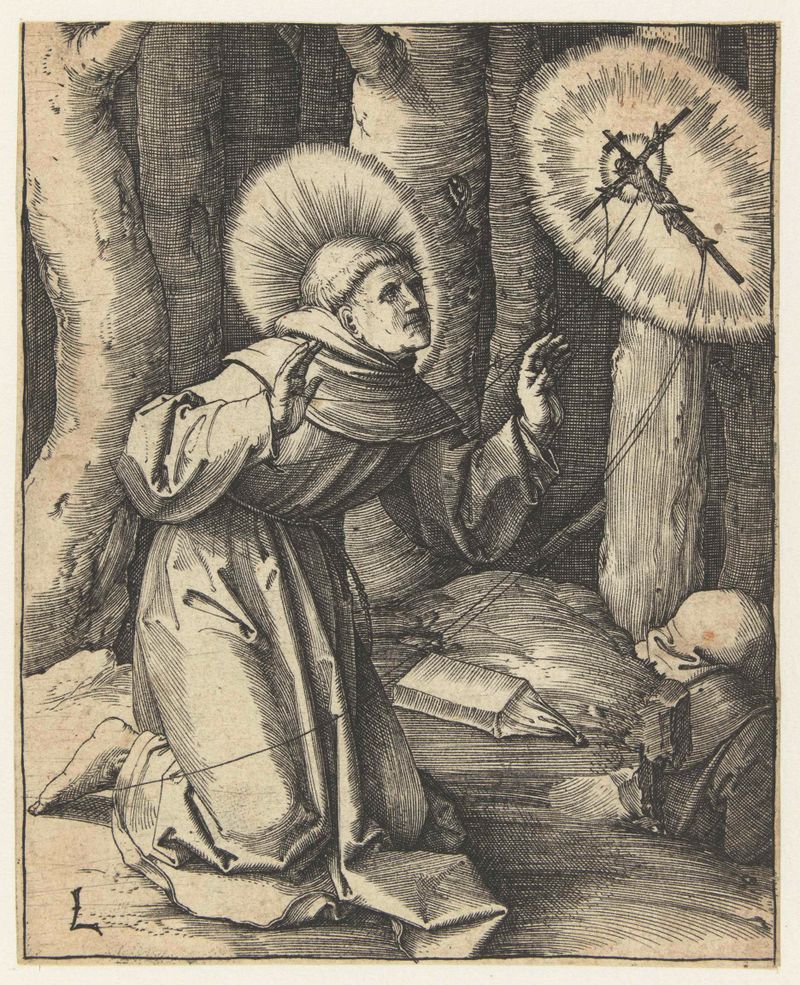
De stigmatisatie van de heilige Franciscus
Lucas van Leyden
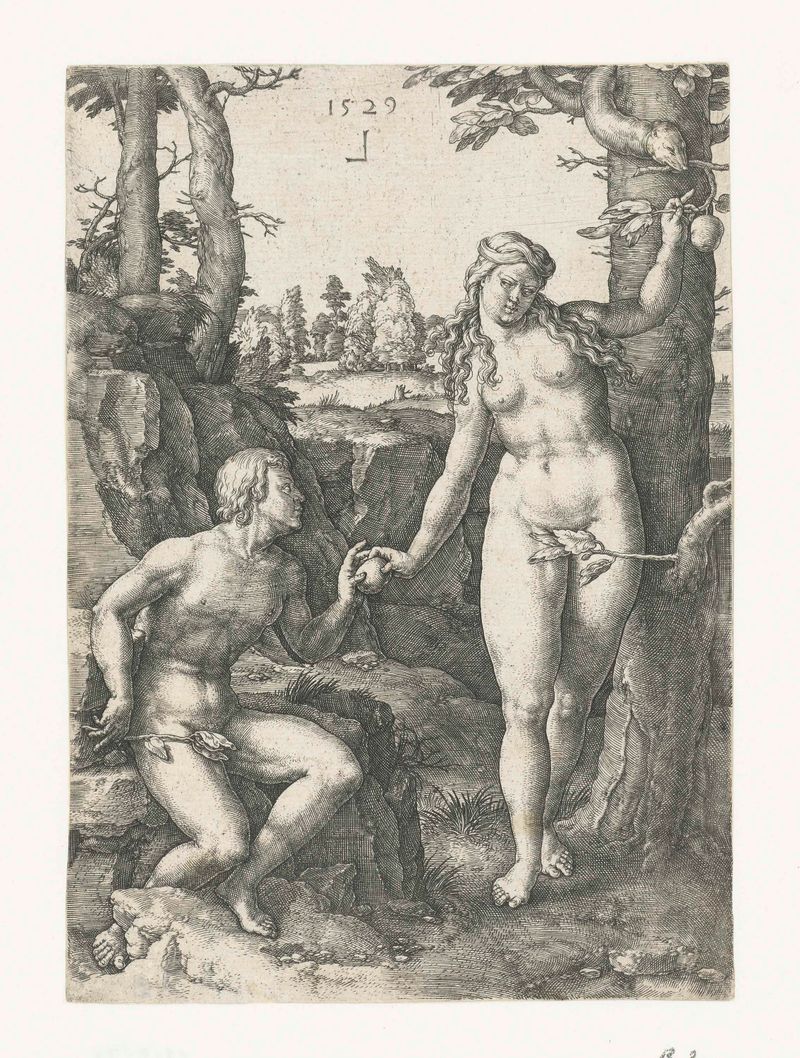
De zondeval
Lucas van Leyden
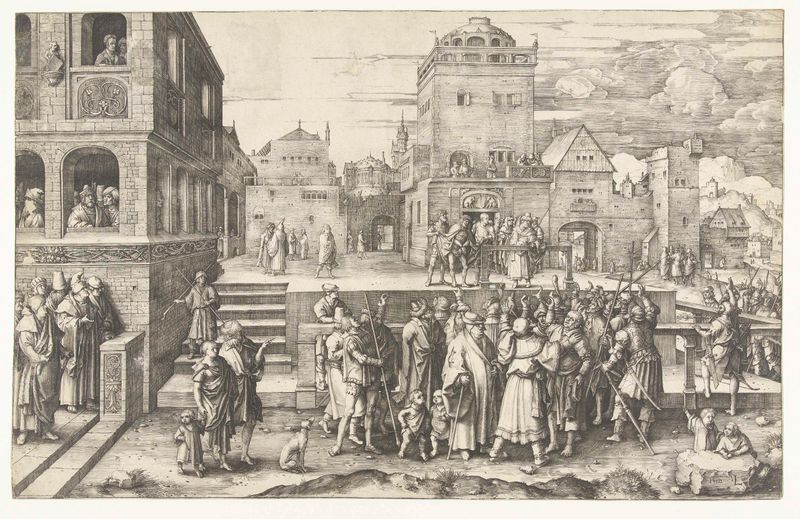
De grote Ecce Homo
Lucas van Leyden
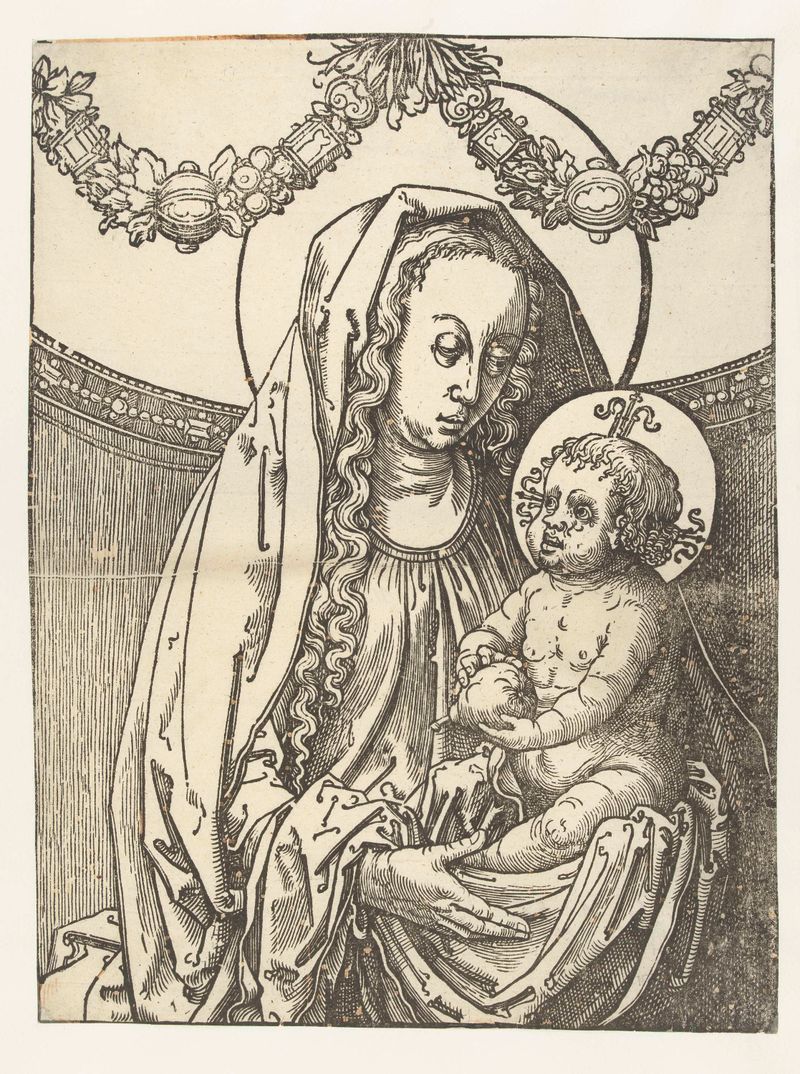
Maria met kind
Lucas van Leyden

Doornenkroning
Lucas van Leyden
More Historical Art
Browse all →
The Night Watch Militia Company of District II under the Command of Captain Frans Banninck Cocq
Rembrandt van Rijn

Lincoln Memorial
Henry Bacon

The Third of May 1808
Francisco de Goya

Isaac and Rebecca, Known as ‘The Jewish Bride’
Rembrandt van Rijn

The Charge of the Mamelukes (1814)
Francisco de Goya

De vier ruiters van de apocalyps
Albrecht Dürer