
De tandarts — History & Facts
In the delicate interplay of light and shadow, we find the essence of rebirth portrayed in the vivid strokes of this Renaissance masterpiece. Look to the center of the composition where the dentist meticulously attends to a patient, his hands steady yet revealing an underlying tension. The soft yet penetrating light illuminates their faces, casting deep shadows that evoke an emotional gravity. Notice how the contrasting hues of the wooden dental chair and the ornate tapestry in the background create a dialogue between the mundane and the sublime, inviting the viewer to explore the layers beneath the surface. Amidst the clinical act of dentistry, there lies a deeper narrative of vulnerability and trust.
The patient’s expression reflects an intimate interplay of fear and hope, illustrating the tension of surrendering oneself to another. The symbolic elements—a small vial, a pair of forceps—hint at the duality of pain and healing, suggesting that transformation often comes through discomfort. This moment captures the essence of rebirth; a fleeting second where the mundane act of dental care transcends into an opportunity for renewal. Lucas van Leyden created this work in 1523 during a pivotal period in art history where Northern Renaissance artists explored human emotion and realism with unprecedented depth.
At this time, he was establishing his reputation as a master engraver and painter in Leiden, where the burgeoning interest in the human experience was resonating through the works of his contemporaries. Thus, De tandarts reflects not only a personal journey but also the broader artistic movement towards exploring the intricacies of life.
More Artworks by Lucas van Leyden
Browse all →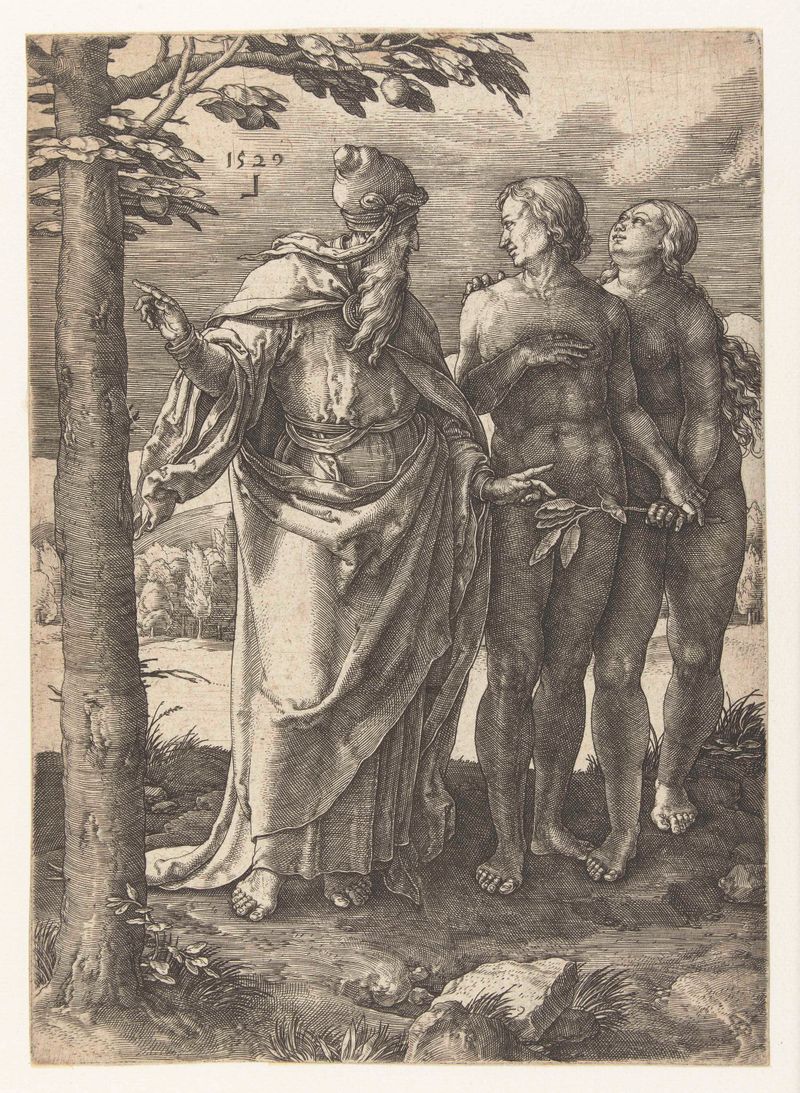
Het eerste verbod
Lucas van Leyden
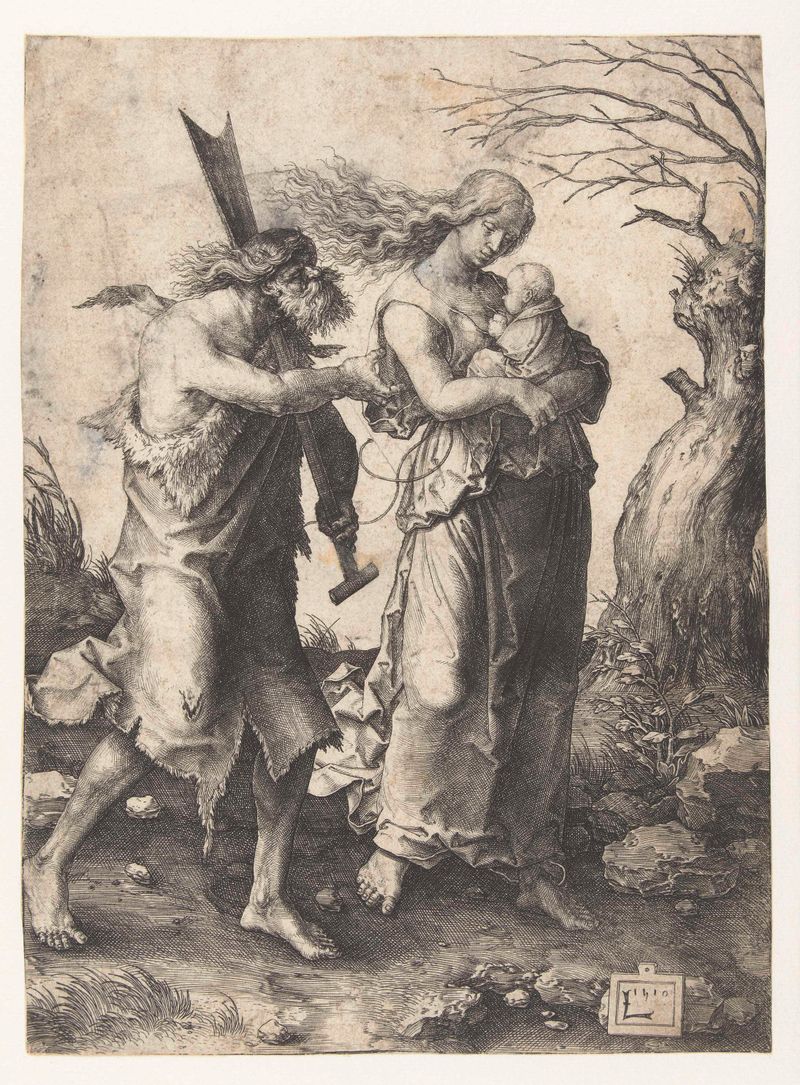
Adam en Eva na de verdrijving uit het paradijs
Lucas van Leyden
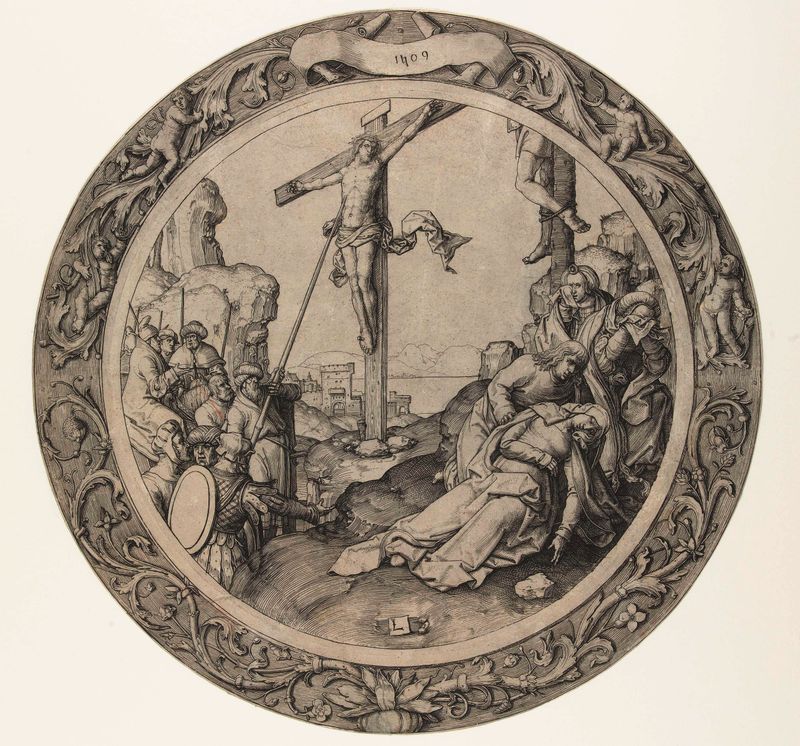
De kruisiging
Lucas van Leyden
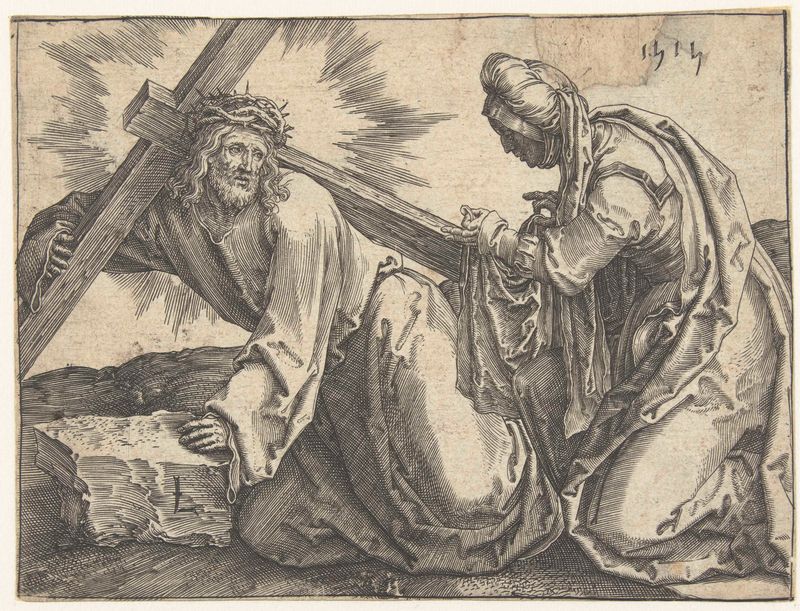
Kruisdraging
Lucas van Leyden
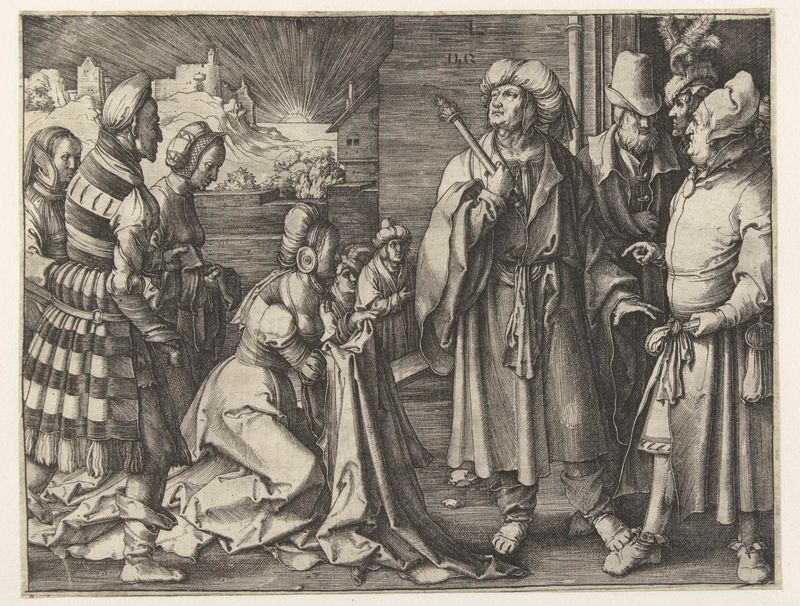
De vrouw van Potifar beschuldigt Jozef
Lucas van Leyden
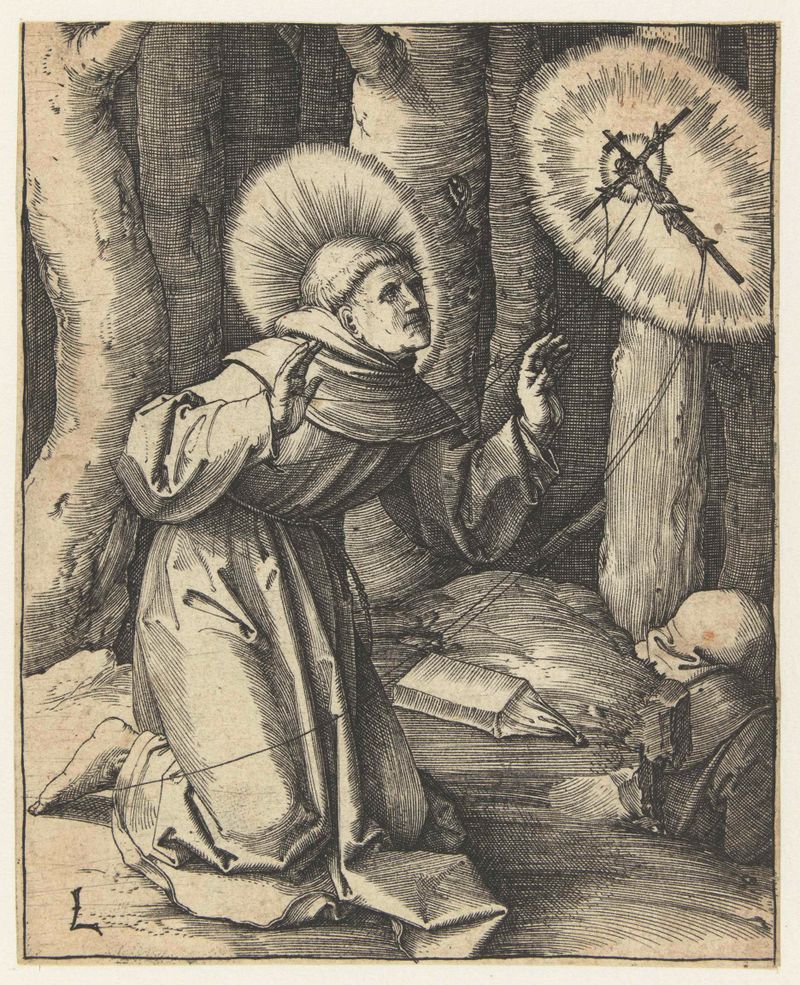
De stigmatisatie van de heilige Franciscus
Lucas van Leyden
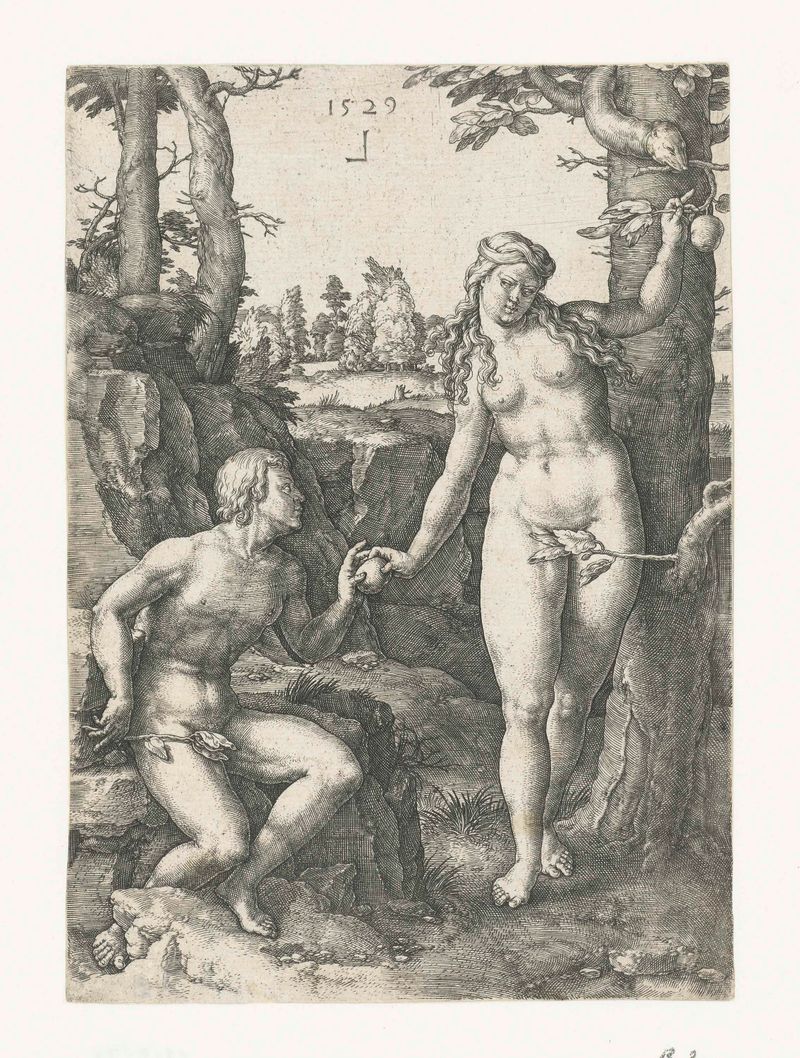
De zondeval
Lucas van Leyden
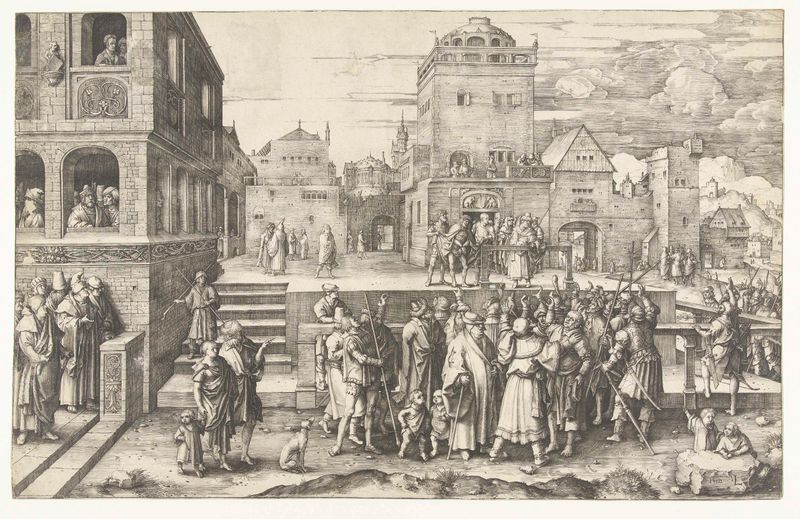
De grote Ecce Homo
Lucas van Leyden
Maria met kind
Lucas van Leyden

Doornenkroning
Lucas van Leyden





