
De vaandeldrager — History & Facts
In that stillness, grief lingers, folded into the layers of paint that resonate with a haunting sincerity. Look to the center of the composition, where a young flagbearer stands proudly, his right hand grasping the staff that holds the banner aloft. The vivid hues of red and blue contrast with the softer tones of the background, directing your gaze to the delicate folds of fabric that ripple in an unseen breeze. Notice how the light illuminates his face, revealing a mixture of youthful bravado and an underlying sorrow, as if he carries the weight of both triumph and loss. As you delve deeper into the scene, observe the interplay between the flag and the figure’s posture — a symbol of hope juxtaposed against an unspoken grief.
The banner, vibrant yet heavy, suggests a call to arms that may also conceal the anguish of what’s left behind. Each brushstroke intricately weaves a narrative of longing and remembrance, encapsulating a moment where duty and sorrow intertwine seamlessly. Created between 1508 and 1512, this work emerged during a transformative period for Lucas van Leyden. At the time, he was establishing his reputation within the Northern Renaissance, a moment marked by the exploration of human emotion through art.
Despite his youth, the artist captured an essence of complexity in De vaandeldrager, reflecting not only the personal struggles of his era but also the communal experiences of loss that resonate through history.
More Artworks by Lucas van Leyden
Browse all →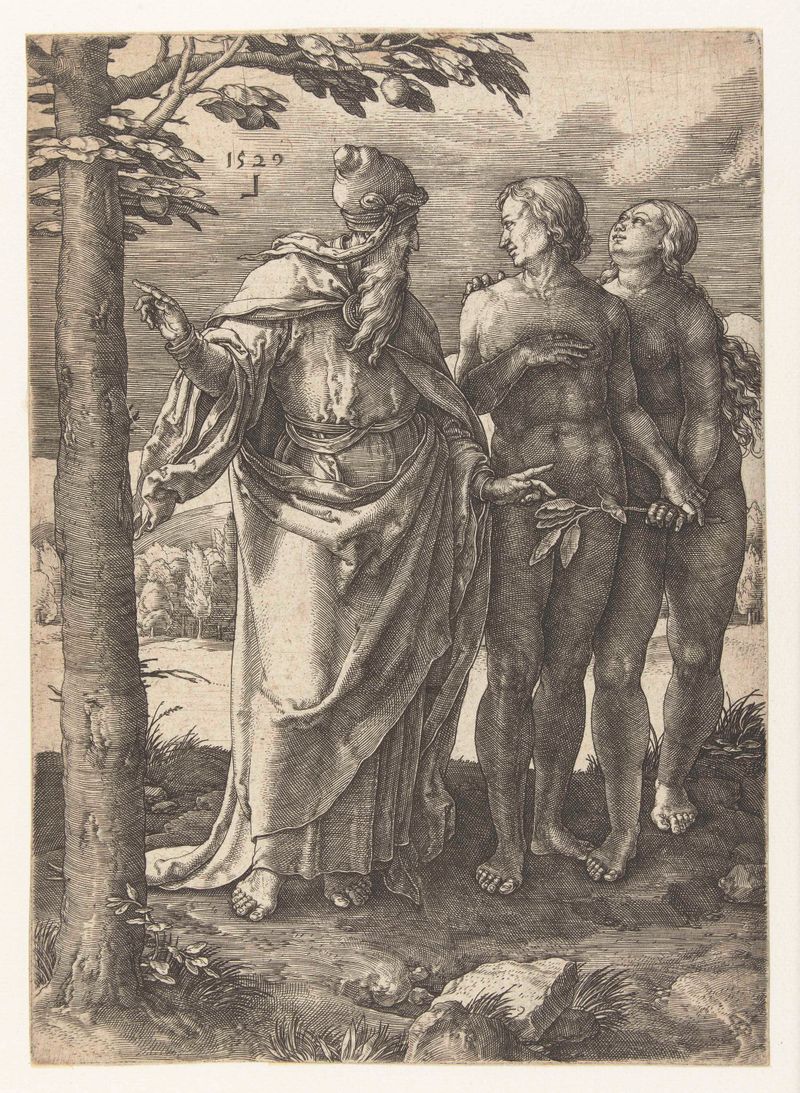
Het eerste verbod
Lucas van Leyden
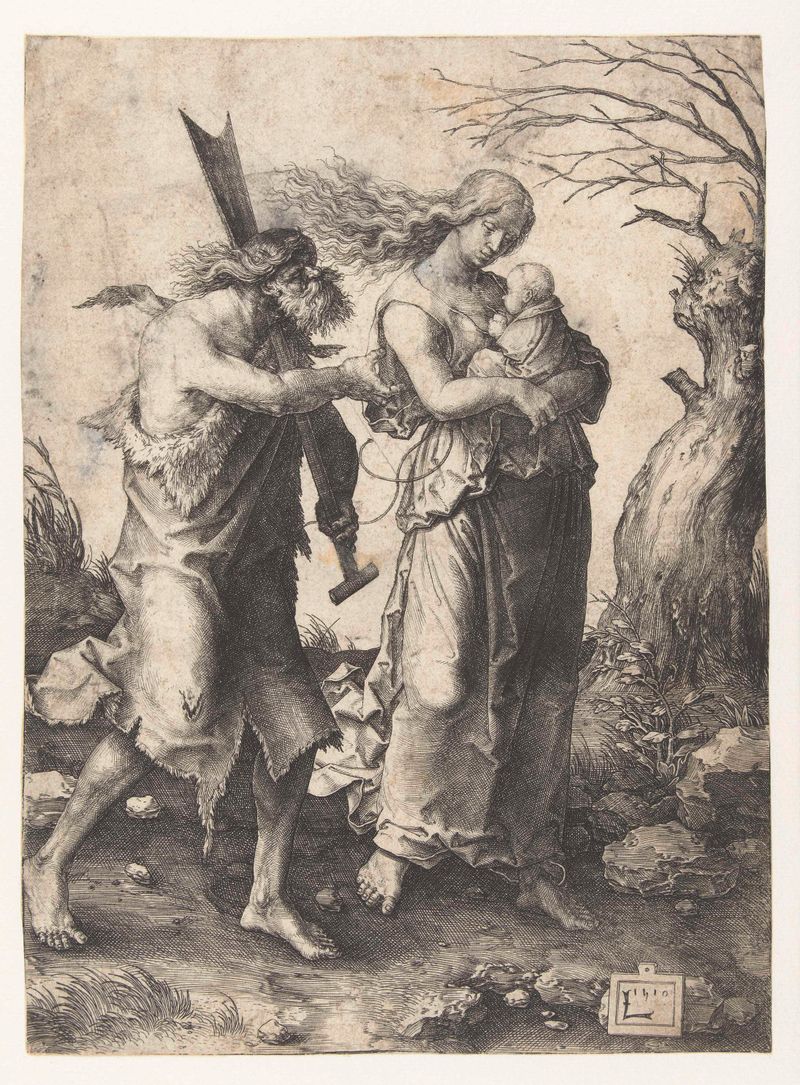
Adam en Eva na de verdrijving uit het paradijs
Lucas van Leyden
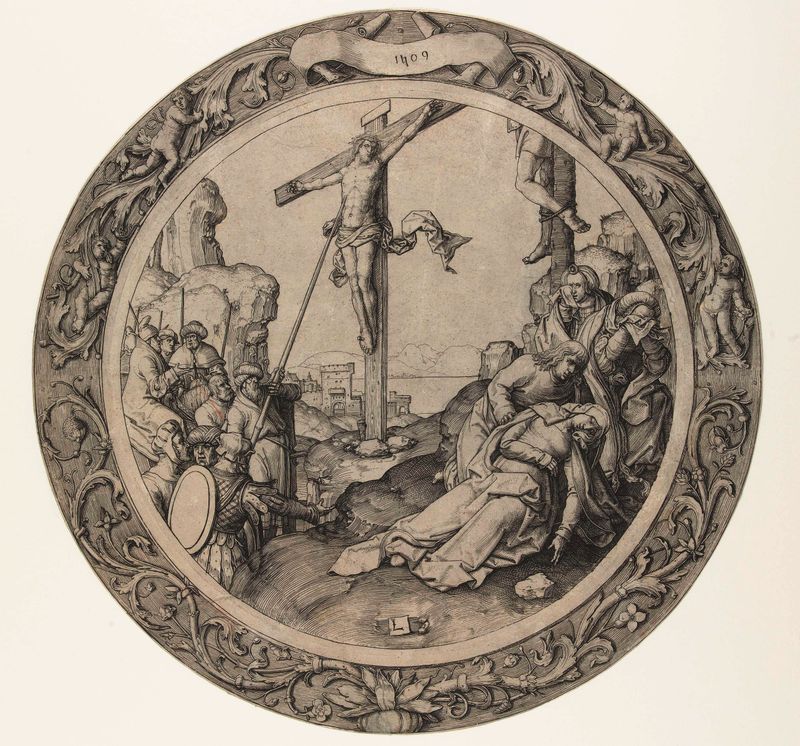
De kruisiging
Lucas van Leyden
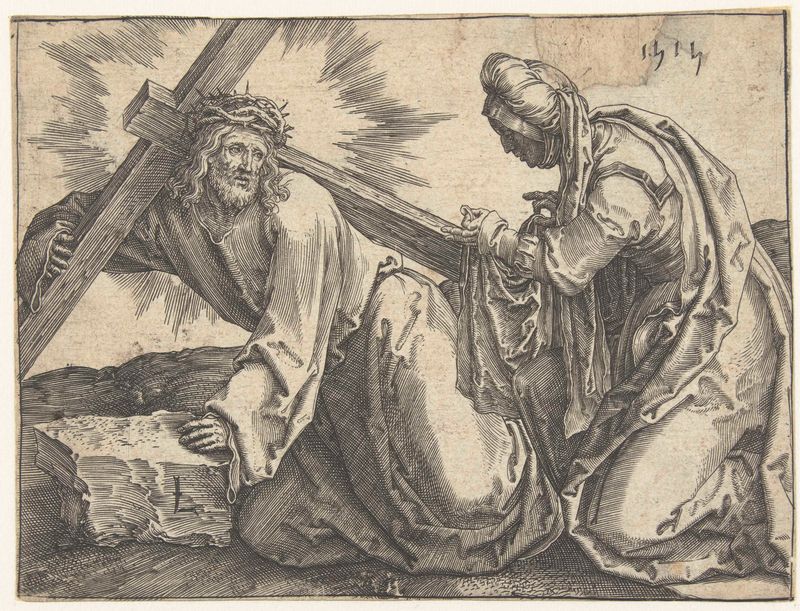
Kruisdraging
Lucas van Leyden
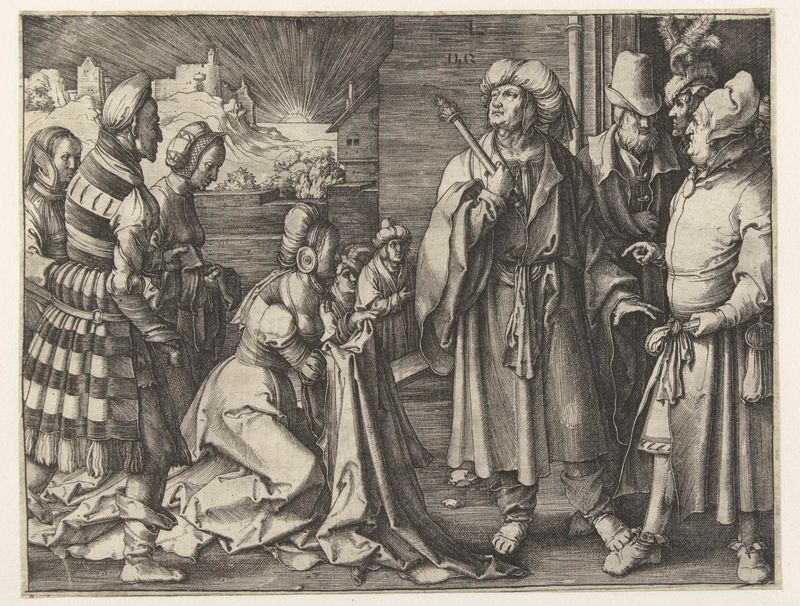
De vrouw van Potifar beschuldigt Jozef
Lucas van Leyden
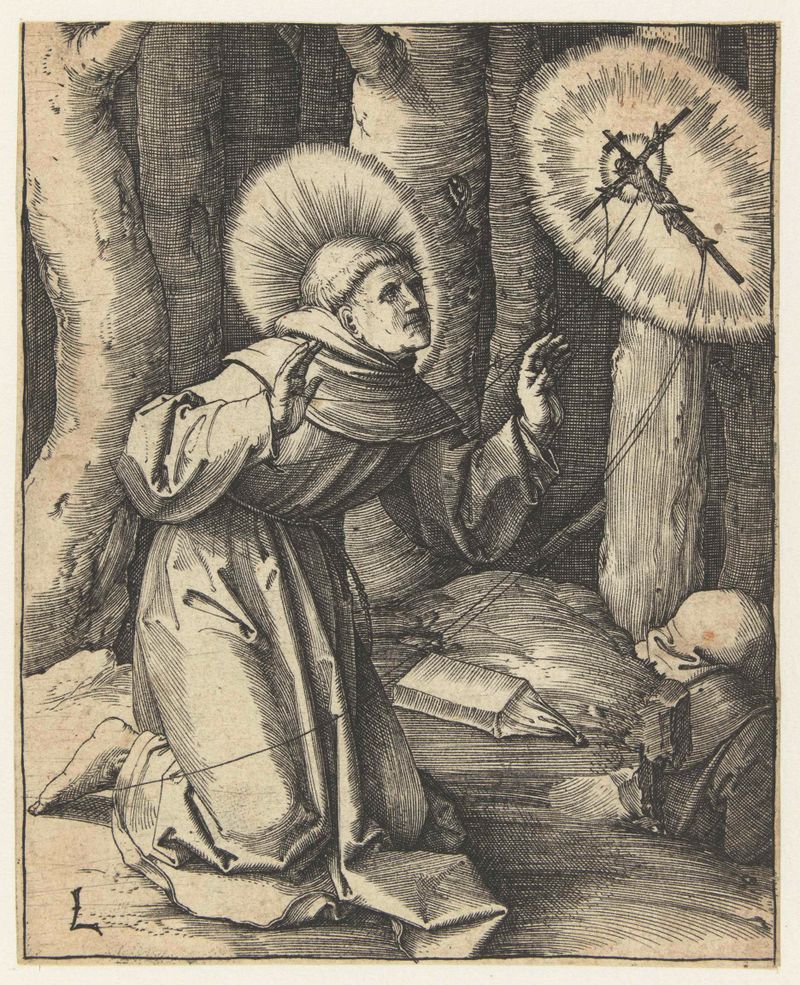
De stigmatisatie van de heilige Franciscus
Lucas van Leyden
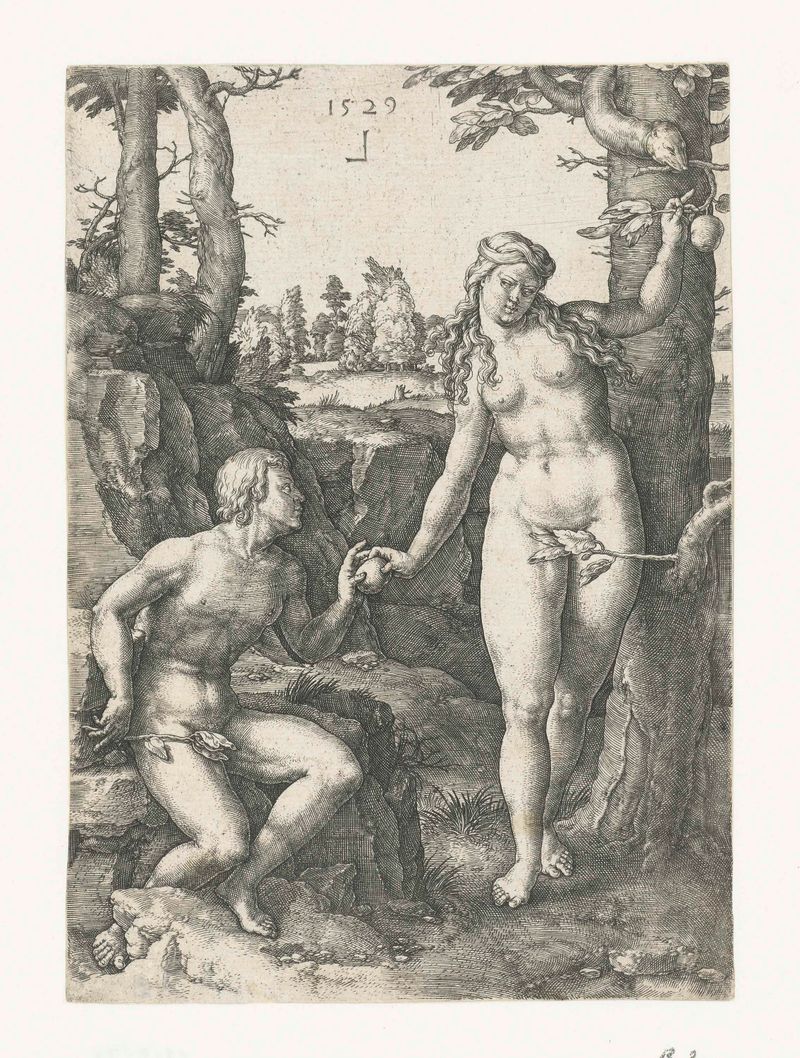
De zondeval
Lucas van Leyden
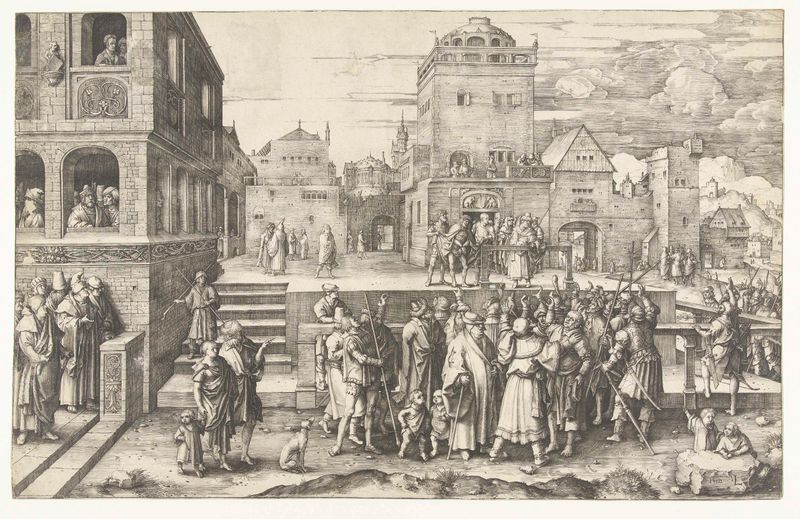
De grote Ecce Homo
Lucas van Leyden
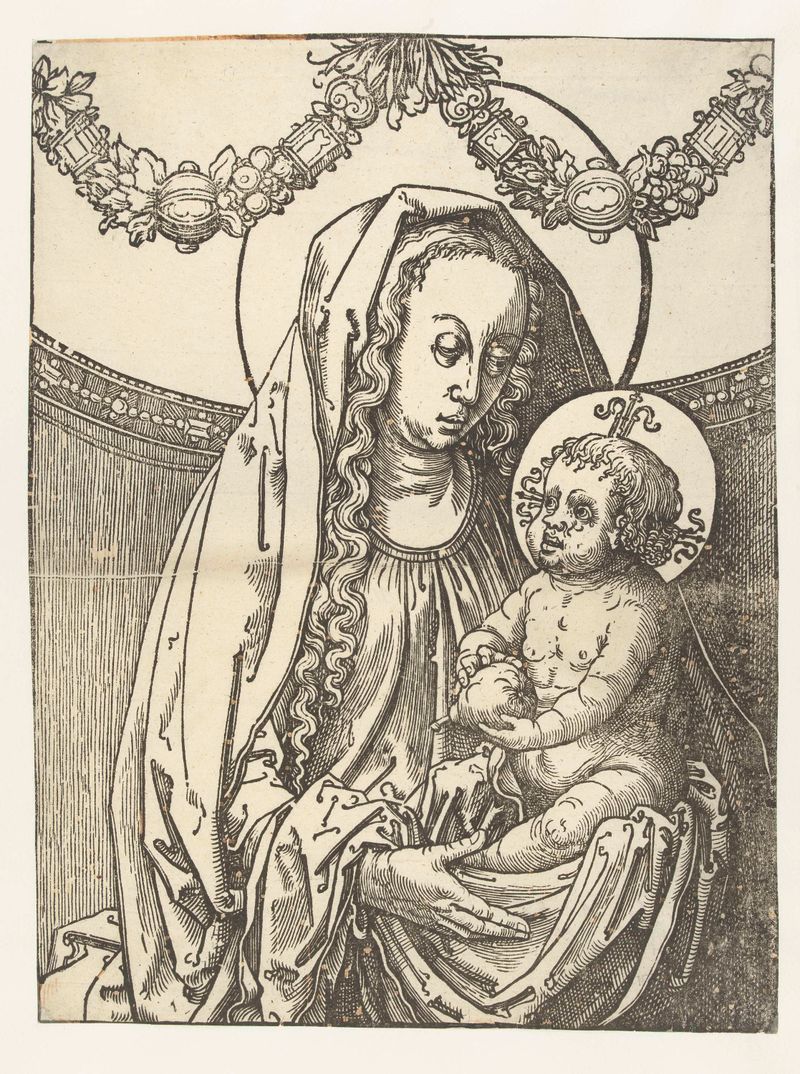
Maria met kind
Lucas van Leyden

Doornenkroning
Lucas van Leyden
More Historical Art
Browse all →
The Night Watch Militia Company of District II under the Command of Captain Frans Banninck Cocq
Rembrandt van Rijn

Lincoln Memorial
Henry Bacon

The Third of May 1808
Francisco de Goya

Isaac and Rebecca, Known as ‘The Jewish Bride’
Rembrandt van Rijn

The Charge of the Mamelukes (1814)
Francisco de Goya

De vier ruiters van de apocalyps
Albrecht Dürer