
Dead Christ Supported by Two Angels — History & Facts
No other work by Giovanni Bellini is dated as early as Dead Christ Supported by Two Angels, making it a rare glimpse into the artist’s formative years. Painted in 1472, this panel marks Bellini’s first known attempt to sign and date his work, a bold declaration of authorship at a time when Venetian painters were only beginning to assert their individuality. The painting’s crisp linearity and delicate emotion have led scholars to debate whether it was intended as a private devotional image or as part of a larger altarpiece, a question still unresolved today. Bellini chooses the moment after the Deposition, when Christ’s lifeless body, bruised and pale, is held upright by two youthful angels.
Their tender hands support his shoulders and arms, while their sorrowful faces turn to the viewer, inviting reflection on the suffering just endured. The wounds in Christ’s side and hands are rendered with careful precision, emphasizing both his humanity and his sacrifice. The shallow, gold-tinged background sets the figures apart from earthly space, focusing attention on their grief and the body’s weight.
Unlike Andrea Mantegna’s more dramatic Lamentation over the Dead Christ, Bellini’s scene is quieter, suffused with a gentle melancholy that hints at hope beyond death. The early provenance of Dead Christ Supported by Two Angels is uncertain, as is the identity of its original patron, but its small scale and intimate mood suggest it was made for private devotion rather than public display. Over the centuries, the painting has been admired for its emotional restraint and technical finesse, qualities that would come to define Bellini’s mature work. Today, it is housed in the Museo Correr in Venice, where it stands as a testament to the young artist’s search for a new visual language—one that would help shape the course of Venetian painting for generations to come.
More Artworks by Giovanni Bellini
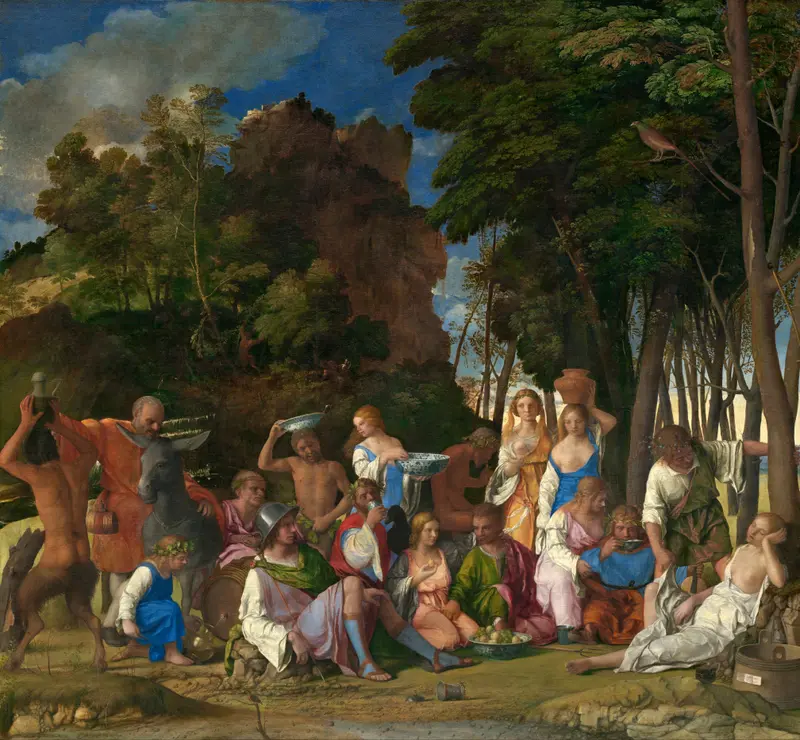
The Feast of the Gods
Giovanni Bellini

Madonna and Child enthroned with Saints and Angels
Giovanni Bellini
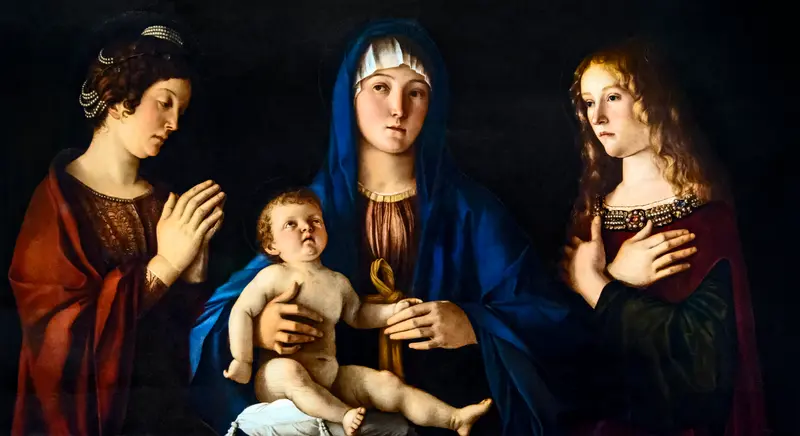
Madonna and Child between Saints Catherine and Mary Magdalene
Giovanni Bellini
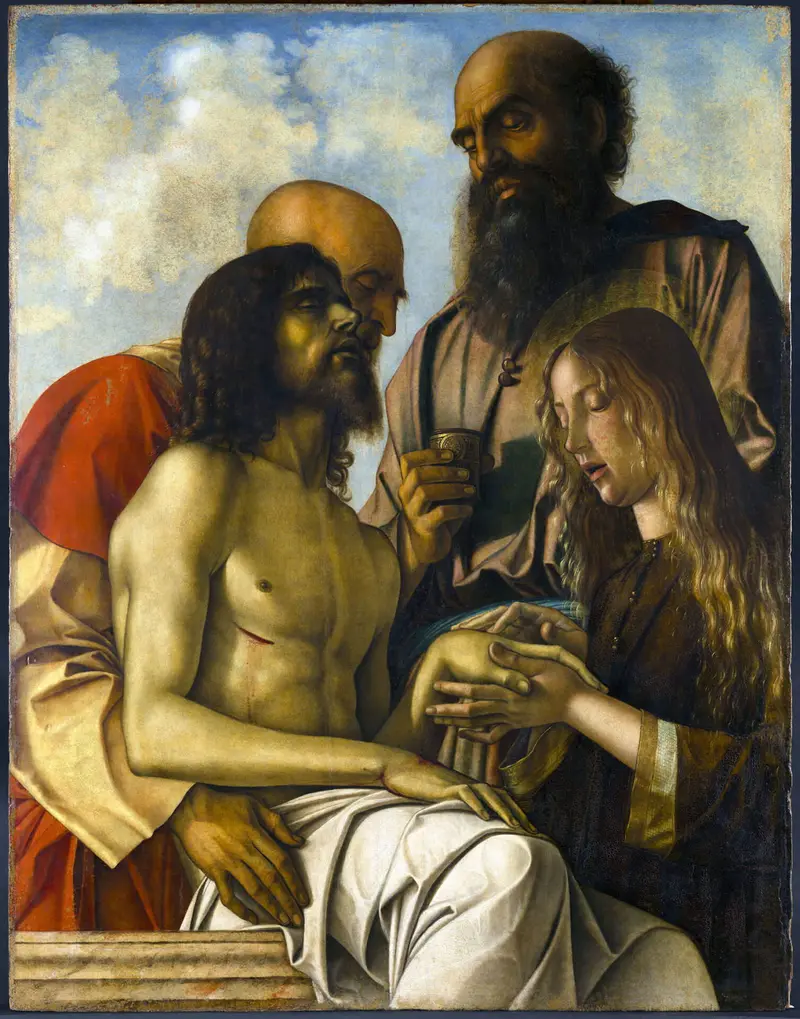
Lamentation over the Dead Christ
Giovanni Bellini
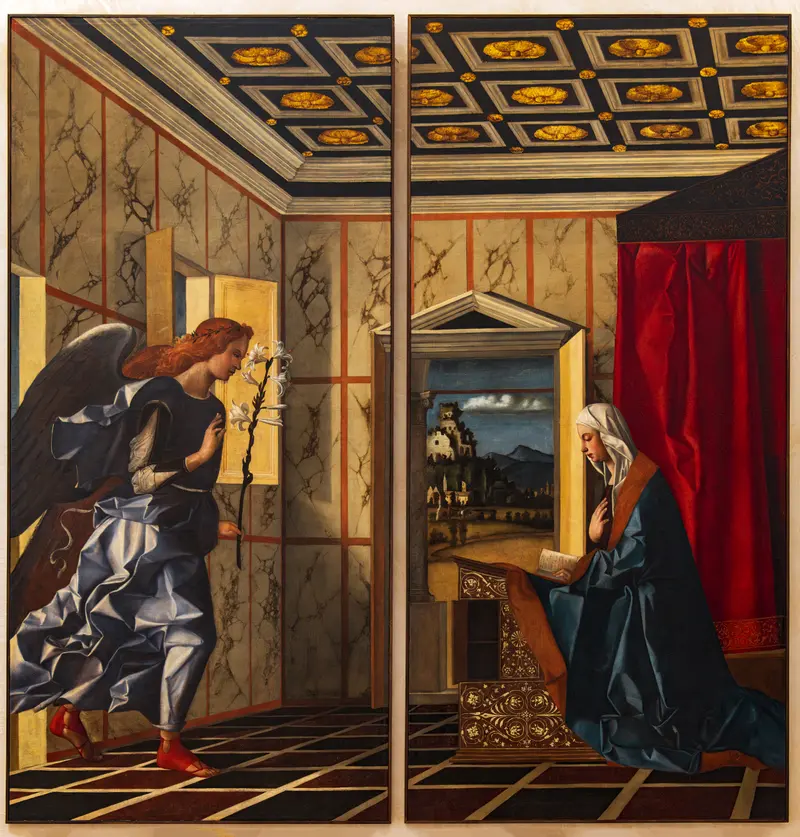
Annunciation
Giovanni Bellini
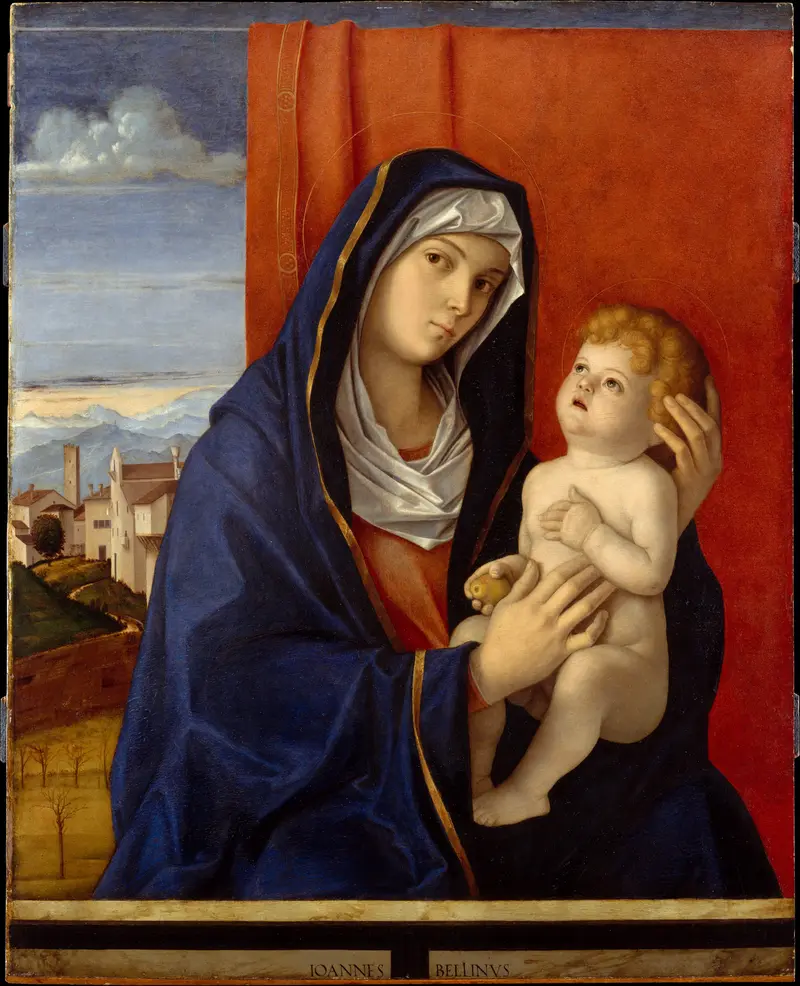
Madonna and Child
Giovanni Bellini
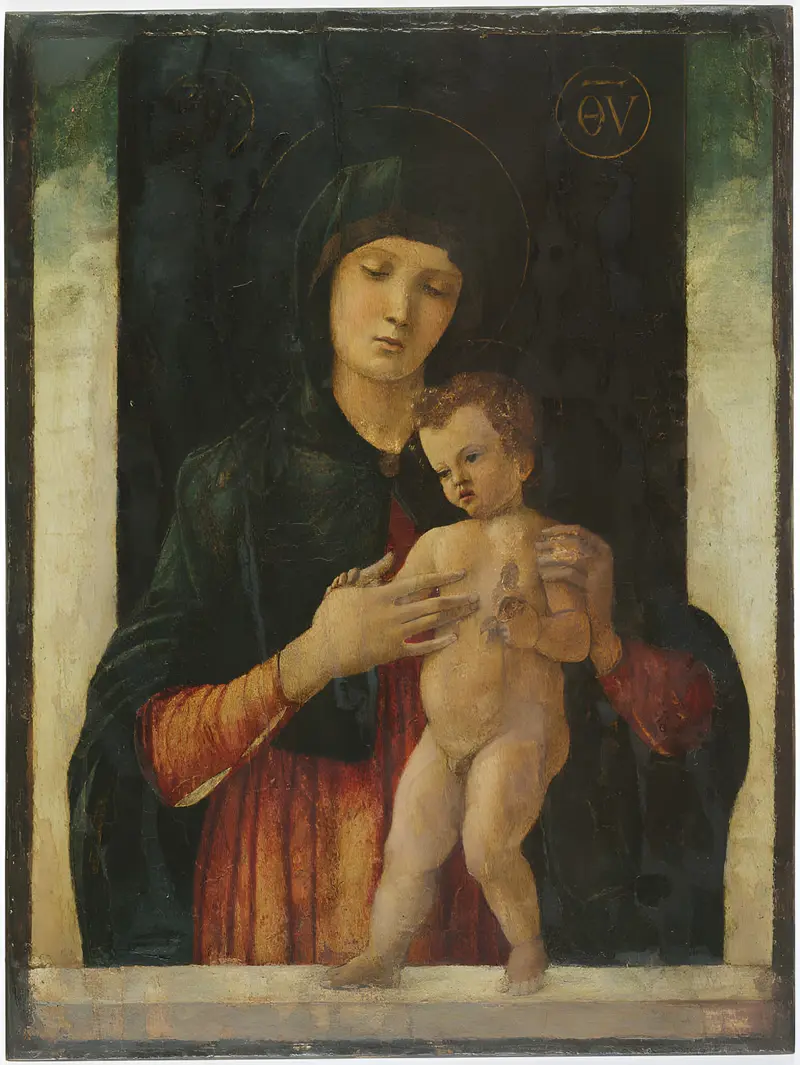
The Virgin and Child
Giovanni Bellini
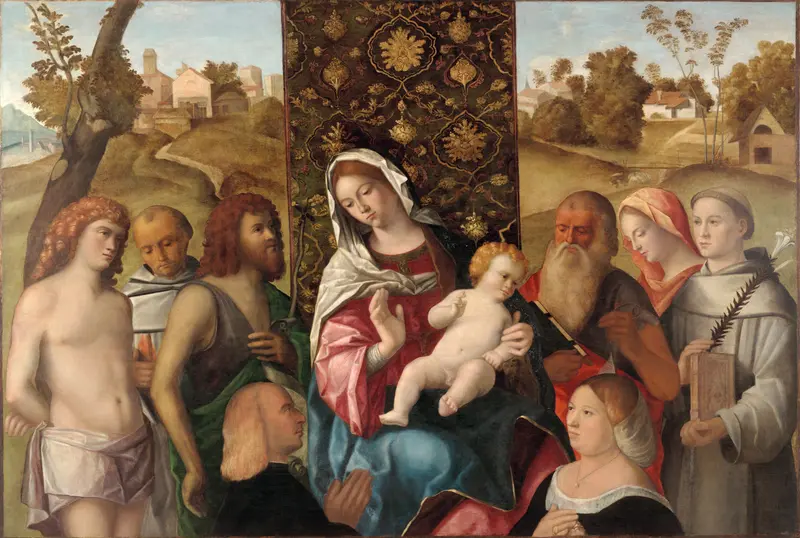
Virgin and Child with Saints Sebastian, Francis, John the Baptist, Jerome, an unidentified female saint, Saint Anthony of Padua and two donors
Giovanni Bellini
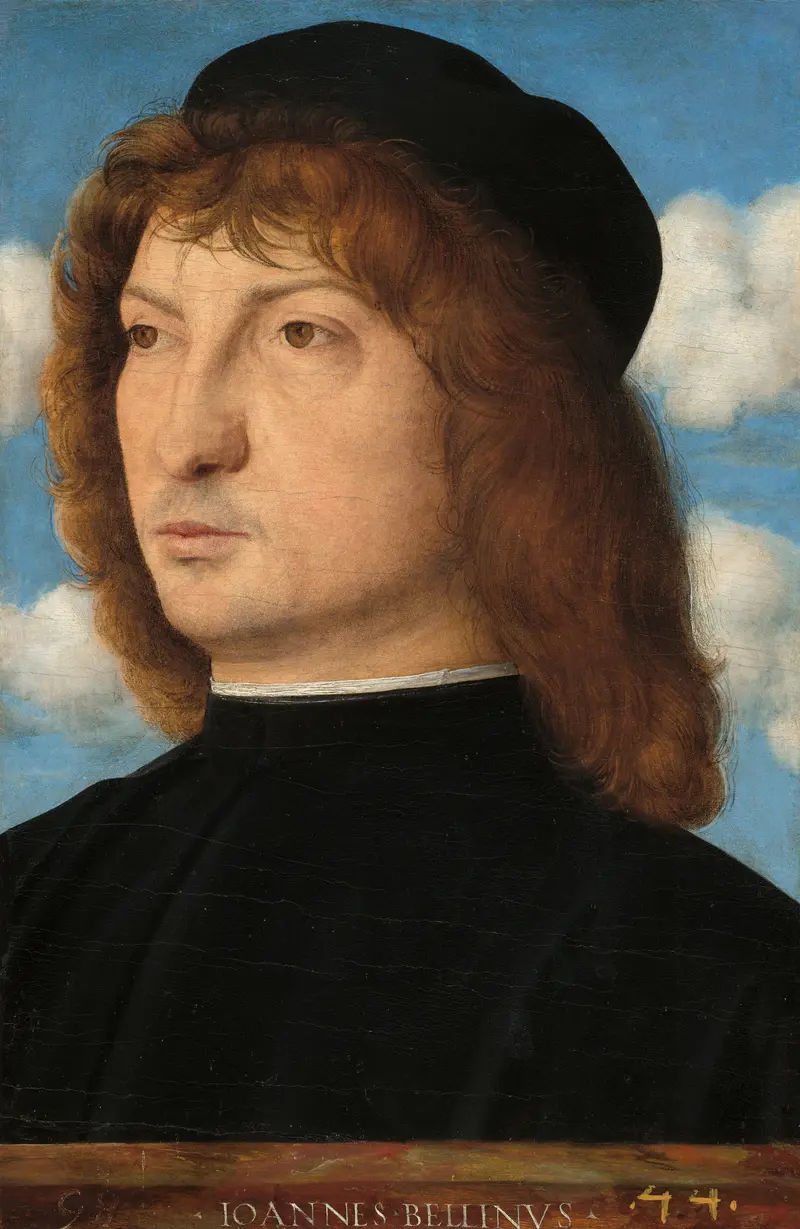
Portrait of a Venetian Gentleman
Giovanni Bellini
Portrait of a Young Man
Giovanni Bellini





