
Death of Francesca da Rimini and of Paolo Malatesta — History & Facts
Few tales of doomed love have haunted the imagination of artists as deeply as that of Francesca da Rimini and Paolo Malatesta, whose tragic end was immortalized by Alexandre Cabanel in his 1870 painting. The story, drawn from Dante’s Inferno (canto V), recounts a real event from 1285, when Francesca, the wife of the powerful Giovanni Malatesta, and his brother Paolo were discovered in an adulterous embrace and slain by Giovanni in a fit of rage. Their fate became a symbol of passion punished, inspiring countless works of art, music, and literature across centuries. Cabanel captures the fatal moment just after their murder: Francesca and Paolo lie entwined on the floor, their lifeless bodies still touching, as if death itself could not part them.
The artist bathes the scene in a cool, mournful light that falls across their pale skin, highlighting the serenity of their faces despite the violence that has just occurred. The spilled book at their side alludes to the tale of Lancelot and Guinevere, which, according to Dante, was the catalyst for their first kiss. Unlike Ingres’s earlier, more restrained treatment of the same subject, Cabanel dwells on sensuality and loss, inviting the viewer to mourn not only the lovers’ fate but the beauty of their forbidden bond. While the precise medium of Cabanel’s Death of Francesca da Rimini and of Paolo Malatesta is not always specified, the painting stands as a testament to the artist’s fascination with literary and historical themes, a hallmark of the Academic movement in 19th-century France.
Exhibited at the Salon of 1870, the work was praised for its emotional intensity and technical polish, securing Cabanel’s reputation as one of the leading painters of his generation. Today, the painting is held in a public collection, continuing to draw visitors who are captivated by its blend of narrative drama and visual refinement. Its enduring appeal lies in how it bridges the worlds of history, literature, and art, keeping alive the memory of two lovers whose story refuses to fade.
More Artworks by Alexandre Cabanel
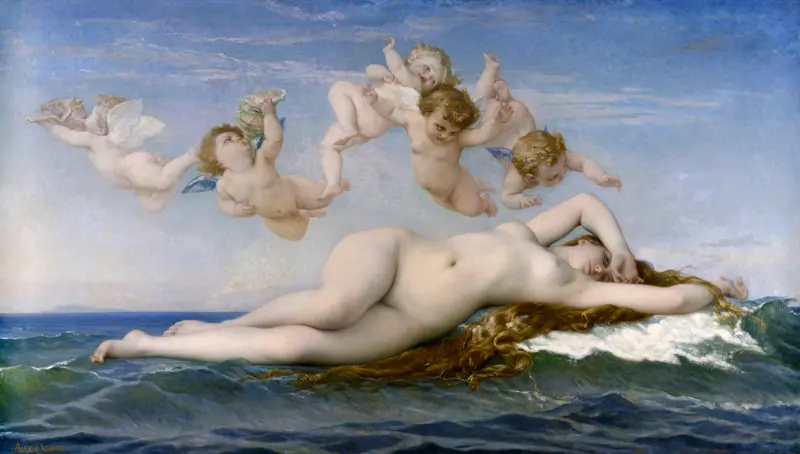
The Birth of Venus
Alexandre Cabanel
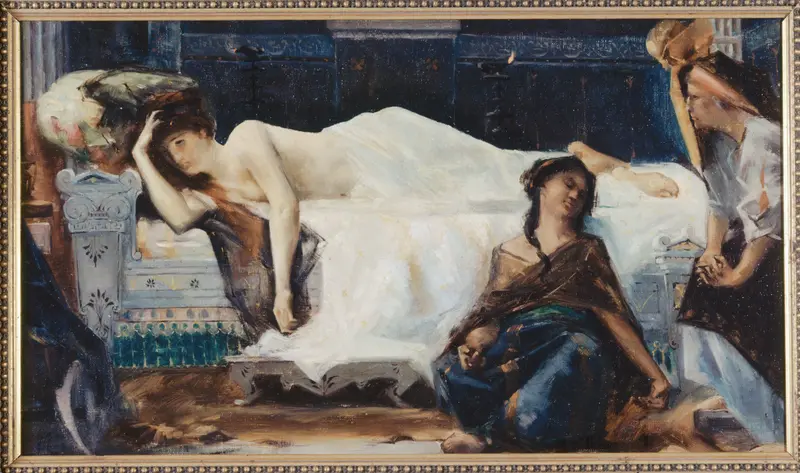
Phèdre
Alexandre Cabanel
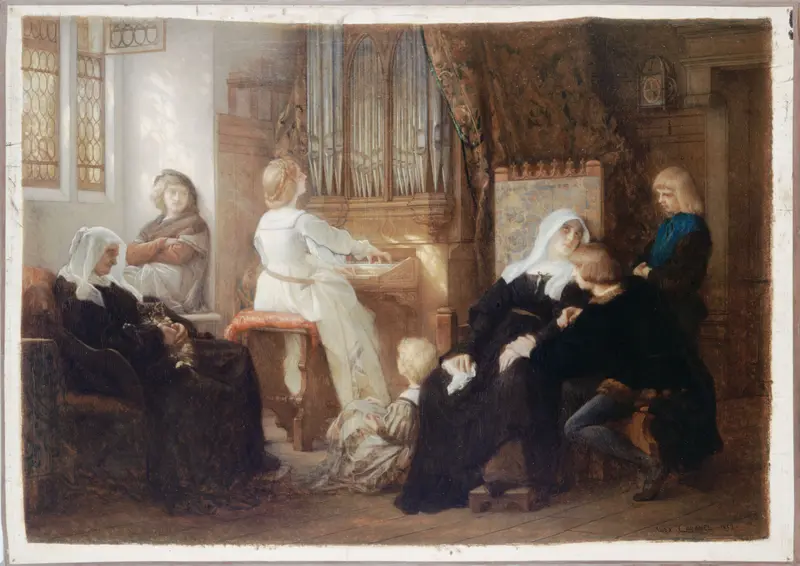
La veuve du maître de chapelle
Alexandre Cabanel
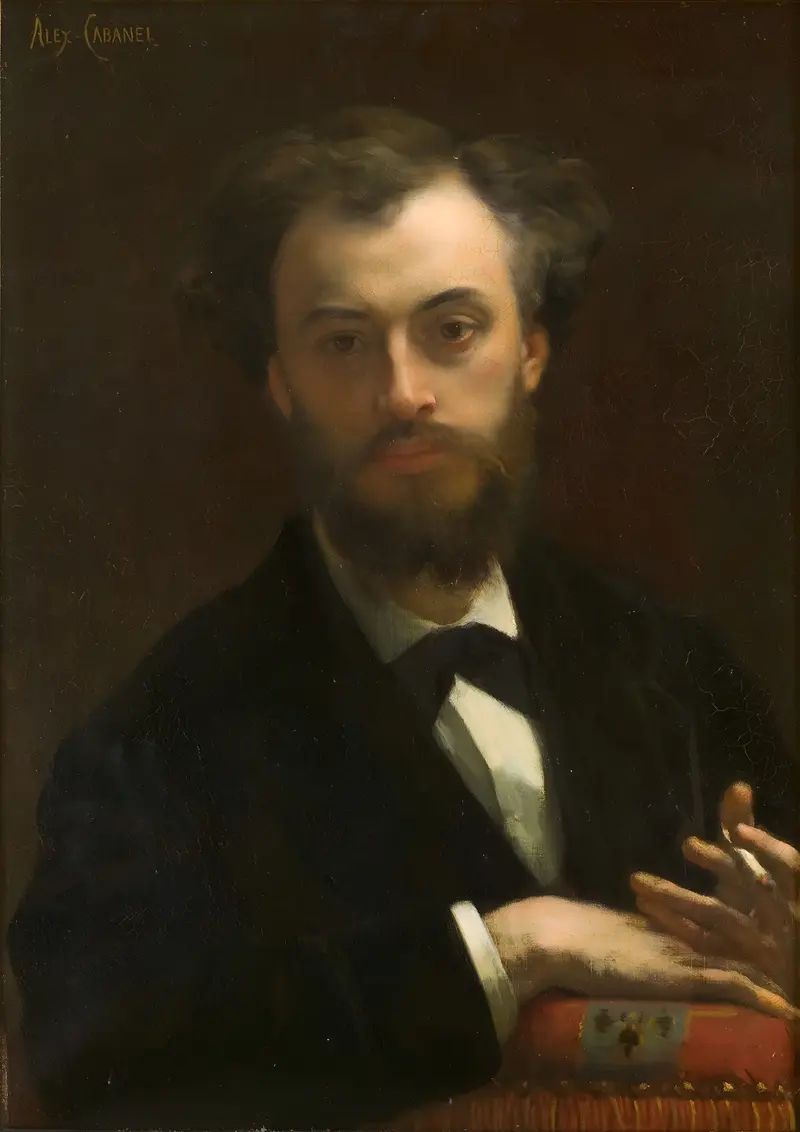
Portrait de M. Pierre Cabanel
Alexandre Cabanel
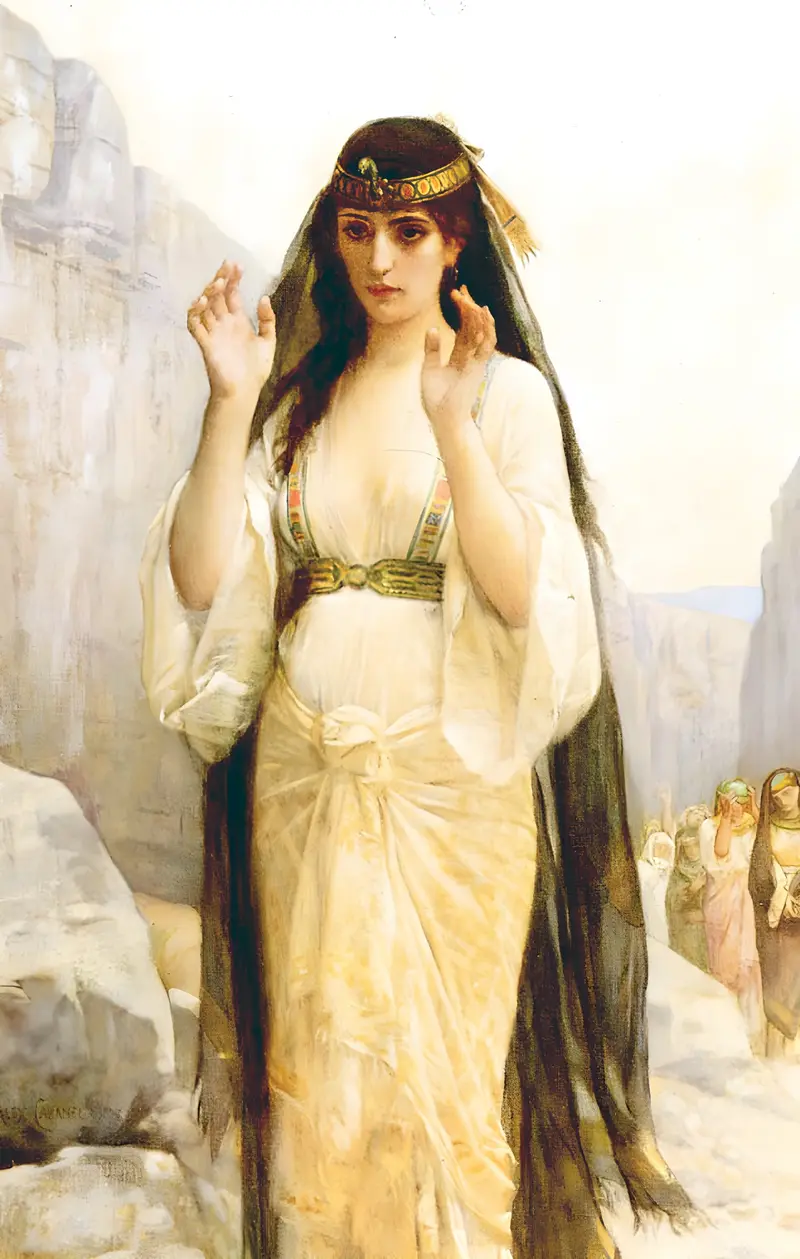
The Daughter of Jephthah
Alexandre Cabanel
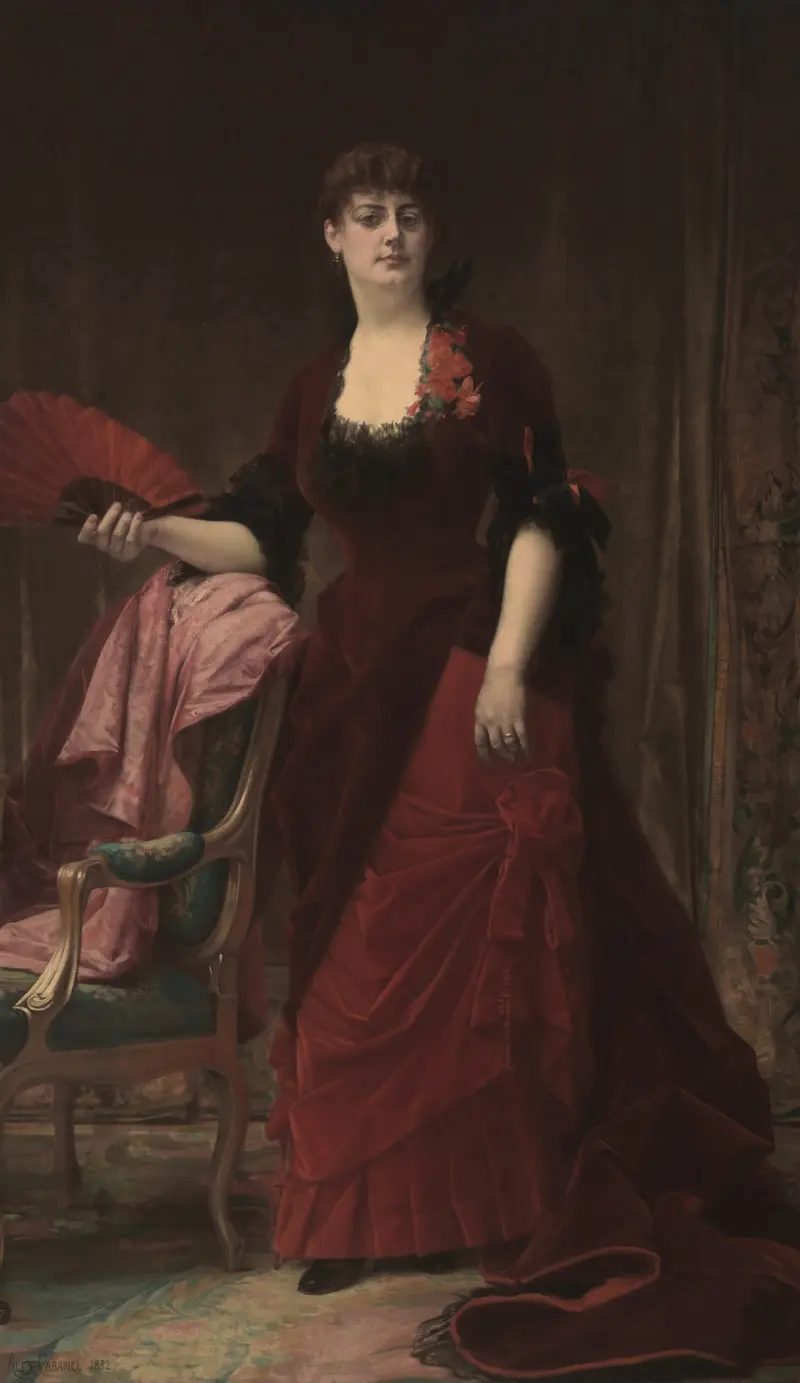
Portrait of Arabella Worsham (later Arabella Huntington)
Alexandre Cabanel
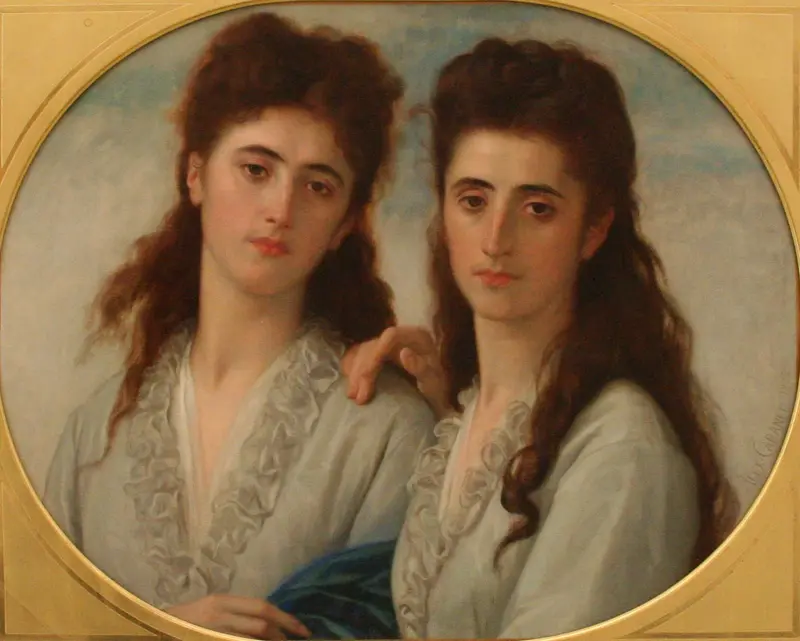
Portrait de mesdemoiselles Sophie et Berthe Cabanel
Alexandre Cabanel
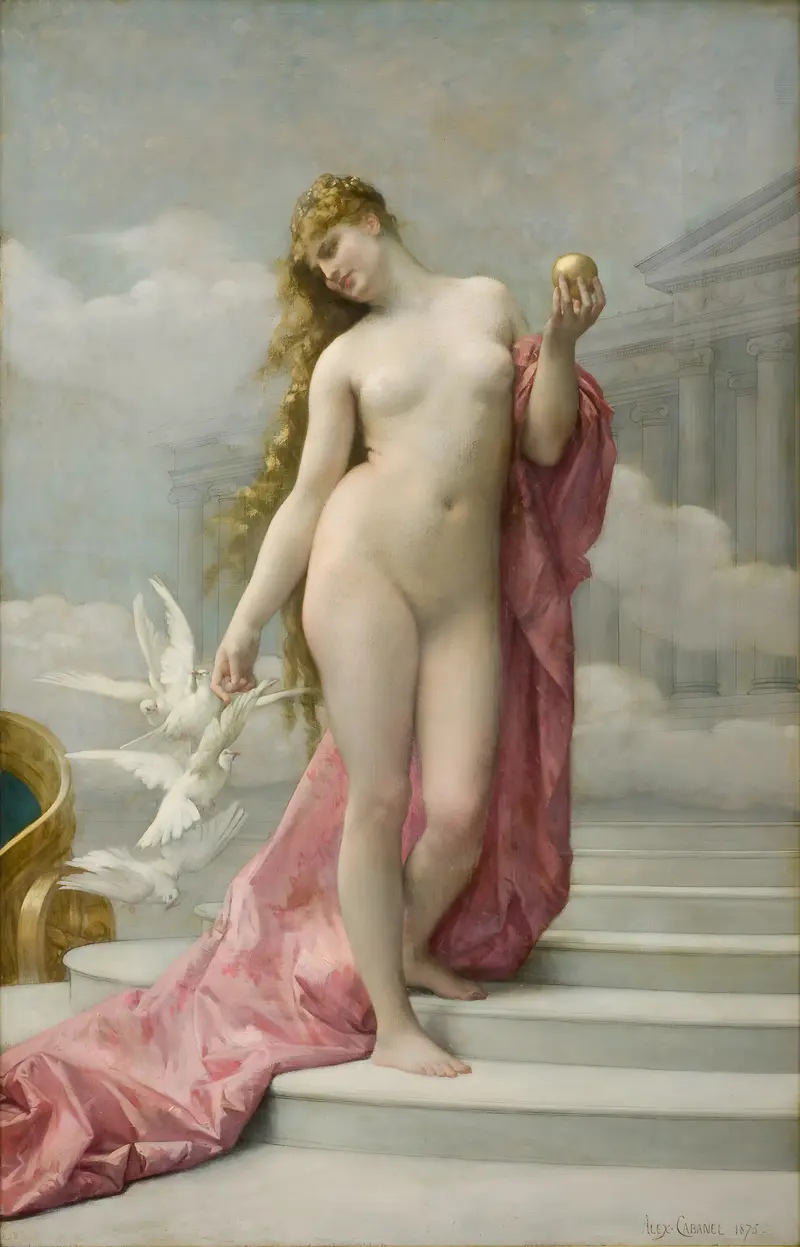
Vénus victorieuse
Alexandre Cabanel
Judith
Alexandre Cabanel
Catharine Lorillard Wolfe (1828–1887)
Alexandre Cabanel





