
Deposition from the Cross — History & Facts
Deposition from the Cross is an oil on panel painting created by Rosso Fiorentino in 1521 during the High Renaissance. The work depicts the moment Christ’s body is removed from the cross, a subject frequently explored in Italian Renaissance art. The composition is vertically oriented and crowded with figures, arranged in a dynamic, almost sculptural manner. Christ’s pale body is being carefully lowered by several men using ladders, while mourners gather below, their faces marked by grief.
The figures are rendered with elongated limbs and angular poses, characteristic of Rosso Fiorentino’s style. The color palette is dominated by bold reds, ochres, and cool blues, and the light is even, emphasizing the forms and drapery. The emotional intensity is heightened by the dramatic gestures and expressions of the participants. It was commissioned for the church of San Francesco in Volterra and remains one of the artist’s most celebrated works.
The Deposition from the Cross has been widely studied for its innovative composition and expressive power, and it continues to be held in the Pinacoteca Comunale di Volterra.
More Artworks by Rosso Fiorentino
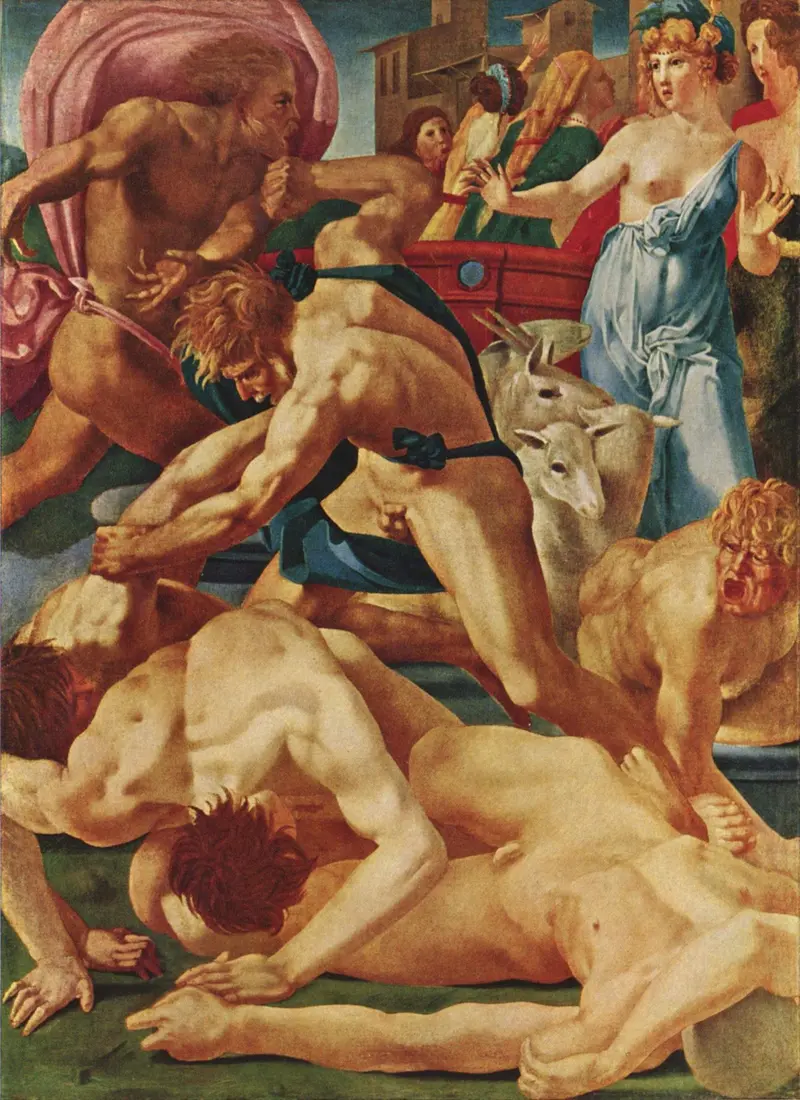
Moses Defending the Daughters of Jethro
Rosso Fiorentino

Judith with the Head of Holofernes
Rosso Fiorentino
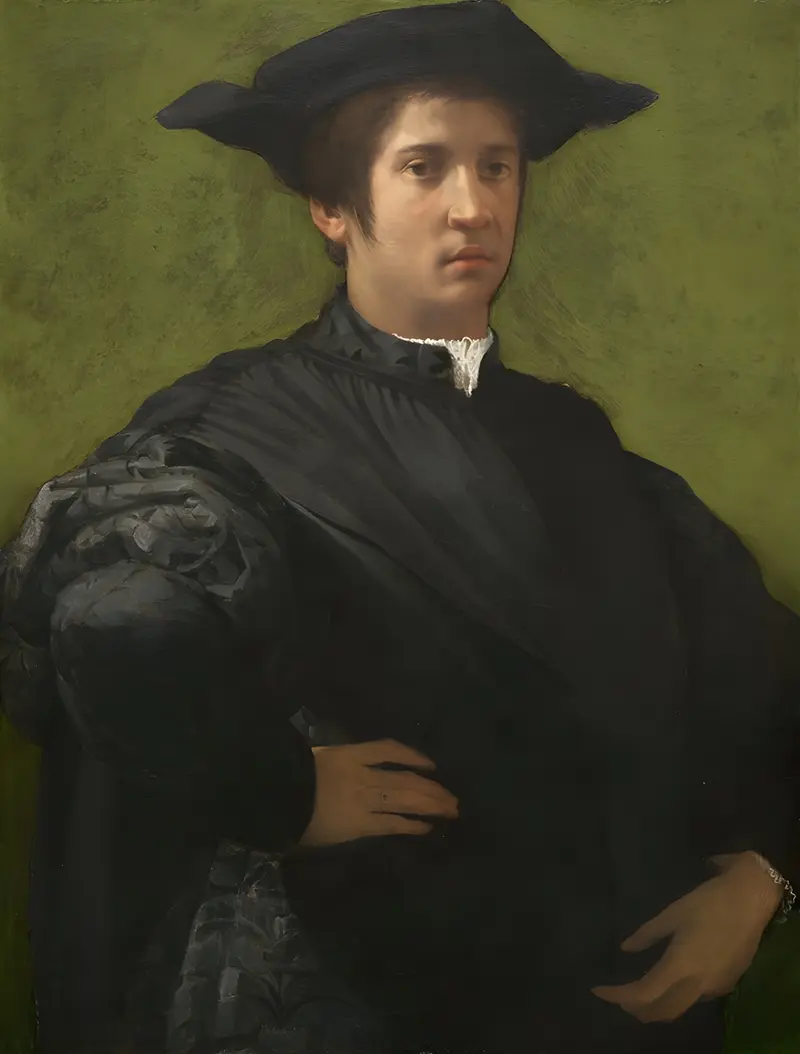
Portrait of a Man
Rosso Fiorentino
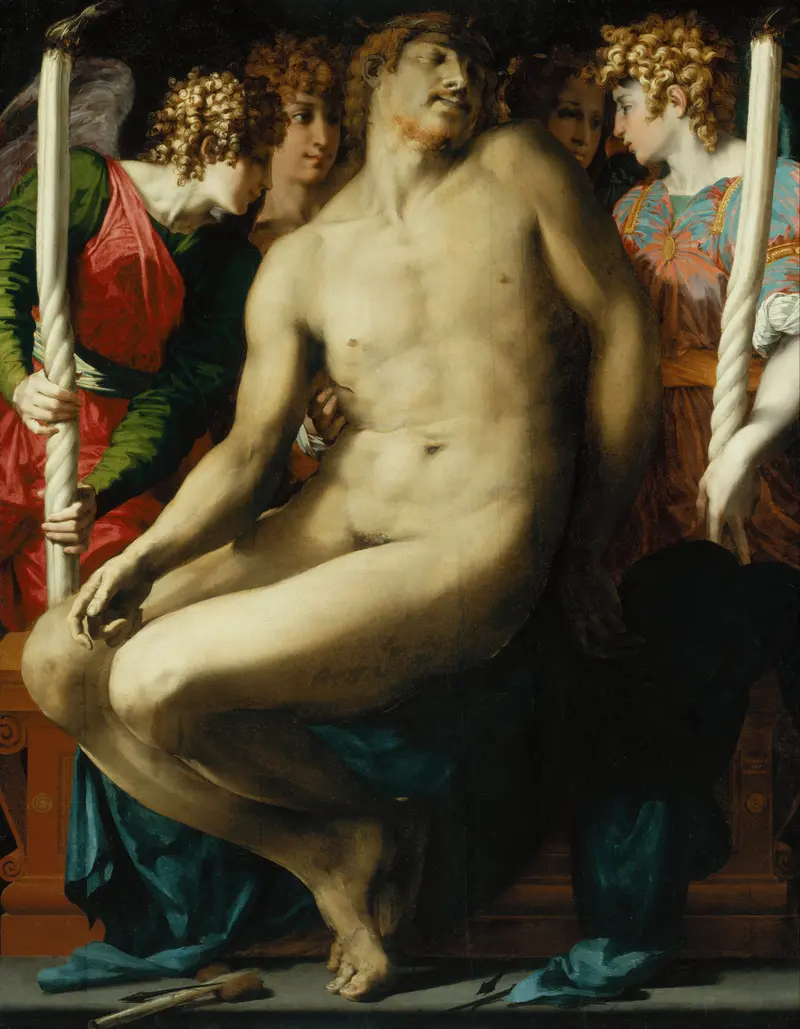
The Dead Christ with Angels
Rosso Fiorentino
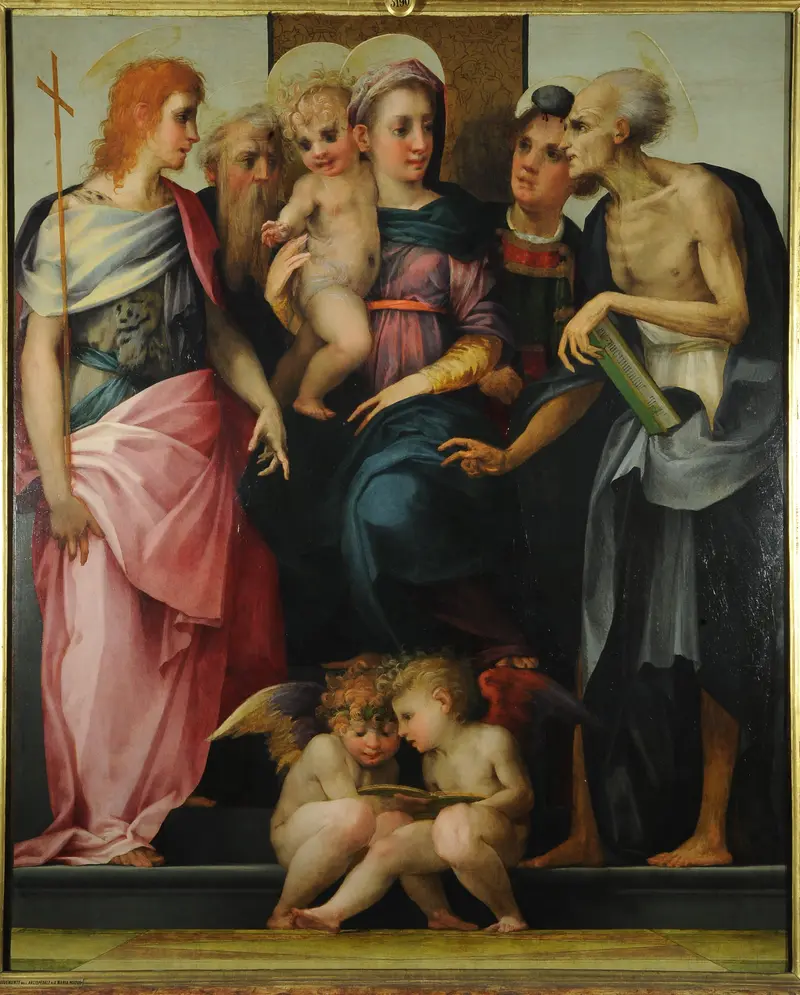
Sacred conversation with musical angels
Rosso Fiorentino
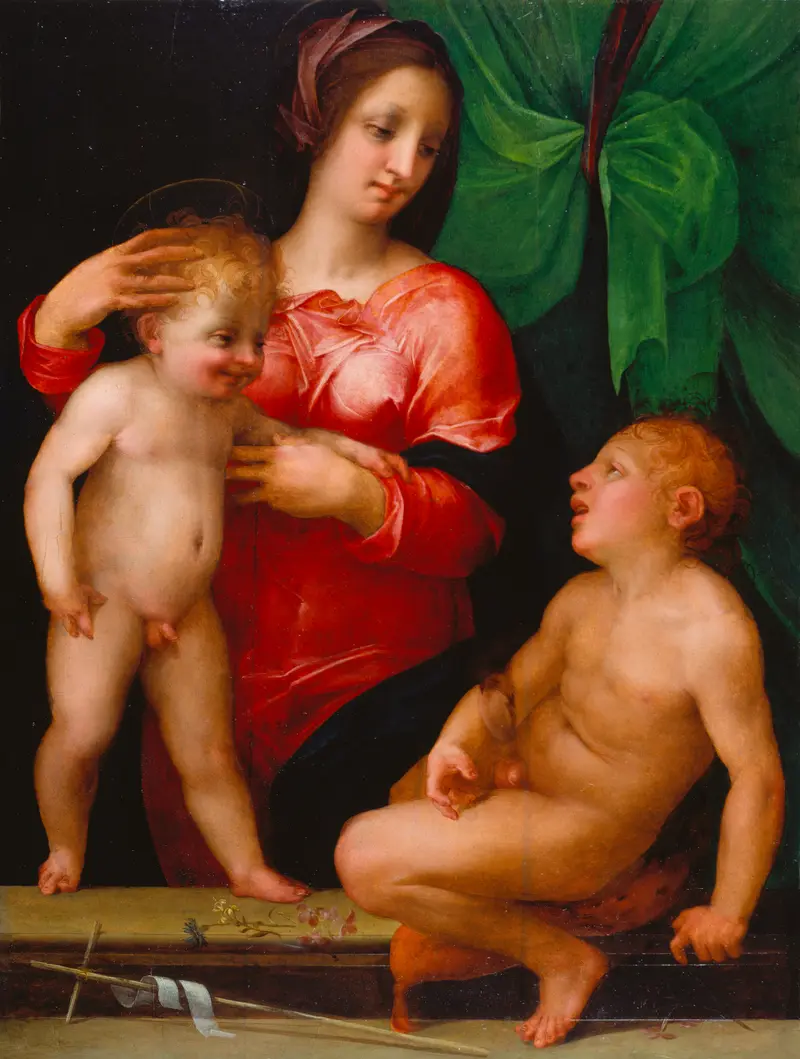
Madonna and Child with the Infant St. John
Rosso Fiorentino
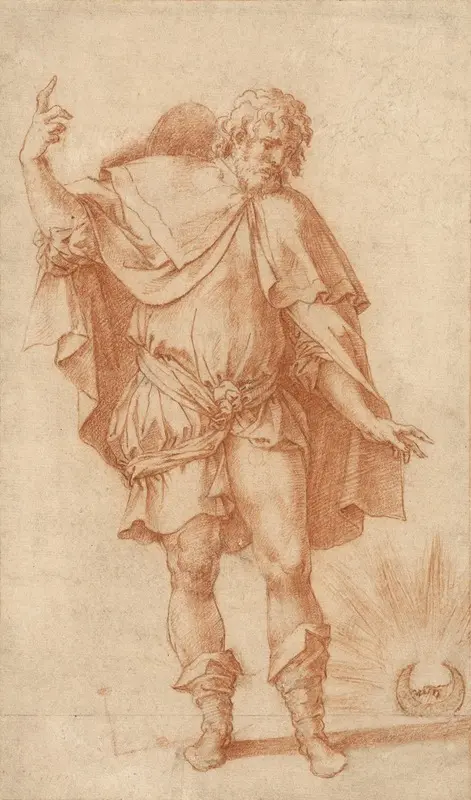
Study of a Male Figure (Empedocles or Saint Roch)
Rosso Fiorentino
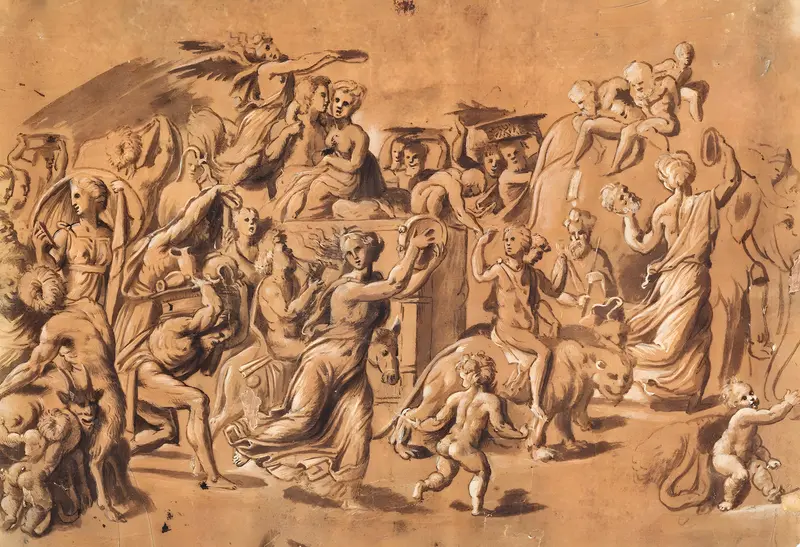
Bacchus’ triumf
Rosso Fiorentino
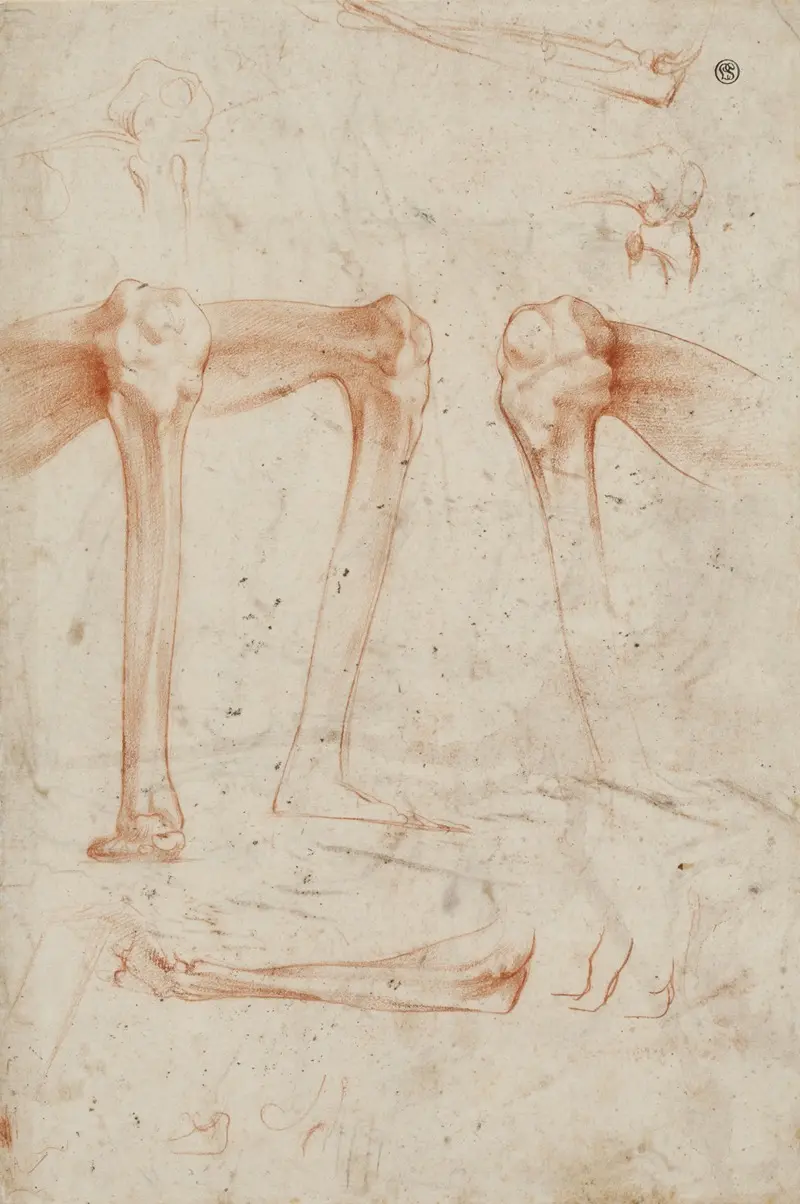
Studies of legs, knees and arms
Rosso Fiorentino
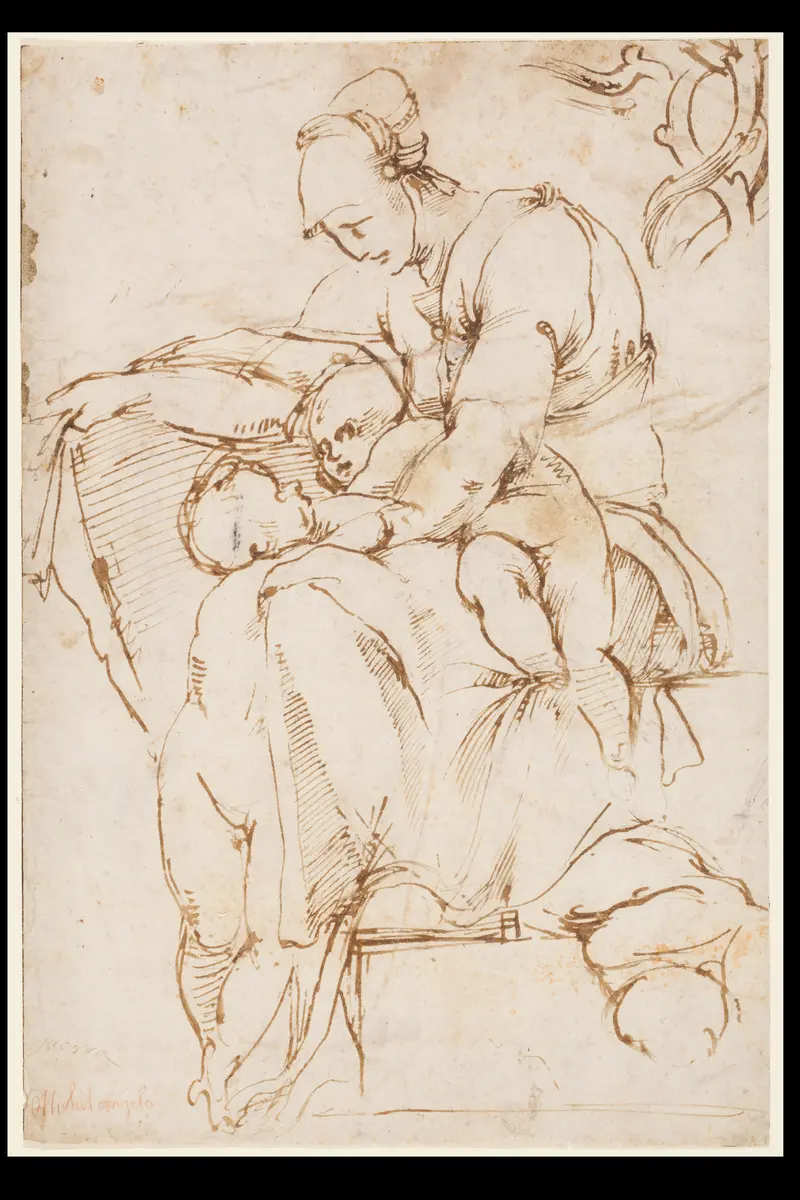
Seated Woman with Children (Caritas); branches at top right
Rosso Fiorentino





