
Bacchus’ triumf — History & Facts
No other painting by Rosso Fiorentino has sparked as much debate among scholars as Bacchus’ triumf. The date and original commission of the work remain uncertain, and its provenance is clouded by gaps in documentation—a rarity for a painter whose career was so closely watched by Vasari and his contemporaries. Some believe it may have been created during Fiorentino’s tumultuous years in France, at the court of Francis I, where Italian artists were tasked with bringing mythological grandeur to the new Fontainebleau.
Others propose an earlier Florentine origin, noting the wild energy that sets it apart from the more mannered works of his later period. At the center of the canvas, Bacchus bursts forth in a riotous procession, his chariot wreathed in vines and pulled by leopards. The god’s head is thrown back, mouth open in laughter, a cup raised high—caught in the very instant of victory over restraint. Satyrs and maenads swirl around him, their bodies twisting in exaggerated poses, echoing the restless movement that defines much of Rosso Fiorentino’s work.
A garlanded youth offers a bunch of grapes, while a faun clutches a tambourine, their gestures both invitation and celebration. The sharp, acidic colors and angular forms recall Rosso’s Deposition in Volterra, but here the mood is one of wild abandon rather than grief—a stark contrast to the more serene, classical Bacchic scenes painted by Titian for Alfonso d’Este. The later history of Bacchus’ triumf is as elusive as its origins. No early inventories mention it by name, and its whereabouts during the seventeenth and eighteenth centuries are unknown.
When it resurfaced in the nineteenth century, attribution to Rosso Fiorentino was hotly contested, some seeing echoes of Primaticcio or even a northern hand. Today, most experts accept it as a genuine work by Rosso, citing the unmistakable energy and idiosyncratic draftsmanship. The painting is now held in a private collection, rarely exhibited, and remains a touchstone for those seeking to understand the restless spirit of Mannerism.
More Artworks by Rosso Fiorentino
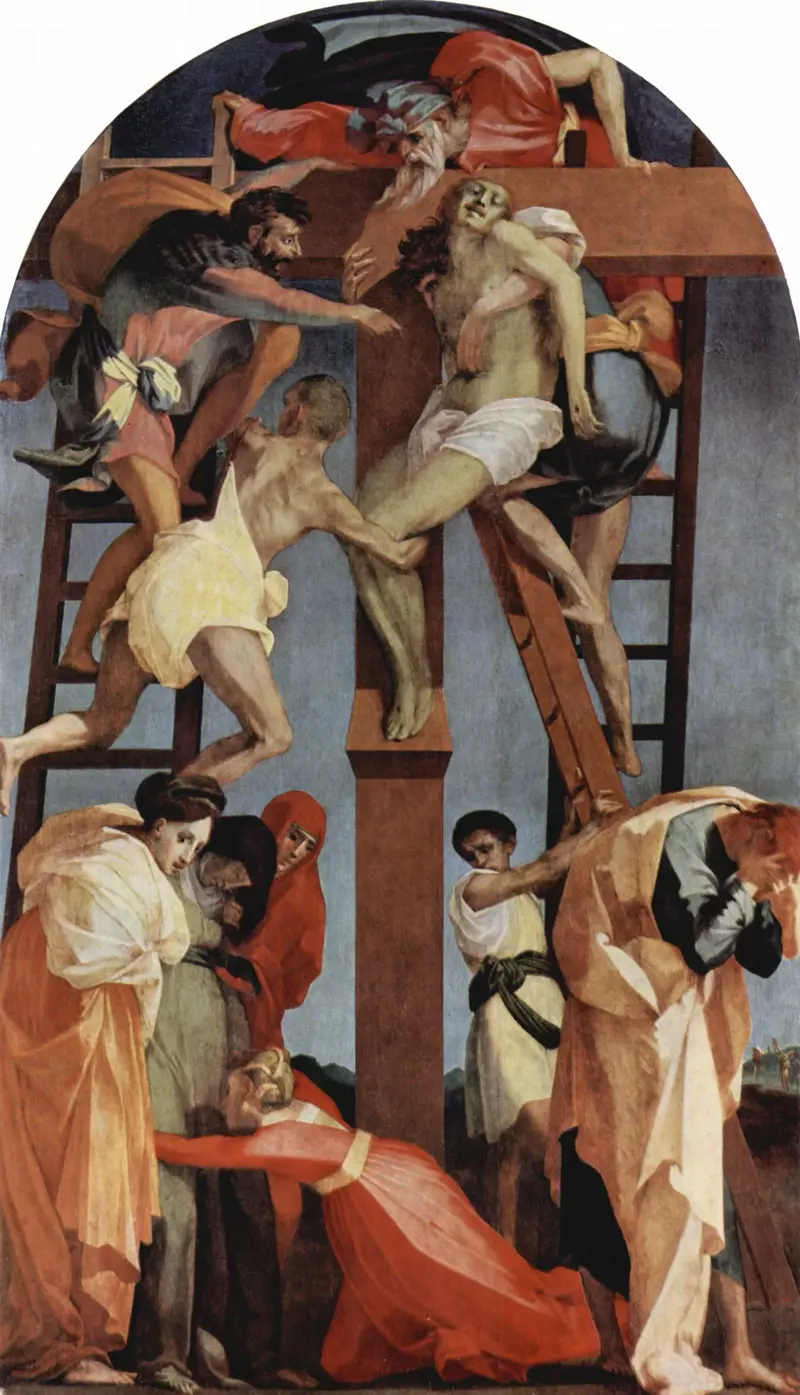
Deposition from the Cross
Rosso Fiorentino
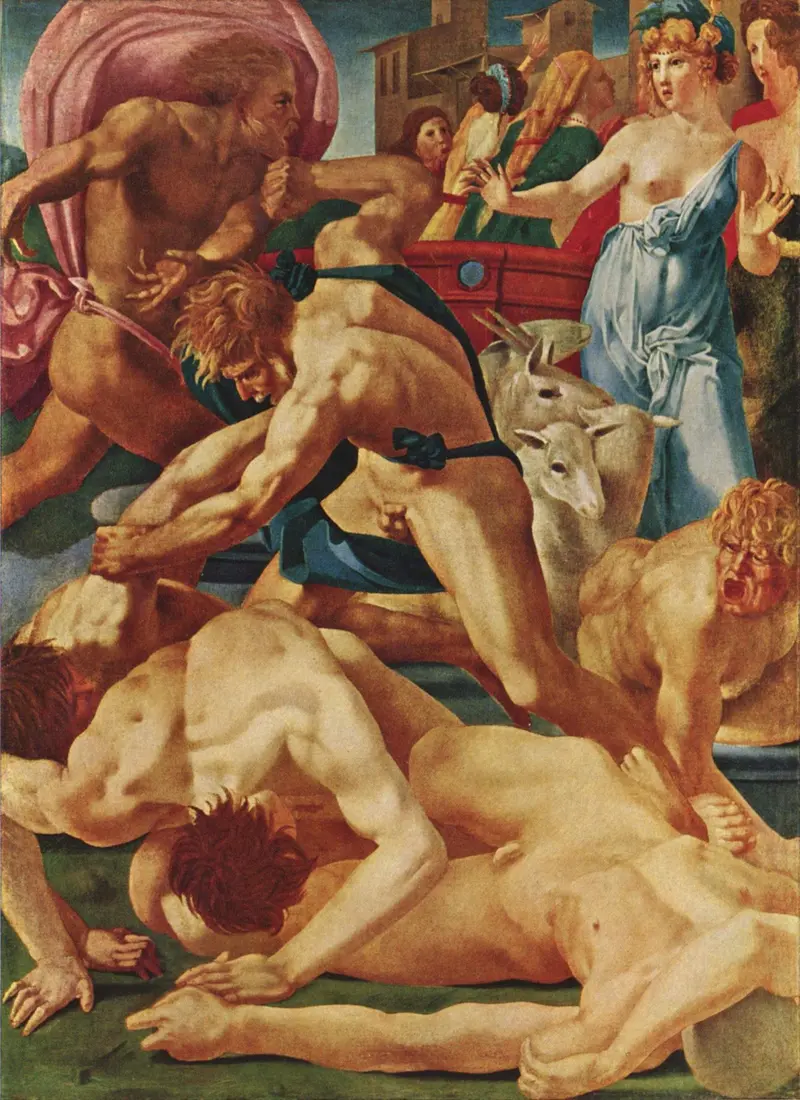
Moses Defending the Daughters of Jethro
Rosso Fiorentino

Judith with the Head of Holofernes
Rosso Fiorentino
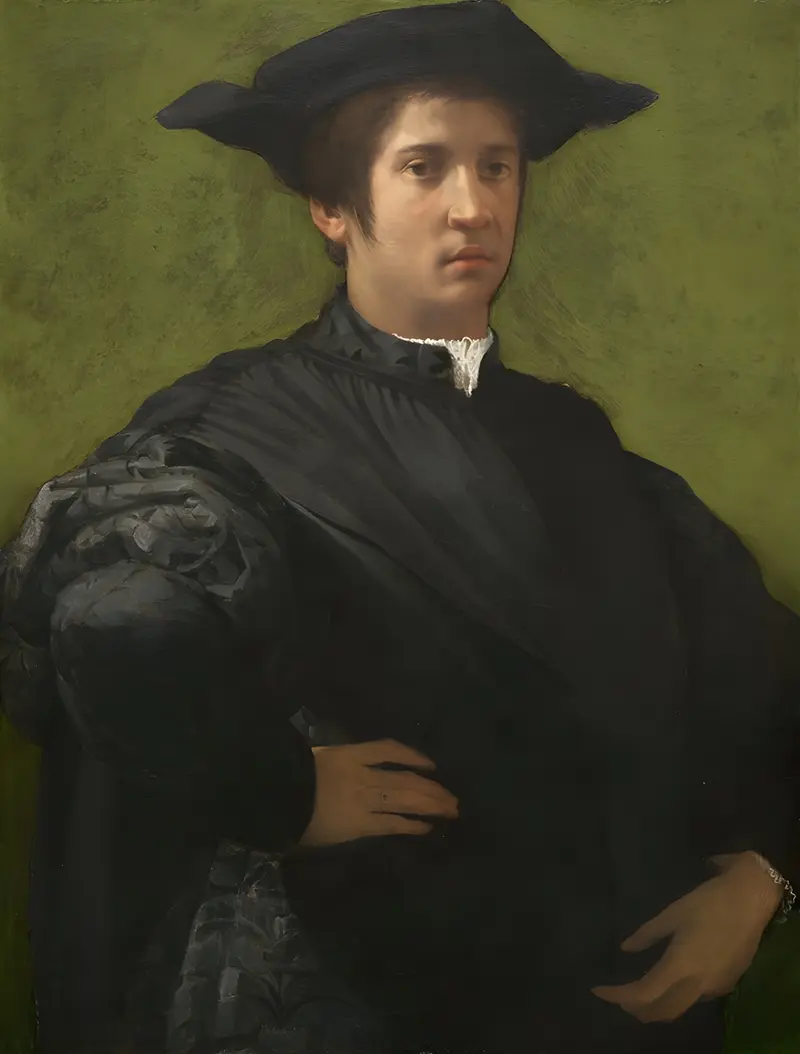
Portrait of a Man
Rosso Fiorentino
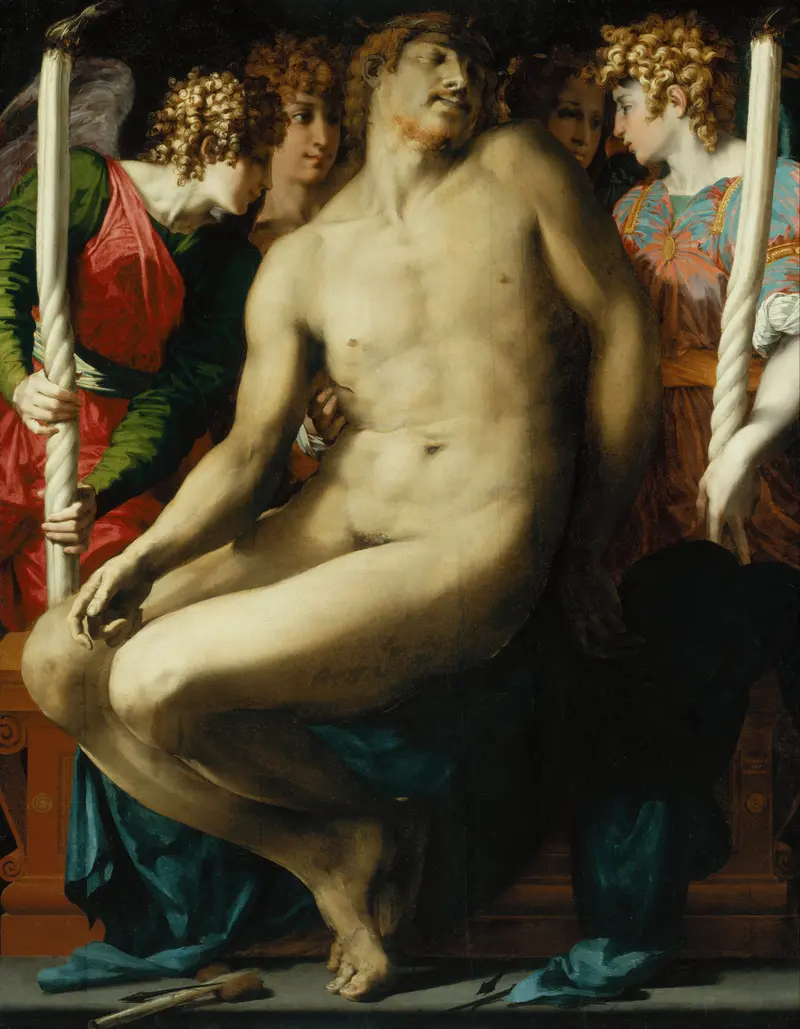
The Dead Christ with Angels
Rosso Fiorentino
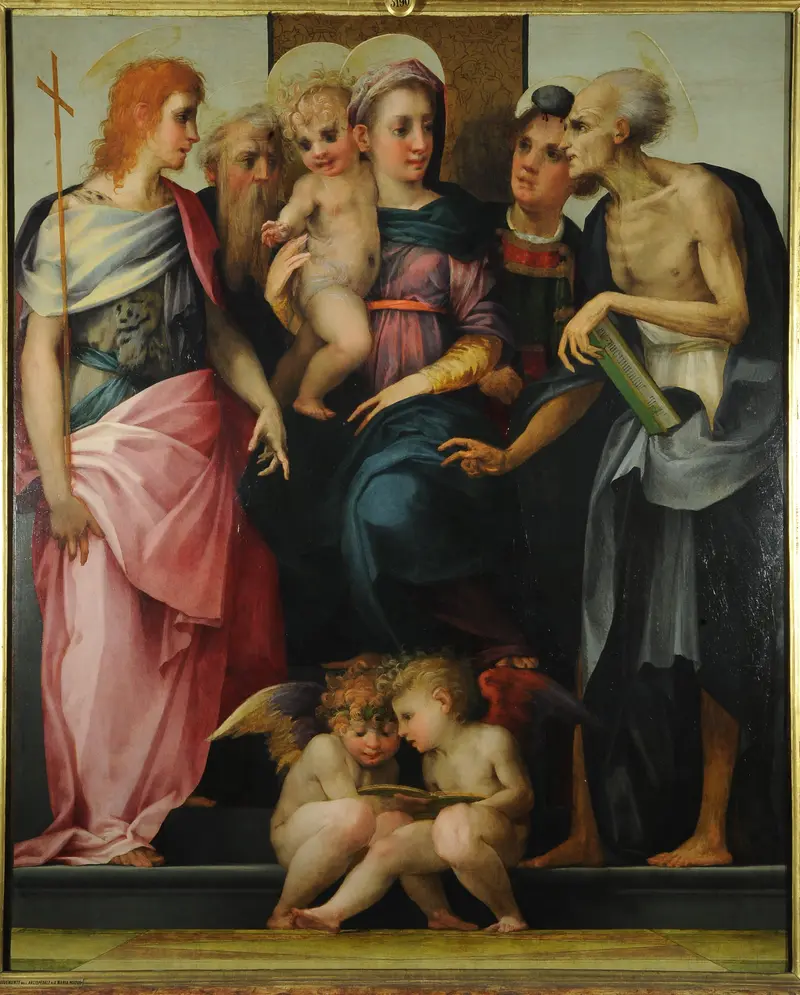
Sacred conversation with musical angels
Rosso Fiorentino
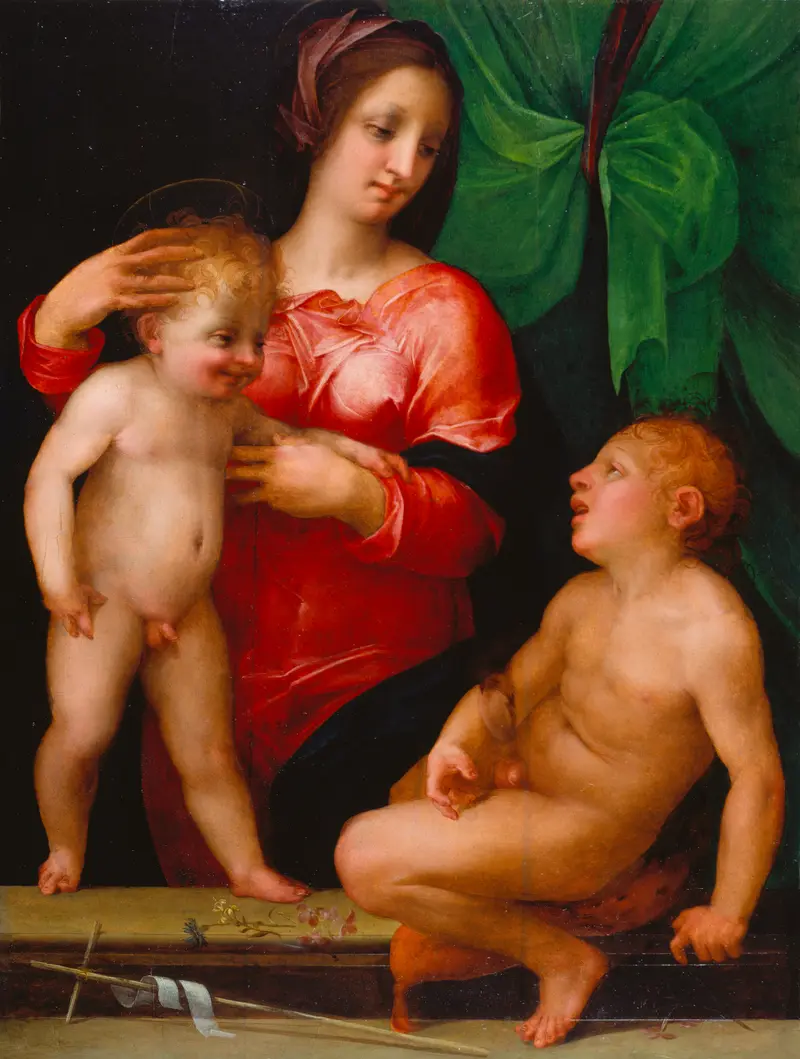
Madonna and Child with the Infant St. John
Rosso Fiorentino
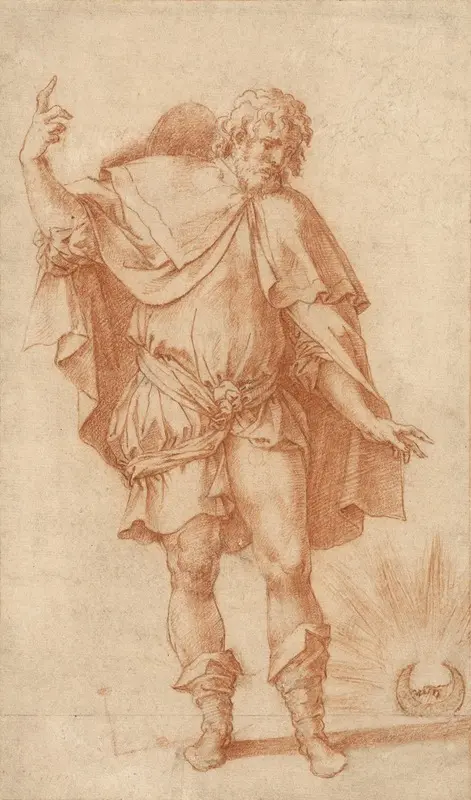
Study of a Male Figure (Empedocles or Saint Roch)
Rosso Fiorentino
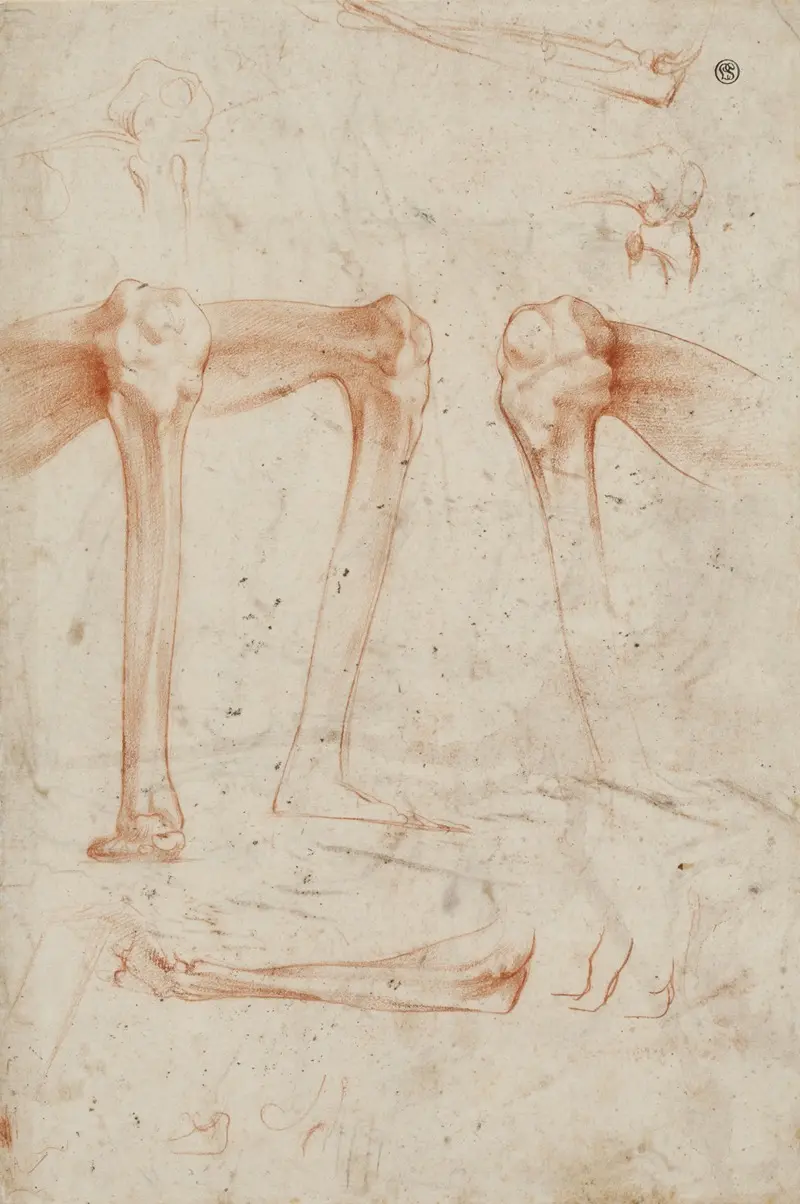
Studies of legs, knees and arms
Rosso Fiorentino
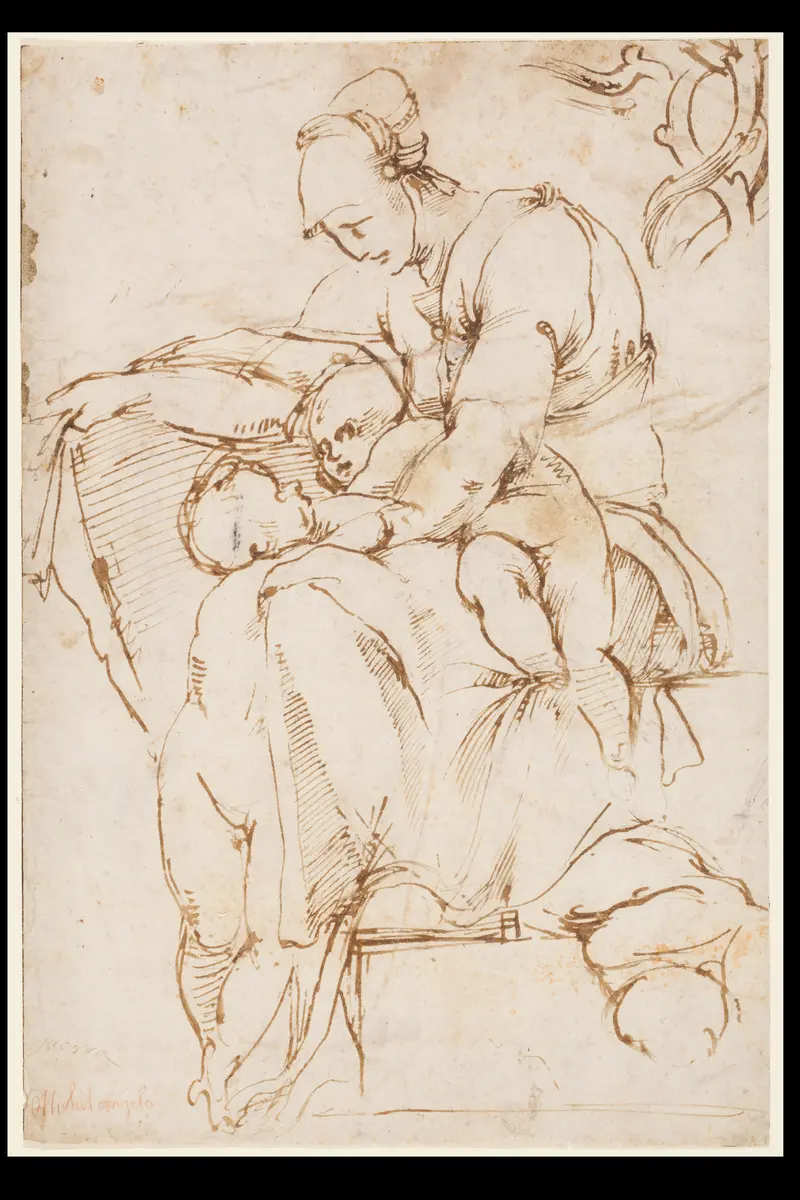
Seated Woman with Children (Caritas); branches at top right
Rosso Fiorentino





