
Portrait of a Man — History & Facts
No one knows for certain who sits for Portrait of a Man by Rosso Fiorentino, and this enigma has fueled speculation for centuries. The sitter’s identity, the date of execution, and even the painting’s original purpose remain shrouded in mystery, making it a rare puzzle among the Florentine master’s surviving works. Some have suggested it may be a lost likeness of a contemporary poet or patron, while others point to the artist’s own circle in early 16th-century Florence.
The lack of documentation has only heightened its allure, with each generation of scholars proposing new candidates and theories. In the painting, a solitary man meets the viewer’s gaze, his expression alert yet reserved. The sitter’s dark clothing, rendered with Rosso Fiorentino’s characteristic sharpness, contrasts with the pale, almost luminous face. The hands, delicately modeled, rest on the arm of a chair or perhaps a ledge, suggesting both composure and a readiness to engage.
Unlike the idealized calm of Bronzino’s portraits, Rosso’s approach is more psychological: the sitter’s slightly furrowed brow and direct look hint at a restless intelligence. The neutral background draws all attention to the face, emphasizing character over status or wealth. The painting’s early history is undocumented, and its journey through collections is as obscure as the man it depicts. It is generally agreed that the work dates from Rosso Fiorentino’s Florentine period, before his departure for Rome around 1523, but precise dating remains elusive.
Over time, the portrait has been attributed to various hands before consensus settled on Rosso, whose distinct style—angular forms, vivid presence—sets it apart from his contemporaries. Today, Portrait of a Man stands as a testament to the artist’s skill in psychological observation, and to the enduring fascination of an unanswered question.
More Artworks by Rosso Fiorentino
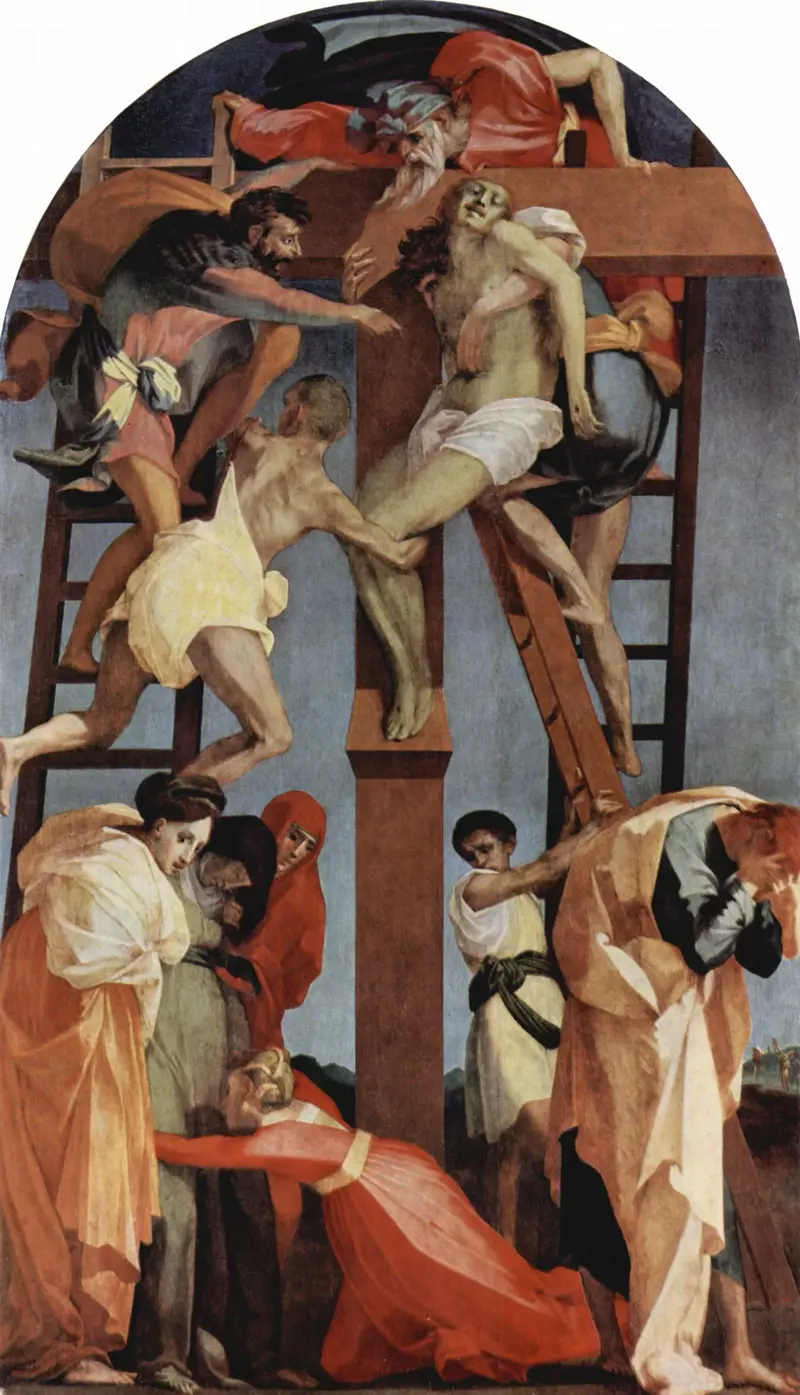
Deposition from the Cross
Rosso Fiorentino
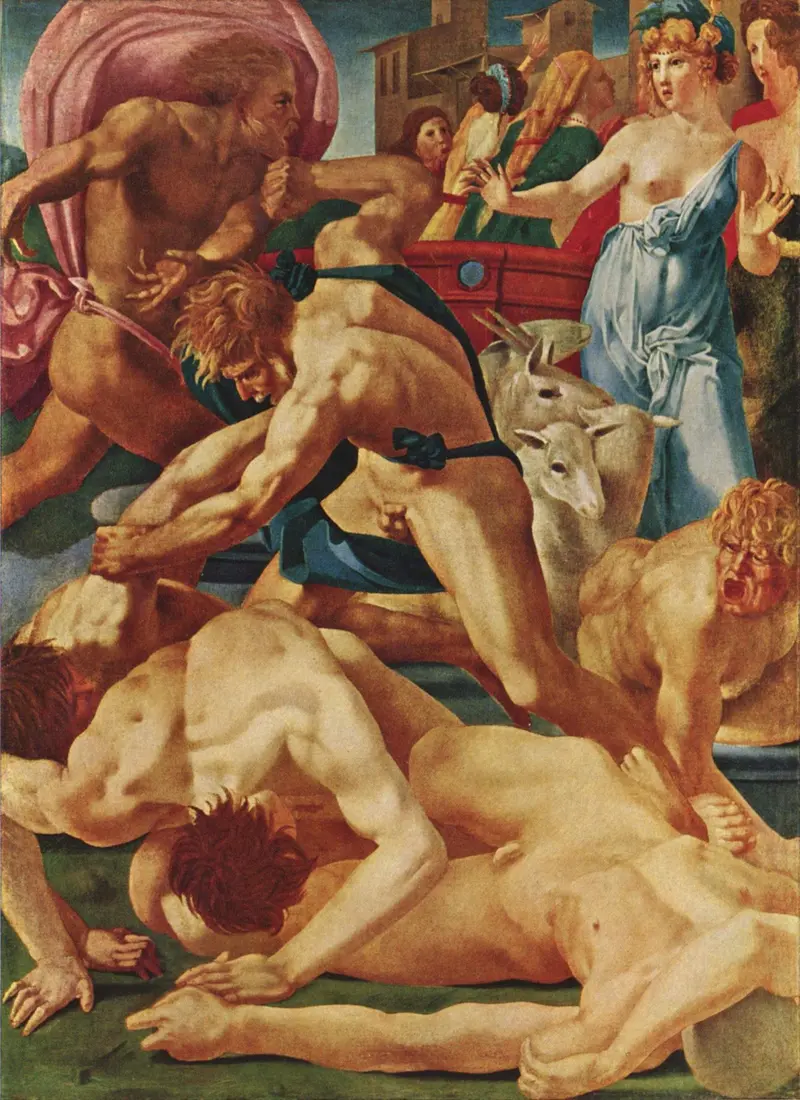
Moses Defending the Daughters of Jethro
Rosso Fiorentino

Judith with the Head of Holofernes
Rosso Fiorentino
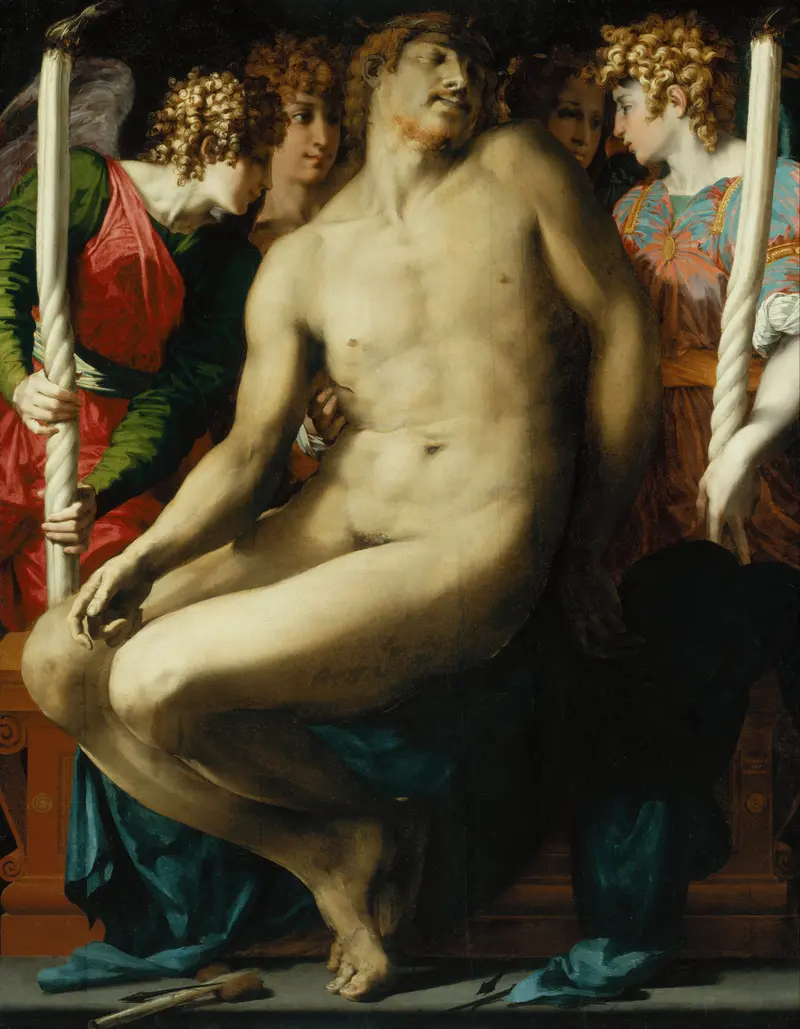
The Dead Christ with Angels
Rosso Fiorentino
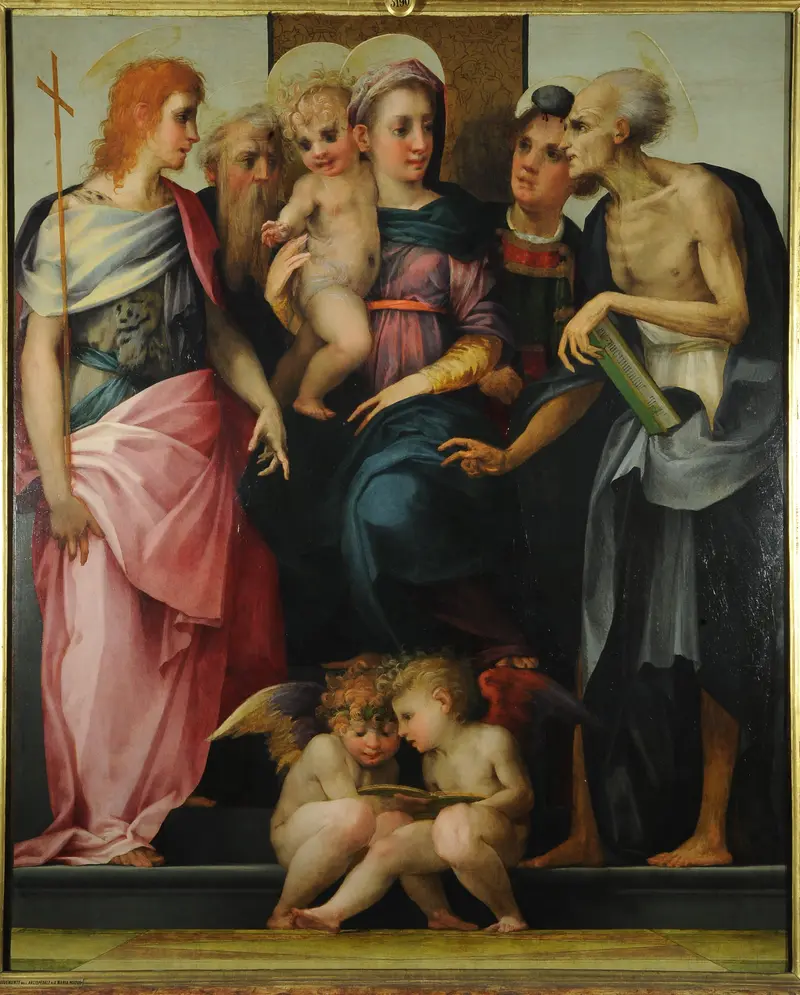
Sacred conversation with musical angels
Rosso Fiorentino
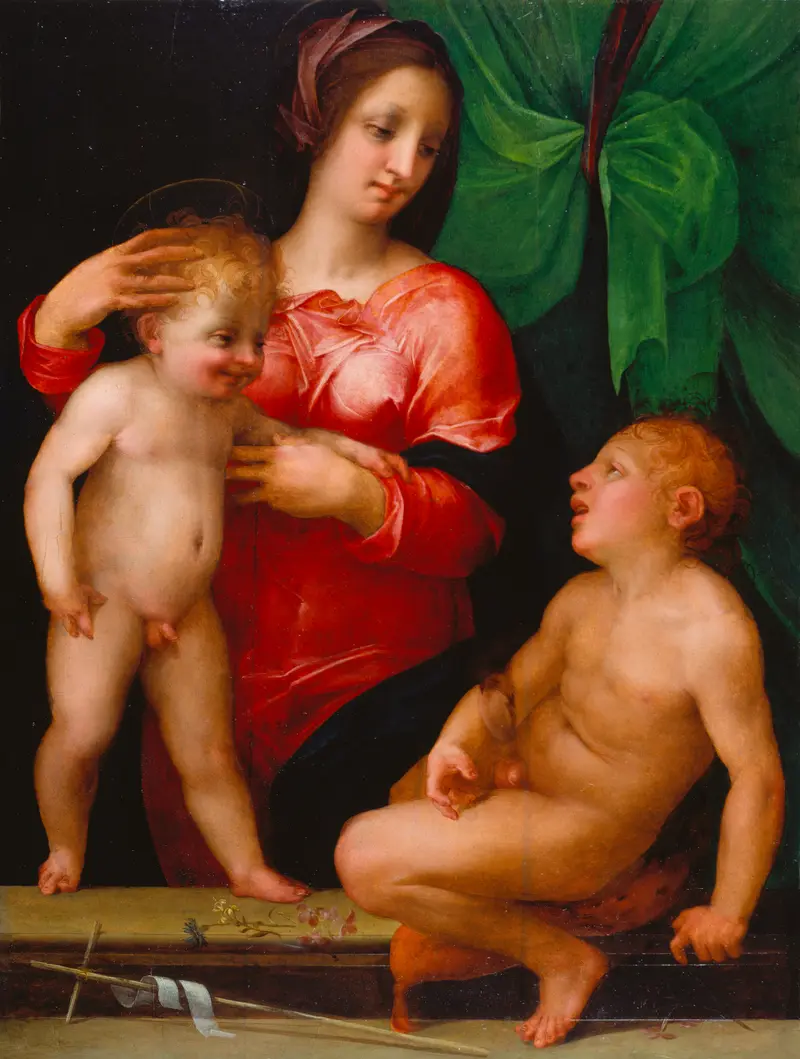
Madonna and Child with the Infant St. John
Rosso Fiorentino
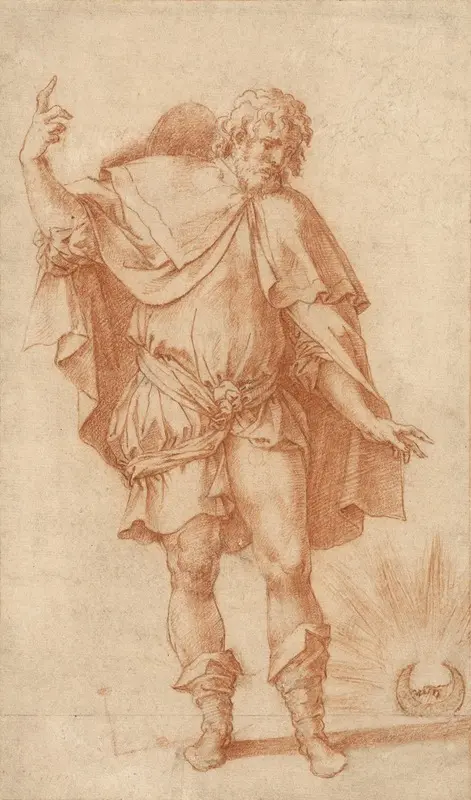
Study of a Male Figure (Empedocles or Saint Roch)
Rosso Fiorentino
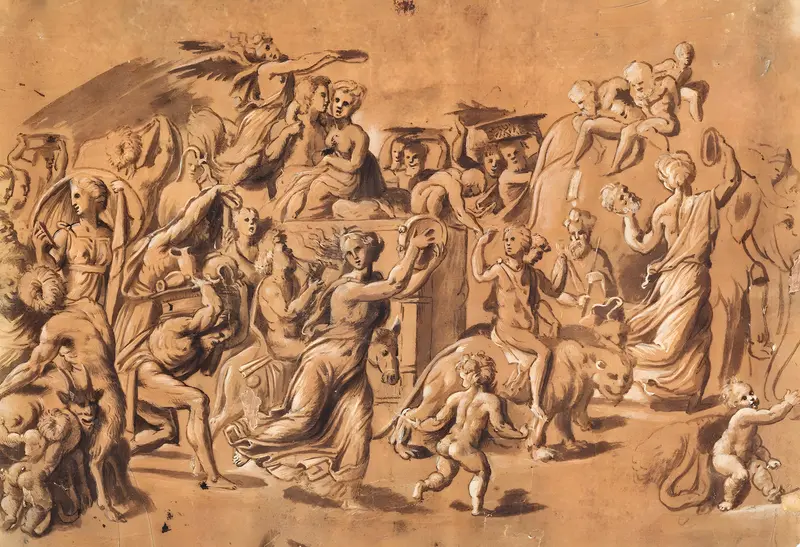
Bacchus’ triumf
Rosso Fiorentino
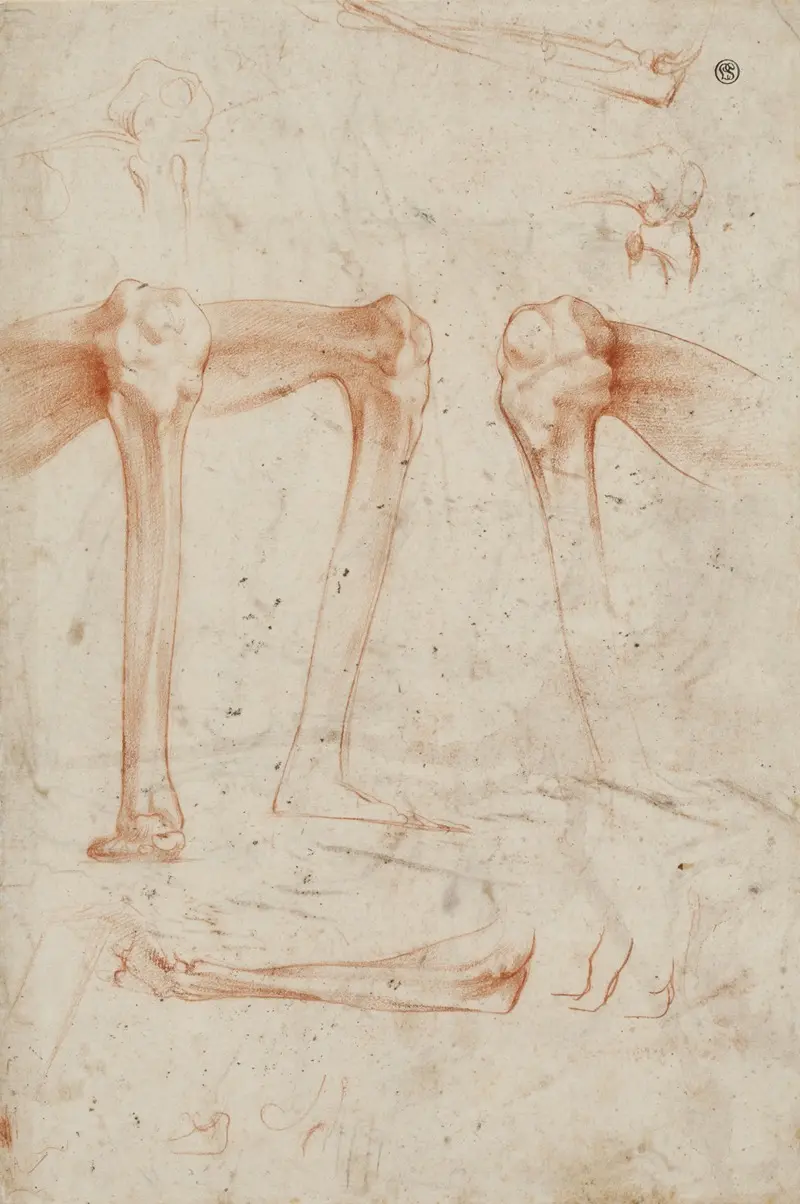
Studies of legs, knees and arms
Rosso Fiorentino
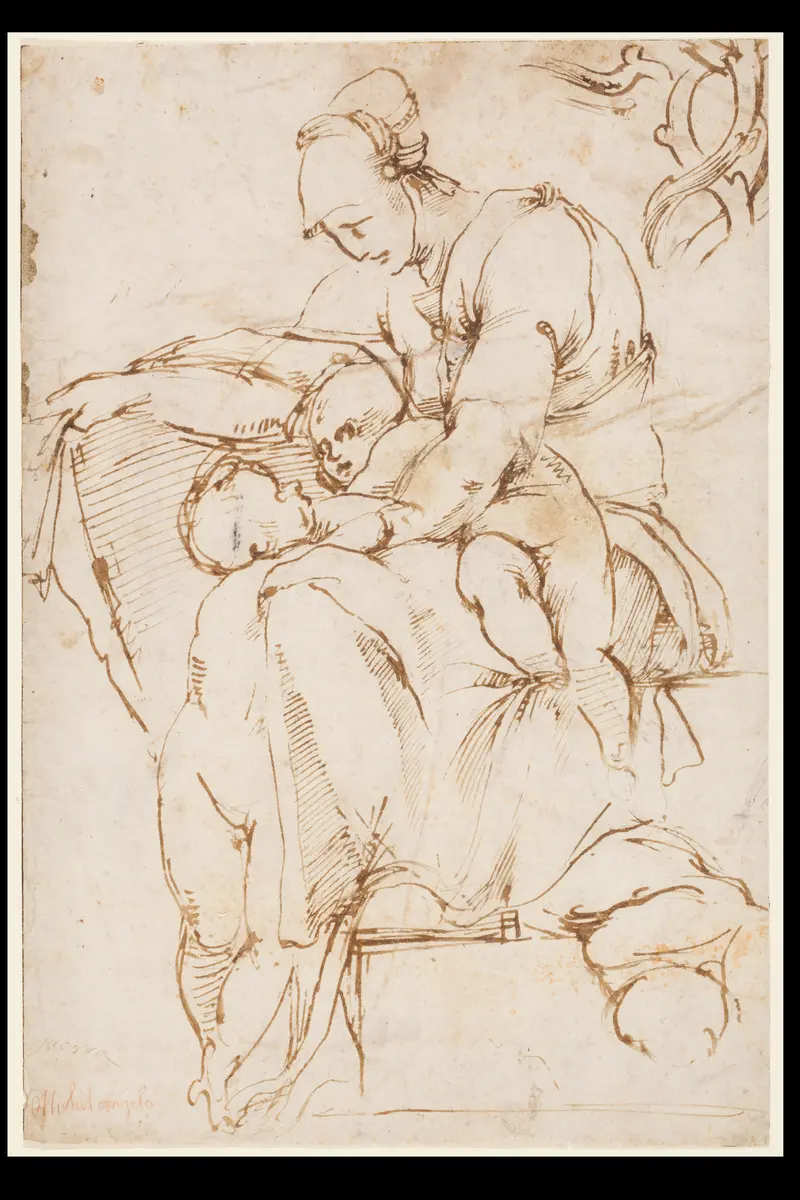
Seated Woman with Children (Caritas); branches at top right
Rosso Fiorentino





