
Sacred conversation with musical angels — History & Facts
No other artist in early sixteenth-century Florence startled his contemporaries quite like Rosso Fiorentino, whose daring color and restless compositions earned him both admiration and controversy. Sacred conversation with musical angels stands as a vivid testament to this reputation: while the precise date and commission remain uncertain, the painting’s radical energy and inventive spirit have long drawn the attention of scholars. The work’s unusual arrangement of figures and heightened emotional intensity set it apart from the more serene sacra conversazione scenes of the period, fueling debate about its intended setting and meaning. At the heart of the painting, the Virgin and Child are surrounded not by silent saints alone, but by a lively retinue of angels who play lutes and viols, their music filling the imagined air.
Rosso captures a moment of divine communion, but instead of calm harmony, he gives us a scene alive with movement: the Christ Child reaches toward a saint, the Virgin’s gaze is intent, and the angels’ faces are flushed with concentration. The vibrant, acidic colors and twisting poses recall the influence of Pontormo, but Rosso’s vision is more turbulent, the space less stable. The musical instruments, rendered with care, signal the celestial nature of this gathering, while the saints’ gestures—one pointing heavenward, another lost in thought—invite the viewer to ponder the mysteries unfolding before them. The painting’s early history is shrouded in uncertainty; no contemporary documents record its commission or original location, though its style suggests it was created during Rosso’s Florentine years, before his departure for Rome.
Over the centuries, the work has been attributed to various hands, but consensus now firmly places it among Rosso’s most original religious paintings. Today, Sacred conversation with musical angels is recognized as a key example of the expressive potential of the Mannerist movement, bridging the gap between the balanced harmony of the High Renaissance and the more experimental spirit that followed. Its journey from private devotion to public admiration mirrors the shifting fortunes of its creator, whose restless genius continues to fascinate.
More Artworks by Rosso Fiorentino
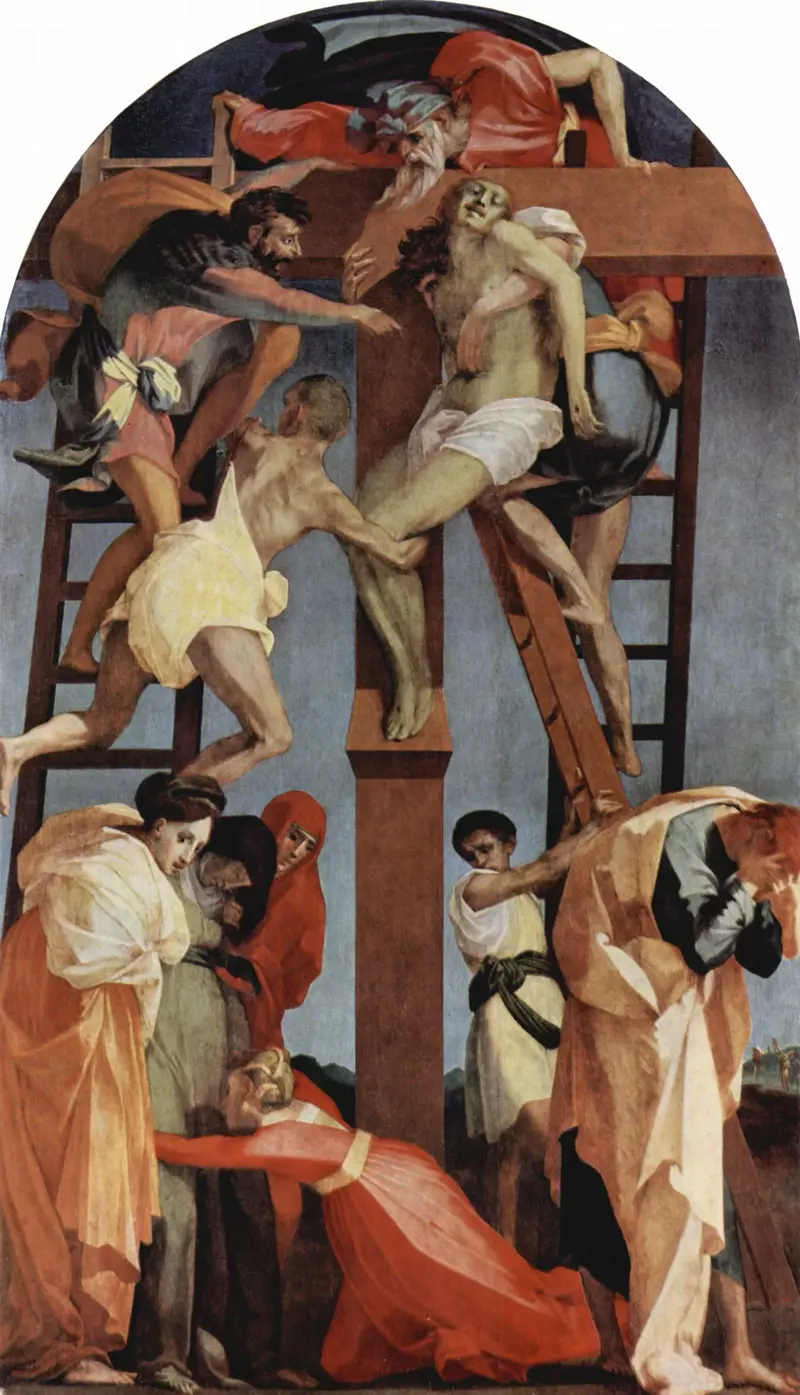
Deposition from the Cross
Rosso Fiorentino
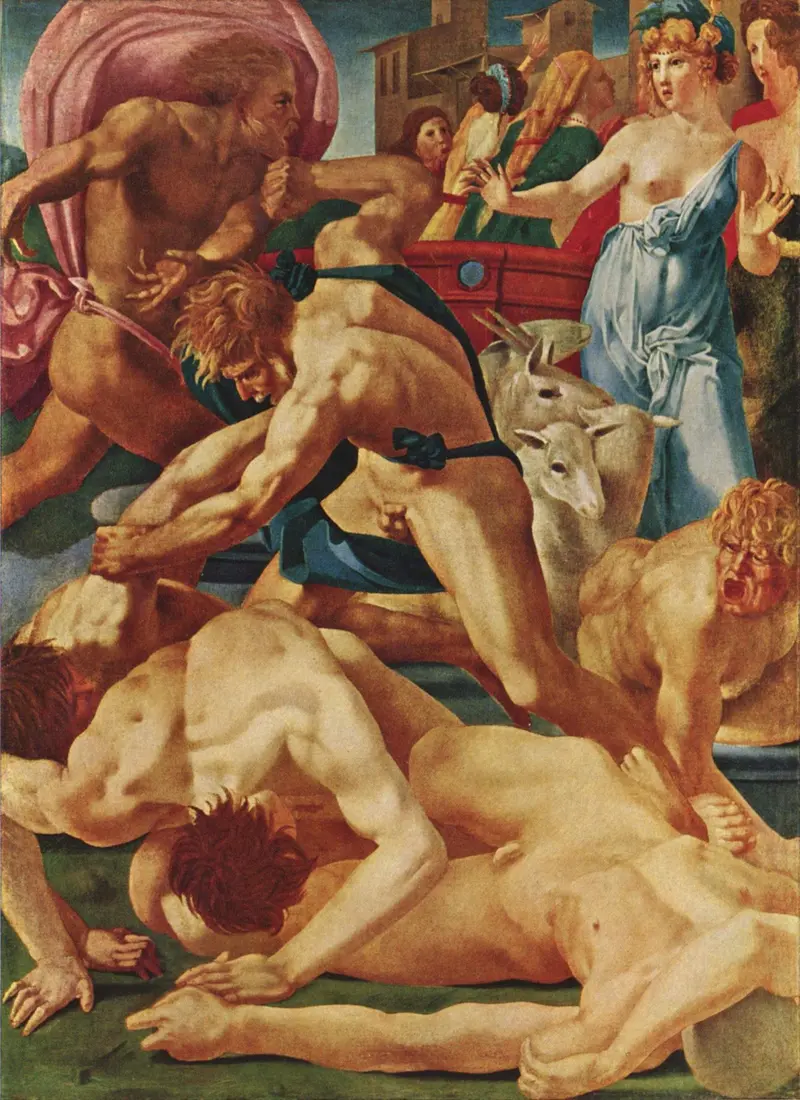
Moses Defending the Daughters of Jethro
Rosso Fiorentino

Judith with the Head of Holofernes
Rosso Fiorentino
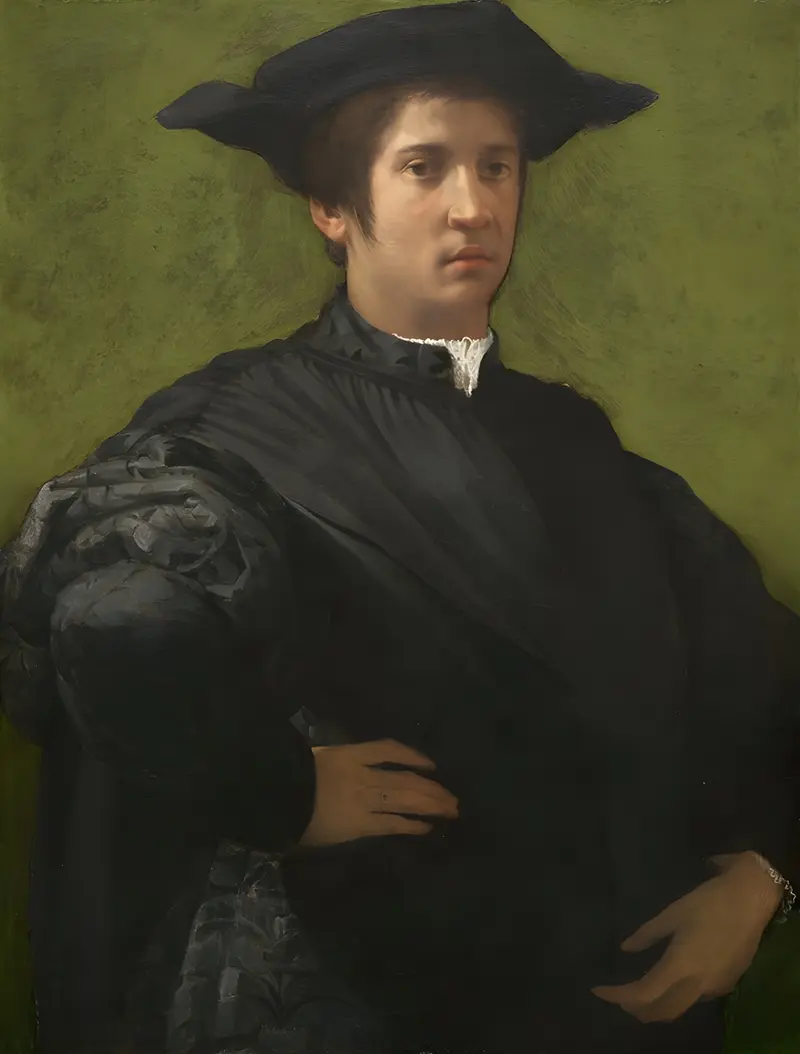
Portrait of a Man
Rosso Fiorentino
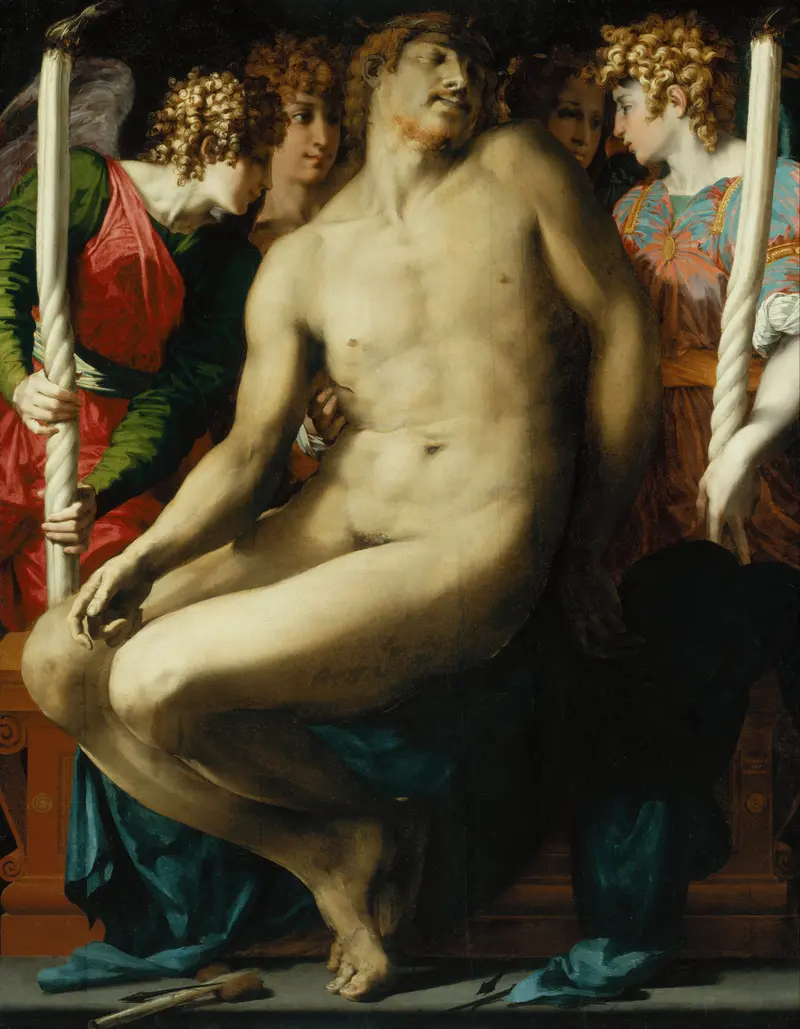
The Dead Christ with Angels
Rosso Fiorentino
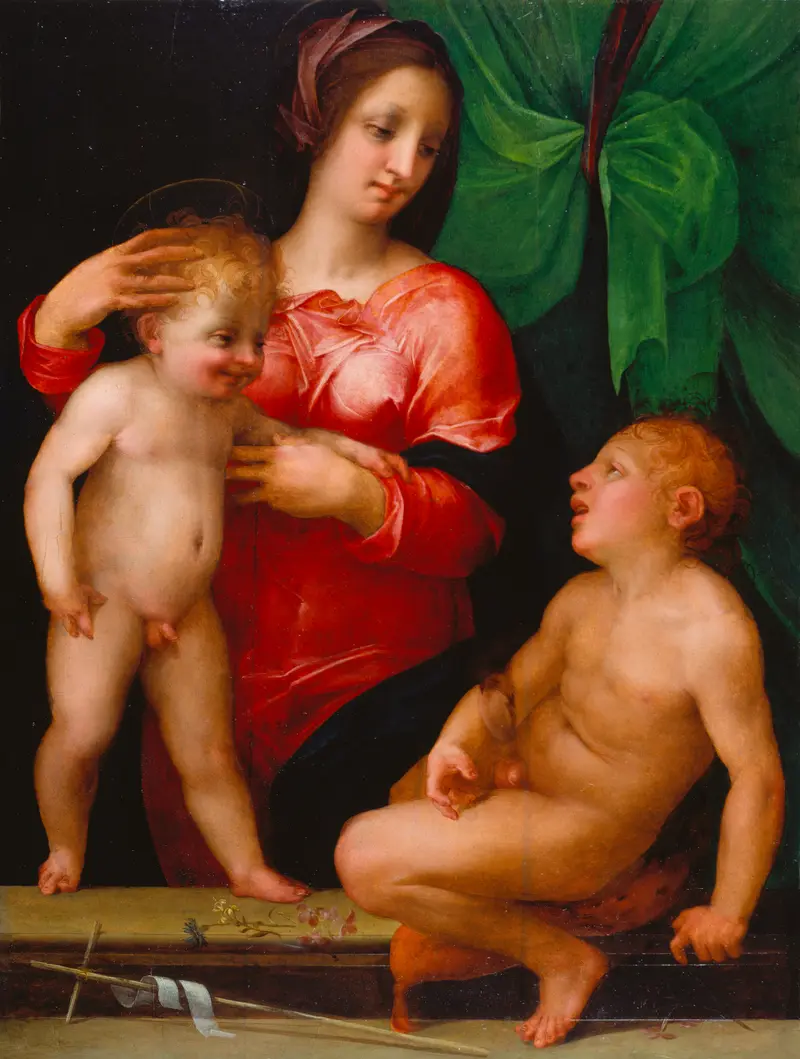
Madonna and Child with the Infant St. John
Rosso Fiorentino
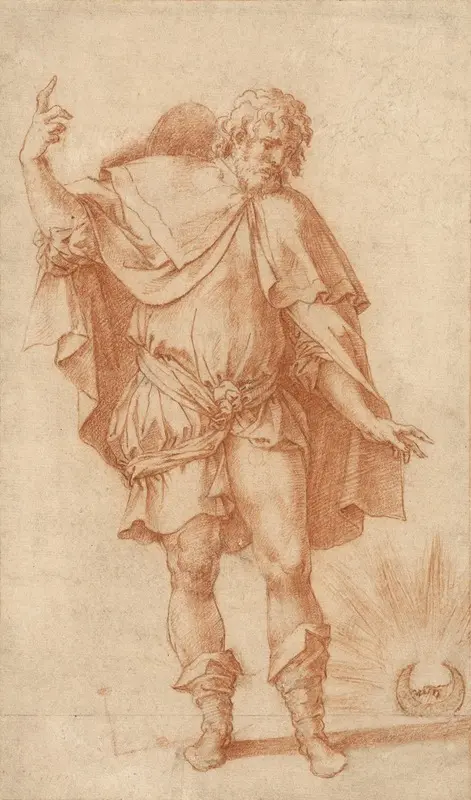
Study of a Male Figure (Empedocles or Saint Roch)
Rosso Fiorentino
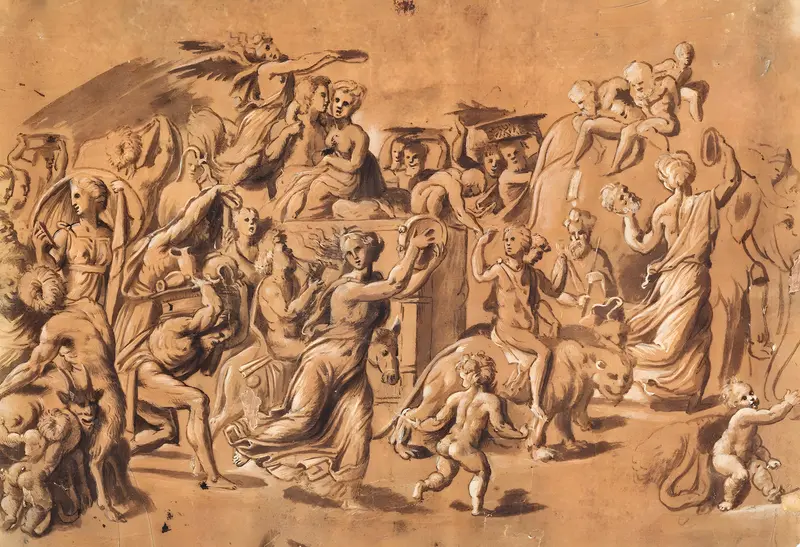
Bacchus’ triumf
Rosso Fiorentino
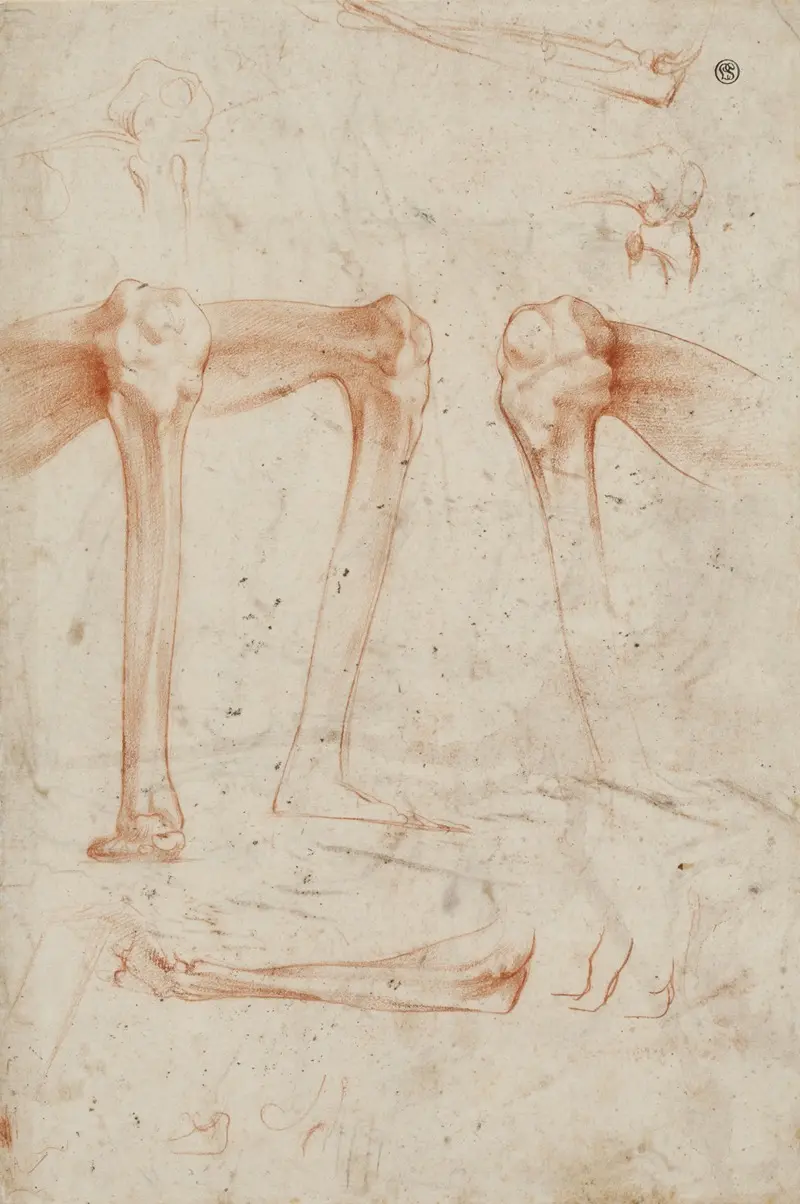
Studies of legs, knees and arms
Rosso Fiorentino
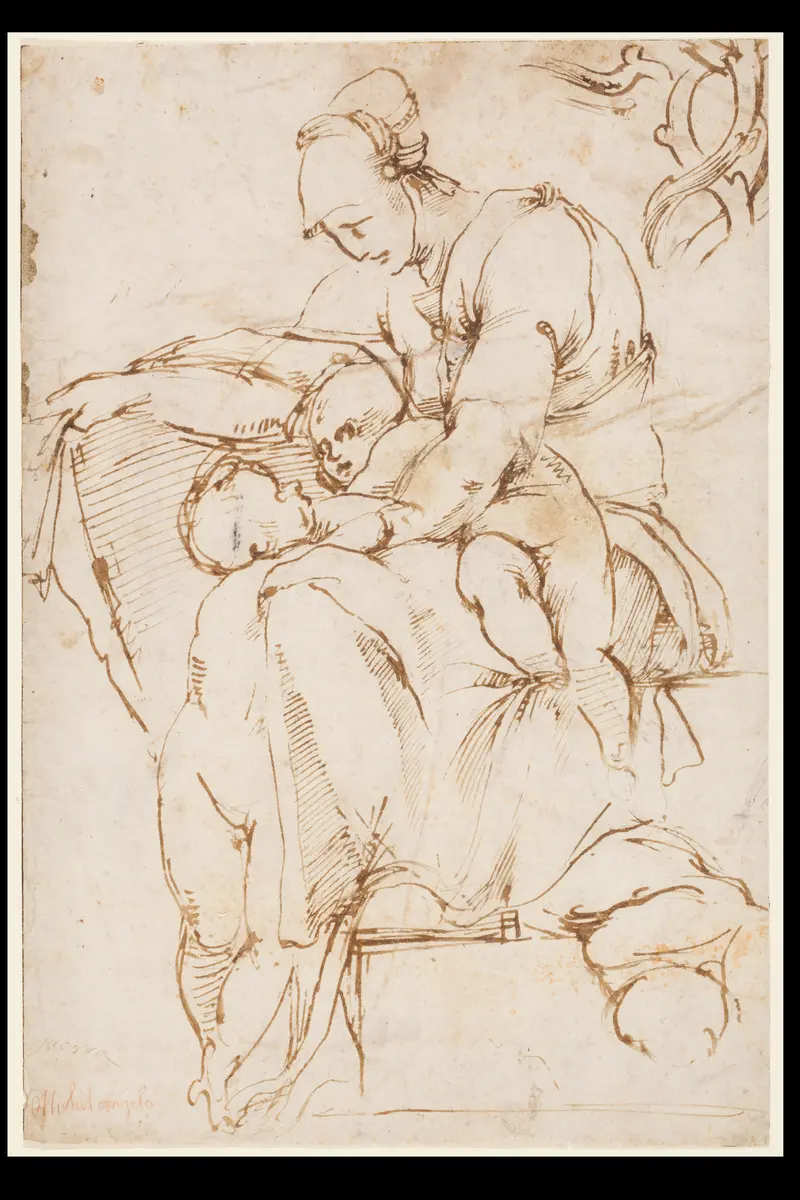
Seated Woman with Children (Caritas); branches at top right
Rosso Fiorentino





