
Judith with the Head of Holofernes — History & Facts
Few biblical tales have inspired as much artistic rivalry and fascination as the story of Judith, and Judith with the Head of Holofernes by Rosso Fiorentino stands out for its fierce psychological intensity. Unlike the more serene or triumphant depictions by his contemporaries, Rosso chose to plunge the viewer into the charged aftermath of the act, a moment that Renaissance audiences would have recognized as both heroic and unsettling. The painting’s date and original patron remain uncertain, adding to its air of mystery and inviting speculation about its intended message and audience. Judith, the widow-turned-heroine, has just beheaded the Assyrian general Holofernes to save her besieged city of Bethulia.
In Rosso Fiorentino’s vision, she stands gripping the sword, her expression caught between exhaustion and grim resolve, while the severed head of Holofernes lies heavy in her grasp. The sharp contrasts of light and shadow carve out Judith’s tense features, and the vivid red of her garment echoes both violence and sacrifice. Unlike Caravaggio’s later, more theatrical Judith Beheading Holofernes, Rosso’s Judith is less an avenging angel than a woman burdened by the weight of her deed, her gaze averted, inviting the viewer to contemplate the cost of her courage. Although little is known about the early life of this painting, it is characteristic of Rosso Fiorentino’s Mannerist period, marked by elongated forms and emotional drama.
The lack of documentation about its commission or early ownership has led scholars to place it within a broader tradition of Florentine interpretations of Judith, noting its stylistic affinities with works Rosso produced after his return from Rome. Today, the painting’s precise provenance remains unclear, but its bold style and psychological depth secure its place as a striking example of Rosso Fiorentino’s contribution to the evolving visual language of the early sixteenth century.
More Artworks by Rosso Fiorentino
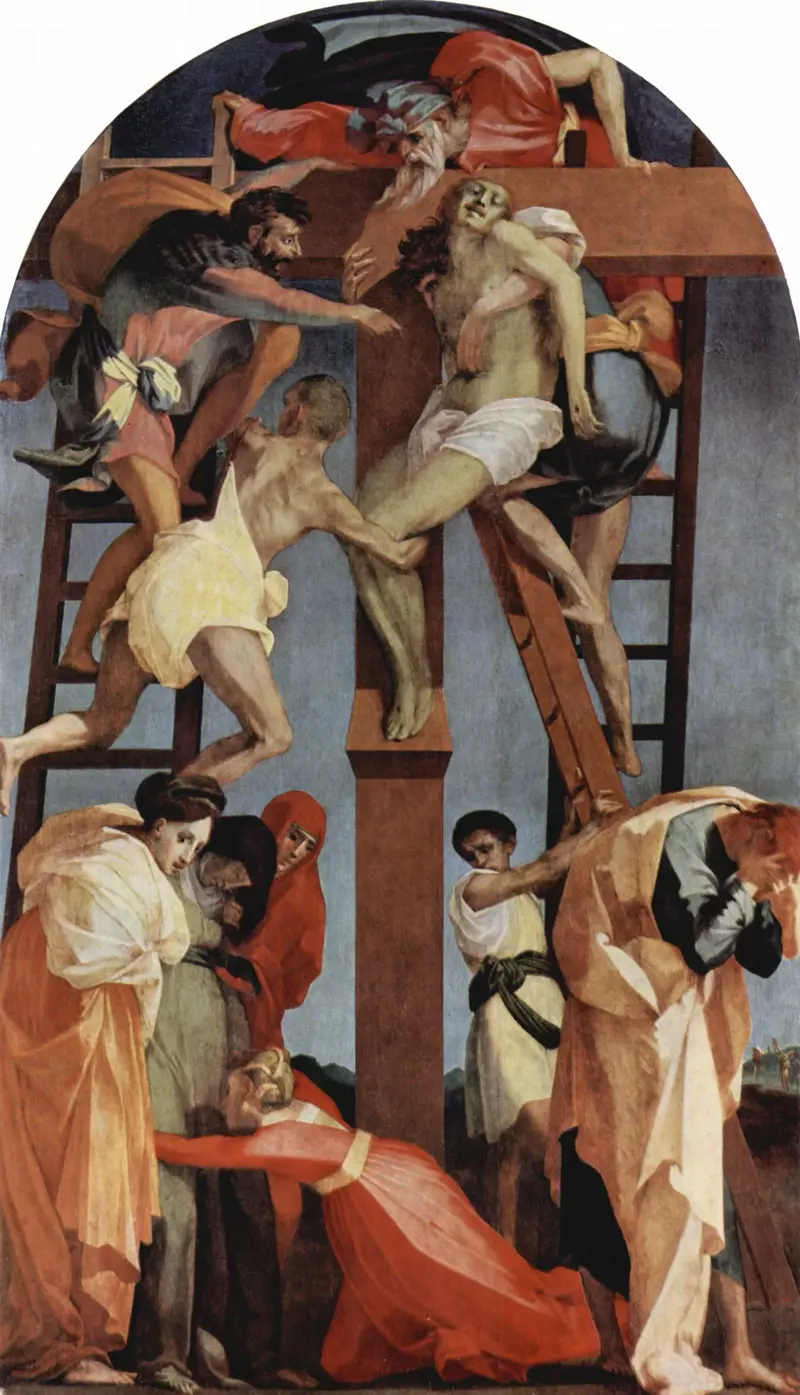
Deposition from the Cross
Rosso Fiorentino
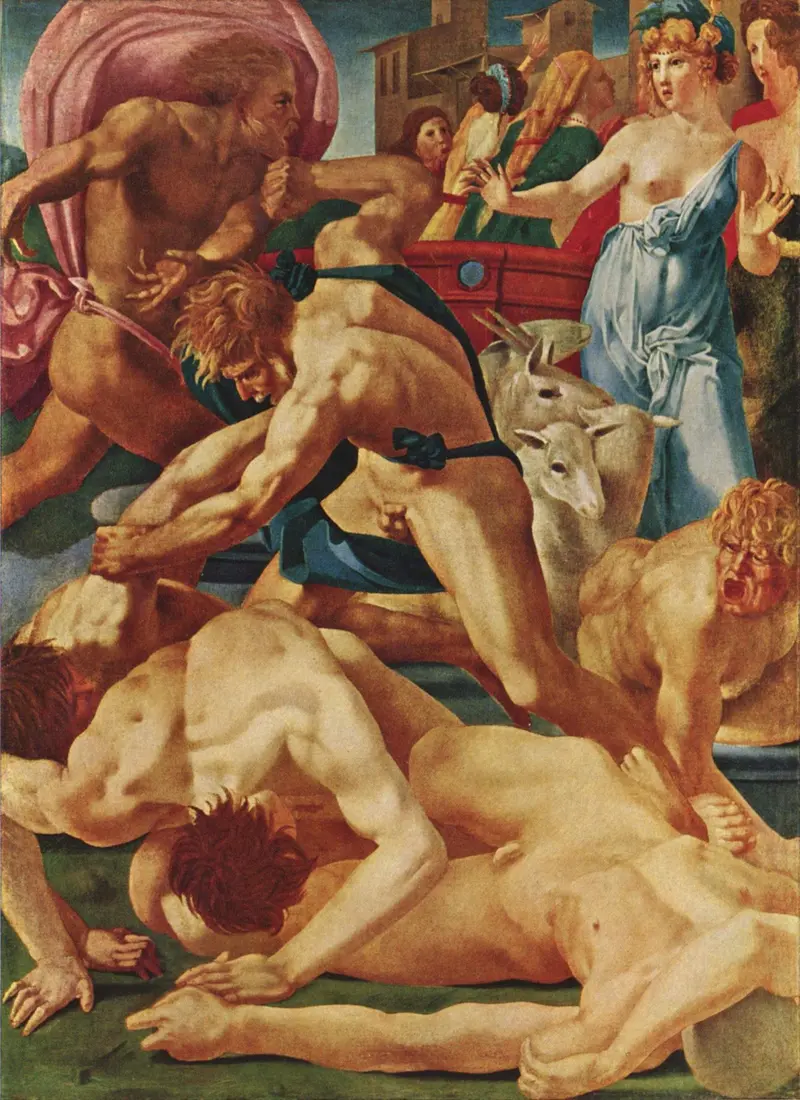
Moses Defending the Daughters of Jethro
Rosso Fiorentino
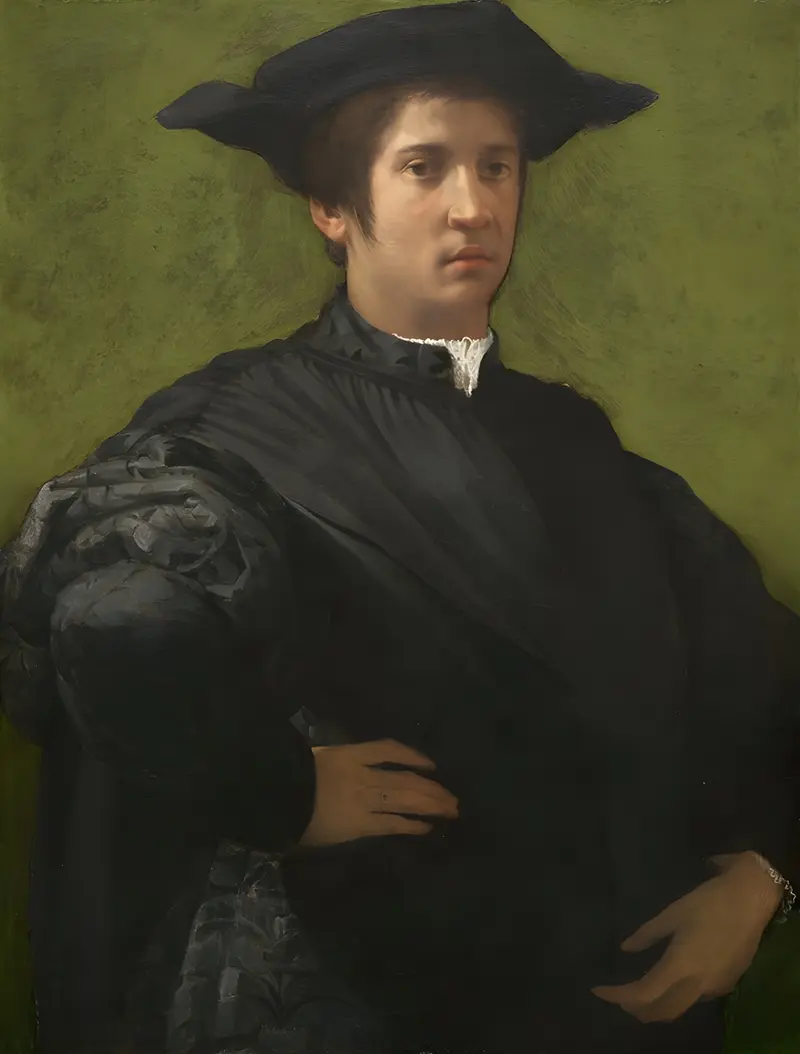
Portrait of a Man
Rosso Fiorentino
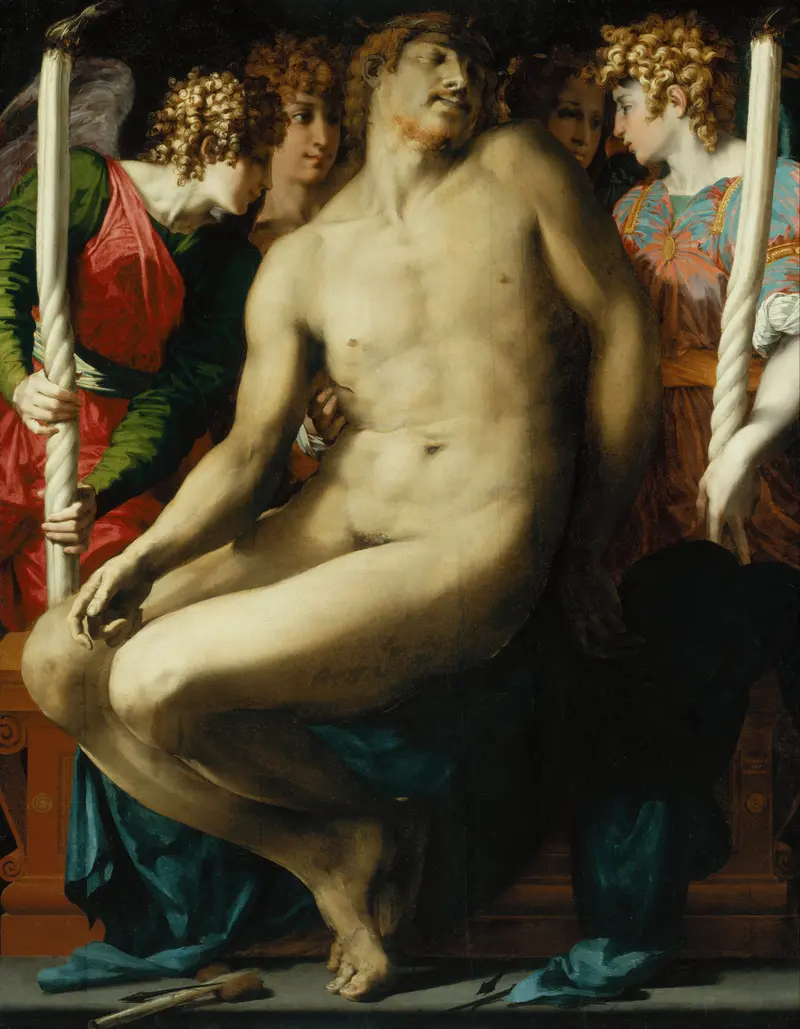
The Dead Christ with Angels
Rosso Fiorentino
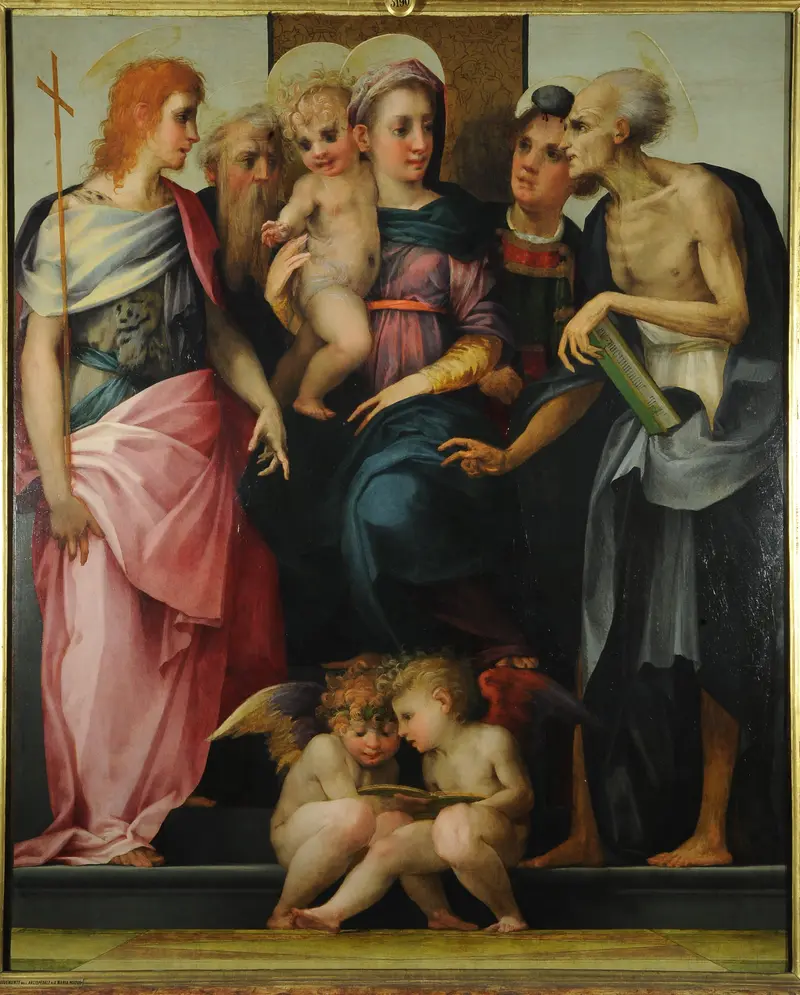
Sacred conversation with musical angels
Rosso Fiorentino
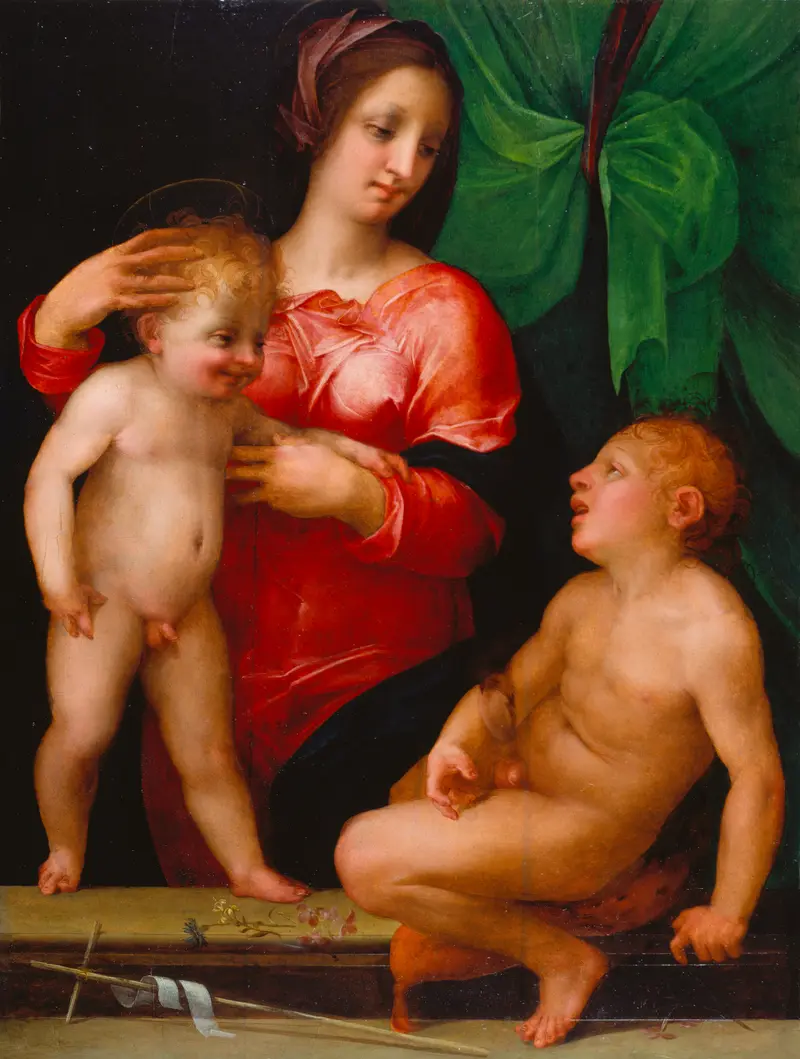
Madonna and Child with the Infant St. John
Rosso Fiorentino
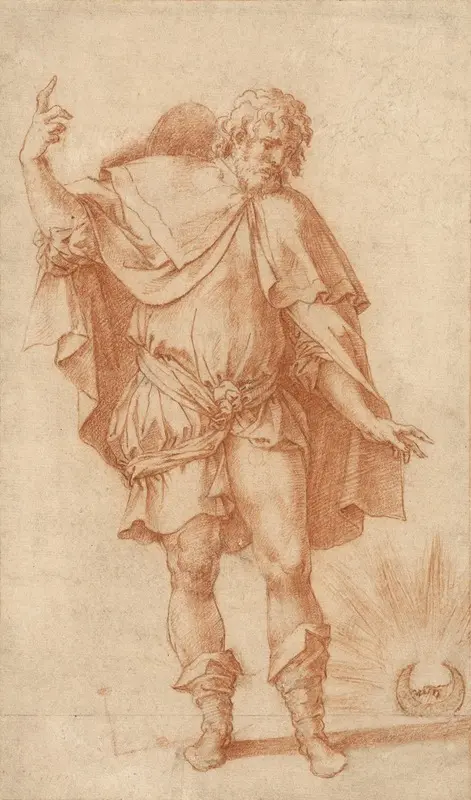
Study of a Male Figure (Empedocles or Saint Roch)
Rosso Fiorentino
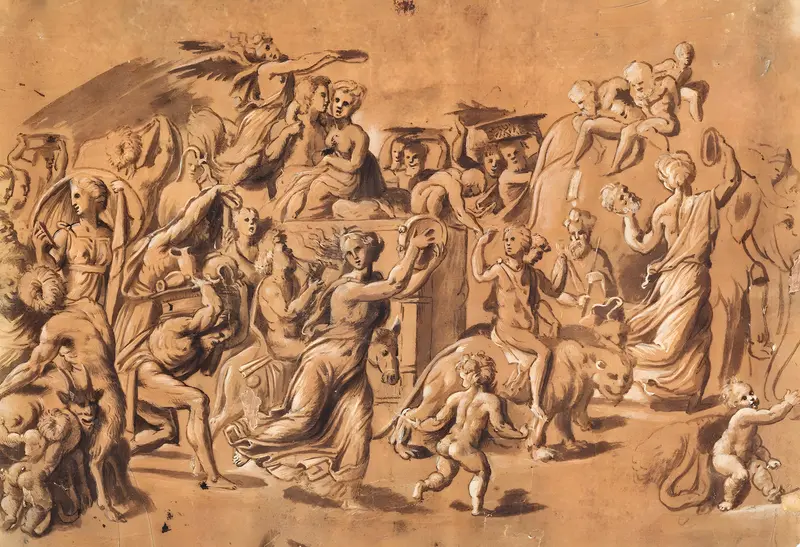
Bacchus’ triumf
Rosso Fiorentino
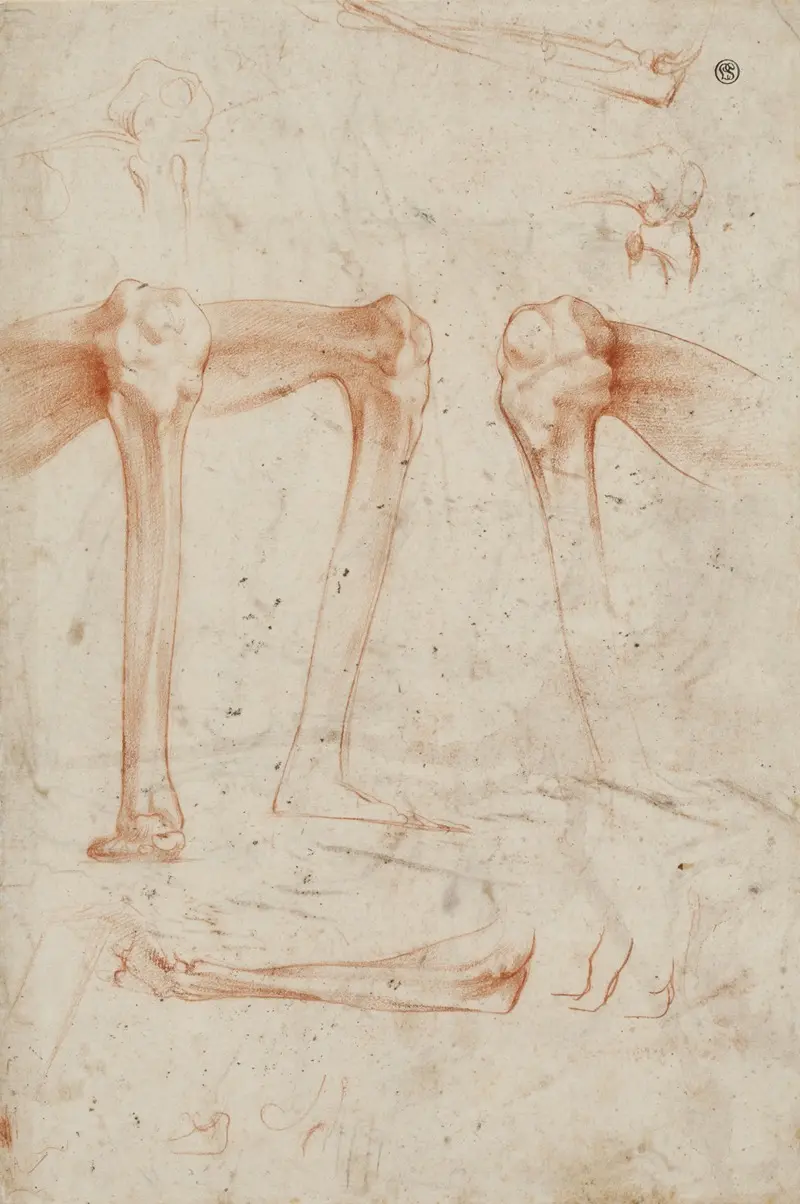
Studies of legs, knees and arms
Rosso Fiorentino
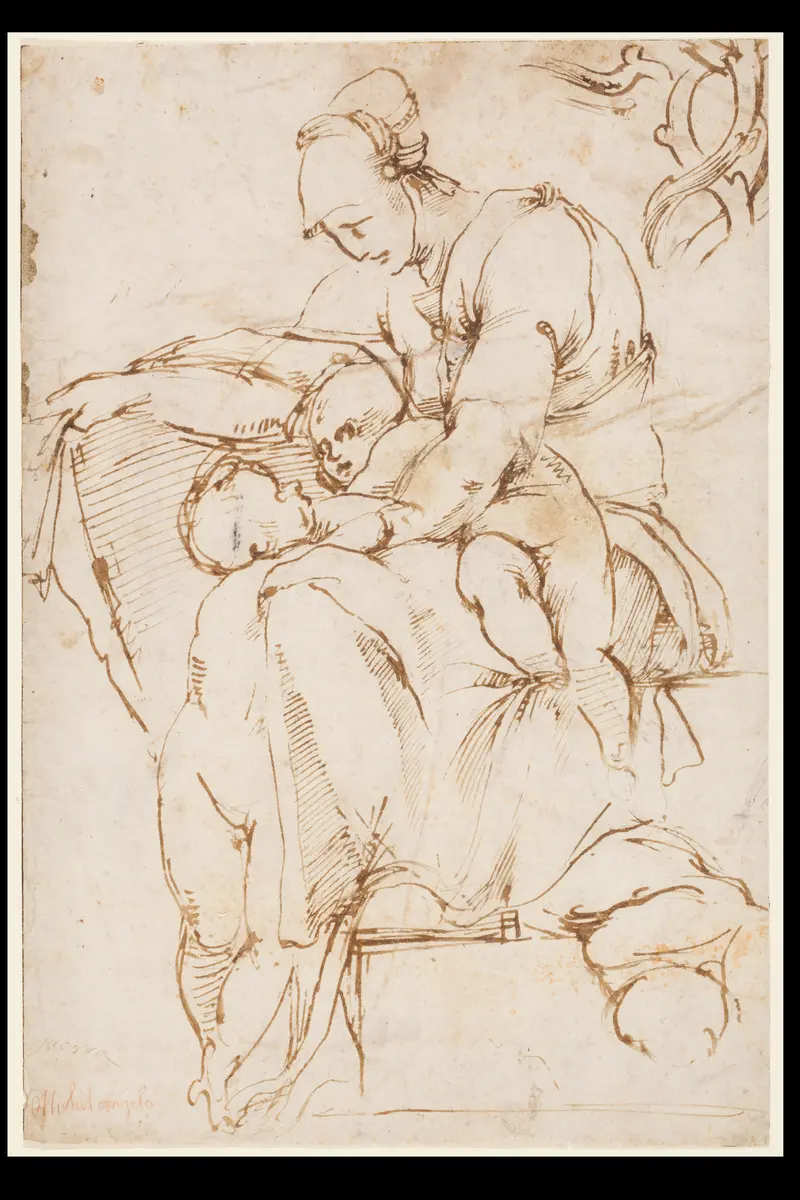
Seated Woman with Children (Caritas); branches at top right
Rosso Fiorentino





