
Seated Woman with Children (Caritas); branches at top right — History & Facts
No other work by Rosso Fiorentino has sparked as much debate among art historians as Seated Woman with Children (Caritas); branches at top right. For centuries, its date, purpose, and even its medium have eluded scholars, making it a touchstone for discussions about attribution and the shifting boundaries of the Mannerist style. The theme of Caritas—charity, the highest of the theological virtues—was a favorite in Renaissance Florence, yet Fiorentino’s interpretation is unusually intimate and enigmatic.
Some have speculated that the painting was intended as a private devotional image, while others see it as a study for a larger altarpiece that never materialized. At the heart of the composition sits a woman, serene yet alert, her arms gently enfolding two children who press close to her. The children’s gestures—one clinging, the other reaching upward—capture the dual nature of charity: both nurturing and aspirational. The branches at the top right, a detail unique to this version, may symbolize the Tree of Life or hint at the sheltering aspect of maternal love.
Fiorentino’s bold contours and acidic color harmonies set this work apart from the more placid Caritas scenes of Andrea del Sarto, whose figures exude calm, whereas Fiorentino’s are charged with nervous energy and psychological depth. The woman’s sidelong glance and the children’s restless movement suggest a moment suspended between care and uncertainty. The painting’s early history remains obscure, with no surviving records of commission or original location. Its style and iconography place it firmly within Fiorentino’s Florentine period, before his departure for France in the 1530s.
Over time, Seated Woman with Children (Caritas) has been attributed to various hands, but consensus now credits it to Fiorentino, thanks in part to technical studies comparing it to his documented works. Today, the painting is recognized as a key example of early Mannerism, reflecting the experimental spirit that would define Fiorentino’s later career. Its journey from obscurity to scholarly attention mirrors the fortunes of its creator—an artist once overshadowed, now celebrated for his restless invention.
More Artworks by Rosso Fiorentino
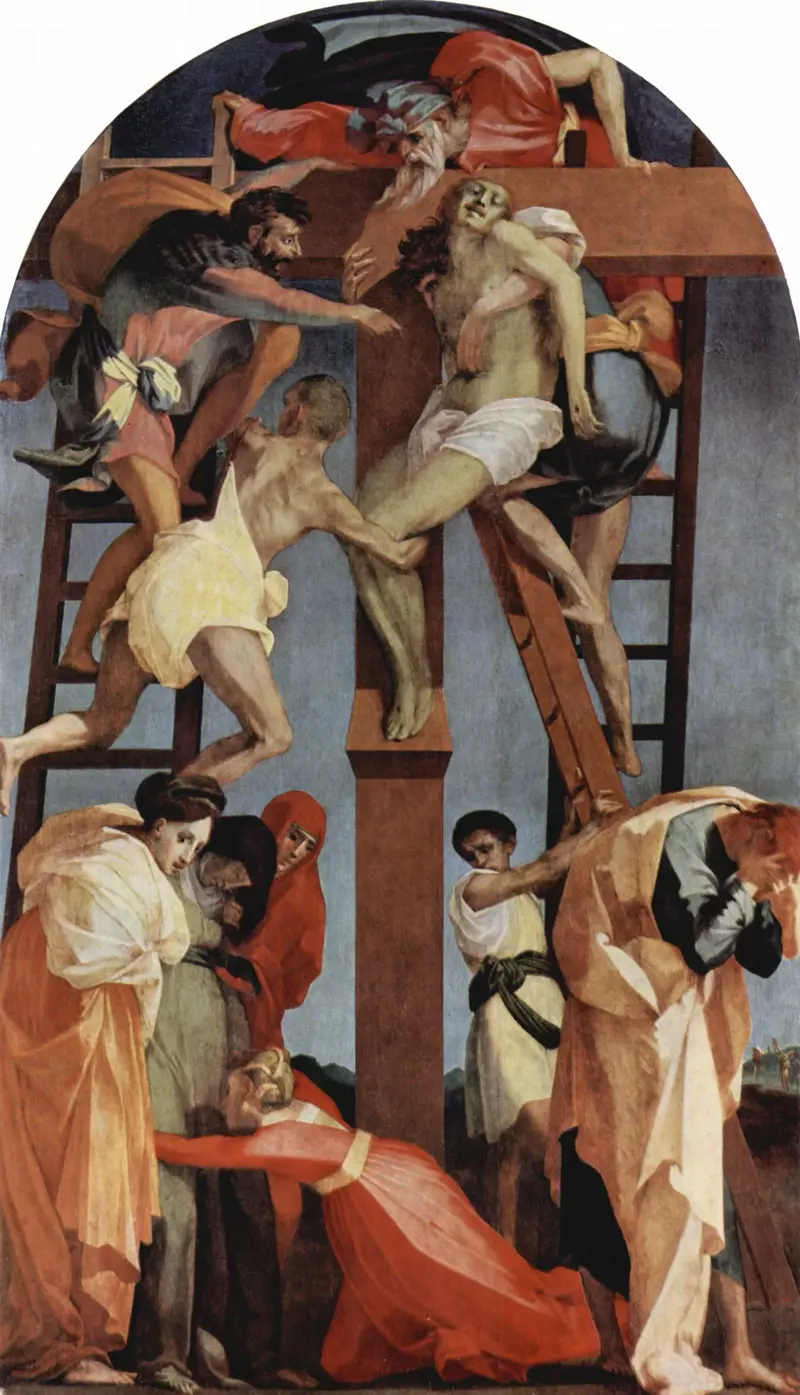
Deposition from the Cross
Rosso Fiorentino
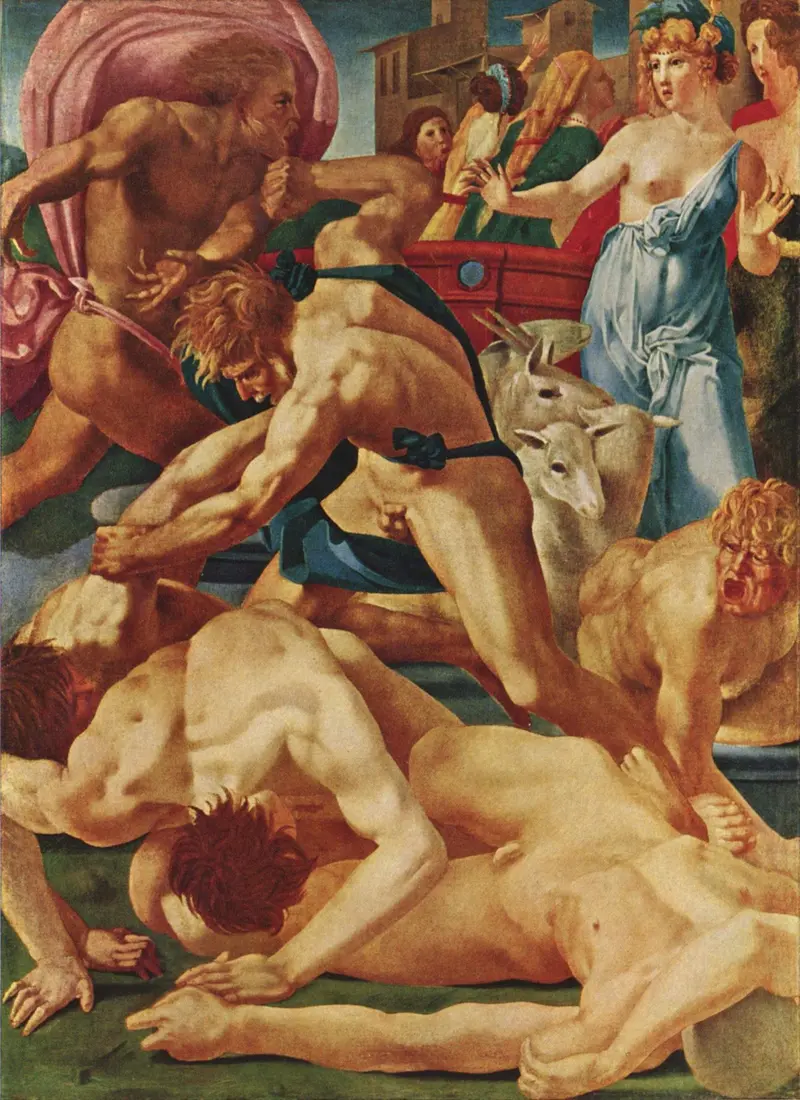
Moses Defending the Daughters of Jethro
Rosso Fiorentino

Judith with the Head of Holofernes
Rosso Fiorentino
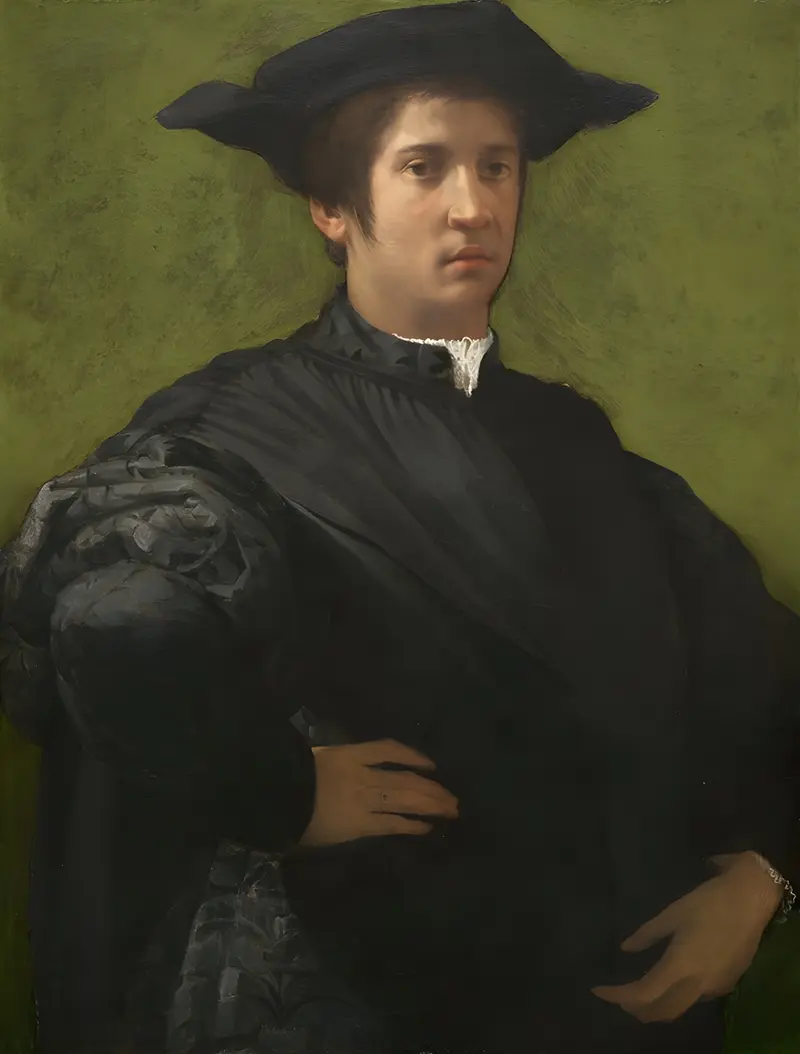
Portrait of a Man
Rosso Fiorentino
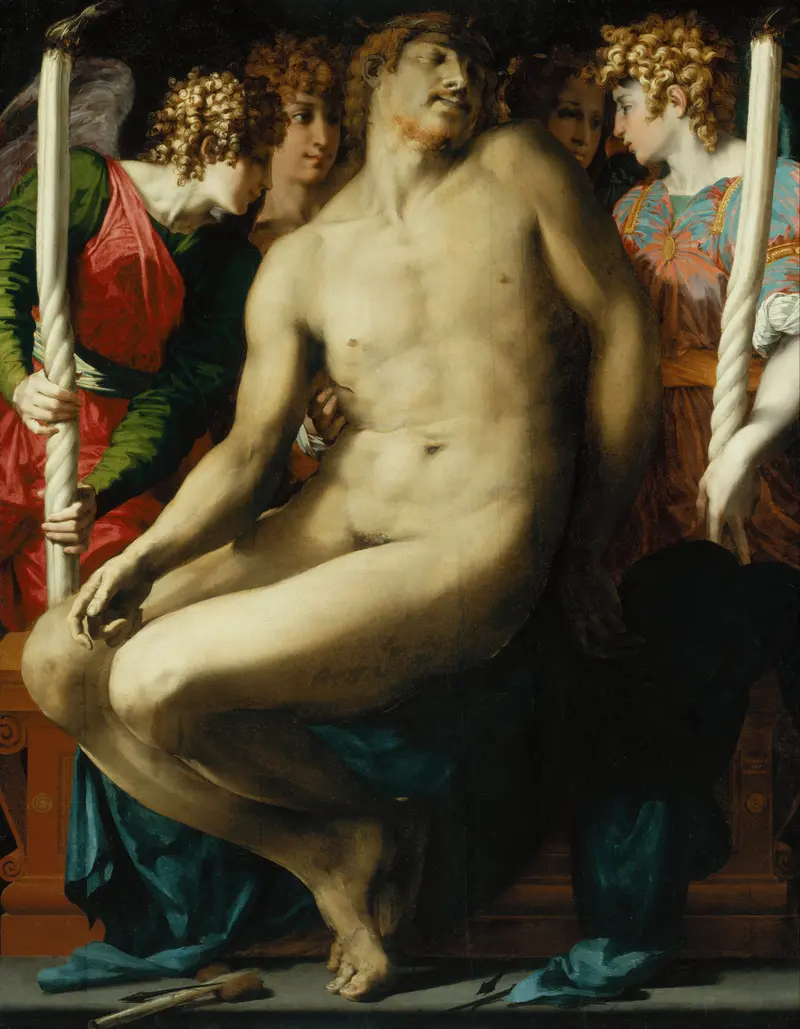
The Dead Christ with Angels
Rosso Fiorentino
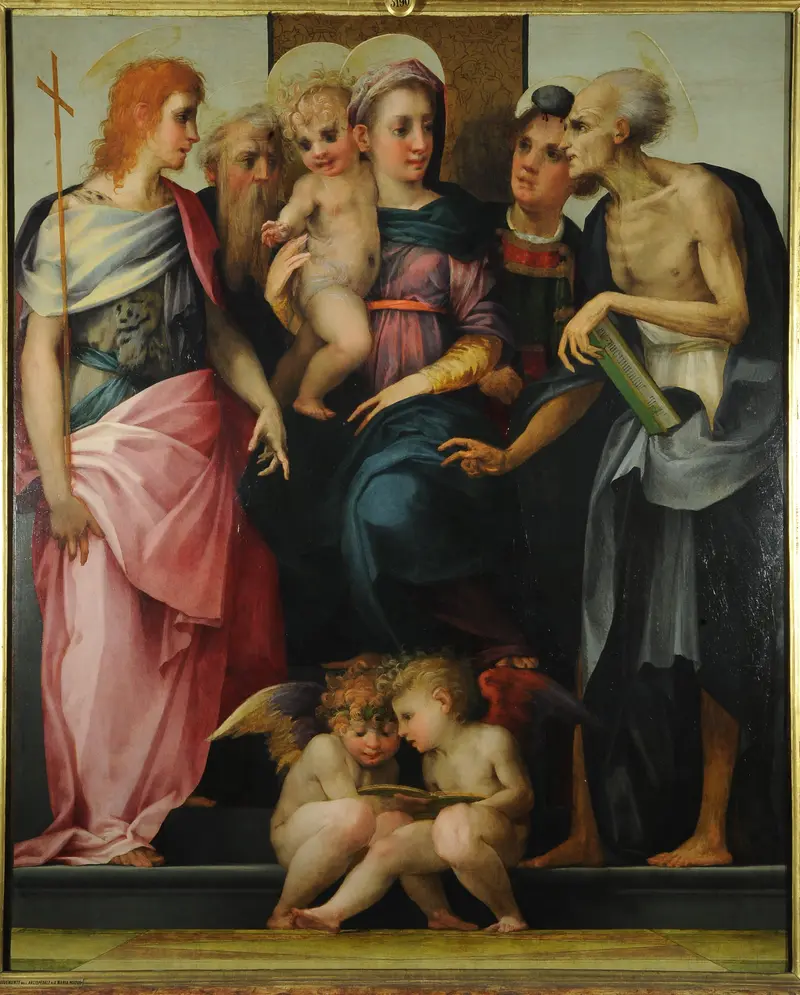
Sacred conversation with musical angels
Rosso Fiorentino
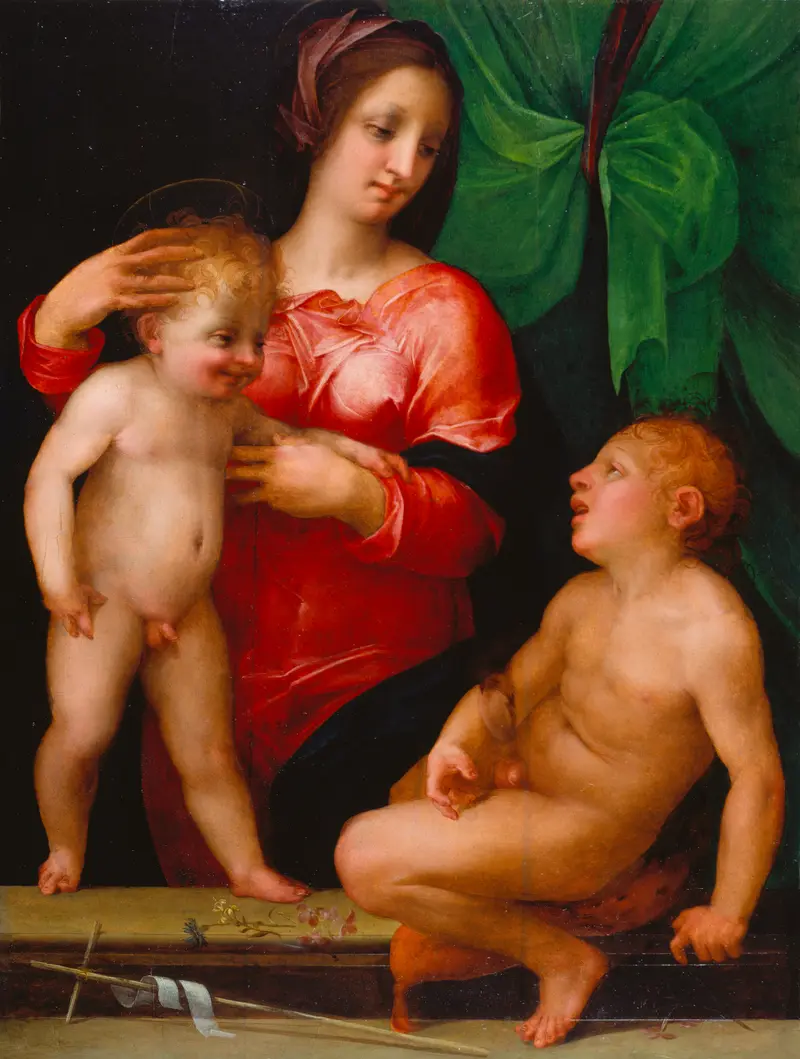
Madonna and Child with the Infant St. John
Rosso Fiorentino
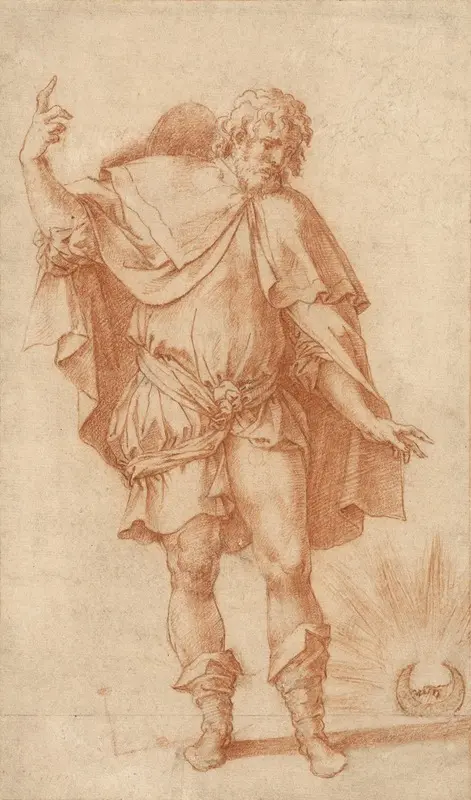
Study of a Male Figure (Empedocles or Saint Roch)
Rosso Fiorentino
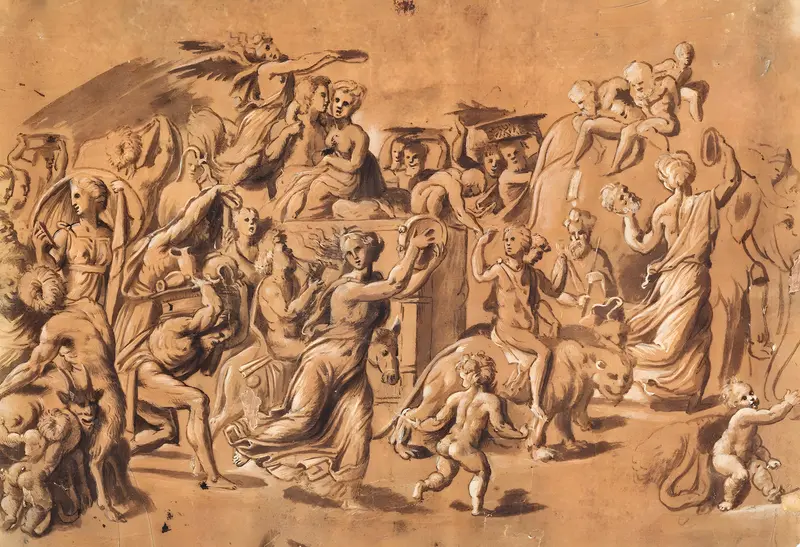
Bacchus’ triumf
Rosso Fiorentino
Studies of legs, knees and arms
Rosso Fiorentino



