
The Dead Christ with Angels — History & Facts
When The Dead Christ with Angels emerged from the hands of Rosso Fiorentino, it startled viewers with its unorthodox vision of grief and divinity. Unlike the serene lamentations that dominated Renaissance altarpieces, Rosso’s Christ lies unnervingly pale and contorted, surrounded by angels whose expressions are raw with anguish. The painting’s date and commission remain uncertain, but its emotional intensity and daring composition have long fueled debate among scholars: was this a private devotional piece or a radical experiment intended for a public chapel? What is certain is that Rosso’s interpretation stands apart from his contemporaries, who rarely dared such a visceral portrayal. The scene freezes the moment after Christ’s crucifixion, as angels cradle his lifeless body.
Their gestures are desperate—one clutches Christ’s hand, another gazes upward in silent plea, while a third presses close, face twisted in sorrow. The bloodless pallor of Christ’s skin, accentuated by the stark lighting, underscores the finality of death. The angels’ vibrant red and blue garments, swirling around the corpse, intensify the drama and direct the eye toward the central tragedy.
Unlike Fra Angelico’s gentle, almost otherworldly mourners, Rosso’s angels are all too human, their grief uncontained and immediate, drawing the viewer into the agony of loss. The painting’s early history is shrouded in mystery, with no surviving records of its original location or patron. It is generally placed among Rosso Fiorentino’s Roman works, painted in the 1520s, when he was grappling with the expressive possibilities of the Mannerist style. Over the centuries, the work has been admired for its daring use of color and emotion, and it is now housed in the Museum of Fine Arts, Boston.
As one of the few surviving religious paintings by Rosso from this period, The Dead Christ with Angels stands as a testament to his restless innovation and his willingness to challenge the conventions of his time.
More Artworks by Rosso Fiorentino
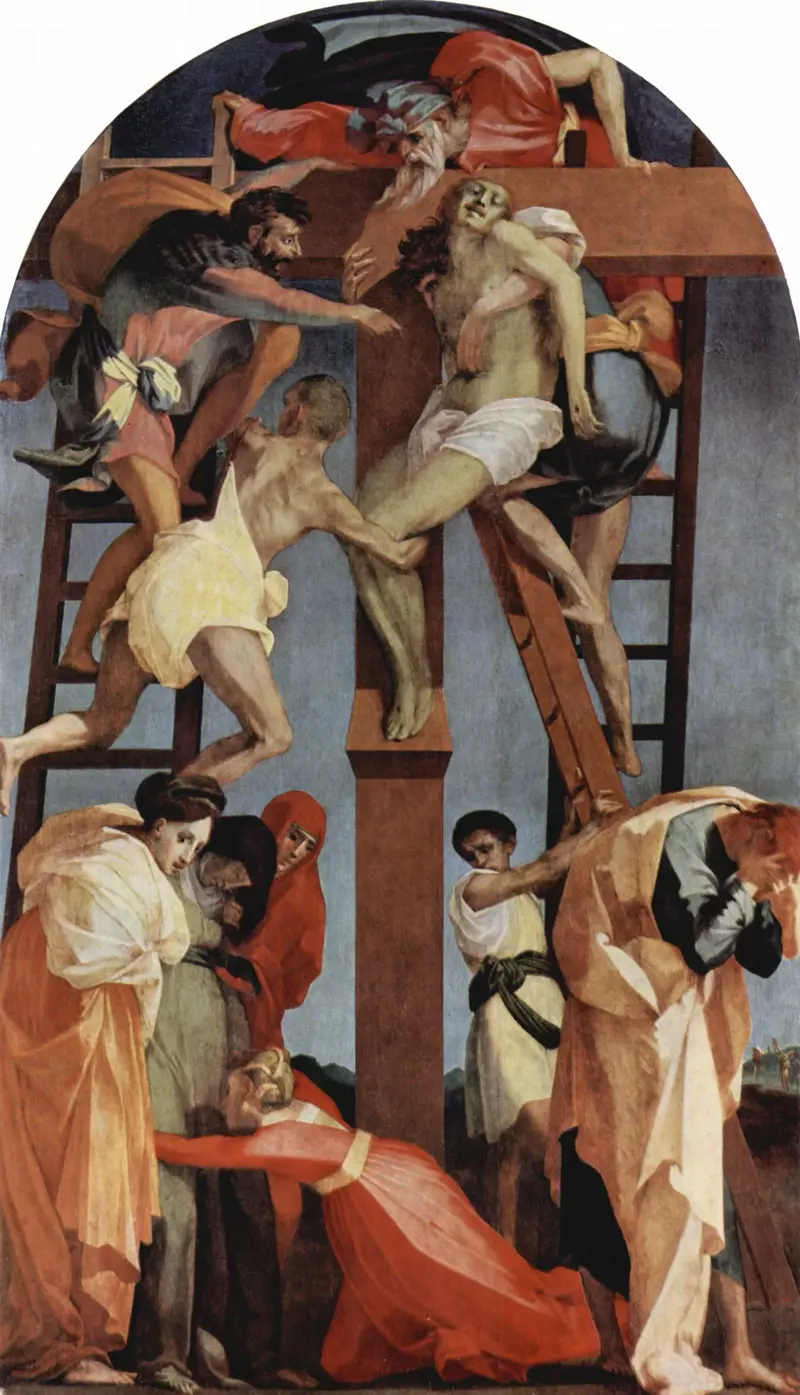
Deposition from the Cross
Rosso Fiorentino
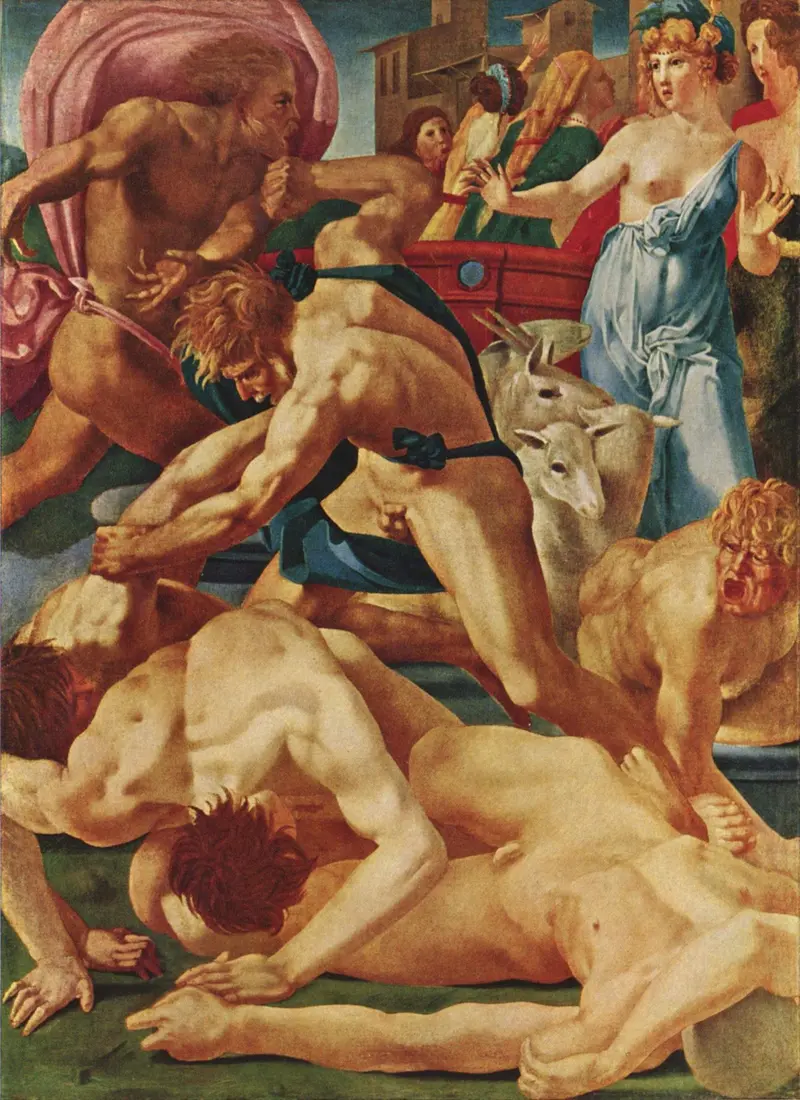
Moses Defending the Daughters of Jethro
Rosso Fiorentino

Judith with the Head of Holofernes
Rosso Fiorentino
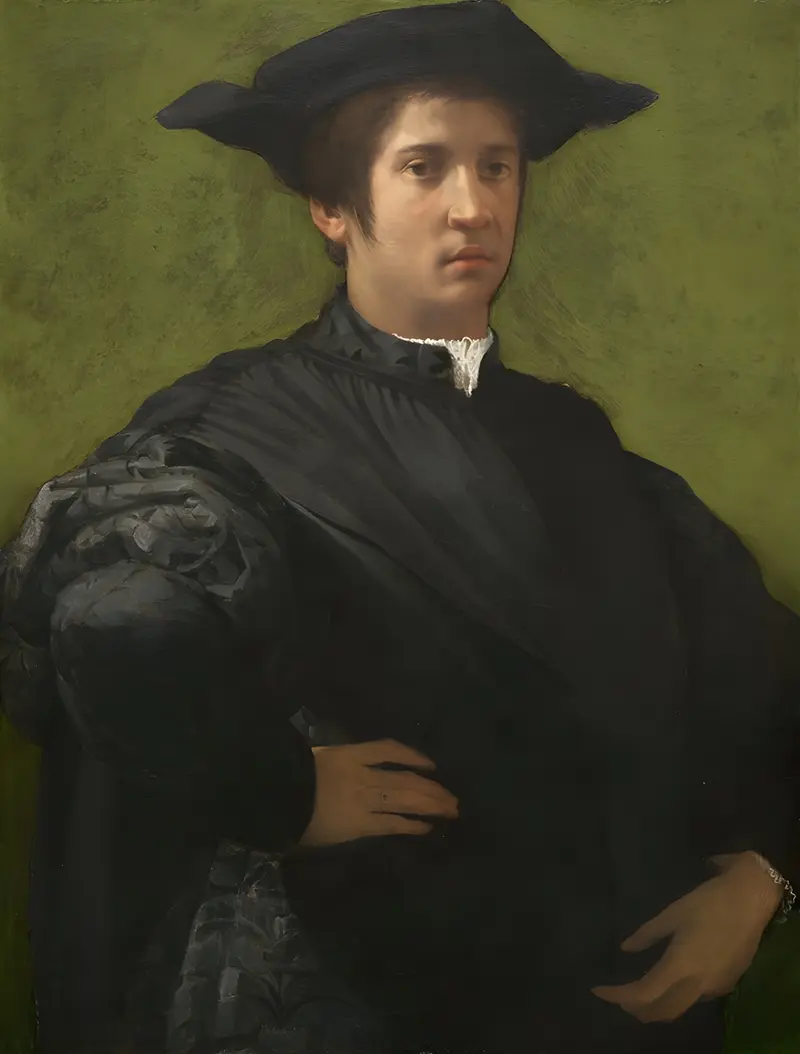
Portrait of a Man
Rosso Fiorentino
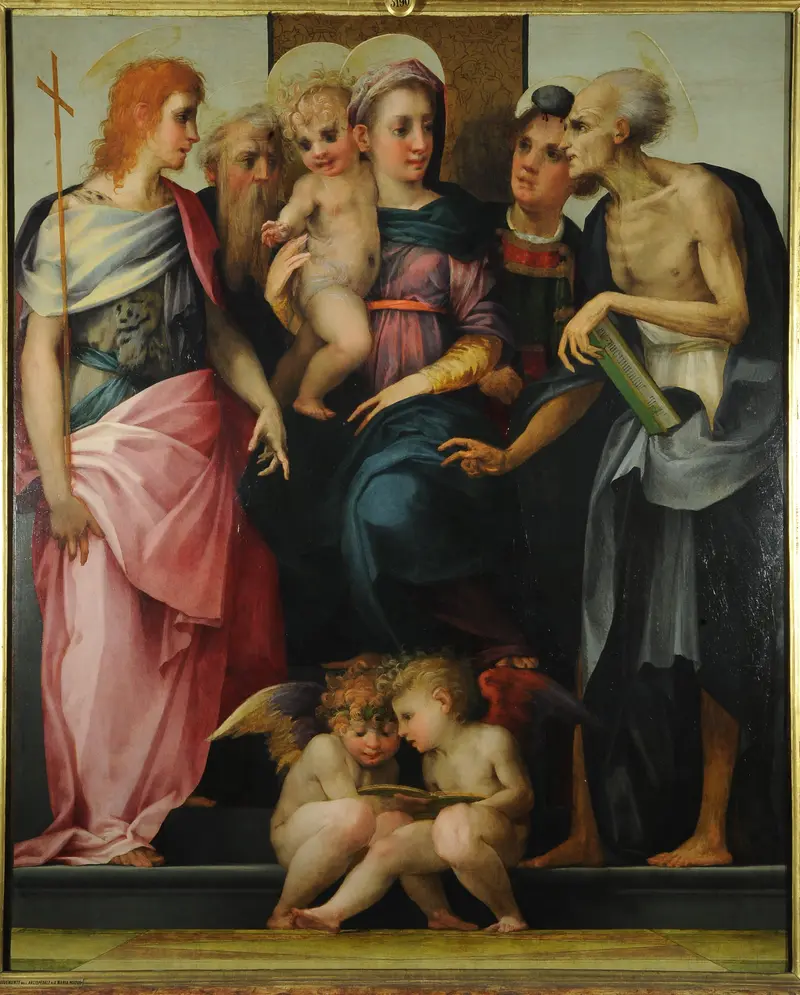
Sacred conversation with musical angels
Rosso Fiorentino
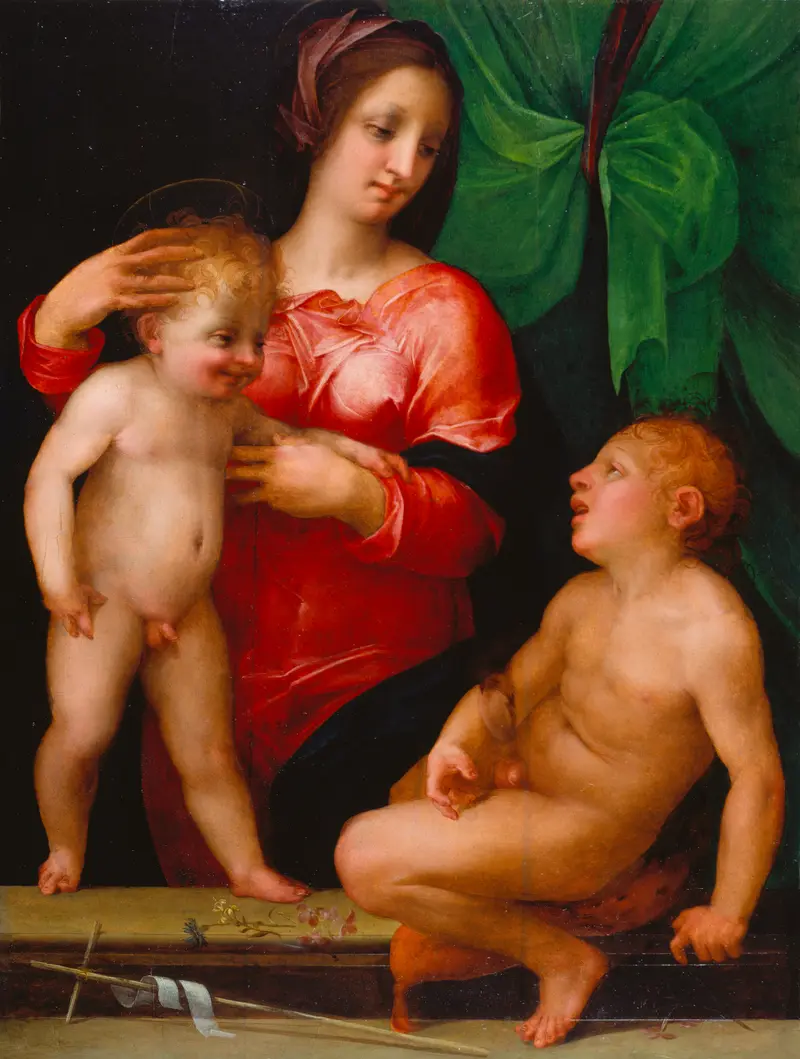
Madonna and Child with the Infant St. John
Rosso Fiorentino
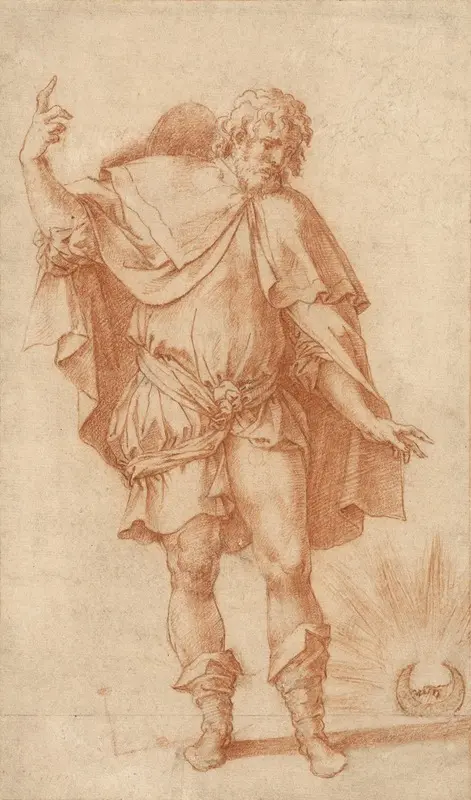
Study of a Male Figure (Empedocles or Saint Roch)
Rosso Fiorentino
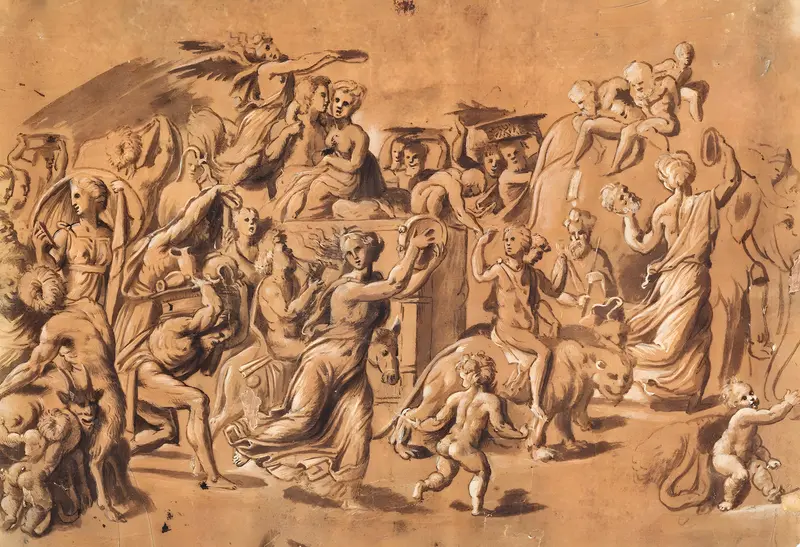
Bacchus’ triumf
Rosso Fiorentino
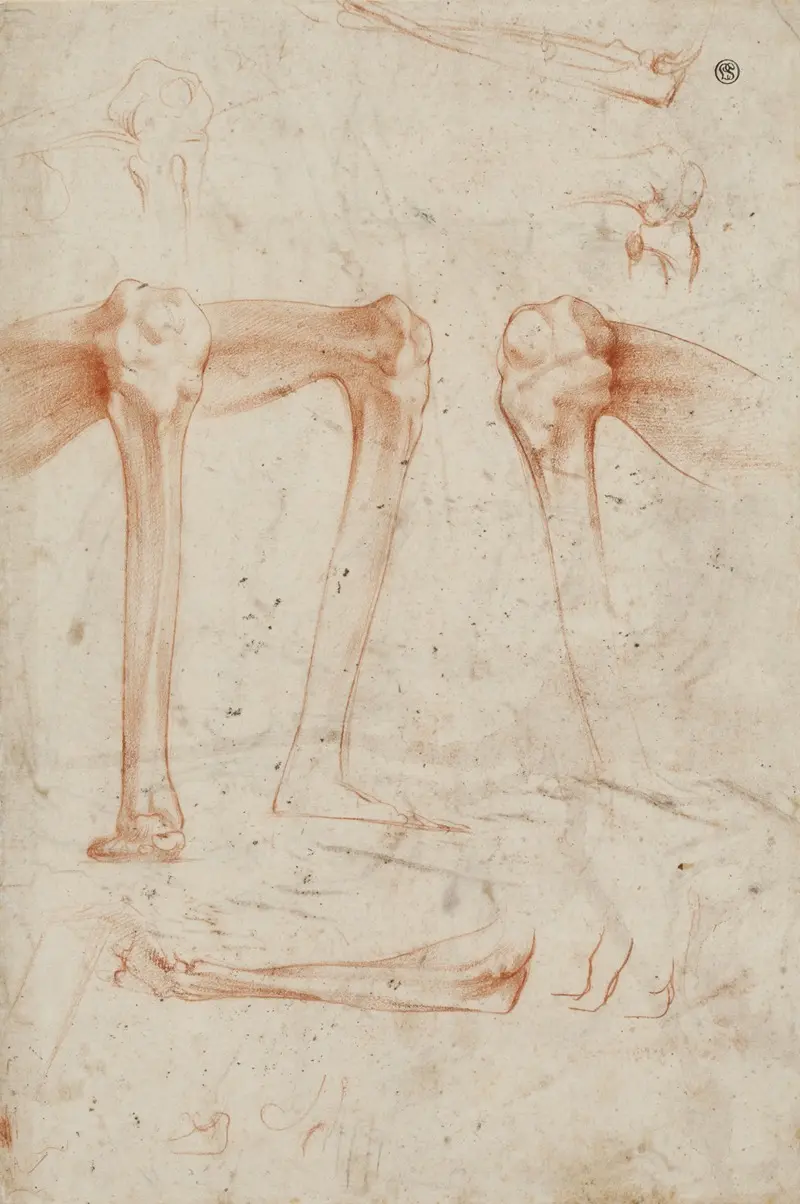
Studies of legs, knees and arms
Rosso Fiorentino
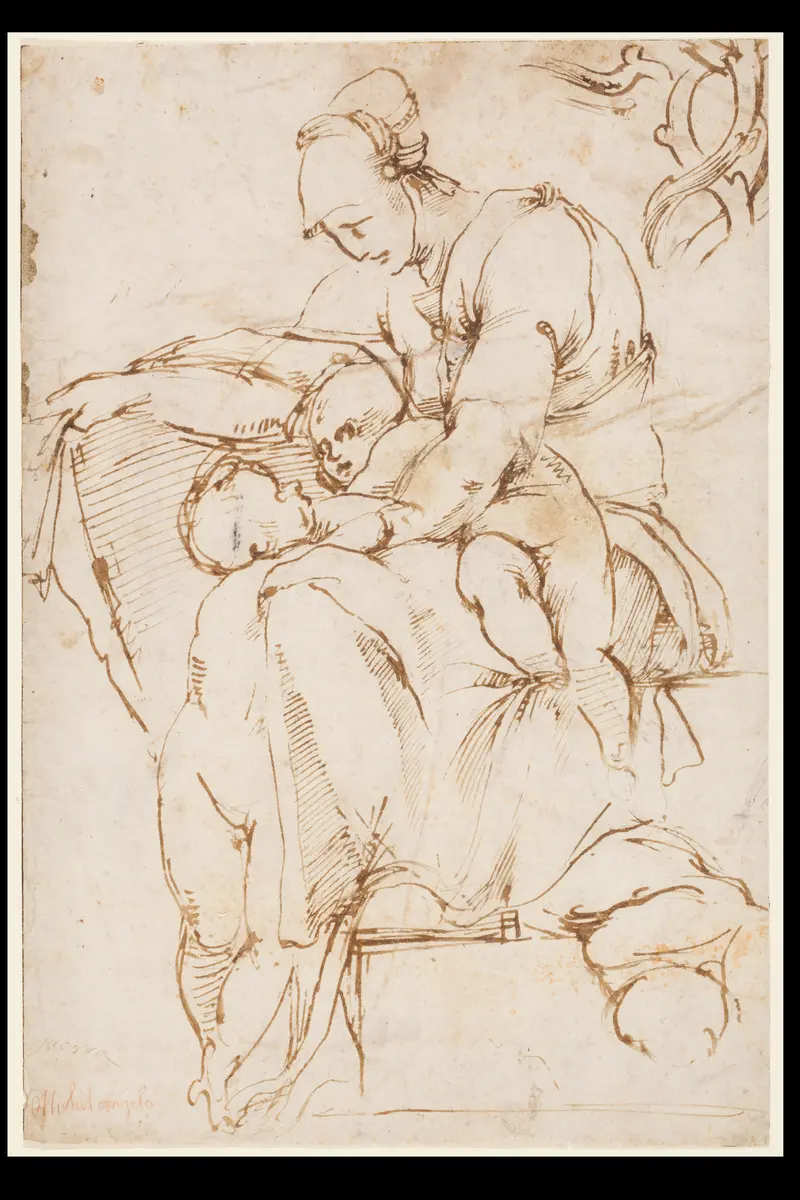
Seated Woman with Children (Caritas); branches at top right
Rosso Fiorentino





