
Der Überfall — History & Facts
In Der Überfall, the viewer is invited to ponder the serene amidst turmoil, where nature’s beauty envelops chaos like a tender embrace. Look to the foreground, where the tumult of a surprise attack unfurls. The contrasting colors of deep greens and browns play against the vivid whites and blues of the sky, illuminating both the drama of the scene and the peacefulness of the landscape surrounding it. The artist’s meticulous brushwork captures the fluidity of movement, drawing the eye along the path of the unfolding drama, while the brushstrokes in the trees whisper of tranquility that stands in stark contrast to the conflicts below. This juxtaposition reveals deeper meanings; the wildness of the event is softened by the lush surroundings, suggesting that even in chaos, serenity can persist.
The figures, caught in their moment of urgency, lack individual facial features, merging them into a singular embodiment of conflict, while the gentle undulation of the hills suggests an eternal calm that belies the human strife. The play of light highlights not just the action but also the lush vegetation, invoking the idea that nature remains indifferent to human turmoil. Created around 1857, this work reflects a period in Johann Wilhelm Schirmer's life marked by a deep engagement with Romantic ideals. Painted in Germany during a time of political upheaval and societal change, the artist was exploring the relationship between man and nature, finding solace in landscapes that could convey both the beauty and futility of human endeavor amidst the chaos of life.
More Artworks by Johann Wilhelm Schirmer
Browse all →
Waldlandschaft mit Blick auf Olevano und den Monte Cavo
Johann Wilhelm Schirmer
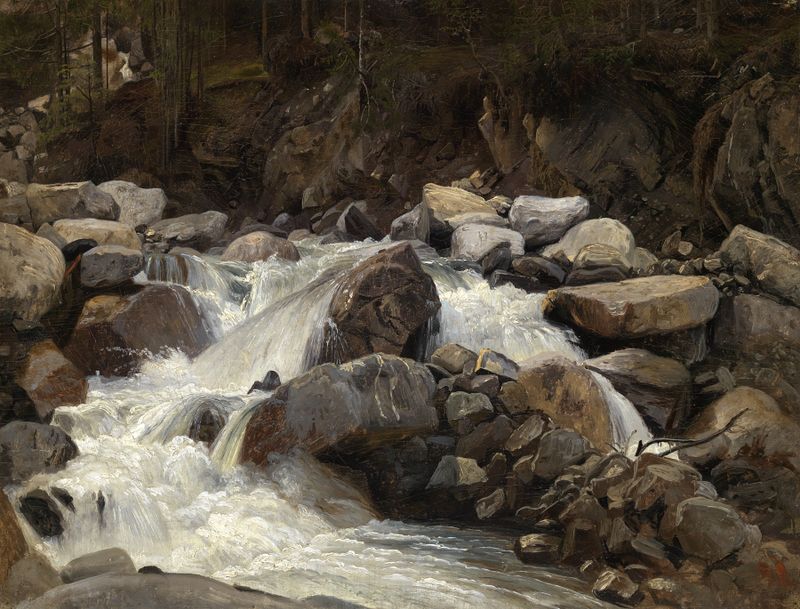
Schweizer Gebirgsbach
Johann Wilhelm Schirmer
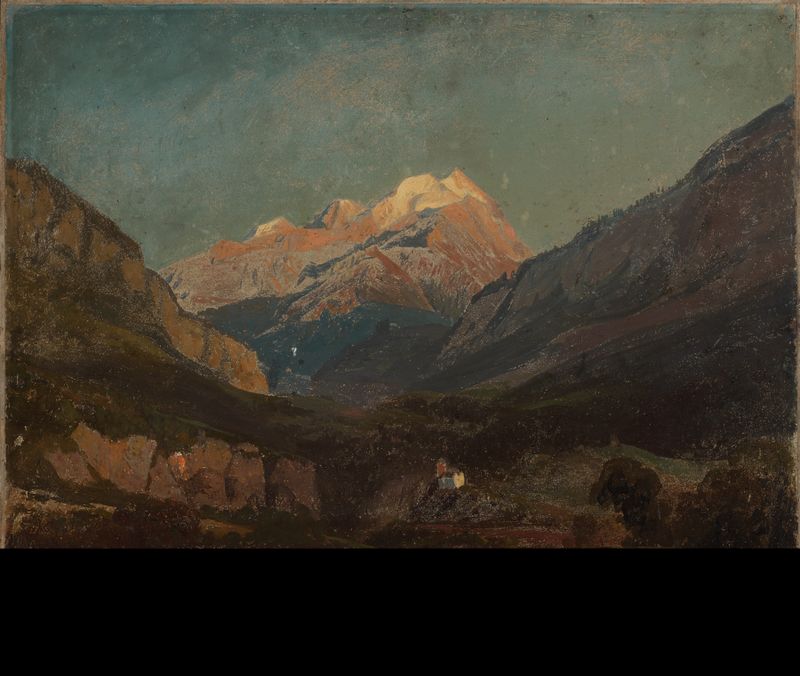
Schweizer Gebirgslandschaft mit Kapelle und fernem Schneegipfel
Johann Wilhelm Schirmer

Schweizer Gebirgslandschaft mit dem Piz Beverin im Hintergrund
Johann Wilhelm Schirmer

Waldinneres mit Hirschen am Wasser
Johann Wilhelm Schirmer

The Wetterhorn
Johann Wilhelm Schirmer

Partie aus der Römischen Campagna
Johann Wilhelm Schirmer

Felsabhang in der Schweiz
Johann Wilhelm Schirmer
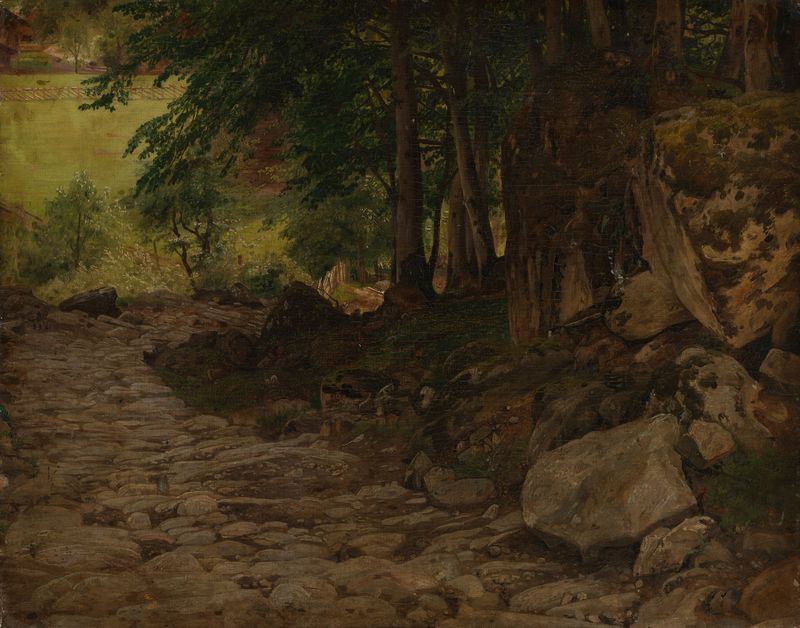
Felsweg in der Schweiz
Johann Wilhelm Schirmer
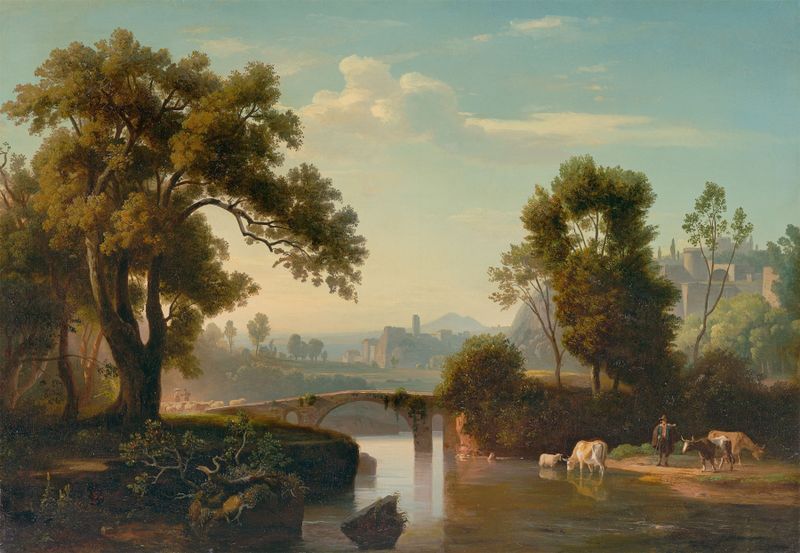
Italienische Landschaft mit Hirten
Johann Wilhelm Schirmer
More Historical Art
Browse all →
The Night Watch Militia Company of District II under the Command of Captain Frans Banninck Cocq
Rembrandt van Rijn

Lincoln Memorial
Henry Bacon

The Third of May 1808
Francisco de Goya

Isaac and Rebecca, Known as ‘The Jewish Bride’
Rembrandt van Rijn

The Charge of the Mamelukes (1814)
Francisco de Goya

De vier ruiters van de apocalyps
Albrecht Dürer