
Der Friedhof bei Gravosa bei Ragusa (Studie zu Pax) — History & Facts
Can paint confess what words never could? In Der Friedhof bei Gravosa bei Ragusa (Studie zu Pax), the canvas invites us into a realm where illusion and reality entwine seamlessly, whispering secrets of the past. Look to the left at the soft, muted hues that cradle the gravestones, each one a testament to lives once lived. Notice how the dappled sunlight dances through the leaves overhead, casting intricate shadows that play upon the weathered stone. The gentle palette of greens and browns evokes a sense of tranquility, yet the meticulous brushwork imbues the scene with a delicate tension, as if time stands both still and fleeting. Delve deeper, and you’ll uncover the emotional layers embedded within the artwork.
The juxtaposition of light and shadow symbolizes the fragility of life and memory, hinting at the inevitable passage of time. The viewer is drawn into a contemplative space, where the serene beauty of nature clashes with a sense of loss and reflection, urging us to ponder our own mortality and connection to the past. Painted between 1887 and 1888, this piece emerged during a transformative period in Emil Jakob Schindler's life. Working in Vienna, he was deeply influenced by the burgeoning Symbolist movement, which sought to express the ineffable through imagery and emotion.
The artist found inspiration in the tranquil landscapes of Dalmatia, where he captured the essence of life and death, navigating the complexities of existence with a profound sensitivity that underpins this study.
More Artworks by Emil Jakob Schindler
Browse all →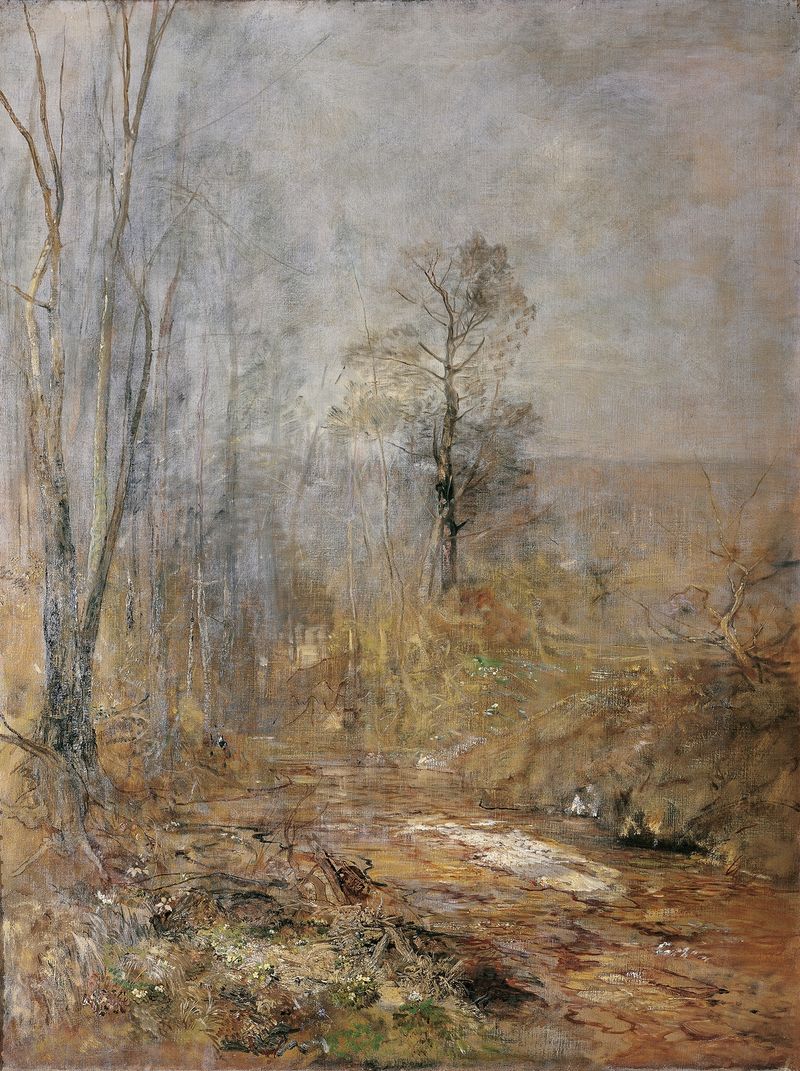
Märzstimmung – Vorfrühling im Wienerwald
Emil Jakob Schindler
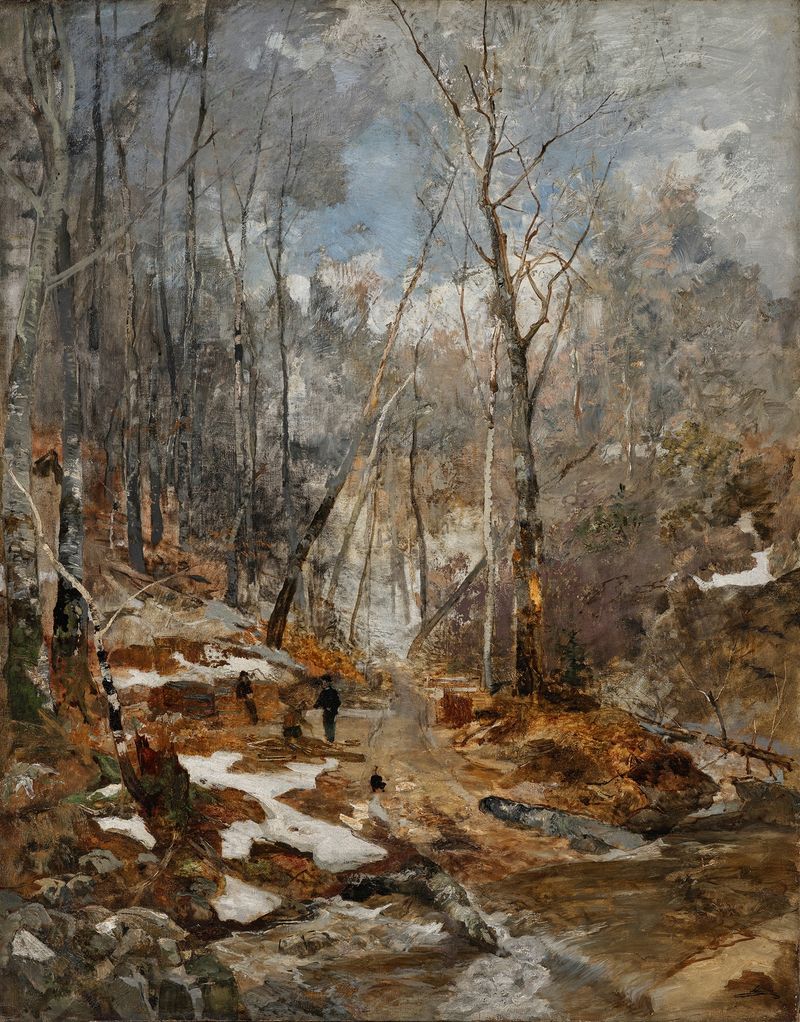
Februarstimmung – Vorfrühling im Wienerwald
Emil Jakob Schindler
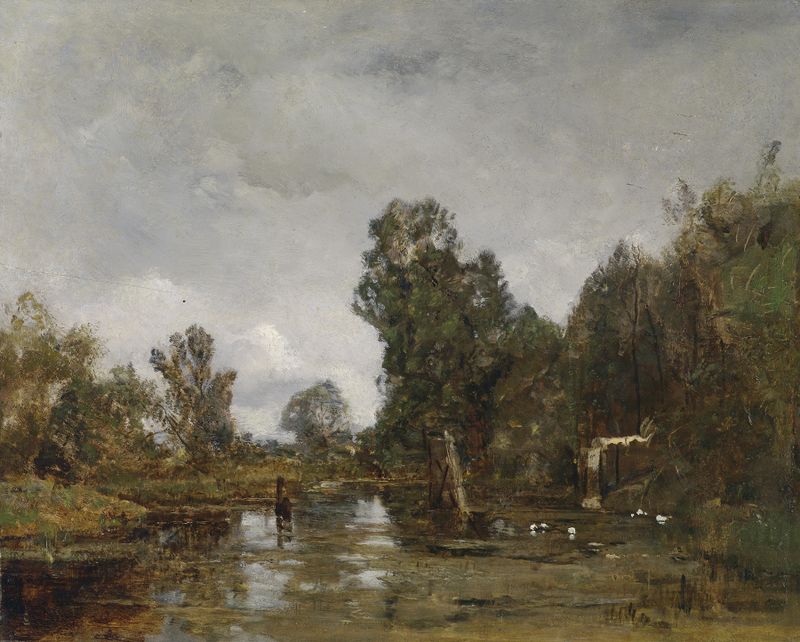
Motiv aus dem Wiener Prater (Krieau)
Emil Jakob Schindler
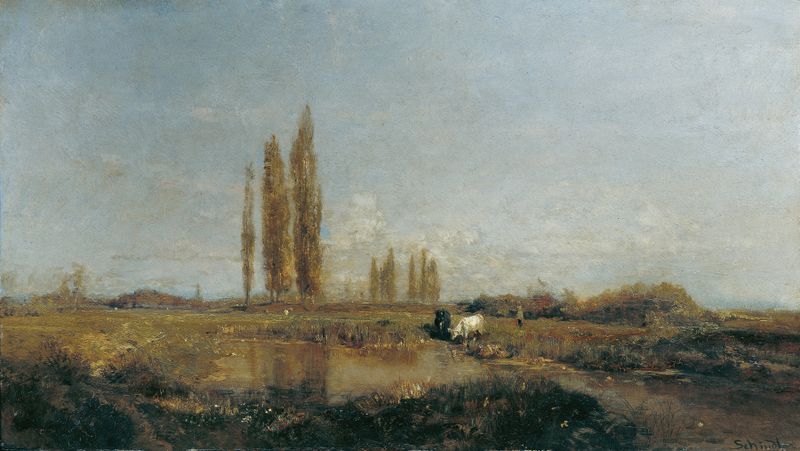
An der Thaya bei Lundenburg
Emil Jakob Schindler
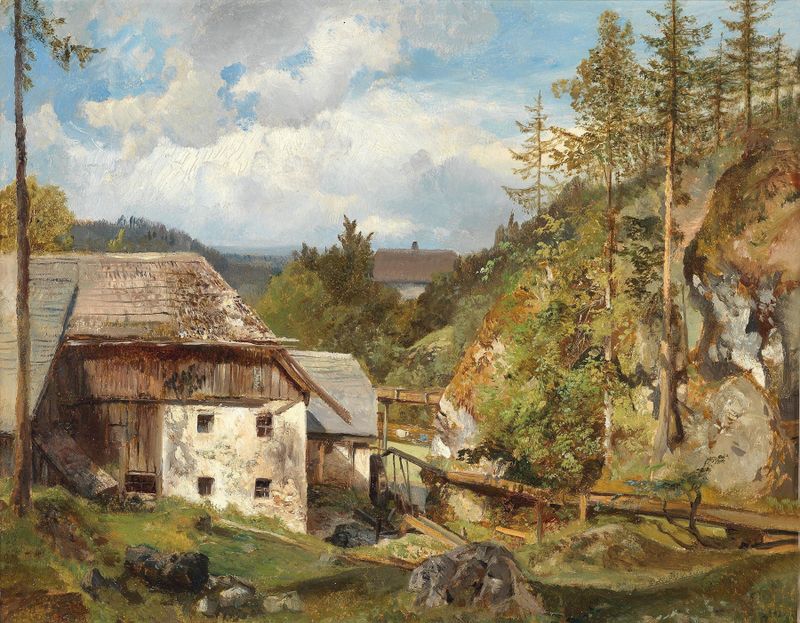
Die Mühle im Wald
Emil Jakob Schindler
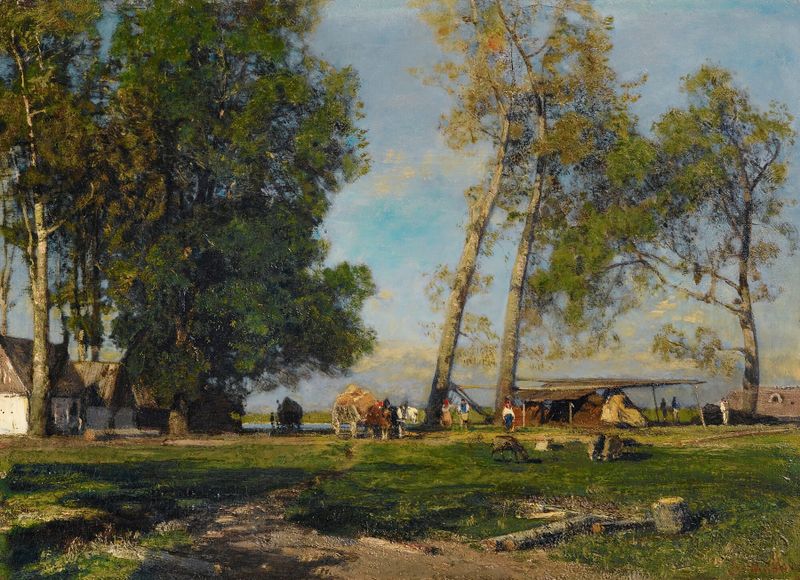
The Prater Gardens, Vienna
Emil Jakob Schindler
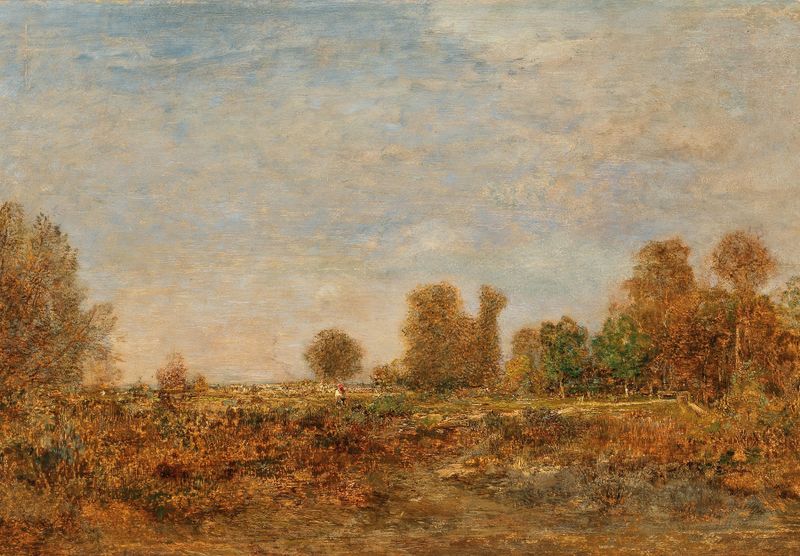
Landschaft, Lundenburg
Emil Jakob Schindler
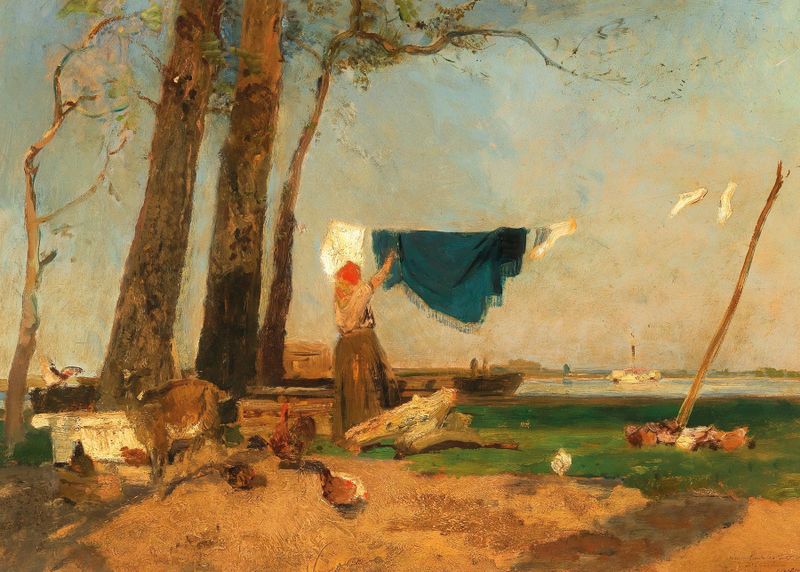
A washerwoman on the Danube bank, near the Praterspitz
Emil Jakob Schindler
Mühle in Plankenberg
Emil Jakob Schindler
Mondaufgang in der Praterau
Emil Jakob Schindler





