
Despair, Study — History & Facts
What first seizes the viewer in Despair, Study is not the figure’s nudity, but the raw, almost sculptural gesture: arms thrown up, hands pressed over the face, as if to dam a flood of feeling. The body twists upward, every muscle taut, the head flung back in a silent cry. The background is a dark, uncertain space, punctuated by strange, red, wound-like shapes—neither fully abstract nor clearly real—hovering like emotional echoes.
The light, cool and unsparing, models the flesh with a clinical honesty, yet the palette’s restraint keeps the scene suspended between physical presence and psychological turmoil. Here, the pose is not for the viewer, but for the figure herself: a private moment caught in the act of breaking. Painted by Akseli Gallen-Kallela between circa 1905 and 1909, this work belongs to a period when artists across Europe were turning inward, using the human body as a vessel for states of mind rather than mere likeness. Such studies—often made for larger compositions or as explorations of psychological states—were rarely intended for public display, but instead served as laboratories for feeling.
In Finland, as elsewhere, artists were wrestling with the new languages of symbolism and expressionism, seeking ways to paint not just what was seen, but what was felt. Despair, Study survives as a fragment of that restless search, its unanswered questions still pulsing beneath the surface. Look again at the hands: are they shielding, or surrendering?
More Artworks by Akseli Gallen-Kallela
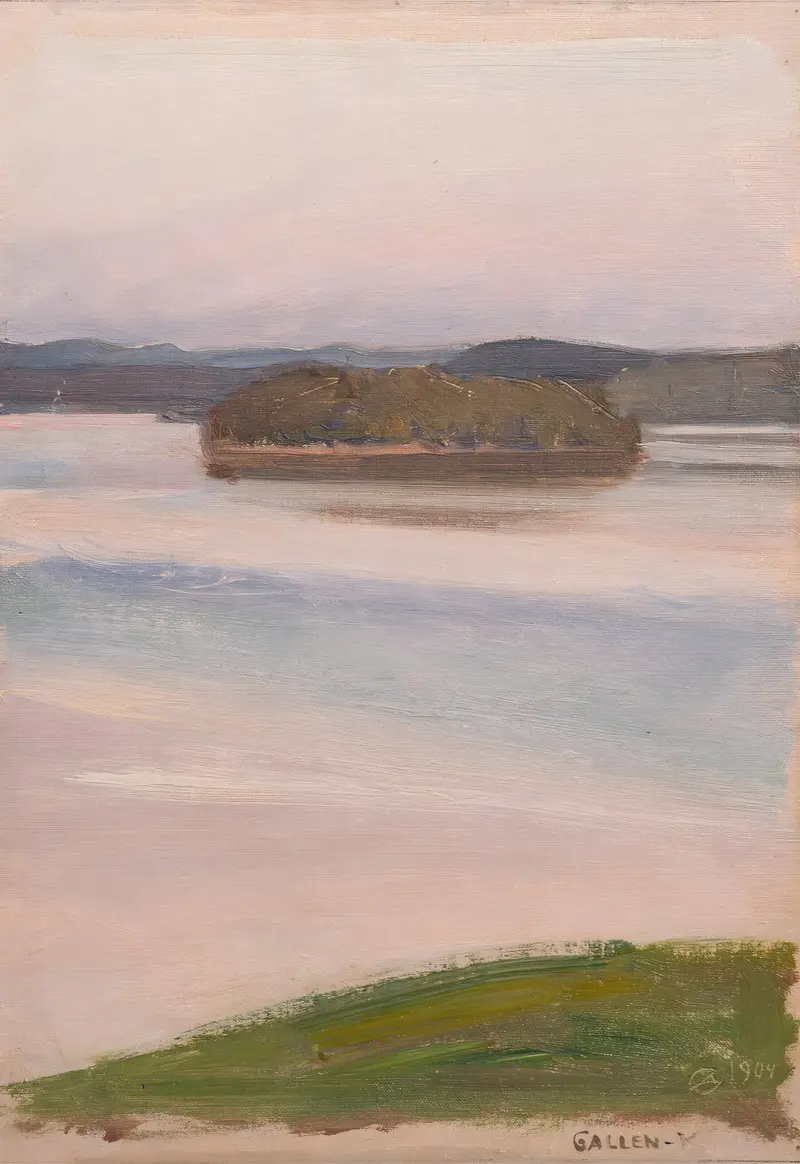
Lake Keitele
Akseli Gallen-Kallela
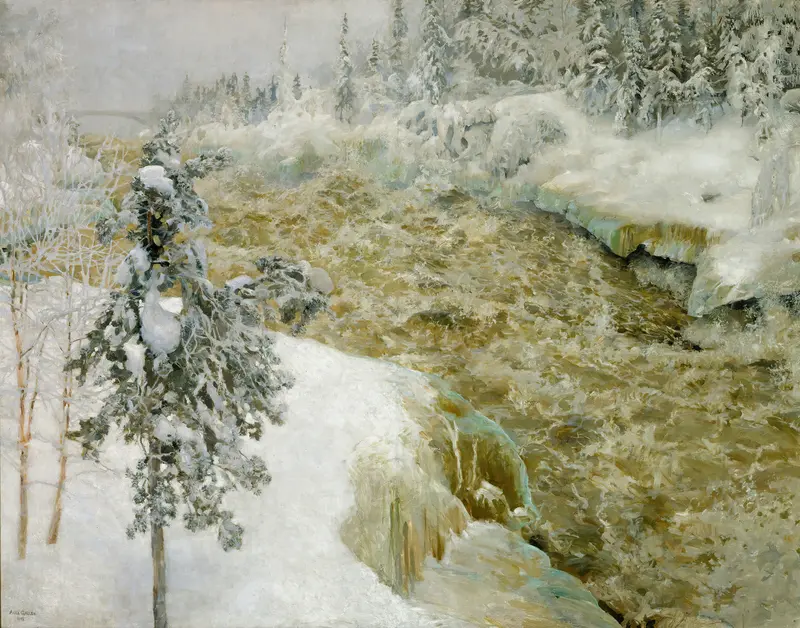
Imatra Falls in Snow ; Imatra in Winter
Akseli Gallen-Kallela
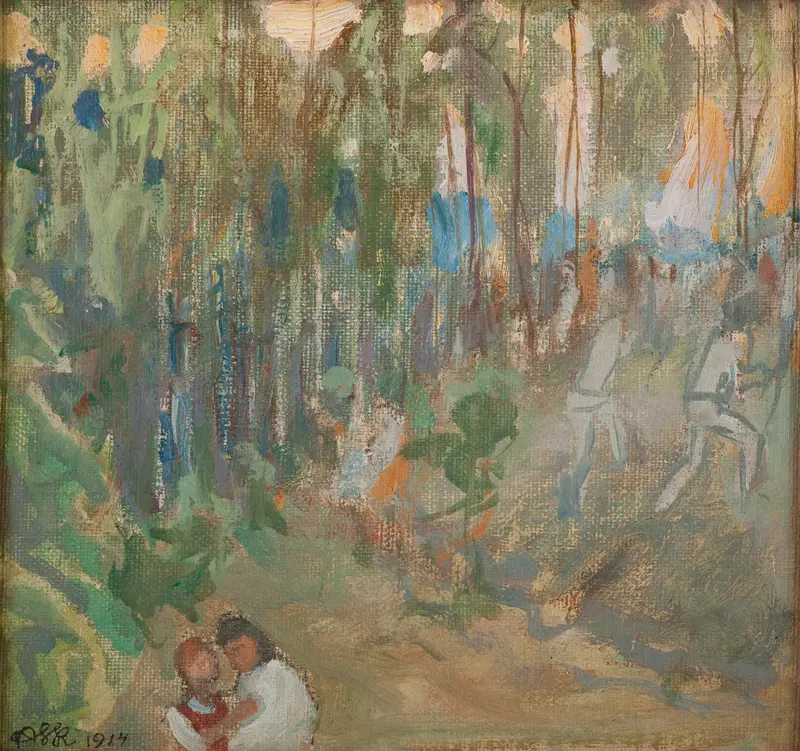
Vainovalkeat
Akseli Gallen-Kallela
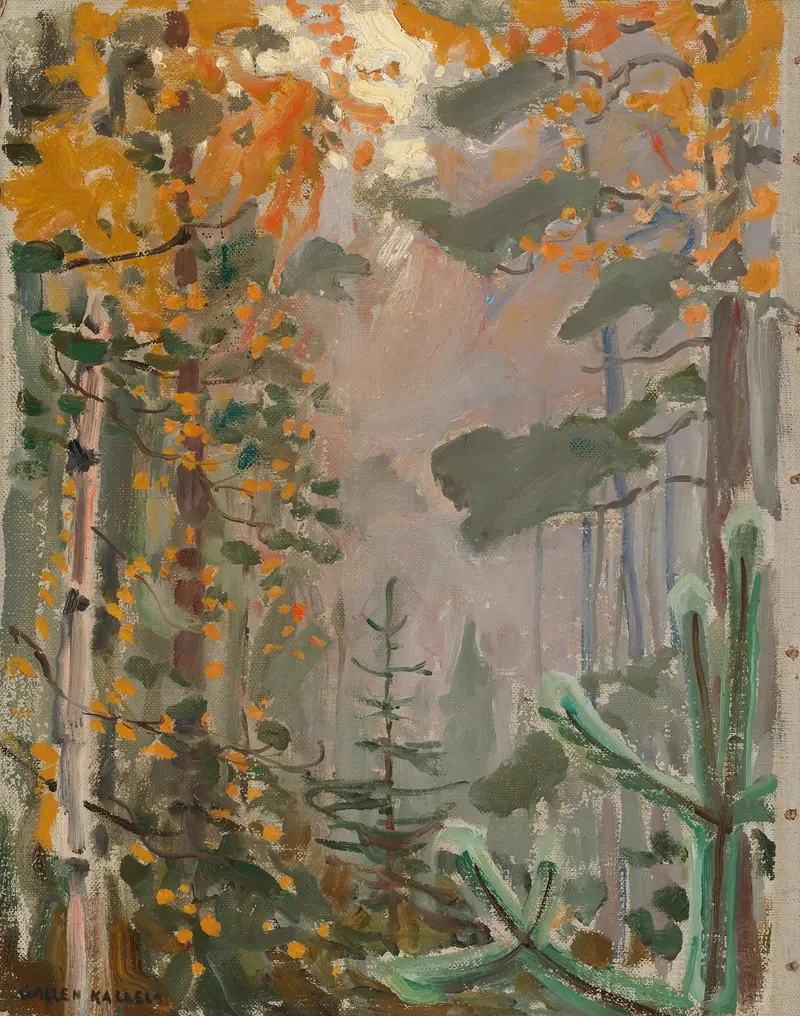
Autumn Landscape
Akseli Gallen-Kallela
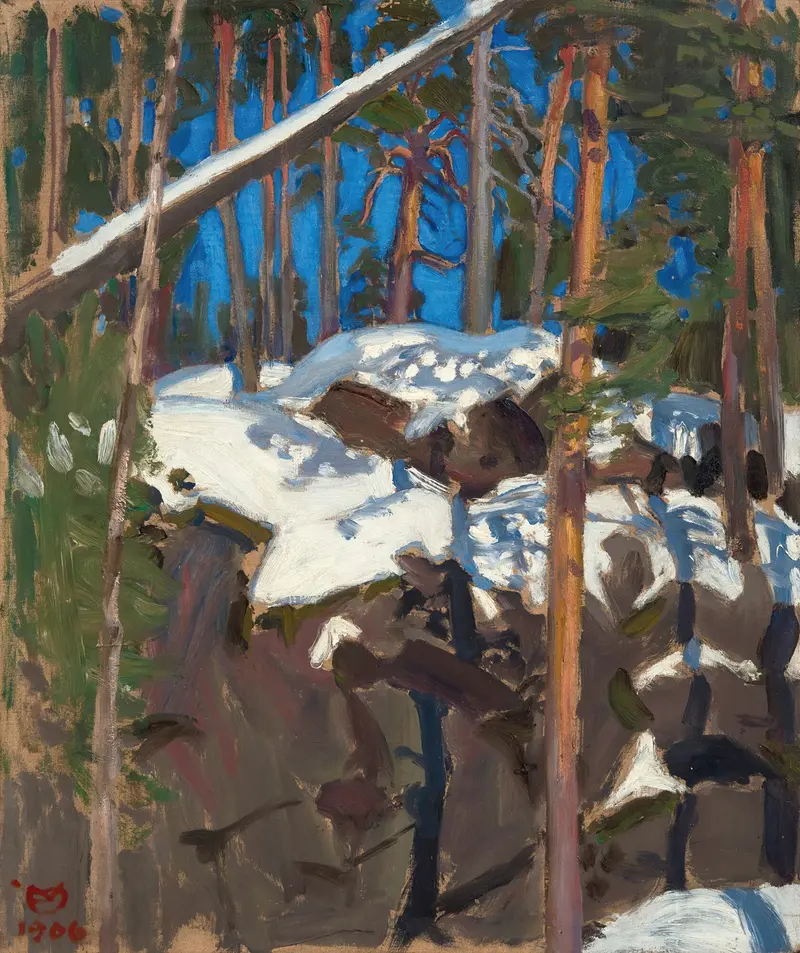
Spring Sun At Konginkangas
Akseli Gallen-Kallela
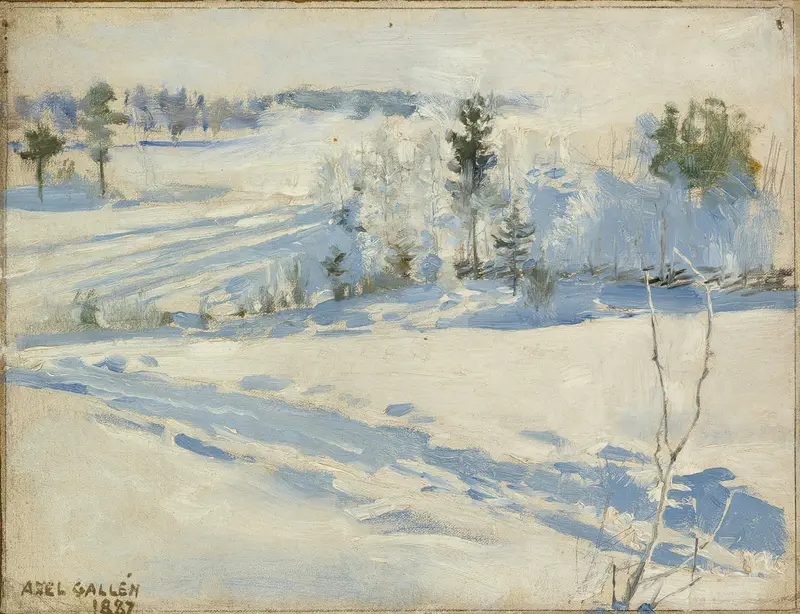
Winter Landscape
Akseli Gallen-Kallela

First Snow
Akseli Gallen-Kallela
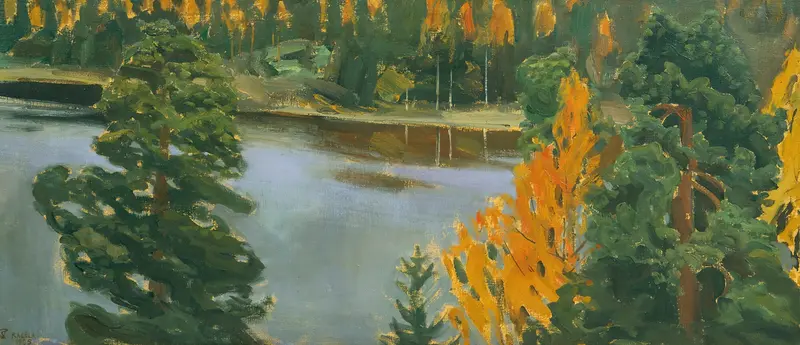
Lake View In Autumn
Akseli Gallen-Kallela
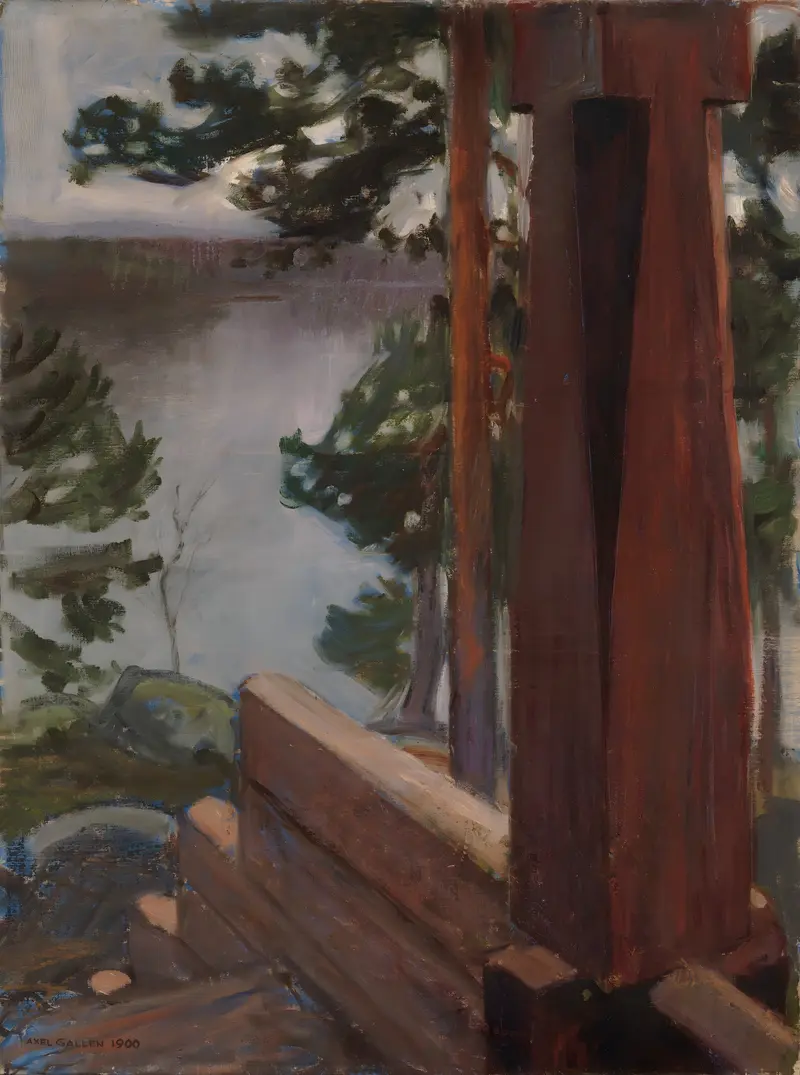
The Kalela Porch
Akseli Gallen-Kallela

Light Behind The Clouds
Akseli Gallen-Kallela



