
Die ‘Casina di Raffaello’ und ein Aussichtsturm im Park der Villa Borghese — History & Facts
When did color learn to lie? In the brushstrokes of this work, we find not just scenery, but a dialogue between faith and perception. Focus first on the lush greenery that envelops the foreground, vibrant hues of green and gold intertwining as if nature itself is breathing. Notice how the gentle curves of the landscape lead your gaze to the ‘Casina di Raffaello’, nestled like a secret amid the foliage. The painting’s soft palette evokes a serene atmosphere, while the delicate interplay of light and shadow casts a spell of tranquility, encouraging contemplation. Hidden amidst this pastoral beauty are intricate contrasts.
The intricate architecture of the villa, with its solid presence, stands in stark relief against the ephemeral quality of the surrounding nature. This juxtaposition elicits a tension between human ambition and the tranquility of the natural world, suggesting a longing for harmony. The sky, infused with a soft, ethereal glow, speaks to a faith in the beauty of creation, inviting viewers to ponder their place within it. In 1839, Johann Wilhelm Schirmer created this piece in Italy, amidst a Romantic era that emphasized emotion and nature's grandeur.
His work reflects a period when artists sought to merge the beauty of landscapes with deeper philosophical and spiritual introspections. By capturing the Villa Borghese, a symbol of human artistic achievement, Schirmer invites viewers to consider both the triumphs and the fleeting nature of life.
More Artworks by Johann Wilhelm Schirmer
Browse all →
Waldlandschaft mit Blick auf Olevano und den Monte Cavo
Johann Wilhelm Schirmer
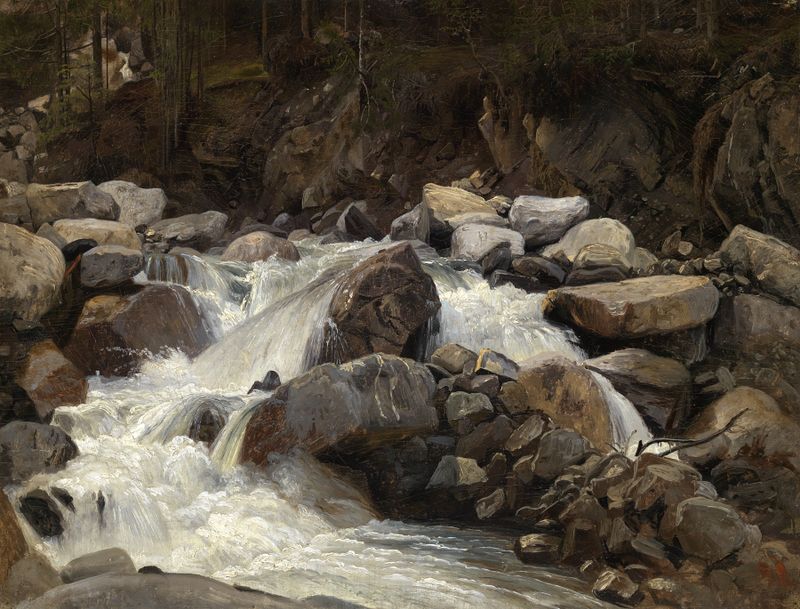
Schweizer Gebirgsbach
Johann Wilhelm Schirmer
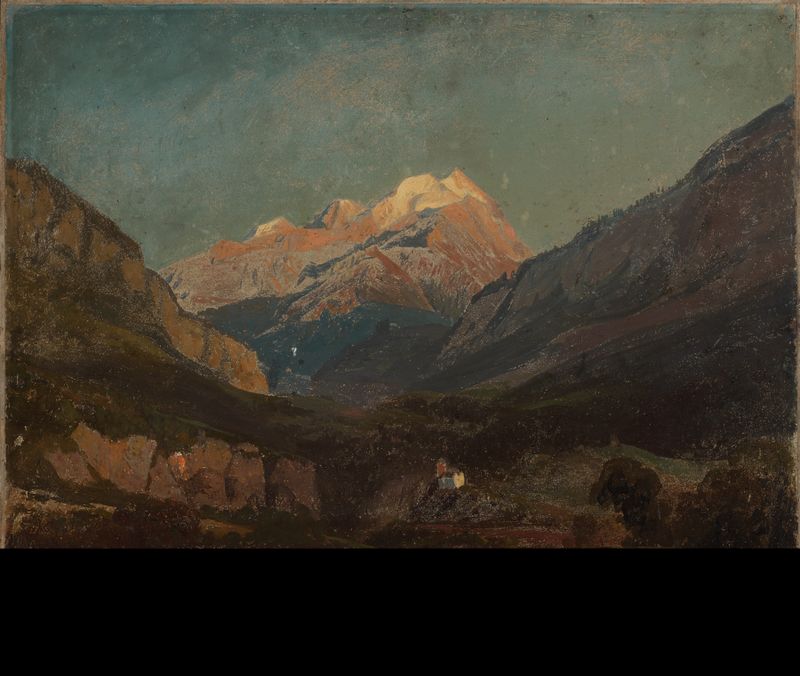
Schweizer Gebirgslandschaft mit Kapelle und fernem Schneegipfel
Johann Wilhelm Schirmer

Schweizer Gebirgslandschaft mit dem Piz Beverin im Hintergrund
Johann Wilhelm Schirmer

Waldinneres mit Hirschen am Wasser
Johann Wilhelm Schirmer

The Wetterhorn
Johann Wilhelm Schirmer

Partie aus der Römischen Campagna
Johann Wilhelm Schirmer

Felsabhang in der Schweiz
Johann Wilhelm Schirmer
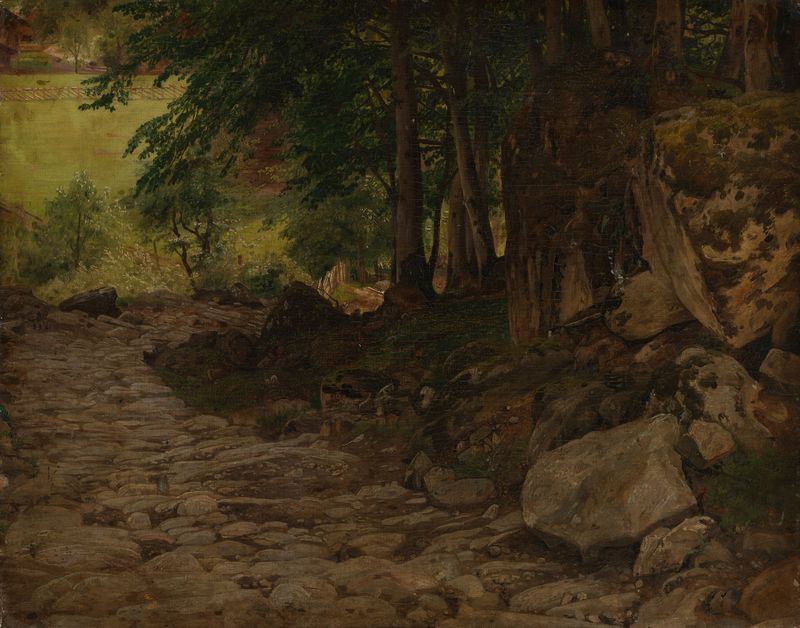
Felsweg in der Schweiz
Johann Wilhelm Schirmer
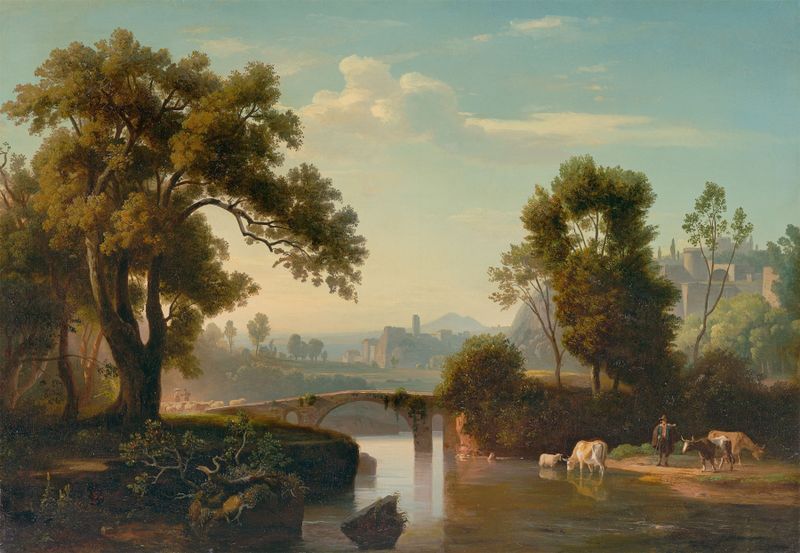
Italienische Landschaft mit Hirten
Johann Wilhelm Schirmer





